


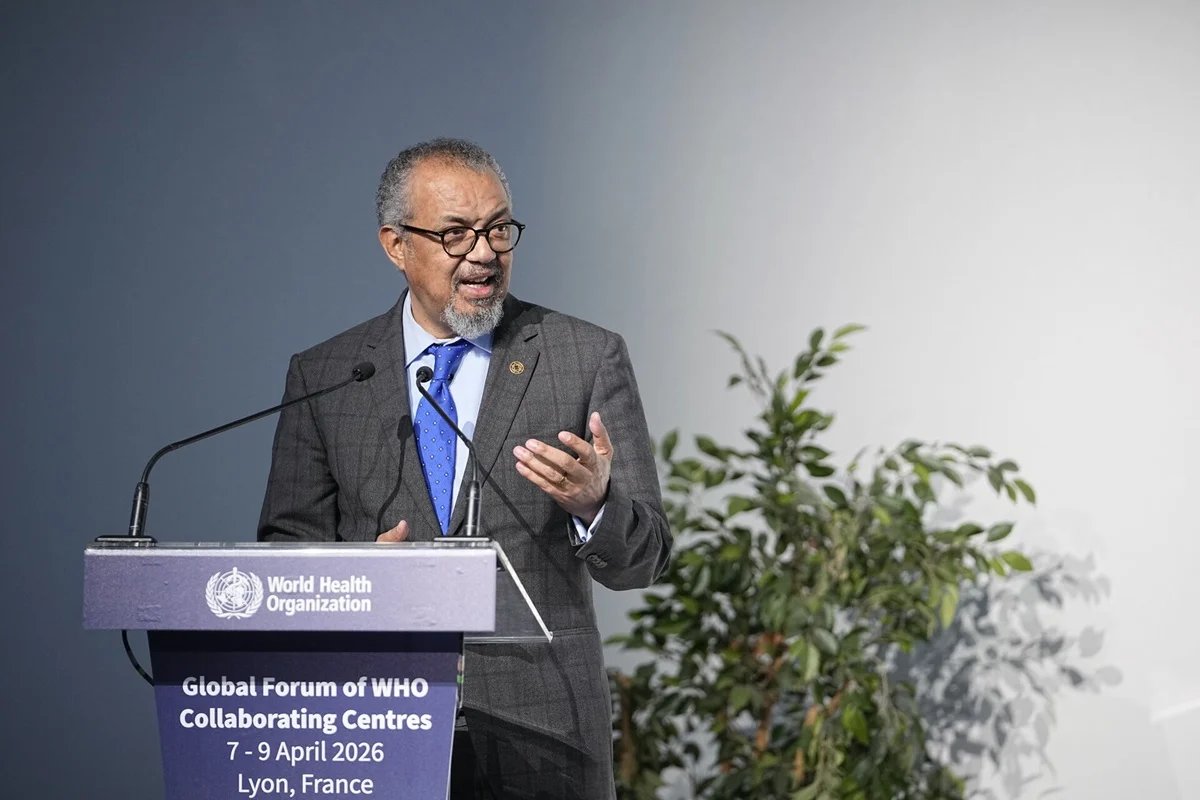
The World Health Organization (WHO) recently concluded its inaugural Global Forum of Collaborating Centres, a landmark event that brought together an unprecedented assembly of over 800 institutions from more than 80 countries. This gathering represented the convergence of one of the world’s largest and most diverse public health networks, signaling a renewed commitment to collaborative science and integrated partnerships in an increasingly complex global health landscape. The forum served as a critical platform for scientists and public health leaders to address the multifaceted health threats emerging in a fragmented world, emphasizing not only the urgent need for concerted action but also the burgeoning opportunities to mobilize collective efforts toward innovative health solutions.
The Genesis of Global Scientific Synergy: A Historic Convening
This pioneering forum underscored the indispensable role of the WHO Collaborating Centres (CCs) network, which has quietly yet profoundly bolstered the Organization’s scientific foundations since its inception. Rooted in one of WHO’s core constitutional functions, the network’s establishment dates back to a pivotal decision by the Second World Health Assembly in 1949. At that time, it was affirmed that the WHO would advance health research not by establishing its own centralized institutions but by strategically coordinating, supporting, and leveraging the vast existing expertise distributed across the globe. This foresight laid the groundwork for a decentralized yet powerful global scientific infrastructure.
Over the ensuing 77 years, the WHO CC network has undergone remarkable expansion, evolving to encompass many of the world’s preeminent public health, academic, research, and technical institutions. These centers, designated by the WHO, function as an extension of the Organization’s technical arm, providing crucial support in areas ranging from disease surveillance and laboratory diagnostics to health policy development, training, and the establishment of international norms and standards. Their work is pivotal in translating cutting-edge scientific knowledge into actionable, life-saving interventions worldwide, thereby strengthening health systems and protecting vulnerable populations. The sheer scale of the network – over 800 institutions in more than 80 countries – represents an unparalleled concentration of specialized knowledge and operational capacity, forming a vital asset in the global health ecosystem.
Navigating a Complex Global Health Landscape
The timing of this historic forum could not have been more critical. Participants highlighted a spectrum of health threats exacerbated by the current fragmented global environment. These challenges span beyond traditional infectious diseases to include the growing burden of non-communicable diseases, the escalating impact of climate change on health, the persistent threat of antimicrobial resistance, and the health implications of geopolitical instability and mass displacement. The interconnectedness of these issues necessitates a ‘One Health’ approach, recognizing that human health is intrinsically linked to animal health and the health of our shared environment. The forum’s discussions underscored that no single nation or institution can effectively tackle these complex, cross-border challenges in isolation.
The "fragmented world" context refers to a landscape characterized by geopolitical tensions, economic disparities, and, at times, a retreat from multilateralism. Such fragmentation can hinder information sharing, impede coordinated responses to outbreaks, and divert resources from essential public health initiatives. In this environment, the WHO CC network stands as a beacon of international cooperation, demonstrating the enduring power of scientific solidarity in bridging divides and fostering a shared agenda for health. The forum provided an opportunity to reaffirm that despite global fragmentation, the scientific community remains united in its mission to safeguard public health, emphasizing that collective action is not merely desirable but absolutely indispensable.
The Power of Partnership: Strengthening WHO’s Global Mandate
The forum concluded with a palpable sense of renewed commitment across the extensive network, signaling a strategic shift. While rigid scientific projects remain important, there is a clear move towards fostering more dynamic and integrated partnerships. This evolution reflects an understanding that agile, multidisciplinary collaboration is essential to address rapidly evolving health threats. The WHO Director-General, Dr. Tedros Adhanom Ghebreyesus, articulated the immense value of this network, stating, "WHO’s network of collaborating centres is an immensely valuable but under-utilized resource for global health. It brings together the world’s leading institutions to translate evidence into action to support countries, strengthen health systems, and protect populations. Collaborating centres are a powerful demonstration of international cooperation, and what it means to stand with science." His remarks highlighted the network’s potential as a force multiplier for WHO’s normative and technical guidance, ensuring that global health policies are informed by the best available scientific evidence and tailored to local contexts through the CCs’ regional expertise.
The practical impact of CCs is far-reaching. For example, a Collaborating Centre specializing in influenza might contribute to global surveillance efforts, identify emerging viral strains, and provide critical data for vaccine development. Another CC focused on water and sanitation might develop new guidelines for safe drinking water or provide training to public health officials in developing countries. These contributions collectively bolster WHO’s capacity to respond to health emergencies, provide technical assistance, and drive progress towards the Sustainable Development Goals related to health.
Strategic Alignment and Broader Initiatives
The significance of the Global Forum was further amplified by its strategic alignment with broader international initiatives. It leveraged the momentum generated by the international One Health Summit, an event that convenes leaders and experts from human, animal, and environmental health disciplines to promote integrated approaches to health challenges. This synergy underscores the comprehensive vision guiding the WHO’s current strategic priorities. Furthermore, the forum was a central event of the World Health Day 2026 campaign, which is themed "Together for health. Stand with science." This theme perfectly encapsulates the spirit of the forum, emphasizing unity, evidence-based action, and the unwavering belief in scientific principles as the bedrock of public health progress.
Dr. Sylvie Briand, WHO Chief Scientist, eloquently articulated this conviction: "Science is at the heart of everything we do to protect and improve health. The global network of WHO collaborating centres represents an extraordinary concentration of scientific expertise and public health leadership. Together, they form a powerful force for knowledge, innovation, and action. At a time of growing global health challenges, this spirit of trusted scientific collaboration is not only valuable – it is indispensable to protecting lives and shaping a healthier future for all." Her statement reinforces the idea that scientific collaboration is not a luxury but a fundamental necessity for navigating the complexities of global health in the 21st century.
Pioneering the Future: The CORC Initiative and Disease X
A key initiative unveiled and championed at the forum is the expansion of WHO’s global community of CCs through the creation of the Collaborative Open Research Consortia (CORC). CORC represents a cutting-edge approach to scientific collaboration, establishing networks of leading research institutions that bring together thousands of scientists worldwide. Their mission is both bold and essential: to accelerate the development of vaccines, diagnostics, and treatments for "Disease X."
Disease X is not a specific pathogen but a placeholder term used by the WHO to represent an unknown pathogen that could potentially spark the next global pandemic. The concept of Disease X acknowledges the constant threat posed by novel infectious agents and aims to foster proactive research and development, ensuring global scientific readiness for such an event. The CORC initiative is designed to build this scientific readiness by fostering rapid information sharing, coordinated research protocols, and efficient resource allocation among a vast network of experts. By joining forces through CORC, these networks aim to significantly reduce the time it takes to identify, understand, and develop countermeasures for emerging threats, thereby enhancing the world’s collective ability to respond effectively when the moment of the next pandemic arrives. This forward-looking strategy is critical in an era where pandemics are becoming more frequent and impactful, demanding an unprecedented level of preparedness and agility from the global health community.
The Economic Imperative: Addressing Global Health Financing Challenges
A crucial topic of discussion among the Global Forum participants was the enduring importance of strong international cooperation, particularly in the face of reductions in global health financing. The forum served as a powerful reminder that coordinated global responses, collective investment, and sustained collaboration are not merely beneficial but absolutely critical in preventing local health crises from escalating into global emergencies. Recent global health events, such as the COVID-19 pandemic, vividly illustrated the immense economic and social costs of inadequate preparedness and fragmented responses. The estimated global economic cost of the COVID-19 pandemic, for example, ran into trillions of dollars, far outweighing any potential investments in preparedness.
The discussions highlighted that despite these lessons, global health funding remains precarious. The participants emphasized the need for innovative financing mechanisms and a renewed commitment from governments and philanthropic organizations to invest in public health infrastructure and research. The CC network, by leveraging existing expertise and infrastructure, offers a cost-effective model for maximizing the impact of available resources. Its ability to facilitate knowledge transfer, build local capacity, and implement evidence-based interventions makes it an invaluable asset in a resource-constrained environment, demonstrating that strategic collaboration can yield significant returns on investment in terms of health outcomes and global security.
A Renewed Commitment and a Vision for 2027
The conclusion of the first Global Forum of Collaborating Centres marked a significant milestone, solidifying the network’s role as a cornerstone of global public health. The renewed sense of commitment among the participating institutions signals a vibrant future for collaborative science under the WHO’s stewardship. This commitment extends beyond individual projects, aiming for a more integrated and responsive global scientific community.
Looking ahead, the WHO has announced that the next Global Forum will be held in 2027. This decision underscores the Organization’s dedication to strengthening this historic collaborative platform, fostering continuous dialogue, and adapting the network’s strategies to meet evolving global health challenges. The interval between forums will allow for the implementation of new initiatives, the evaluation of progress, and the further integration of the CORC model into the broader CC framework. The ongoing engagement and strategic planning facilitated by these forums are essential for ensuring that the WHO Collaborating Centres network remains a dynamic, responsive, and indispensable force in shaping a healthier, more resilient future for all. The commitment to reconvene reinforces the long-term vision for a unified global scientific front against present and future health threats.