


After three years of relentless conflict, Sudan has tragically emerged as the epicenter of the world’s most severe humanitarian crisis, with an staggering 34 million people, representing over half of the nation’s population, in urgent need of life-saving assistance. The health sector bears the brunt of this catastrophe, leaving an estimated 21 million individuals without access to essential health services, a situation exacerbated by incessant attacks that have systematically dismantled a medical infrastructure already vulnerable to the twin scourges of disease and hunger. While isolated improvements may be observed in certain states, the overall health crisis is spiraling into an even deeper abyss in regions where active fighting persists, leading to a dramatic surge in disease outbreaks and malnutrition, while access to critical health services dwindles and vital funding falls critically short.
Dr. Tedros Adhanom Ghebreyesus, Director-General of the World Health Organization (WHO), starkly underscored the profound human cost of the conflict. "The war in Sudan is devastating lives and denying people their most basic rights, including health, water, food, and safety," Dr. Tedros stated. "The health system has been crippled, leaving millions without essential health care. Doctors and health workers can save lives, but they must have safe places to work and the medicines and supplies they need. Ultimately, the best medicine is peace." His words resonate as a powerful appeal for an end to hostilities and a recognition of the fundamental link between peace and public health.
The Deepening Health Catastrophe: Malnutrition and Disease on the Rise
The conflict’s ripple effects have pushed millions to the brink of survival, with malnutrition reaching alarming levels. According to an IPC Alert issued on 5 February 2026, over 4 million people are estimated to be acutely malnourished, rendering them exceptionally vulnerable to medical complications and a wide array of diseases. This figure highlights a projected crisis of severe food insecurity, impacting children, pregnant and lactating women, and the elderly with particular ferocity. Acute malnutrition weakens the immune system, making individuals far more susceptible to infectious diseases and decreasing their chances of recovery.
Disease outbreaks have become a pervasive and deadly feature of the Sudanese landscape. Across numerous states, including Al Jazirah, Darfur, Gedaref, Khartoum, Kordofan, River Nile, and White Nile, reports confirm widespread incidences of malaria, dengue, measles, polio (cVDPV2), hepatitis E, meningitis, and diphtheria. These diseases, often preventable and treatable under normal circumstances, thrive in conditions of displacement, overcrowding, poor sanitation, and collapsed health services. The resurgence of polio, specifically circulating vaccine-derived poliovirus type 2 (cVDPV2), is particularly concerning, signifying a severe breakdown in routine immunization programs and posing a threat to regional eradication efforts. The lack of clean water and adequate sanitation facilities further fuels the spread of waterborne diseases like cholera and hepatitis E, creating a vicious cycle of illness and suffering.
A System Under Siege: Attacks on Healthcare and Infrastructure Devastation
The healthcare system in Sudan has not merely been neglected; it has been systematically targeted and destroyed. Across all 18 states, a staggering 37% of health facilities are non-functional. This widespread incapacitation stems directly from repeated attacks on hospitals, clinics, ambulances, patients, and dedicated health workers. Such assaults constitute grave violations of international humanitarian law, yet they have become a tragic norm in Sudan, severely restricting access to medical care, particularly in conflict-affected zones. In these areas, hospitals are either partially operational, struggling with minimal resources and staff, or have been forced to close entirely due to structural damage, destruction of vital equipment, and the constant threat of violence.
Since the conflict erupted on 15 April 2023, the WHO has meticulously verified 217 attacks on healthcare facilities and personnel. These deliberate acts of violence have resulted in a devastating toll of 2052 deaths and 810 injuries, figures that underscore the extreme dangers faced by those seeking or providing medical assistance. Each attack not only claims lives but also erodes the remaining capacity of the health system, leaving communities without any medical recourse. The psychological impact on surviving health workers, who risk their lives daily, is immense, leading to burnout and further departures from a country desperately in need of their skills.
A particularly grim example of this systematic destruction is the recent attack on El Daein Teaching Hospital in East Darfur. This assault further compounded an already dire crisis, resulting in at least 64 deaths, including innocent children and dedicated health workers. The attack rendered the hospital completely non-functional, stripping hundreds of thousands of people across East Darfur of access to what was once a critical referral hospital. Such incidents are not isolated but reflect a broader pattern of disregard for humanitarian principles and the sanctity of medical care.
Background to the Conflict: Three Years of Turmoil
The current humanitarian crisis is rooted in a power struggle that erupted into full-scale conflict on 15 April 2023. The fighting primarily involves the Sudanese Armed Forces (SAF), led by General Abdel Fattah al-Burhan, and the Rapid Support Forces (RSF), a powerful paramilitary group commanded by General Mohamed Hamdan Dagalo, widely known as Hemedti. This conflict followed months of escalating tensions and a breakdown in negotiations over the integration of the RSF into the regular army, a key component of a transition plan towards civilian rule after the 2019 overthrow of long-time dictator Omar al-Bashir.
The initial clashes in the capital Khartoum quickly spread to other parts of the country, particularly the Darfur region, which has a long history of conflict and ethnic tensions. The immediate consequence was widespread displacement, with millions forced to flee their homes, either internally within Sudan or seeking refuge in neighboring countries such like Chad, South Sudan, Egypt, and Ethiopia. The urban warfare in Khartoum decimated infrastructure, including essential services like water, electricity, and telecommunications, and significantly hampered humanitarian access from the outset. Over the past three years, ceasefires have been repeatedly violated, and diplomatic efforts to broker a lasting peace have largely failed, perpetuating a cycle of violence and suffering. The conflict has also exacerbated existing ethnic divisions, particularly in Darfur, leading to renewed reports of widespread atrocities and human rights abuses.
Humanitarian Response and Persistent Challenges
Despite the immense challenges, the WHO has remained on the ground since the very beginning of the conflict, deploying resources for supplies, disease surveillance, training, and coordination. Dr. Shible Sahbani, WHO Representative to Sudan, affirmed the organization’s commitment: "As access to some areas opens up, we are stepping up efforts to support early recovery and rehabilitation of the health system alongside the humanitarian response." This dual approach acknowledges both the immediate emergency needs and the long-term imperative of rebuilding shattered infrastructure.
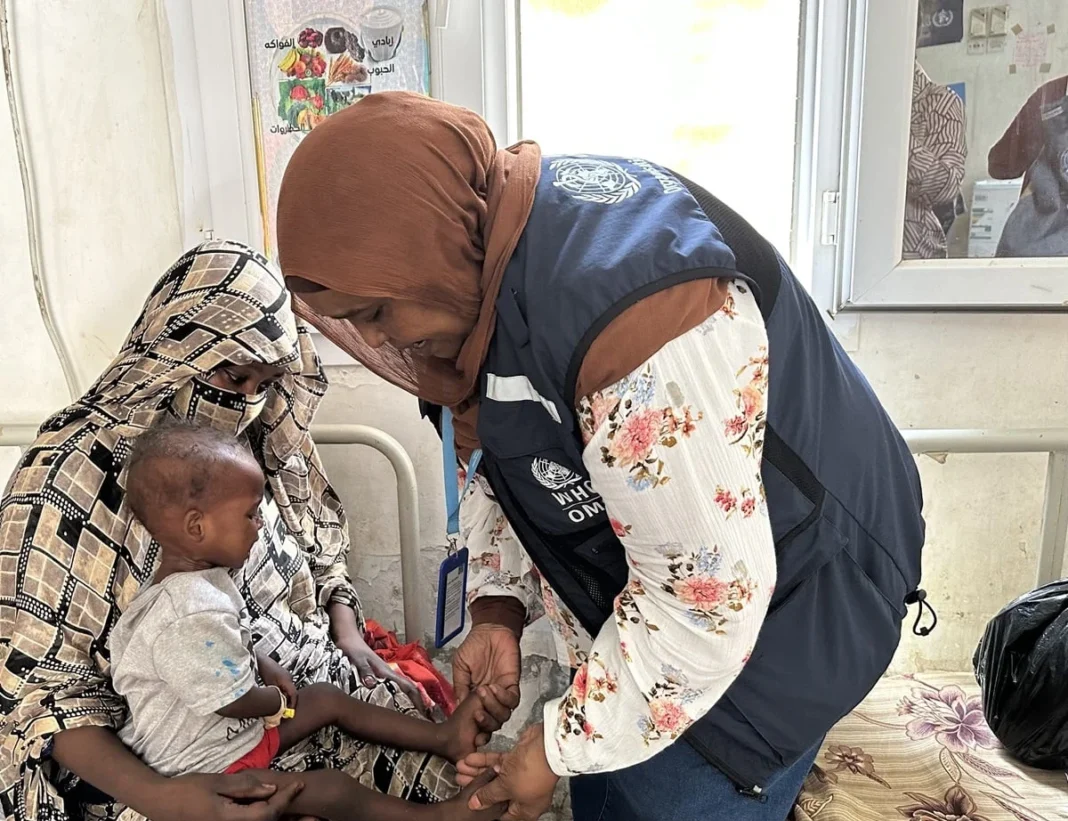
The WHO’s actions have been multi-faceted, focusing on critical areas. The organization has been instrumental in supporting the supply chain for essential medicines, medical supplies, and equipment, a daunting task given the logistical hurdles and security risks. Efforts have also been directed towards strengthening the health workforce through training and capacity building, and restoring key public health services, including vital state and national reference laboratories. Since April 2023, WHO has successfully delivered over 3300 metric tons of medicines and medical supplies, including specialized provisions for cholera, malaria, nutrition, and trauma care, reaching some of the most vulnerable populations.
Through WHO-supported services, more than 4.1 million people have received essential health care via primary health care centers, mobile clinics, and operational hospitals. The organization has also played a crucial role in treating over 118,000 children suffering from complicated severe acute malnutrition, a testament to the scale of the nutritional crisis. Furthermore, extensive vaccination campaigns have been implemented, reaching more than 46 million children and adults with vital cholera, polio, diphtheria, measles, and rubella vaccines. A significant milestone was the introduction of malaria vaccines, making Sudan the first country in the region to incorporate them into its routine immunization program, a proactive measure against one of the leading causes of morbidity and mortality.
The WHO, in close collaboration with the Federal and State Ministries of Health and various partners, has also been pivotal in containing two cholera outbreaks. The most recent outbreak was officially declared over in March 2026, following a sustained and comprehensive response lasting over a year, which included extensive oral cholera vaccination campaigns reaching an impressive 24.5 million people. This success highlights the effectiveness of coordinated public health interventions even amidst conflict, provided resources and access are maintained. The WHO acknowledges the indispensable financial support of donors and development partners, whose generosity has been crucial for the provision of medical supplies, equipment, operational support, and technical assistance.
Voices from the Frontlines: Appeals for Action
Dr. Hanan Balkhy, WHO Regional Director for the Eastern Mediterranean, reiterated the gravity of the situation: "Three years in conflict have turned Sudan into the world’s largest ongoing health crisis, where disease is spreading, malnutrition is rising, and access to health care is rapidly declining. With millions lacking basic medical care, facing hunger, and at risk of disease, Sudan’s health crisis continues to deepen, emphasizing the urgent need for humanitarian support and long-term solutions. We remain committed to the people of Sudan." Her statement underscores the systemic collapse and the desperate need for sustained, comprehensive interventions beyond immediate emergency aid.
Beyond WHO, other humanitarian organizations operating in Sudan have consistently echoed these appeals. Doctors Without Borders (MSF) has repeatedly called for unimpeded access to conflict zones and the protection of medical facilities, often highlighting the severe limitations they face in reaching those most in need. The International Committee of the Red Cross (ICRC) has emphasized the critical importance of respecting international humanitarian law and safeguarding healthcare infrastructure and personnel from attacks. Agencies like UNICEF have specifically raised alarms about the devastating impact on children, who are disproportionately affected by malnutrition, disease, and the psychological trauma of war. Their collective voices underscore a unified message: the crisis in Sudan demands an urgent, coordinated, and well-funded international response.
Broader Implications and Regional Instability
The humanitarian crisis in Sudan extends far beyond its borders, posing significant implications for regional stability. The massive displacement of populations has strained the resources of neighboring countries, many of which are already grappling with their own internal challenges and limited capacities. This influx of refugees creates new humanitarian needs and can potentially destabilize fragile border regions, exacerbating existing tensions.
Furthermore, a prolonged state of instability in Sudan risks creating a vacuum that could be exploited by various armed groups, further complicating efforts to achieve peace and security in the wider Horn of Africa. The breakdown of governance and the proliferation of arms threaten to fuel protracted conflicts and cross-border illicit activities. The long-term impact on Sudan itself is catastrophic; a generation of children is being deprived of education and healthcare, hindering any future prospects for development and recovery. The destruction of infrastructure, the loss of human capital, and the erosion of social cohesion will take decades to mend, even if peace were to be achieved today.
The Path Forward: Calls for Peace and Unrestricted Aid
The WHO reiterates its unwavering commitment to the health of everyone, everywhere in Sudan. To translate this commitment into tangible results, the organization issues a tripartite call to action: unrestricted and safe access to all areas of Sudan for humanitarian aid, robust protection for healthcare facilities and workers, and sustained humanitarian and long-term funding. Without these fundamental conditions, the ability of humanitarian agencies to deliver life-saving assistance remains severely compromised.
The ultimate solution, however, remains elusive yet imperative: peace. "Peace is long overdue for Sudan. Without peace, health cannot be attained," the WHO concludes. This powerful statement encapsulates the profound truth that medical interventions, however comprehensive, can only mitigate symptoms in the absence of a political resolution. A lasting ceasefire, genuine dialogue between the warring factions, and a commitment to a civilian-led transitional government are not merely political objectives; they are the prerequisites for restoring health, dignity, and a future to the millions of Sudanese people caught in the throes of this devastating conflict. The international community must redouble its diplomatic efforts and apply concerted pressure to bring an end to the violence, enabling the monumental task of healing and rebuilding to finally begin.
Editor’s note: Editorial changes were made to this news release on 15 April 2026. The substance of the release, including numbers, has not changed.