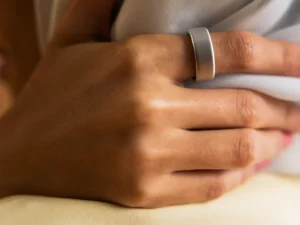




In a landmark move for the health technology sector, Oura, the Finnish pioneer in smart ring technology, officially announced its expansion into four major global regions in early 2026. This strategic rollout marks a significant milestone in the company’s mission to democratize personal health data, bringing the Oura Ring 4 and its suite of biometric tracking capabilities to consumers in Australia, New Zealand, India, Mexico, and the United Arab Emirates (UAE). By establishing a physical and digital presence in these diverse markets, Oura is positioning itself as a dominant player in the increasingly competitive wearable technology landscape, leveraging localized data science to cater to the unique lifestyle and recovery patterns of various global populations.
The expansion is not merely a logistical achievement but a data-driven initiative. To coincide with these launches, Oura’s Data Science team conducted an extensive analysis of de-identified member data to produce "State of Sleep" reports for each new region. These reports provide a granular look at how environmental factors, cultural habits, and regional lifestyles influence rest and recovery. The 2026 launch represents a pivot toward hyper-localization in the wearable space, where hardware is supplemented by regional insights that help users contextualize their health metrics against national averages.
Technological Foundation: The Introduction of Oura Ring 4
Central to this global expansion is the Oura Ring 4 and the Oura Ring 4 Ceramic. As the latest iterations of the company’s flagship product, these devices represent the pinnacle of miniaturized sensing technology. Unlike traditional wrist-based wearables, the Oura Ring utilizes the finger’s arterial pulse to gather data, which the company claims offers a more accurate reading of heart rate, blood oxygen levels, and sleep stages.
The Oura Ring 4 features a redesigned interior with recessed sensors, improving comfort for long-term wear while maintaining high-fidelity data collection. The device’s battery life, now extending up to eight days on a single charge, addresses a primary pain point for wearable users. By launching this specific hardware in the four new regions, Oura is ensuring that new members have access to the most sophisticated version of its "Smart Sensing" platform, which adapts to the wearer’s finger for consistent accuracy.
Australia and New Zealand: Analyzing the World’s Early Risers
The launch in the Australia and New Zealand (ANZ) region was marked by a high-profile "Sleep Studio" event held at the Centennial Homestead in Sydney. This immersive experience was designed to bridge the gap between ancient wellness practices and modern technology. Attendees, including journalists and health influencers, participated in soundbaths featuring traditional didgeridoos and tea-blending workshops, emphasizing Oura’s focus on holistic recovery.
Data gathered from the ANZ region suggests that Australians and New Zealanders are among the world’s most disciplined "early risers." The State of Sleep report for this region highlights a population that prioritizes morning activity, likely influenced by the region’s strong outdoor culture and favorable climate. However, the data also suggests that while ANZ members wake up early, they often struggle with "social jetlag"—a discrepancy between their internal biological clocks and their social or work schedules during the weekend.
In terms of availability, Oura has secured significant retail partnerships to ensure broad accessibility. In Australia, the ring is available through major electronics retailers JB Hi-Fi and Harvey Norman. In New Zealand, Noel Leeming serves as the primary retail partner. These partnerships allow consumers to interact with the hardware in person, a critical factor in the jewelry-adjacent smart ring market where sizing and aesthetics are paramount.

India: Navigating the Challenges of a Night-Owl Nation
India represents one of Oura’s most significant growth opportunities due to its rapidly expanding middle class and tech-forward consumer base. The entry into the Indian market was facilitated through a partnership with Croma, a leading electronics retailer under the Tata Group, and Amazon. This dual-channel approach—utilizing over 100 physical Croma stores alongside Amazon’s robust logistics network—ensures that the Oura Ring 4 can reach urban centers across the subcontinent.
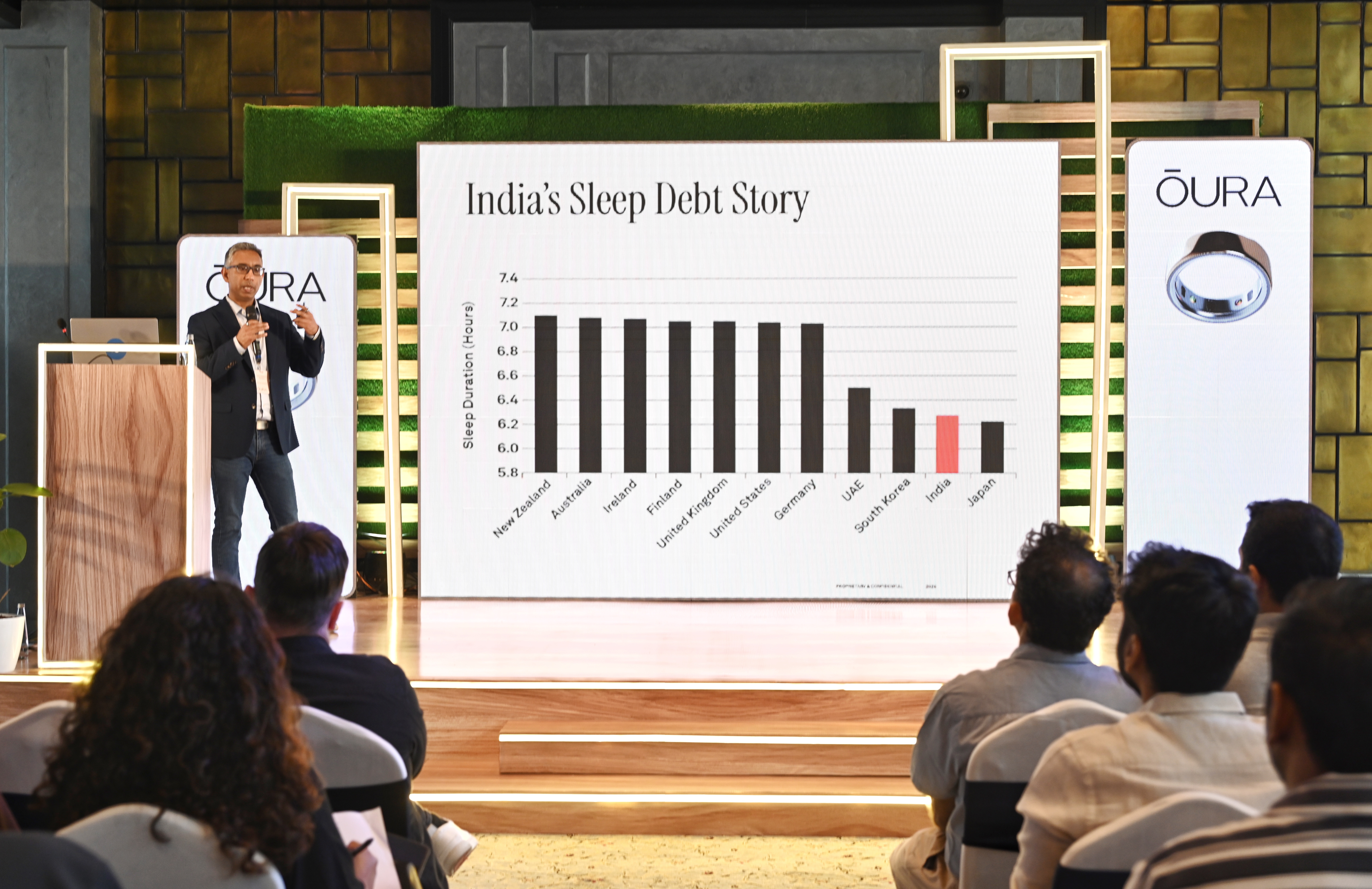
The State of Sleep report for India revealed a stark contrast to the ANZ findings. India is characterized as a "Night-Owl Nation," with data indicating significantly later bedtimes compared to the global average. This trend is often attributed to the high-pressure professional environments in India’s tech hubs and the cultural prevalence of late-evening social gatherings. Oura’s entry into India is timed to address a growing awareness of sleep hygiene and metabolic health in the country, where lifestyle-related health challenges are on the rise. Analysts suggest that Oura’s focus on "Readiness" scores and stress tracking will resonate particularly well with India’s high-achieving corporate workforce.
Mexico: High Stress and the Pursuit of Quality Recovery
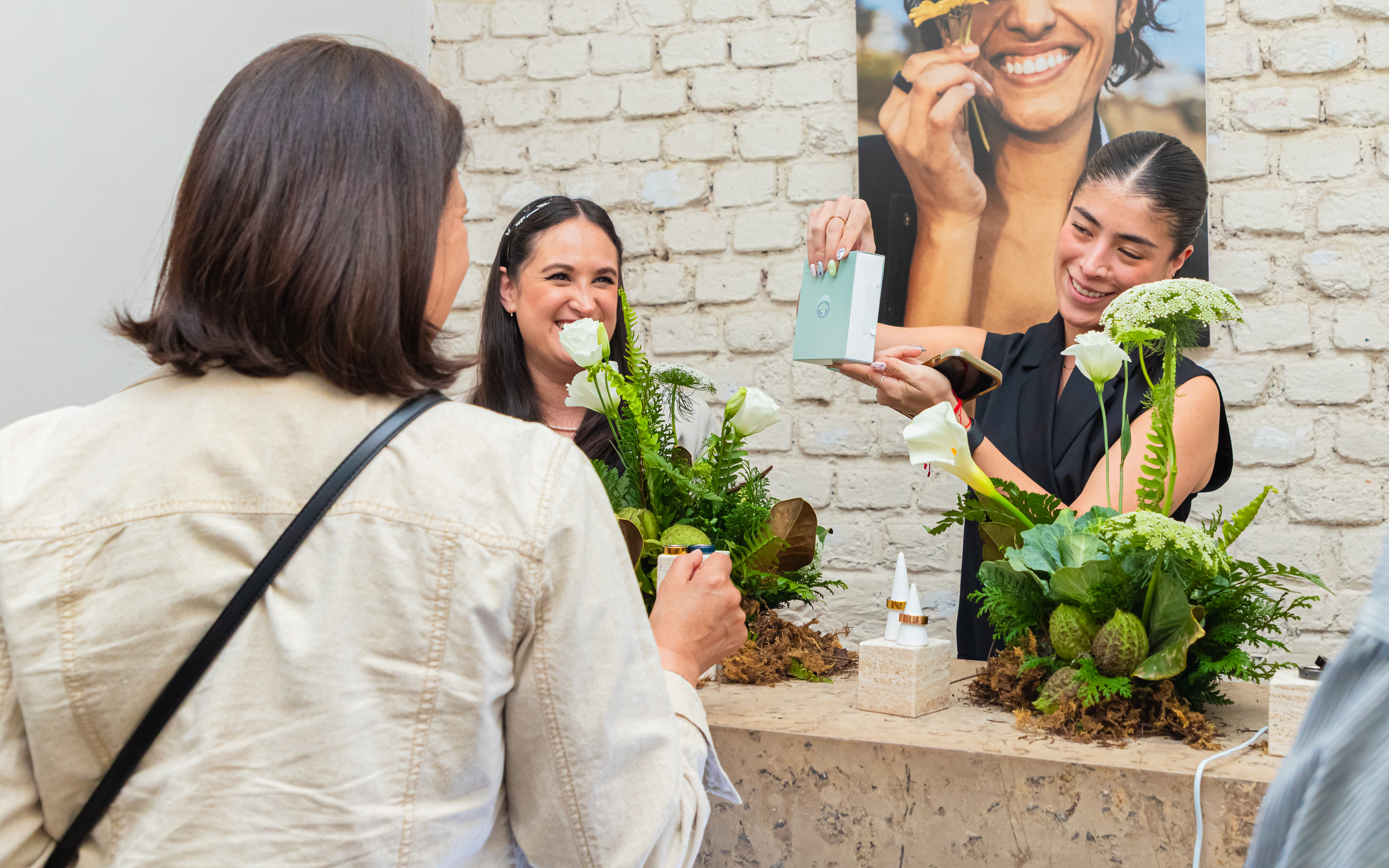
In Latin America, Mexico serves as the cornerstone of Oura’s 2026 expansion strategy. On February 11, the company launched an exclusive partnership with Liverpool, Mexico’s premier department store chain. This exclusivity underscores a premium positioning strategy, placing the Oura Ring 4 in a retail environment known for luxury and lifestyle brands.
The launch event in Mexico City focused on the intersection of productivity and wellness. According to Oura’s regional data, Mexican members demonstrate a unique physiological profile: they achieve high-quality sleep when they do rest, but their bodies often remain in a state of high sympathetic nervous system activity (stress) during the day. This "overdrive" suggests that while Mexican users are efficient sleepers, their daily recovery needs are higher than average. By providing real-time stress monitoring, Oura aims to help Mexican members balance their intensive work cultures with necessary physiological "downtime."
United Arab Emirates: Masters of Sleep Efficiency in the Middle East
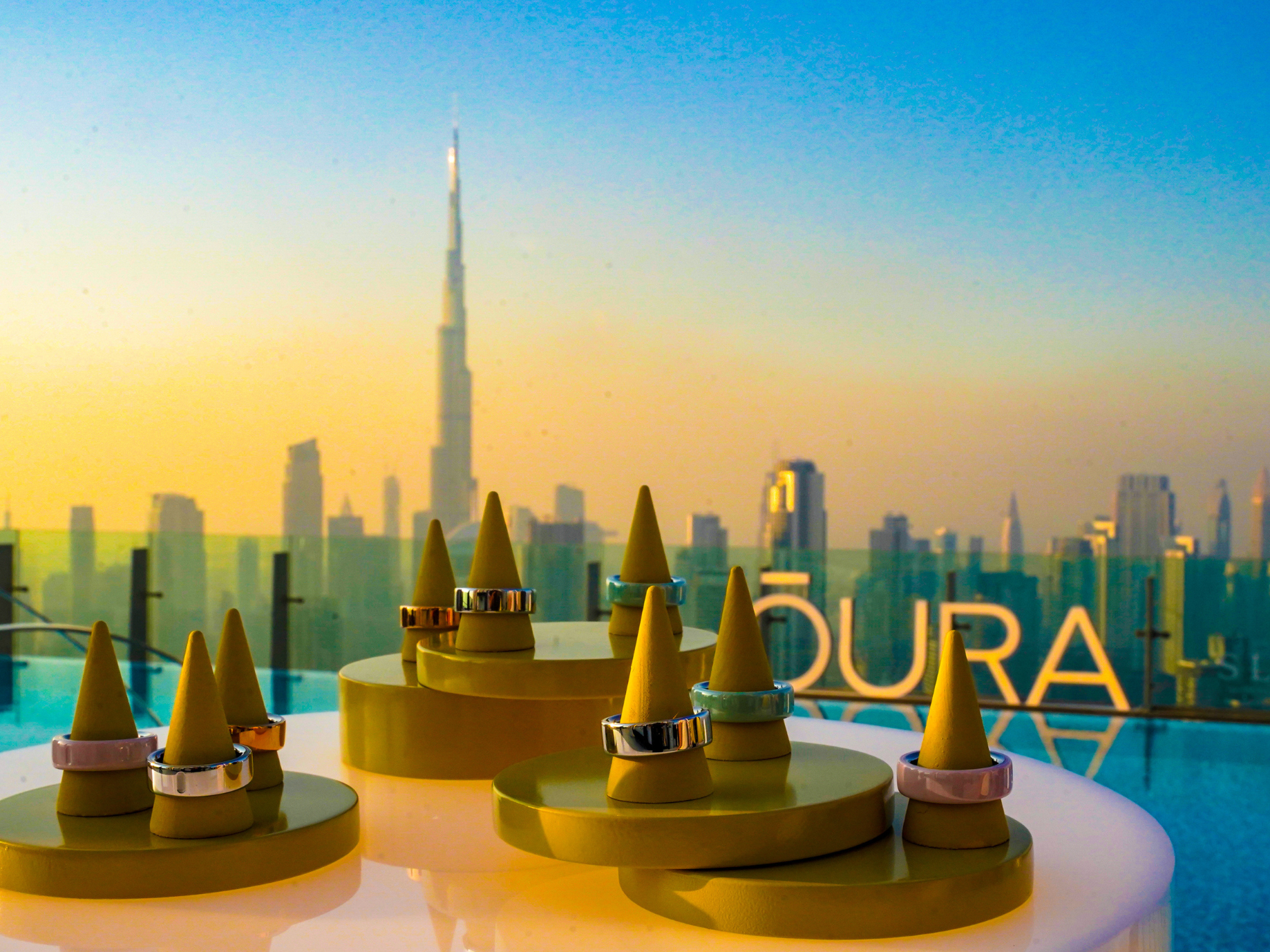
The expansion into the United Arab Emirates was celebrated with an event overlooking the iconic Burj Khalifa in Dubai. Dubbed the "Five Senses of Sleep," the experience featured Oura’s medical advisor and renowned sleep scientist Dr. Rebecca Robbins. The event explored how environmental factors specific to the UAE—such as extreme heat and indoor-centric lifestyles—affect sleep quality.
The State of Sleep report for the UAE highlights a population that excels in "Sleep Efficiency." UAE members tend to spend less total time in bed than their global counterparts, but the time they do spend is highly restorative, with a higher percentage of deep and REM sleep. This suggests a cultural adaptation to the fast-paced, high-energy environment of cities like Dubai and Abu Dhabi. To support this market, Oura has partnered with a wide array of retailers, including Amazon.ae, Go Sport, Virgin Megastore, and Dubai Duty Free, ensuring that both residents and the millions of international travelers passing through the UAE have access to the device.
Chronology of the 2026 Global Rollout
The 2026 expansion was the result of a multi-year planning phase aimed at navigating the regulatory and logistical complexities of four distinct international markets.
- Q4 2025: Oura began finalizing regulatory approvals for medical-grade sensors in India and the UAE.
- February 11, 2026: Official launch in Mexico through the exclusive partnership with Liverpool.
- Early March 2026: Launch in Australia and New Zealand, supported by the Sydney Sleep Studio event.
- Mid-March 2026: Simultaneous rollout in India (via Croma and Amazon) and the UAE (via multiple retail partners).
- Late March 2026: Release of the comprehensive "State of Sleep" global data series, providing the first comparative look at the new regions.
Market Implications and Competitive Landscape
Oura’s expansion comes at a time when the smart ring market is experiencing unprecedented growth. With the entry of major tech conglomerates into the space, Oura’s move to secure dominant retail positions in ANZ, India, Mexico, and the UAE is seen as a defensive and offensive maneuver. By establishing itself as the "science-first" wearable, Oura distinguishes itself from competitors that may focus more on general fitness tracking.
Industry analysts note that Oura’s decision to share regional data is a sophisticated marketing tool. By showing potential members how their neighbors sleep and recover, the company creates a sense of community and local relevance. Furthermore, the emphasis on de-identified, privacy-compliant data addresses growing consumer concerns regarding health data security.
The broader implications of this expansion extend to the field of preventative medicine. As thousands of new members in these regions begin tracking their biometrics, the resulting data could provide public health researchers with invaluable insights into regional health trends. In the UAE and India, specifically, where chronic conditions like diabetes are a significant concern, the ability for individuals to monitor their activity and sleep patterns could play a role in long-term wellness management.
Conclusion and Future Outlook
The 2026 global launch marks a new chapter for Oura, transitioning the company from a niche health-tech firm into a truly global lifestyle brand. By combining high-end hardware like the Oura Ring 4 with localized, actionable data, Oura is not just selling a wearable device; it is offering a personalized roadmap to health.
As the company integrates into the retail ecosystems of Liverpool in Mexico, Croma in India, and JB Hi-Fi in Australia, the focus will likely shift to software localization—offering the Oura App in more languages and tailoring its "AI Advisor" to reflect regional dietary and cultural habits. For now, the successful entry into these four diverse markets signals that the world is ready for a more discreet, data-driven approach to personal health.