


Bodybuilders are revered for their unwavering discipline, sculpted muscularity, and captivating charisma on stage, qualities that prove invaluable when transitioning to the high-stakes world of professional wrestling. The ability to maintain a phenomenal physique while enduring the physical demands and theatricality of a WWE ring is a testament to extraordinary athleticism and adaptability. While many athletes have attempted this crossover, a select few have leveraged their larger-than-life presence from the competitive bodybuilding stage to achieve the ultimate distinction: performing at WrestleMania, professional wrestling’s grandest event. This article delves into the careers of seven bona fide bodybuilders who not only made it to WWE but left an indelible mark on its most iconic show.
The Enduring Synergy: Bodybuilding and Professional Wrestling
The connection between bodybuilding and professional wrestling is deeply rooted in the history of both spectacles. Long before the modern era, strongmen and muscular athletes were a staple of touring carnivals and early wrestling circuits, their impressive physiques a primary draw for audiences. In contemporary professional wrestling, particularly within a global entertainment juggernaut like WWE, a commanding physical presence remains a cornerstone of a wrestler’s appeal. Bodybuilders possess an inherent advantage: they understand how to present their physique, project confidence, and command attention. The rigorous training, strict diets, and mental fortitude required for competitive bodybuilding translate seamlessly into the demanding schedule and physical rigors of a professional wrestling career. However, the transition is far from simple. It demands not only physical prowess but also the acquisition of intricate ring skills, the ability to absorb and deliver impactful maneuvers, and the development of a compelling character that can connect with a mass audience through both verbal performance and physical storytelling. WrestleMania, as WWE’s flagship annual event, serves as the ultimate proving ground, a spectacle of athleticism and entertainment that draws millions of viewers globally, where only the most successful and popular stars are given a spot on the card.
Ultimate Warrior: The Incarnation of Intensity
James Hellwig, known globally as the Ultimate Warrior, set an unprecedented standard for intensity and kinetic energy in the professional wrestling ring. Before he became one of WWE’s most electrifying Superstars, Hellwig first found recognition as a competitive amateur bodybuilder, notably winning the NPC Mr. Georgia title in 1984. The National Physique Committee (NPC) is the largest amateur bodybuilding organization in the United States, providing a direct pipeline to professional ranks, and winning a state title is a significant achievement, demonstrating a high level of dedication and physical development.
Hellwig transitioned to professional wrestling in 1985, initially alongside Steve Borden (later known as Sting), forming a tag team. His unique, high-octane persona and painted face quickly propelled him to superstardom in WWE. His ascent culminated in one of the most iconic moments in WrestleMania history: defeating Hulk Hogan for the WWE Championship at WrestleMania VI in 1990. This "Ultimate Challenge" took place before an astounding crowd of over 60,000 fans at the SkyDome in Toronto, a rare instance where both the WWE Championship and the Intercontinental Championship were on the line in a single match. Warrior’s victory cemented his status as a top-tier main eventer, a feat that underscored the powerful impact a well-conditioned physique combined with a captivating character could have. Tragically, Hellwig passed away in 2014, shortly after being inducted into the WWE Hall of Fame, but his unparalleled aura and legacy continue to resonate within the wrestling world.
Sting: The Enigmatic Icon
Steve Borden, universally recognized as Sting, shared a similar origin story with his early tag team partner, Jim Hellwig. Both men made their professional wrestling debut in 1985 and were scouted for their impressive, sculpted physiques while working out. Borden, like Warrior, was a competitive bodybuilder, a foundation that contributed significantly to his powerful and visually striking presence throughout his illustrious career. He initially wrestled under the name "Flesh" before adopting the iconic "Sting" moniker in 1986.
Sting’s career truly blossomed after signing with World Championship Wrestling (WCW) in 1987, where he swiftly became the promotion’s "franchise" player. His career was marked by significant character evolution, from a vibrant "Surfer Sting" to the dark, enigmatic "Crow Sting," accumulating six WCW World Heavyweight Championships along the way. His unwavering loyalty to WCW and his status as its top star meant he was famously resistant to joining WWE when Vince McMahon acquired WCW in 2001. This created a mystique around a potential WWE debut that lasted for over a decade. When he finally did arrive in WWE, it was a moment of immense anticipation. Sting competed at WrestleMania 31 in 2015, facing off against Triple H in a highly anticipated "Icon vs. Icon" match, marking his long-awaited debut on WWE’s grandest stage, a moment many fans believed would never happen. Though he ultimately lost, his presence at WrestleMania solidified his status as a legend across both major promotions.
Triple H: The Cerebral Assassin
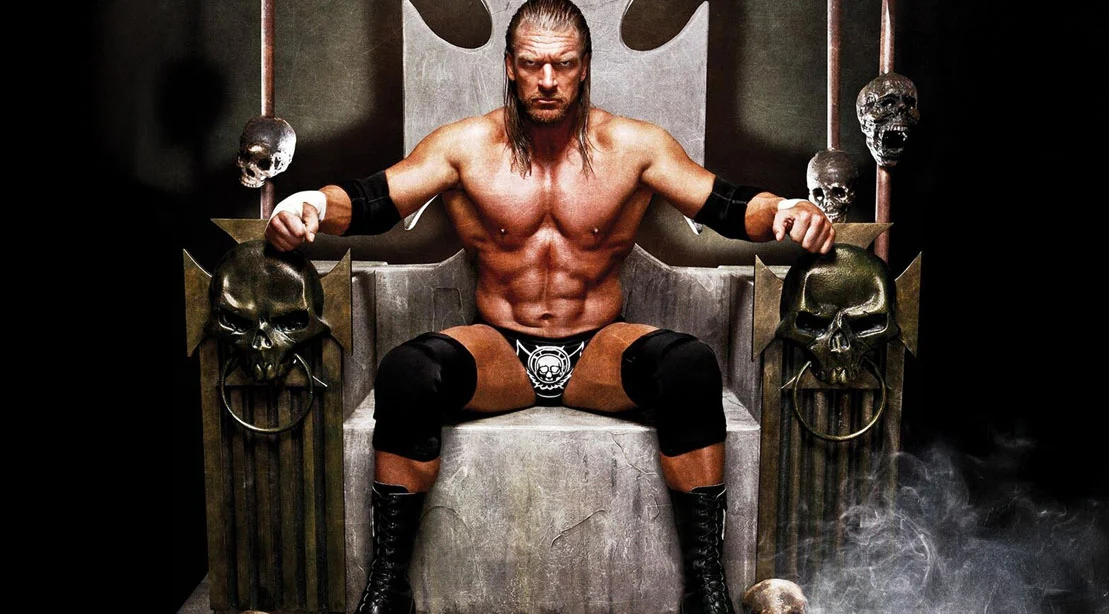
Paul Levesque, known to millions as Triple H, forged his path to wrestling royalty through a foundation of dedicated bodybuilding. His journey began at a young age, inspired by his wrestling heroes, leading him to take up bodybuilding at 14. This early commitment bore fruit when he won the 1988 Mr. Teenage New Hampshire competition at just 19 years old, showcasing an already impressive physique. Winning such a title at a young age in the highly competitive amateur bodybuilding circuit indicates exceptional genetic potential and rigorous training discipline.
Levesque initially wrestled in WCW under the name "Terra Ryzing" before making the pivotal move to WWE in 1995, where he was introduced as "Hunter Hearst Helmsley." His career truly took off when he co-founded the rebellious D-Generation X faction with Shawn Michaels, leading to the adoption of his shortened, iconic moniker, "Triple H." Now retired from active competition, Levesque holds the crucial executive position of WWE’s Chief Content Officer, overseeing all creative aspects of the company. During his unparalleled in-ring career, Triple H was one of the most prolific performers at WrestleMania, participating in numerous main events and high-profile matches. His WrestleMania opponents included legends such as The Undertaker, Randy Orton, Batista, Roman Reigns, and even the aforementioned Ultimate Warrior early in his career. His versatility was further demonstrated in a mixed tag team match alongside his wife, Stephanie McMahon, against Kurt Angle and Ronda Rousey at WrestleMania 34, showcasing his ability to remain relevant and impactful across different eras and match types. His extensive history at the event underscores how his bodybuilding background provided the physical foundation for a career marked by longevity and consistent main event status.
Alexa Bliss: The Pocket Powerhouse
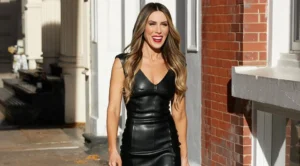
Alexis Kauffman, known in WWE as Alexa Bliss, brought a unique blend of athleticism and competitive spirit from her extensive background in fitness and cheerleading. Before entering the squared circle, Kauffman was a Division I cheerleader at the University of Akron. Her dedication to fitness extended to competitive bodybuilding, where she notably won the 2011 NPC Teen Collegiate Championship in the Bikini division. The Bikini division, while distinct from traditional bodybuilding, emphasizes aesthetic appeal, conditioning, and stage presence, skills directly transferable to professional wrestling. Her competitive success continued with appearances at the prestigious Arnold Classic in both 2012 and 2013, further cementing her credentials in the fitness world.
As Alexa Bliss, she quickly became a fan favorite, transforming her fitness background into a captivating wrestling persona. Her in-ring debut at WrestleMania occurred at WrestleMania 33, participating in a women’s Battle Royal. She continued to make history at the event, winning the WWE Women’s Tag Team Championship with Nikki Cross at WrestleMania 36. Looking ahead to WrestleMania 42 in 2026, Bliss is slated for another shot at the tag team championships, partnering with Charlotte Flair in a fatal-four-way battle, highlighting her enduring relevance and championship pedigree within WWE. Her journey exemplifies how a background in competitive fitness can be a strong springboard for success in professional wrestling, proving that a commanding presence comes in all sizes.
Tony Atlas: The Trailblazer
Tony Atlas, born Anthony White, carved a pioneering path through both the bodybuilding and professional wrestling landscapes. Atlas was not only a champion powerlifter but also achieved significant acclaim in bodybuilding, winning the Pro Mr. USA bodybuilding title through the World Bodybuilding Guild (WBBG) in 1979. While the WBBG was a different organization than the more widely known IFBB/NPC, winning a "Mr. USA" title three times overall, as reported, signifies a truly elite level of physical development and dedication.
In WWE (then WWF), Atlas achieved historical significance as part of the first African-American tag team to win championship gold, holding the Tag Team Titles with Rocky Johnson, who is famously the father of global superstar Dwayne "The Rock" Johnson. This achievement was a landmark moment in wrestling history, breaking barriers and inspiring future generations. Atlas also participated in the memorable Battle Royal at WrestleMania 2 in 1986, a unique event that famously pitted WWE Superstars against National Football League (NFL) combatants, showcasing his strength and crossover appeal. More recently, Atlas has maintained his connection with WWE, appearing on the "Legends House" reality show, a testament to his enduring legacy and respected position within the company. His career trajectory demonstrates how a foundation of immense physical strength and an impressive physique can lead to groundbreaking achievements in professional wrestling.
Dana Brooke: The Fitness Fighter
Ashley Sebera, known in WWE as Dana Brooke, brought an extensive and decorated fitness background to her professional wrestling career. Her competitive journey began in the fitness division, where she competed at the NPC Junior USA Championships in 2012. The fitness division combines bodybuilding-style posing with acrobatic routines, demanding exceptional strength, flexibility, and stage presence. Her success led her to earn her IFBB (International Federation of Bodybuilding and Fitness) Pro card in the same year, a significant achievement that allows athletes to compete at the professional level. Brooke continued to compete at elite events, including the 2017 Arnold Classic, one of the most prestigious multi-sport festivals in the world for strength and physique athletes.
Signing with WWE’s developmental system in 2013, Sebera transformed into Dana Brooke, a character that highlighted her athletic prowess. She remained a fixture in the company for over a decade, demonstrating remarkable longevity and adaptability. During her tenure, she became known for her record-setting 15 reigns as the 24/7 Champion, a unique title known for its unpredictable nature and frequent title changes across various locations. Brooke also made multiple appearances at WrestleMania, participating in the women’s battle royal at WrestleMania 34 and the kick-off show Battle Royal at WrestleMania 35. Her most recent WrestleMania appearance was at WrestleMania 37, where she competed in a Tag Team Turmoil Match, showcasing her continued presence on WWE’s biggest stage. Her career is a prime example of how the discipline and physical conditioning from competitive fitness can be successfully applied to the demanding world of professional wrestling.
John Cena: The Face That Runs the Place
Before becoming one of WWE’s most iconic and successful Superstars, John Cena cultivated a formidable physique through dedicated training and competitive bodybuilding aspirations. Cena earned a degree in science and kinesiology from Springfield College in Massachusetts, a testament to his understanding of human physiology and athletic performance. Following his academic pursuits, he moved to Venice, California, a mecca for bodybuilding, where he took on various odd jobs at the legendary Gold’s Gym. This period was crucial as he actively pursued competitive bodybuilding, developing the powerful physique that would become his trademark.
His connections at Gold’s Gym ultimately opened the door to professional wrestling training, leading him to the Ultimate Pro Wrestling (UPW) promotion, a developmental territory where he adopted the fitting moniker "The Prototype." Cena signed with WWE in 2000, and his career skyrocketed. He evolved from the charismatic "Doctor of Thuganomics" to the embodiment of "Hustle, Loyalty, and Respect," becoming the undisputed face of the company for over a decade. Cena’s unparalleled success saw him capture a record-setting seventeen world titles, tying Ric Flair’s legendary record, a monumental achievement in professional wrestling history. He headlined multiple WrestleManias, delivering countless memorable matches against a who’s who of WWE legends. Though he has transitioned to a highly successful Hollywood career, Cena maintained a part-time wrestling presence. After a final in-ring loss to Gunther in 2025, solidifying his impending retirement as a sure-fire WWE Hall of Famer, Cena is slated to host WrestleMania 42, further cementing his enduring connection to the event. His journey from a competitive bodybuilder to a global entertainment icon perfectly illustrates the potential for crossover success.
The Future of Muscular Spectacle at WrestleMania 42
The journeys of these seven individuals underscore a powerful truth: the discipline, physique, and stage presence cultivated in bodybuilding are incredibly valuable assets in professional wrestling. These athletes didn’t just participate; they excelled, shaping eras and creating unforgettable moments at WrestleMania. Their stories illustrate a symbiotic relationship where bodybuilding provides the raw material of impressive physicality, and professional wrestling offers a grand stage for these physiques to be celebrated and utilized in dramatic storytelling.
As WWE continues to evolve, the appeal of athletes with compelling physiques remains a constant. The tradition of muscularity and athletic prowess will undoubtedly continue to be a draw for fans worldwide. Those eager to witness the culmination of athletic excellence and theatrical spectacle can tune into WrestleMania 42, scheduled for April 18 and 19, 2026. Live from Allegiant Stadium in Las Vegas, this monumental event will be streamed on ESPN in the U.S. and exclusively on Netflix internationally, promising another chapter in the storied history of professional wrestling where strength, charisma, and dedication converge on the grandest stage of them all.