



This startling revelation stems from a comprehensive study involving nearly 2,000 individuals grappling with Irritable Bowel Syndrome (IBS), underscoring the profound and often debilitating impact this gastrointestinal disorder has on quality of life. Further research corroborates the desperation felt by patients, with some indicating a willingness to accept a one percent risk of sudden death from a medication if it guaranteed a permanent cessation of their symptoms. These symptoms, which can include urgent and unpredictable bouts of diarrhea, persistent constipation, severe gas, and excruciating abdominal pain, profoundly disrupt daily living.
The Unseen Burden: A Life Defined by Gastrointestinal Distress
The severity of IBS extends far beyond mere discomfort. Many patients report experiencing abdominal pain that they describe as more intense than childbirth. These acute flare-ups are not just physically agonizing; they have a cascading effect on mental and professional well-being. Concentration is siphoned, sleep patterns are interrupted, and work productivity plummets, creating a cycle of suffering and diminished capacity.
The pervasive nature of IBS compels many sufferers to meticulously plan their lives around the immediate availability of private, clean bathrooms. This constant vigilance, driven by the fear of a sudden and uncontrollable flare-up, leads to significant social isolation. Activities once taken for granted, such as dining out, attending social gatherings, or even exercising in public, become sources of immense anxiety and are often avoided entirely. This pervasive worry has been formally recognized as gastrointestinal-specific anxiety, a condition that infiltrates and negatively impacts social relationships, emotional stability, and overall well-being. It is a critical factor in why individuals with IBS frequently report a significantly lower quality of life compared to those managing other serious chronic conditions, including heart disease, diabetes, and even end-stage kidney disease. This stark comparison highlights the urgent need for greater understanding, effective treatments, and comprehensive support systems for IBS patients.
Evolving Understanding and Management Strategies
Historically, the medical community often dismissed IBS as a purely psychological condition due to the absence of visible physical damage or inflammation in diagnostic imaging. However, this perspective has undergone a significant paradigm shift. Experts now classify IBS as a functional neuro-gastrointestinal disorder. This means the issue lies not in structural damage but in the suboptimal functioning of the complex nerve pathways connecting the gastrointestinal tract and the brain. This dysregulation leads the brain to misinterpret or amplify pain signals and interfere with normal bowel movements, manifesting in the diverse and often unpredictable array of IBS symptoms.
IBS is remarkably prevalent, affecting approximately 14 percent of adults globally, making it the most commonly diagnosed digestive disorder worldwide. Unlike inflammatory bowel diseases (IBD) such as Crohn’s disease or ulcerative colitis, IBS does not involve structural changes or inflammation of the gut lining. Diagnostic imaging and biopsies typically reveal no infections, inflammation, or damage to the bowel wall, which contributed to its historical mischaracterization.
Understanding the Symptoms and Subtypes
The symptoms of IBS are highly variable and episodic, with some individuals experiencing long periods of remission only to be struck by severe flare-ups lasting hours to weeks. This variability also makes diagnosis challenging, as not everyone with IBS experiences the same symptom profile. Common symptoms include:

- Abdominal Pain and Cramping: Often relieved by a bowel movement.
- Stool Irregularities: Ranging from chronic constipation (IBS-C) to frequent diarrhea (IBS-D), or an alternating pattern of both (IBS-M for mixed).
- Excessive Gas and Bloating: Leading to physical discomfort and distension.
- Mucus in Stools: A common but non-alarming symptom.
- Incomplete Bowel Movements: A sensation of not fully emptying the bowels.
Diagnosing IBS typically involves a thorough medical history, physical examination, and the exclusion of other conditions with similar symptoms. The Rome IV criteria are widely used for diagnosis, requiring recurrent abdominal pain on average at least one day per week in the last three months, associated with two or more of the following: related to defecation, associated with a change in frequency of stool, or associated with a change in form (appearance) of stool.
It is crucial for individuals experiencing persistent gastrointestinal symptoms to seek professional medical advice. The symptoms of IBS can overlap with other serious conditions, including inflammatory bowel diseases, celiac disease, certain infections, and even colorectal cancer. A medical professional will perform necessary tests to rule out these conditions, especially if "red flag" symptoms are present, such as:
- Unexplained weight loss
- Rectal bleeding
- Anemia
- Fever
- New onset of symptoms after age 50
- Family history of colon cancer or inflammatory bowel disease
Once other conditions are ruled out, a healthcare professional will determine the specific IBS subtype, which guides treatment recommendations. The primary subtypes are:
- IBS with Constipation (IBS-C): Characterized by hard, lumpy stools for at least 25% of bowel movements, and loose, watery stools for less than 25%.
- IBS with Diarrhea (IBS-D): Characterized by loose, watery stools for at least 25% of bowel movements, and hard, lumpy stools for less than 25%.
- IBS with Mixed Bowel Habits (IBS-M): Characterized by both hard, lumpy stools and loose, watery stools for at least 25% of bowel movements.
- IBS Unclassified (IBS-U): When bowel habits do not fit the criteria for C, D, or M.
Treatment for IBS-D might involve antidiarrheal medications or specific antibiotics, while IBS-C might benefit from fiber supplements, non-habit-forming laxatives, or medications that help regulate bowel movements and reduce pain perception.
The Underlying Mechanisms: A Scientific Perspective
Researchers continue to explore the precise mechanisms behind IBS, with several leading hypotheses:
- Visceral Hypersensitivity: This theory posits that nerve endings in the GI tract of IBS patients are overly sensitive. This can lead to the perception of pain from normal digestive processes that others wouldn’t notice. For example, tiny gas bubbles, typically imperceptible, might cause intense discomfort for someone with IBS.
- Motility Disturbances: Overreactive nerves can cause GI muscles to contract with excessive force, leading to rapid transit, gas, bloating, and diarrhea. Conversely, underactive nerves can result in insufficient muscle contractions, slowing food passage and causing constipation.
- Gut Microbiome Dysbiosis: Disturbances in the balance and diversity of gut bacteria are increasingly implicated. This theory helps explain why some individuals develop IBS symptoms following a severe gastrointestinal infection, such as Norovirus or bacterial gastroenteritis, a condition known as post-infectious IBS.
- Gut-Brain Axis Dysfunction: The central hypothesis tying these elements together is a dysfunction in the bidirectional communication between the gut and the brain. Stress, anxiety, and other psychological factors can influence gut function, and conversely, gut distress can impact mood and cognition.
Preparing for a Medical Appointment: A Proactive Approach
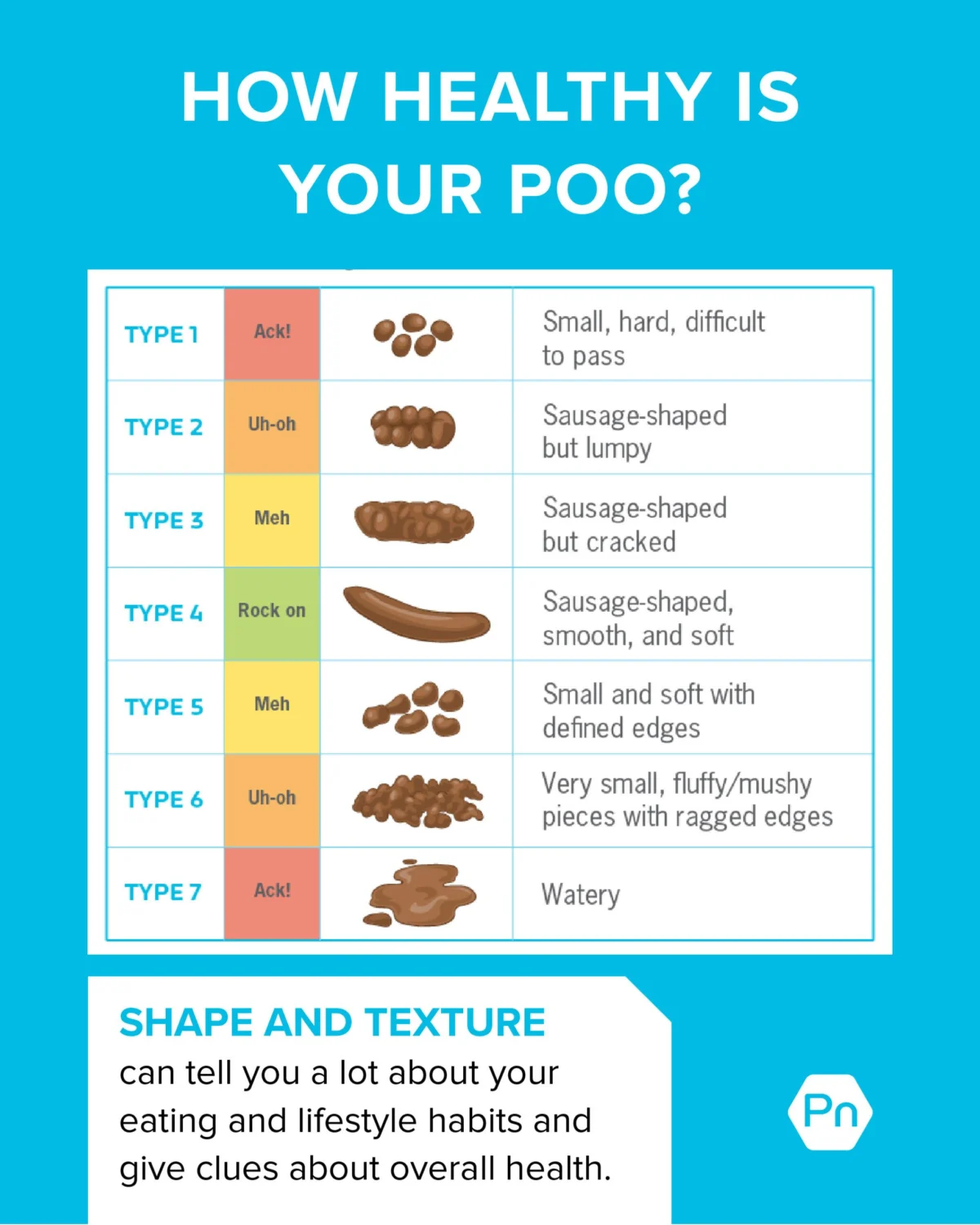
To maximize the effectiveness of a medical consultation, individuals suspected of having IBS should prepare thoroughly. A "poo diary" can be invaluable, tracking the frequency and quality of bowel movements (using tools like the Bristol Stool Chart), along with other symptoms, dietary intake, and stress levels for a few weeks prior. This detailed information provides critical insights for a healthcare professional to assess the condition and determine the appropriate IBS type.
The Bristol Stool Chart: A Visual Diagnostic Aid

The Bristol Stool Chart is a globally recognized medical tool that classifies human feces into seven categories, providing a simple way for patients and doctors to communicate about stool consistency.
- Type 1: Separate hard lumps, like nuts (hard to pass) – indicates severe constipation.
- Type 2: Sausage-shaped, but lumpy – indicates mild constipation.
- Type 3: Sausage-shaped but with cracks on its surface – indicates normal stool.
- Type 4: Sausage or snake-like, smooth and soft – indicates normal stool.
- Type 5: Soft blobs with clear-cut edges (passed easily) – indicates mild diarrhea.
- Type 6: Fluffy pieces with ragged edges, a mushy stool – indicates mild diarrhea.
- Type 7: Entirely liquid, no solid pieces – indicates severe diarrhea.
Individuals with IBS often experience stools corresponding to Types 1, 2, 6, or 7, or a fluctuating combination of these.
Holistic Management: Five Key Strategies for Bowel Health
While recent years have seen the approval of new prescription medicines and even medical devices for IBS, a significant body of research points to the profound impact of lifestyle modifications. Here are five evidence-based strategies that can significantly reduce IBS symptoms and enhance overall health:
-
Embrace Regular Exercise: Physical activity is a powerful modulator of gut health. People with IBS who engage in regular exercise generally report fewer symptoms and flare-ups. Studies, such as one where participants walked moderately for an hour three times a week, showed significant relief from bloating and abdominal pain within 12 weeks. The mechanisms are multifaceted: exercise reduces stress, improves mental health, which in turn enhances gut-brain communication, and may also promote the growth of beneficial gut bacteria, leading to more efficient food breakdown and decreased inflammation.
-
Prioritize Stress Management: The gut-brain axis ensures that stress, anxiety, and depression directly impact gastrointestinal function. Stress hormones like norepinephrine and cortisol can increase gut motility, heighten pain sensitivity, alter gut permeability, and disrupt the microbiome. Since stress cannot simply be "switched off," effective management involves focusing on controllable factors: practicing self-compassion, engaging in nervous system regulators like yoga, deep breathing exercises, mindfulness, and gentle walking. By shifting focus from uncontrollable external stressors to internal responses, individuals can cultivate a greater sense of calm and control.
-
Cultivate a Slower Eating Pace: The simple act of eating slowly and mindfully offers substantial benefits for IBS sufferers. Slower eating encourages more thorough chewing, which mechanically breaks down food and allows digestive enzymes in the mouth to begin the pre-digestion process, easing the workload on the stomach and intestines. Moreover, eating in a relaxed environment reduces stress hormone levels, making it less likely that they will intensify GI pain signals. This strategy is particularly vital for individuals in high-stress environments, such as young parents, who may struggle to find peaceful, undistracted meal times.
-
Troubleshoot Sleep Problems: Sleep is often compromised in IBS patients, who tend to experience shallower, less restorative, and more interrupted sleep patterns. This poor sleep quality can lead to increased overall sleep duration but a persistent feeling of being unrested. Fatigue then perpetuates a vicious cycle: elevated stress hormone levels exacerbate gut pain, and sleep-deprived individuals often experience increased hunger and cravings for high-fat, high-sugar foods, which are common IBS triggers. Addressing sleep involves a holistic approach, building on the first three strategies (exercise, stress management, slower eating) and incorporating relaxing pre-bedtime routines, such as early, lighter dinners, guided meditation, or warm baths.
-
Investigate Dietary Triggers: While there is no universal "IBS diet," specific food categories are frequently problematic. Identifying individual triggers is key. Common culprits include:
- FODMAPs (Fermentable Oligosaccharides, Disaccharides, Monosaccharides, and Polyols): These poorly absorbed carbohydrates ferment in the small intestine, producing gas and attracting water, leading to intense pain, bloating, and altered bowel habits in sensitive individuals. High-FODMAP foods include wheat, rye, barley, onions, garlic, beans, dairy, honey, cashews, and certain fruits and vegetables.
- Caffeinated Beverages and Foods: Especially coffee, which can stimulate stomach acid production, increase colon contractions, and irritate the intestinal lining.
- Alcohol and Spicy Foods: Known gut irritants.
- High Fructose Corn Syrup and Sugar Alcohols (e.g., sorbitol, mannitol): Linked to gas, bloating, and diarrhea.
- Fatty, Greasy Foods: Can slow digestion and attract water, contributing to loose stools, bloating, and gas.
It is crucial to recognize that individual sensitivities vary significantly. An elimination diet, conducted systematically, can help identify specific problematic foods and the quantities that can be safely tolerated.

The Role of Health Coaching within an Integrated Approach
The complexity of IBS underscores the value of an integrated, multidisciplinary approach to care. While medical professionals provide diagnosis and prescription, health coaches play a vital role in supporting clients through the significant lifestyle changes often required. Precision Nutrition-certified coaches, like Sarah Maughan, who specializes in digestive health, empower clients to implement sustainable habits.
Scope of Practice for Health Coaches: Coaches can guide clients through lifestyle adjustments, including elimination diets, and help them understand the connection between their habits and symptoms. They can offer practical tools, recipes, and strategies for stress and sleep management. Crucially, coaches must operate within their scope of practice: they cannot diagnose IBS, prescribe diets as a cure, or contradict medical advice. Instead, they encourage clients to seek medical diagnosis and work collaboratively with their healthcare team.
Elimination Diets for IBS: A Scientific Experiment
Elimination diets are structured protocols designed to identify food sensitivities. They involve removing suspect foods for a short period (typically three weeks), followed by a systematic reintroduction phase to monitor for symptom recurrence. These diets function as personalized scientific experiments.
- "Lite" Elimination Diet: Ideal for those with a strong suspicion of specific triggers. Up to four suspected foods are eliminated and then reintroduced one by one.
- "Medium" Precision Nutrition Elimination Diet: A more comprehensive, yet balanced, approach that removes many common problematic foods while ensuring nutritional adequacy with a wide variety of permitted vegetables, fruits, starches, legumes, nuts, seeds, and meats.
- The Low-FODMAP Diet: Developed by Monash University researchers, this is a highly specialized medical nutrition therapy. Due to its complexity and the non-intuitive nature of FODMAP-rich foods, it is strongly recommended that this diet be undertaken with the guidance of a FODMAP-certified practitioner or using specialized tools like the Monash University FODMAP Diet app.
The Transformative Power of Knowledge and Choice
The journey with IBS can feel overwhelming, but obtaining knowledge about one’s body and triggers is the first step towards empowerment. As Maughan emphasizes, "With knowledge, you have choices." Understanding which foods contribute to symptoms doesn’t necessitate rigid, permanent exclusion of beloved items. Instead, it allows individuals to make informed decisions, choosing to avoid triggers when symptom-free living is paramount, and perhaps indulging cautiously at other times. This nuanced approach, supported by personalized coaching, fosters a sense of control and self-efficacy, transforming the often-debilitating experience of IBS into a manageable condition.
The profound willingness of IBS patients to trade years of life or risk adverse outcomes for a cure serves as a powerful call to action for continued research, integrated healthcare models, and compassionate support systems. By combining medical advancements with evidence-based lifestyle interventions and the guidance of trained professionals, the goal is to help individuals with IBS reclaim their lives, reducing their suffering and improving their overall well-being.