



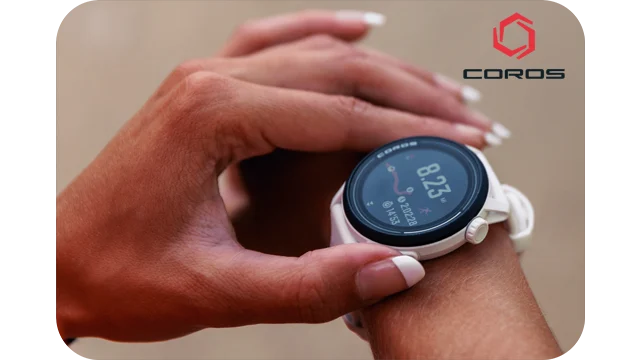
Runkeeper, a prominent player in the digital fitness landscape and an ASICS company, has significantly expanded its device integration capabilities, now offering seamless connectivity with leading GPS sports watches from Garmin, Fitbit, COROS, and Suunto. This strategic enhancement aims to provide users with a more comprehensive, accurate, and convenient training experience by allowing direct synchronization of activity data and training plans to their preferred wearable devices, effectively liberating athletes from the necessity of carrying a smartphone during workouts. The update underscores a broader industry trend towards integrated, data-driven fitness ecosystems designed to empower users with deeper insights and streamlined training execution.
Elevating Data-Driven Fitness: Precision at the Core
The cornerstone of this integration lies in the enriched data collection it facilitates. By connecting a compatible GPS watch, Runkeeper users gain access to a wealth of detailed metrics beyond what a smartphone alone can typically provide. Key among these are heart rate data and more accurate GPS tracking. Heart rate monitoring is fundamental for effective training, allowing athletes to train within specific zones (e.g., aerobic, anaerobic) to target different physiological adaptations, improve endurance, optimize recovery, and prevent overtraining. The precision offered by dedicated sports watches, often equipped with advanced optical sensors or compatible with chest straps, far surpasses the general estimations derived from smartphone-based tracking alone. This granular heart rate data, when integrated into Runkeeper, allows for a more nuanced analysis of workout intensity, caloric expenditure, and overall physiological response, transforming raw data into actionable insights for users.
Similarly, the enhanced GPS accuracy from sports watches is critical for runners, cyclists, and outdoor enthusiasts. While smartphones utilize GPS, dedicated sports watches often feature more robust GPS chipsets, sometimes augmented with GLONASS, Galileo, or BeiDou satellite systems, leading to superior accuracy in recording distance, pace, elevation changes, and intricate route mapping, particularly in challenging environments like urban canyons or dense forests. This precision ensures that every kilometer logged and every elevation gain conquered is faithfully represented in the user’s activity history, providing a truer reflection of their effort and progress. For athletes adhering to strict training regimens or aiming for personal bests, this level of data integrity is invaluable, informing adjustments to future workouts and celebrating milestones with verifiable data.
The integration supports all activities tracked on the connected watch, automatically importing them into the user’s Runkeeper account. This eliminates manual data entry, reduces the risk of data silos across different platforms, and ensures that all progress, stats, and personal records are consolidated in one central location. The convenience of automatic synchronization promotes consistent tracking, which is a key factor in long-term adherence to fitness goals.
Revolutionizing Training Plans: The Untethered Workout Experience
Perhaps one of the most impactful features of this update is the ability to sync Runkeeper’s flexible and adaptive training plans directly to a user’s sports watch. This innovation fundamentally changes how athletes interact with their structured workouts. Historically, executing a detailed training plan often required users to carry their smartphone, either in an armband, running belt, or pocket, to receive real-time coaching cues, pace targets, and interval notifications. This could be cumbersome, distracting, and occasionally impractical, especially for long runs or races.
With the new integration, assigned workouts, including complex interval sessions, pace targets, and heart rate zones, are displayed directly on the watch face. Users receive live guidance, allowing them to monitor their performance metrics at a glance without breaking stride or fumbling with a phone. This "phone-free" workout experience offers several significant advantages: increased focus on the run or activity itself, reduced distractions from notifications, and enhanced comfort and freedom of movement. For competitive athletes, this can be a game-changer, allowing them to execute precise workouts with minimal interruption. Once the workout is completed on the watch, the activity automatically syncs back to Runkeeper, and the assigned workout within the training plan is marked as complete, maintaining a seamless and integrated progression towards fitness goals. This automation simplifies the administrative aspect of training, allowing athletes to dedicate more energy to their physical performance.
A Strategic Expansion: Welcoming Industry Leaders
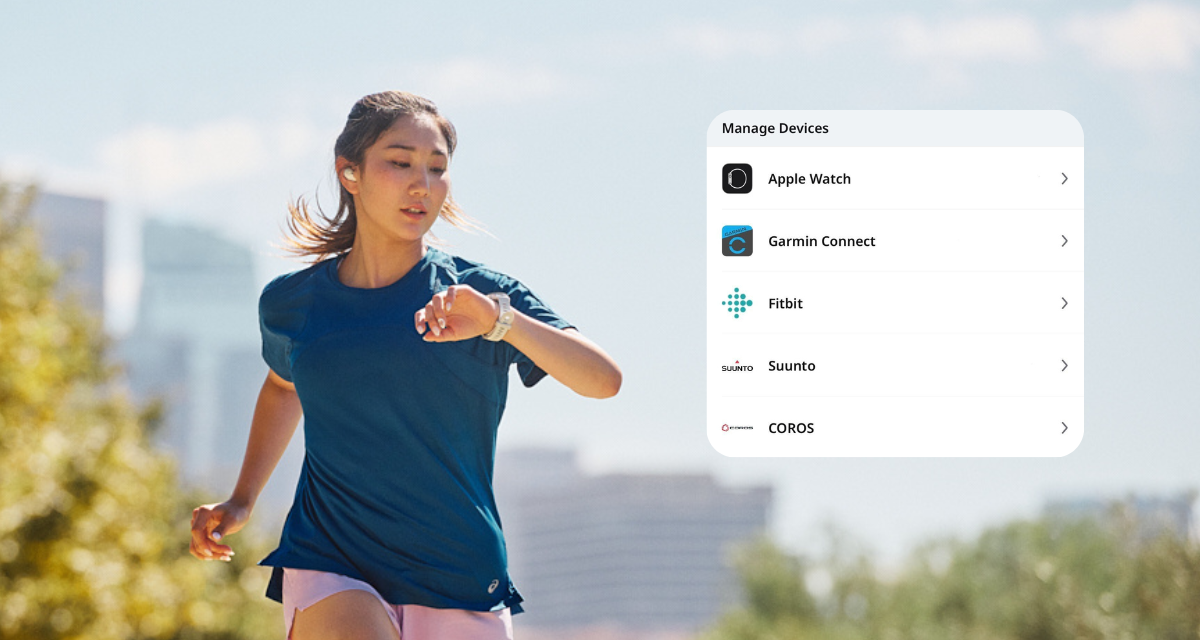
The inclusion of Garmin, Fitbit, COROS, and Suunto represents a significant expansion of Runkeeper’s ecosystem. These brands collectively command a substantial share of the global sports watch and fitness tracker market, catering to a wide spectrum of users from casual fitness enthusiasts to elite endurance athletes.
- Garmin: A dominant force in the sports and outdoor segment, known for its robust GPS capabilities, advanced training metrics, and extensive product range. Garmin users are often serious athletes who value precision and detailed performance analytics.
- Fitbit: A pioneer in consumer-grade fitness trackers, Fitbit has a broad user base focused on daily activity tracking, health monitoring, and general wellness. Its integration opens Runkeeper to a large segment of users seeking to deepen their workout analysis.
- COROS: An increasingly popular brand among endurance athletes, particularly runners and ultrarunners, COROS is celebrated for its exceptional battery life, lightweight designs, and advanced training features.
- Suunto: Hailing from Finland, Suunto has a strong heritage in outdoor and adventure sports, offering durable watches with sophisticated navigation and multi-sport tracking capabilities.
By partnering with these industry leaders, Runkeeper significantly broadens its appeal and accessibility, demonstrating a commitment to interoperability and user choice. This move is not merely about adding device compatibility; it reflects a strategic understanding of the fragmented nature of the fitness technology market and the importance of creating a cohesive user experience across different hardware platforms. A spokesperson for Runkeeper, likely echoing sentiments from parent company ASICS, would emphasize that "this expansion is a direct response to user feedback and our ongoing commitment to providing the most comprehensive and flexible fitness tracking solution. We believe that by integrating with the leading sports watch brands, we can empower a wider community of athletes to achieve their goals with greater precision and convenience."
The company also indicated that "more [brands are] coming soon," signaling a continuous effort to expand its device ecosystem and ensure Runkeeper remains a central hub for all fitness data. This proactive approach is vital in a rapidly evolving market where consumer preferences for specific hardware brands can vary widely.
Seamless Setup and Continued Synchronization
The process of connecting a watch to Runkeeper has been designed for simplicity, requiring a one-time setup directly within the Runkeeper app’s "Apps and Devices" section in Settings. This user-friendly approach minimizes technical hurdles, encouraging wider adoption of the integration. Once connected, the synchronization is largely automatic, ensuring that data flows effortlessly between the watch and the app. This seamless data exchange means users can rely on their Runkeeper account as the definitive repository for their fitness journey, always up-to-date with the latest activities and progress.
The Broader Landscape of Fitness Technology: A Converging Ecosystem
This enhancement by Runkeeper is not an isolated event but rather a significant development within the broader context of the burgeoning fitness technology market. The global wearable technology market, which includes smartwatches and fitness trackers, was valued at approximately $61.3 billion in 2022 and is projected to reach over $196 billion by 2030, demonstrating robust growth. Concurrently, the fitness app market continues to expand, with millions of users worldwide relying on these platforms for guidance, tracking, and motivation.
The trend is clear: users increasingly expect their digital fitness tools to work in harmony. The days of siloed data, where information from one device or app couldn’t easily transfer to another, are steadily receding. Companies like Runkeeper are recognizing that providing an open, interconnected ecosystem is crucial for retaining users and attracting new ones. This move places Runkeeper firmly in the competitive arena with other major fitness platforms like Strava, Apple Health, and Google Fit, all of which are striving to become the central hub for user health and fitness data. By embracing a wide range of hardware partners, Runkeeper enhances its value proposition, offering flexibility that can be a significant differentiator.

Industry analysts suggest that such integrations are not just about convenience but also about fostering deeper engagement. "When users see all their data consolidated and intelligently analyzed within a single platform, it creates a more compelling and sticky experience," notes one hypothetical analyst specializing in digital health. "The ability to execute a training plan directly from a watch, then have that data seamlessly update an app, closes the loop on the user journey in a way that truly supports their fitness aspirations."
Runkeeper’s Vision: Holistic Fitness and Data-Driven Insights
While no direct statements from Runkeeper’s leadership beyond the article’s text are provided, one can logically infer the strategic motivations behind this comprehensive update. Runkeeper’s vision appears to be centered on fostering a holistic approach to fitness, where technology serves as an enabler for better understanding and improving one’s physical health. By providing more accurate data and streamlined training execution, Runkeeper aims to empower users to:
- Achieve goals more effectively: With precise data and on-wrist guidance, users can follow training plans with greater fidelity and make informed adjustments.
- Prevent injury: Accurate heart rate data helps users avoid overtraining, while consistent tracking can highlight patterns that might lead to injury.
- Stay motivated: Seeing progress through detailed metrics and successfully completing training plan workouts provides a strong sense of accomplishment and encourages continued engagement.
- Experience true freedom in training: The phone-free workout experience removes physical and psychological barriers, making exercise more enjoyable and accessible.
This commitment aligns with ASICS’ broader philosophy of "Sound Mind, Sound Body," emphasizing both the physical and mental benefits of movement. The integration facilitates a more personalized and effective training journey, moving beyond simple step counting to offer advanced physiological insights.
Broader Impact and Future Implications
The implications of Runkeeper’s enhanced integration extend beyond its immediate user base. For the fitness technology industry, it reinforces the importance of interoperability and open ecosystems. As more data is generated by wearables, the ability to centralize, analyze, and act upon that data will become paramount. This trend will likely lead to:
- Increased competition in integration: Other fitness apps will feel pressure to match or exceed Runkeeper’s level of device compatibility.
- Richer data analytics: With more comprehensive data flowing into platforms, there’s potential for more sophisticated AI-driven insights, personalized coaching, and predictive analytics regarding performance and health risks.
- Enhanced user stickiness: Platforms that offer superior integration and a seamless user experience will likely see higher user retention rates.
- Ecosystem strengthening for watch brands: For Garmin, Fitbit, COROS, and Suunto, being integrated with a popular app like Runkeeper expands their own ecosystem’s reach, making their devices more attractive to a wider audience. It’s a mutually beneficial relationship that drives user value.
Looking ahead, the evolution of connected fitness will likely see even deeper integration, potentially incorporating more advanced biometric data (e.g., blood oxygen saturation, sleep patterns, stress levels), environmental data, and even genetic information to create truly hyper-personalized health and fitness recommendations. Runkeeper’s current update positions it well to capitalize on these future trends, solidifying its role as a central hub for individual fitness journeys.
In conclusion, Runkeeper’s expanded integration with Garmin, Fitbit, COROS, and Suunto marks a significant milestone in the evolution of digital fitness tracking. By prioritizing accurate data, seamless training plan execution, and user convenience through phone-free workouts, Runkeeper is not only enhancing its own platform but also contributing to the broader advancement of a more connected and intelligent fitness ecosystem. This strategic move empowers athletes with unprecedented control and insight over their training, promising a future where achieving fitness goals is more accessible, efficient, and enjoyable than ever before.