


The modern pursuit of longevity has transitioned from a niche interest in "anti-aging" cosmetics to a rigorous scientific discipline focused on the optimization of healthspan, the period of life spent in good health, rather than merely extending lifespan. While the global population is aging at an unprecedented rate, the quality of those additional years remains a subject of intense medical and socioeconomic scrutiny. The consensus among gerontologists and public health experts suggests that while genetic predisposition accounts for approximately 20 to 25 percent of the variance in human lifespan, the remaining 75 to 80 percent is determined by environmental factors and lifestyle choices. This realization has shifted the narrative from a fatalistic acceptance of geriatric decline to a proactive management of cellular health through a framework known as the MEANS lifestyle: Mindset, Exercise, Avoidance, Nutrition, and Sleep.
The Evolution of Longevity Science and the Healthspan Paradigm
Historically, the medical community focused on the "compression of morbidity," a term coined by Dr. James Fries in 1980, which suggests that the burden of lifetime illness can be squeezed into a shorter period before death if chronic diseases are postponed. Today, this is framed as the "healthspan" versus "lifespan" debate. While global life expectancy has more than doubled since 1900, many of those added years are currently spent in a state of chronic disease or cognitive impairment.
The timeline of longevity research has seen significant milestones, from the discovery of telomeres and their role in cellular aging to the identification of "Blue Zones"—geographic areas where populations consistently live past 100 with low rates of chronic illness. Modern breakthroughs in epigenetics have further demonstrated that lifestyle habits can "turn on" or "turn off" specific genes related to inflammation and tumor suppression. This scientific context underscores the urgency of the MEANS framework, as it provides a structured approach to influencing these biological switches.

The Psychological Foundation: The Role of Mindset in Biological Aging
The first pillar of the MEANS framework, Mindset, is increasingly recognized as a physiological driver of health rather than a mere abstract concept. Research from the Harvard Study of Adult Development, one of the world’s longest-running studies on adult life, has consistently shown that the quality of an individual’s relationships and their mental outlook are stronger predictors of long-term health than cholesterol levels or social class.
Mindset encompasses an individual’s internal narrative regarding aging. A landmark study by Dr. Becca Levy at Yale University revealed that individuals with more positive self-perceptions of aging lived an average of 7.5 years longer than those with negative perceptions. This "longevity advantage" remained significant even after accounting for age, gender, socioeconomic status, and functional health. Furthermore, the concept of "ikigai" or a sense of purpose—a staple in Okinawan culture—has been linked to lower levels of cortisol and reduced systemic inflammation. When the mind perceives a reason for continued vitality, the body’s endocrine and immune systems appear to respond by maintaining higher levels of resilience.
Physical Resilience: Exercise as a Preventive Intervention
In the contemporary sedentary environment, the human body suffers from what evolutionary biologists call "mismatch diseases"—conditions resulting from a disconnect between our Paleolithic biology and our modern lifestyle. The Exercise component of the MEANS framework addresses this by focusing on two critical aspects of aging: cardiovascular efficiency and the maintenance of skeletal muscle mass.
Data from the American Heart Association indicates that cardiorespiratory fitness, measured by VO2 max, is one of the most powerful predictors of all-cause mortality. However, for the aging population, resistance training is equally vital. Sarcopenia, the age-related loss of muscle mass and strength, is a primary driver of frailty and loss of independence. Statistical analysis shows that after the age of 30, muscle mass decreases by approximately 3 to 8 percent per decade, a rate that accelerates after age 60. By incorporating daily movement and structured strength training, individuals can maintain the metabolic health and mobility required to navigate their later years without the "blank stares" and physical limitations often associated with nursing home residency.

The Strategy of Avoidance: Navigating the Modern Exposome
The third pillar, Avoidance, focuses on the "exposome"—the sum of environmental exposures an individual encounters throughout their life. While traditional avoidance focused on smoking and excessive alcohol consumption, the modern list has expanded to include more insidious threats.
- Environmental Toxins: Exposure to endocrine-disrupting chemicals (EDCs) found in plastics (BPA and phthalates) and certain household products has been linked to metabolic dysfunction and increased cancer risk.
- Electronic Overload: Emerging research into Electromagnetic Fields (EMFs) and the blue light emitted by screens suggests these factors can disrupt circadian rhythms and cellular signaling.
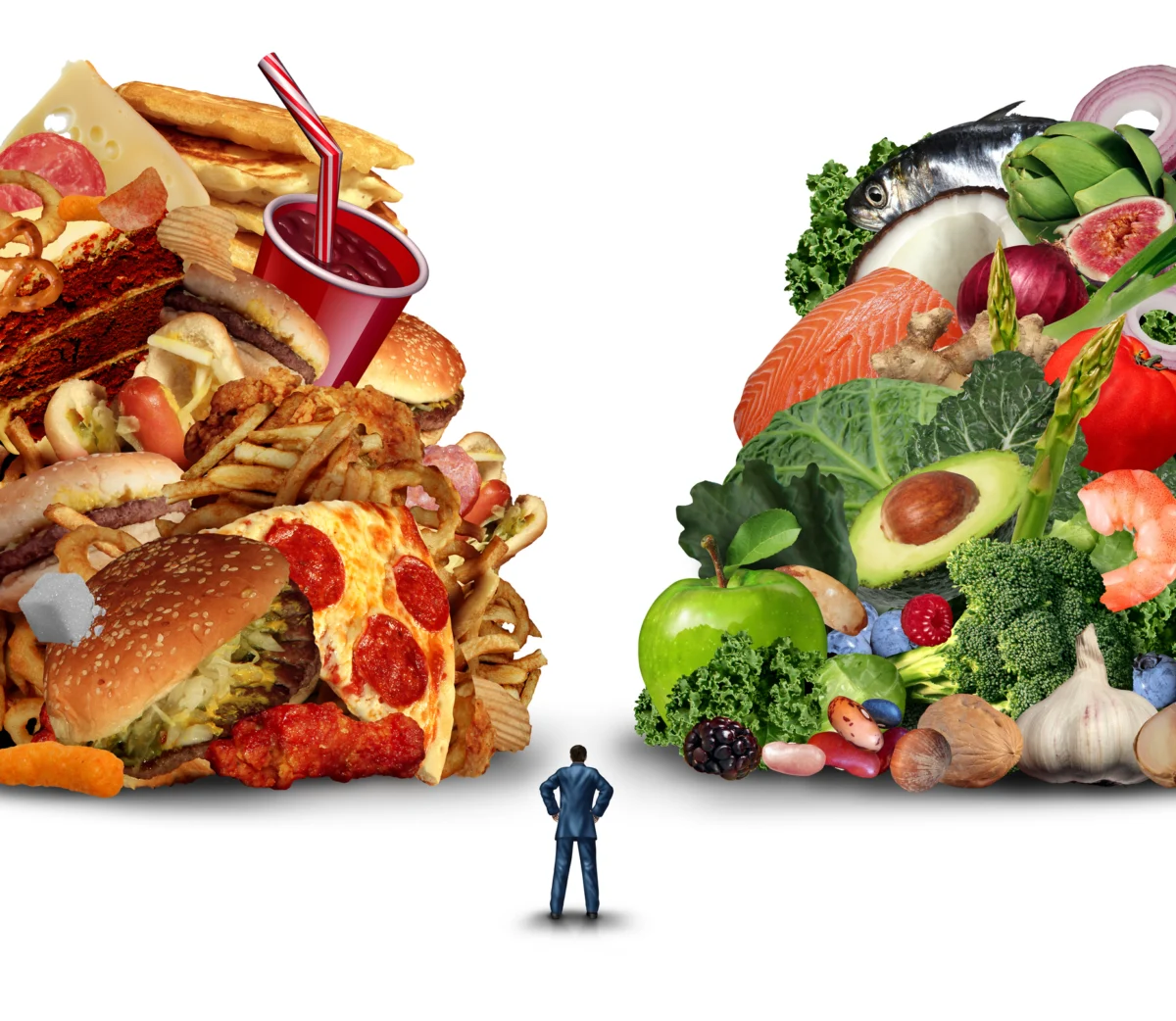
- Ultra-Processed Foods: The avoidance of trans fats and high-fructose corn syrup is now considered essential for preventing the chronic systemic inflammation that underpins most age-related diseases, including Alzheimer’s and cardiovascular disease.
Proactive avoidance acts as a form of "preventive maintenance," reducing the cumulative damage to DNA that the body must otherwise work to repair.
Nutritional Regeneration: Providing the Raw Materials for Cellular Renewal
The human body is in a constant state of flux, characterized by the continuous death and replacement of cells. The Nutrition pillar of the MEANS framework emphasizes that the quality of these new cells is entirely dependent on the chemical building blocks provided through the diet.
The biological turnover rates are staggering: the lining of the small intestine is replaced every few days, the liver regenerates every 300 to 500 days, and even the human skeleton is entirely replaced over a decade. Nutrition serves as the "raw materials" for this 10-year regeneration cycle. Modern nutritional science for longevity emphasizes several key strategies:

- Micronutrient Density: Ensuring a high intake of antioxidants to combat oxidative stress.
- Autophagy Induction: Utilizing periods of fasting or caloric restriction to trigger autophagy, the body’s cellular "housecleaning" process that removes damaged proteins.
- Glycemic Control: Maintaining stable blood sugar levels to prevent glycation, a process where sugar molecules bond to proteins, leading to tissue damage and aging.
Experts note that while occasional indulgences, such as a piece of cheesecake, are metabolically manageable, chronic habits like daily soda consumption create a permanent state of metabolic stress that accelerates cellular aging.
The Restorative Power of Sleep: The Brain’s Glymphatic System
Often the most undervalued pillar, Sleep is the period during which the body performs its most intensive repair work. During deep sleep, the brain’s glymphatic system—a waste-clearance pathway—becomes highly active, flushing out metabolic waste products like beta-amyloid, which is associated with Alzheimer’s disease.
According to Dr. Matthew Walker, author of Why We Sleep, the chronic sleep deprivation prevalent in industrialized nations is a major contributor to reduced life expectancy. Lack of sleep disrupts the hormonal balance of ghrelin and leptin (which regulate hunger), compromises the immune system’s "natural killer cells," and increases the risk of cardiovascular events. For the aging individual, prioritizing seven to nine hours of quality sleep is not a luxury but a fundamental requirement for maintaining cognitive clarity and physical health.
Broader Socioeconomic Impact and Future Implications
The shift toward the MEANS lifestyle has profound implications for global healthcare systems and economies. As the "Silver Tsunami"—the rapid aging of the world’s population—approaches, the economic burden of chronic, age-related diseases threatens to overwhelm national budgets.

Economic analysis suggests that if a significant portion of the population adopted the MEANS framework, the resulting "longevity dividend" could save trillions of dollars in healthcare costs. By shifting the focus from expensive, late-stage medical interventions to low-cost, habit-based prevention, society can foster a population that remains productive and independent well into their 80s and 90s.
Furthermore, the democratization of longevity tools—ranging from wearable fitness trackers to accessible nutritional data—is empowering individuals to take ownership of their biological trajectory. The transition from "dying long" to "living short" (in terms of the period of illness) represents a major turning point in human history.
In conclusion, the pursuit of a long, healthy life is a universal ideal that is increasingly achievable through the disciplined application of Mindset, Exercise, Avoidance, Nutrition, and Sleep. By viewing health as the sum of daily decisions rather than a matter of genetic luck, individuals can effectively navigate the aging process, maintaining strength, energy, and mental clarity until their final days. The MEANS framework provides a comprehensive roadmap for those seeking to transform the "inevitable" symptoms of old age into a vibrant and purposeful second half of life.