


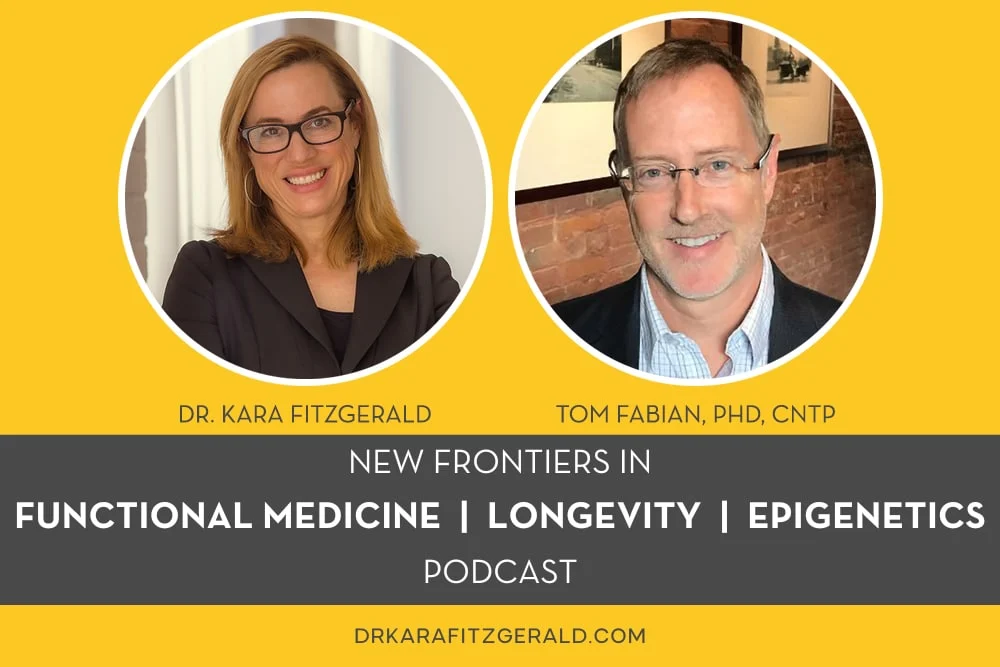
The prevailing nutritional narrative in modern clinical practice has centered heavily on a "protein-first" approach, particularly as the medical community grapples with the rising prevalence of sarcopenia in an aging population and the muscle-wasting risks associated with GLP-1 agonist medications. However, emerging research into the gut-muscle axis suggests that the volume of protein consumed is only one part of a complex physiological equation. According to Dr. Tom Fabian, a leading microbiome expert and science advisor at Diagnostic Solutions Laboratory, the clinical focus must shift from mere intake to the efficacy of digestion, absorption, and the subsequent metabolic signaling of the gut microbiome.
In a recent technical briefing, Dr. Fabian and Dr. Kara Fitzgerald, a prominent figure in functional medicine, outlined a new framework for understanding how gastrointestinal (GI) health dictates muscle protein synthesis. The core of their argument is that a compromised gut environment not only hinders the bioavailability of amino acids but can also convert undigested protein into pro-inflammatory metabolites that actively undermine systemic health and tissue repair.
The Bioavailability Gap: Why Intake Does Not Equal Absorption
For decades, a foundational assumption in dietetics was that the human GI tract is highly efficient at processing protein. Clinical data now challenges this, revealing significant individual variability in digestive capacity. This "bioavailability gap" is often driven by upstream failures in the digestive process.
One of the primary barriers identified is hypochlorhydria, or low stomach acid. Stomach acid is essential for denaturing complex protein structures and activating pepsinogen into pepsin, the enzyme responsible for the initial breakdown of proteins. Dr. Fabian points to the high prevalence of Helicobacter pylori (H. pylori) colonization as a silent driver of this issue. Chronic H. pylori infection can lead to gastritis, which impairs the parietal cells’ ability to produce hydrochloric acid. Without this acidic environment, the subsequent stages of digestion in the small intestine are compromised, leaving large, antigenic protein fragments that can trigger immune sensitivities.
Furthermore, the aging process is frequently associated with a decline in pancreatic exocrine function. Clinical markers such as fecal elastase provide a window into this decline. While a level below 200 µg/g is traditionally considered the cutoff for pancreatic insufficiency, functional medicine practitioners are increasingly viewing levels below 500 µg/g as suboptimal for individuals attempting to maintain high-muscle-mass protocols. Without adequate elastase and other proteases, the high-protein diets currently fashionable—often exceeding 1.5 to 2.2 grams per kilogram of body weight—may result in significant quantities of undigested substrate reaching the large intestine.
The Risks of Protein Fermentation and Dysbiosis
When protein escapes digestion in the small intestine and enters the colon, it undergoes a process known as putrefaction or protein fermentation. Unlike the fermentation of fiber, which produces beneficial short-chain fatty acids (SCFAs) like butyrate, protein fermentation can generate a suite of potentially toxic metabolites.
Key metabolites of concern include:
- Ammonia: A byproduct of amino acid deamination that can be toxic to colonocytes and, at high levels, neurotoxic.
- p-Cresol and Phenols: Derived from the breakdown of aromatic amino acids like tyrosine and phenylalanine. These compounds have been linked to chronic kidney disease (CKD) and systemic inflammation.
- Hydrogen Sulfide (H2S): While H2S has beneficial signaling roles at low concentrations, excessive production from sulfur-containing amino acids (methionine and cysteine) can impair mitochondrial function in the gut lining and has been implicated in ulcerative colitis flares.
- Biogenic Amines: Compounds such as histamine and tyramine, which can trigger systemic pseudo-allergic reactions and vascular issues.
Dr. Fabian emphasizes that the "carnivore-leaning" dietary patterns popular in some wellness circles may inadvertently foster an overgrowth of opportunistic, proteolytic bacteria. This shift in the microbial ecosystem can lead to intestinal barrier dysfunction, commonly known as "leaky gut," which allows these pro-inflammatory metabolites to enter systemic circulation, potentially contributing to the very chronic diseases patients are trying to avoid.
The Role of GLP-1 Medications in Muscle Health
The discussion around the gut-muscle axis has taken on a new urgency with the widespread adoption of GLP-1 (glucagon-like peptide-1) receptor agonists for weight loss. These medications work, in part, by significantly slowing gastric emptying and intestinal motility. While effective for satiety, this physiological slowdown creates a unique challenge for protein metabolism.
Reduced motility increases the transit time of food through the GI tract, providing a longer window for proteolytic bacteria to ferment undigested protein. Furthermore, the suppressed appetite associated with these drugs often leads patients to consume fewer calories, making the "quality" and "absorbability" of the protein they do eat paramount to preventing the loss of lean muscle mass. Clinicians are now being urged to monitor the GI function of patients on GLP-1 therapies closely, ensuring that digestive support—such as supplemental enzymes or hydrochloric acid—is provided to mitigate the risks of malabsorption and muscle wasting.
The Gut-Muscle Axis: A Mechanism of Repair
The relationship between the gut and muscle is not merely about nutrient supply; it is a sophisticated signaling pathway. Recent studies published in high-impact journals like Cell have demonstrated that the gut microbiome influences muscle regeneration through the modulation of the immune system.
Specifically, the production of SCFAs (like butyrate) and secondary bile acids in a healthy gut stimulates the expansion of regulatory T cells (Tregs). These Tregs are not confined to the gut; they have the capacity to migrate to peripheral tissues, including skeletal muscle. Once in the muscle tissue, these gut-derived Tregs play a critical role in dampening inflammation and promoting the repair of muscle fibers following exercise-induced stress or injury.
This discovery implies that a diet lacking in fermentable fibers and polyphenols—the primary fuel for SCFA-producing bacteria—could indirectly impair muscle recovery, even if protein intake is high. The "synergy" between fiber and protein is therefore essential; fiber acts as a "metabolic sponge," ensuring that the microbiome remains focused on carbohydrate fermentation rather than protein putrefaction.
Diagnostic Innovations: From GI MAP to Metabolomics
To navigate these complexities, the medical community is moving toward more sophisticated diagnostic tools. The transition from basic stool cultures to quantitative PCR (qPCR) testing, such as the GI MAP, has allowed clinicians to identify specific pathogens like H. pylori and opportunistic overgrowths of Streptococcus or Staphylococcus that thrive in low-acid environments.
The latest advancement in this field is the integration of metabolomics through tests like StoolOMX. This technology measures the actual output of the microbiome, including the ratio of short-chain fatty acids to branched-chain fatty acids (BCFAs). Because BCFAs are exclusive markers of protein fermentation, this ratio provides a definitive "balance sheet" of a patient’s internal fermentation environment.
Additionally, the measurement of secondary bile acids offers insight into the "immune tone" of the patient. A deficiency in secondary bile acids, often caused by a lack of specific commensal bacteria, can signal a reduced capacity for the gut to support systemic tissue repair, providing a roadmap for targeted probiotic or prebiotic intervention.
Clinical Implications and Future Outlook
The emerging science of the gut-muscle axis suggests a radical shift in clinical strategy. Rather than prescribing a blanket increase in protein, Dr. Fabian and Dr. Fitzgerald recommend a staged approach:
- Assess Digestive Capacity: Utilize markers like fecal elastase and H. pylori status to determine if the patient can handle increased protein loads.
- Optimize Motility: Address constipation or the effects of GLP-1 medications to prevent excessive protein fermentation in the colon.
- Ensure Fiber Synergy: Maintain a high intake of diverse fibers and polyphenols to "protect" the colon from the byproducts of protein breakdown.
- Targeted Postbiotics: In cases of significant dysbiosis, utilize postbiotics like butyrate or Urolithin A to support mitochondrial health and muscle repair pathways directly.
As the "muscle-centric medicine" movement continues to grow, the integration of gastrointestinal health will be the deciding factor in its success. The goal is no longer just to eat more protein, but to foster a gut ecosystem that can translate that protein into strength, recovery, and long-term vitality. This holistic view of the gut-muscle axis represents a significant frontier in functional medicine, offering a more nuanced and effective path to healthy aging.