


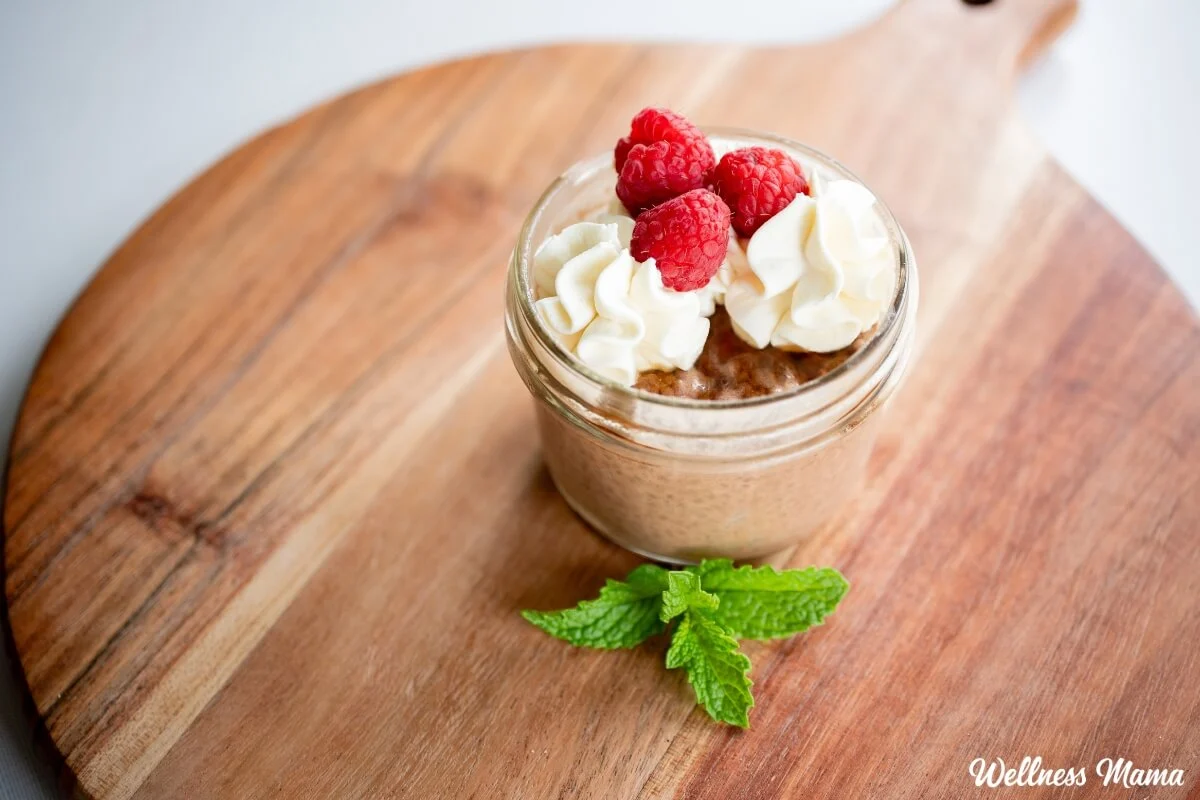
The modern nutritional landscape has seen a significant shift toward "functional foods"—ingredients that offer health benefits beyond basic nutrition. Among these, the chocolate chia pudding has emerged as a cornerstone of the health-conscious breakfast and snack market, bridging the gap between indulgent dessert profiles and rigorous dietary requirements. This evolution reflects a broader societal movement toward meal-prepping and the prioritization of nutrient density in the face of increasingly hectic domestic schedules. By combining ancient superfoods like chia seeds and cacao with modern dietary staples such as coconut milk and collagen, this formulation addresses several key pillars of human health, including cardiovascular support, digestive wellness, and sustained energy metabolism.
The Chronological Ascent of Chia Seeds in Global Diets
The integration of chia seeds (Salvia hispanica) into the modern diet is not a new phenomenon but rather a resurgence of ancient agricultural wisdom. Historically, chia seeds were a staple for the Aztec and Mayan civilizations, valued for their ability to provide sustainable energy during long-distance travel and combat. In the late 20th century, these seeds were primarily known in Western popular culture through novelty items. However, the early 21st century marked a turning point as clinical research began to validate the seeds’ exceptional nutritional profile.
By 2010, the "superfood" movement had firmly established chia seeds as a nutritional powerhouse. This led to a surge in culinary experimentation, where the unique hydrophilic properties of the seed—its ability to absorb up to twelve times its weight in liquid—were utilized to create pudding-like textures without the need for synthetic thickeners or excessive heat. The chocolate chia pudding variant represents the maturation of this trend, offering a sophisticated flavor profile that appeals to both adults and children while maintaining a low glycemic index.
Nutritional Profile and Macro-Nutrient Analysis
A standard serving of chocolate chia pudding, specifically when formulated with rich canned coconut milk and raw cacao, provides a complex array of macronutrients. Data indicates that a single serving can contain approximately 348 calories, with a significant portion derived from healthy fats. Specifically, the inclusion of coconut milk contributes medium-chain triglycerides (MCTs), which are metabolized differently than long-chain fatty acids. MCTs are transported directly to the liver, where they are used for immediate energy or turned into ketones, providing a "clean" energy source that supports cognitive function.
The fiber content in this formulation is particularly noteworthy. With approximately 8 grams of fiber per serving, a single portion provides roughly 33% of the recommended daily intake for an average adult. This high fiber content is essential for regulating blood sugar levels and promoting satiety, making it an effective tool for weight management and the prevention of metabolic spikes. Furthermore, the protein content, often bolstered by the addition of gelatin or collagen, supports muscle repair and the integrity of connective tissues.
The Chemistry of Ingredients: Cacao, Gelatin, and Coconut Milk
The selection of ingredients in high-quality chocolate chia pudding is rarely incidental; rather, it is a calculated effort to maximize bioavailability and health outcomes.
Cacao: The Antioxidant Powerhouse
Unlike processed cocoa, raw cacao powder retains a high concentration of polyphenols and flavonoids. Research suggests that these compounds are instrumental in reducing systemic inflammation and improving endothelial function, which is critical for heart health. Cacao is also one of the highest plant-based sources of magnesium, a mineral involved in over 300 biochemical reactions in the human body, including muscle and nerve function.
Gelatin and Collagen: Structural Support
The addition of gelatin serves a dual purpose: it acts as a thickening agent and provides a specific amino acid profile rich in glycine and proline. These amino acids are vital for the health of the gut lining, skin elasticity, and joint recovery. For those seeking the same nutritional benefits without the gelling effect, collagen peptides are often substituted, offering a "clean" protein boost that dissolves seamlessly into the mixture.
Coconut Milk: A Dairy-Free Lipid Source
The use of canned coconut milk provides a creamy consistency that mimics traditional dairy puddings while remaining accessible to those with lactose intolerance or those following a Paleo or ketogenic diet. Coconut milk contains lauric acid, a fatty acid that has been studied for its antimicrobial and anti-inflammatory properties. When combined with the mucilaginous texture of expanded chia seeds, it creates a stable emulsion that preserves the freshness of the pudding for several days.
Supporting Data: The Growth of the Functional Snack Market
Market analysis reports indicate that the global chia seed market is projected to grow at a CAGR (Compound Annual Growth Rate) of approximately 7% through 2028. This growth is driven by increasing consumer awareness regarding the benefits of Omega-3 fatty acids, of which chia is one of the richest plant-based sources. Furthermore, the "grab-and-go" snack sector has seen a 15% increase in demand for refrigerated, plant-based options.
Inferred reactions from pediatric nutritionists suggest that formulations like chocolate chia pudding are becoming recommended alternatives to traditional high-sugar cereals. By providing a balance of fats and proteins, these puddings help prevent the "sugar crash" often associated with morning meals, thereby improving focus and behavioral stability in school-aged children.
Preparation Methodology and Best Practices
The process of creating a stable and palatable chia pudding requires an understanding of the "blooming" process. When using gelatin, it must be allowed to hydrate in a cool liquid before being incorporated into the warmer elements of the recipe to prevent clumping. This ensures a homogenous texture.
The versatility of the dish is further enhanced by the "overnight" method. By allowing the chia seeds to sit in the liquid medium for 4 to 12 hours, the outer shell of the seed softens completely, releasing its internal nutrients and creating a smooth, custard-like consistency. Culinary experts recommend individual glass jars for storage, which not only assists in portion control but also prevents oxidation and maintains the structural integrity of the pudding.
Broader Implications for Public Health and Lifestyle
The rise of nutrient-dense recipes like chocolate chia pudding reflects a larger shift in public health strategy: the move toward preventative nutrition. As chronic diseases related to diet continue to rise globally, the emphasis has shifted to accessible, home-prepared meals that combat inflammation and oxidative stress.
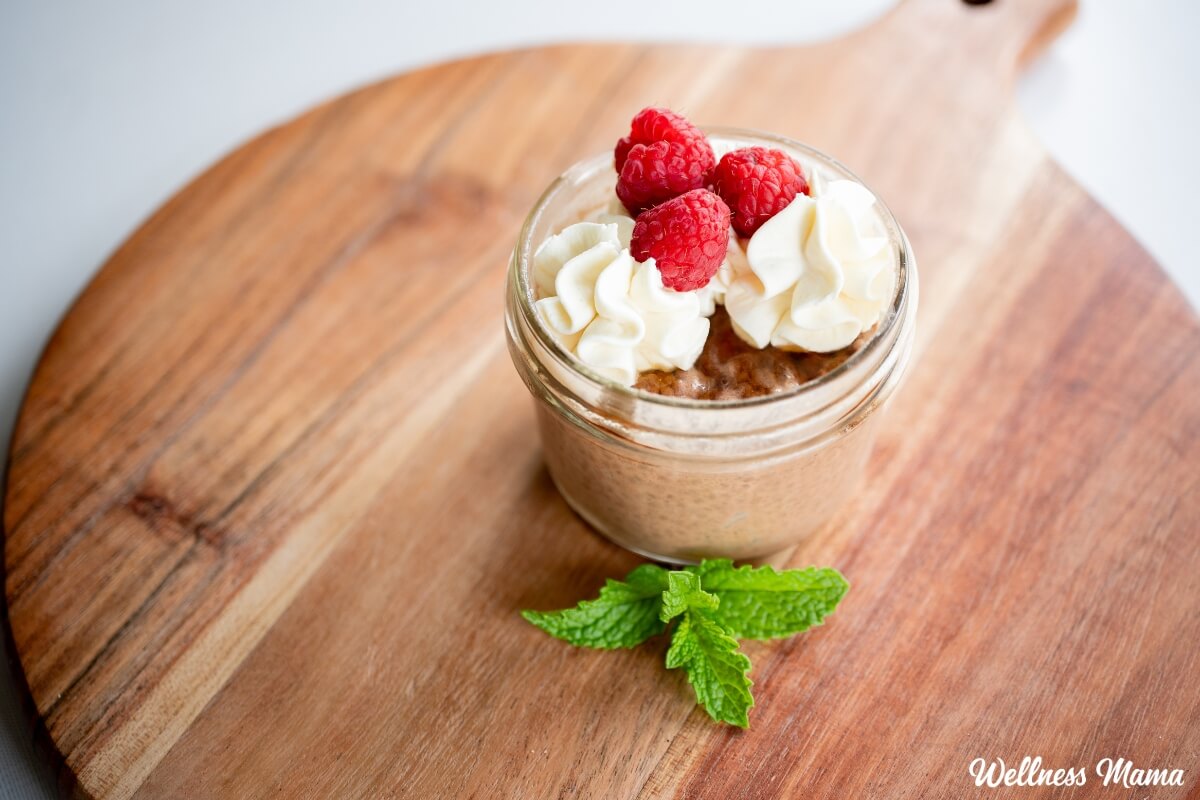
Moreover, the adaptability of the recipe—allowing for the substitution of almond, macadamia, or hazelnut milks—demonstrates a democratization of health food. It allows individuals with various dietary restrictions (vegan, dairy-free, nut-free) to customize their intake without sacrificing flavor or nutritional value. The inclusion of toppings such as fresh berries, which add vitamin C and further antioxidants, or cacao nibs for texture, allows for a sensory experience that rivals traditional confectionery.
Conclusion and Future Outlook
As the wellness industry continues to evolve, the chocolate chia pudding stands as a testament to the efficacy of simple, whole-food ingredients. It addresses the modern consumer’s need for efficiency through its "grab-and-go" nature while satisfying the biological need for high-quality fats and fibers. The ongoing research into the gut-brain axis further highlights the importance of the prebiotic fibers found in chia seeds, suggesting that such foods may play an even larger role in mental health and neurological wellness in the years to come.
Ultimately, the transition from "chaos in the morning" to a structured, planned nutritional routine is facilitated by these versatile formulations. By reducing the reliance on processed sugars and increasing the intake of plant-based proteins and minerals, individuals can take a proactive step toward long-term vitality. The chocolate chia pudding is more than a recipe; it is a functional tool in the modern pursuit of a balanced and healthy life.