


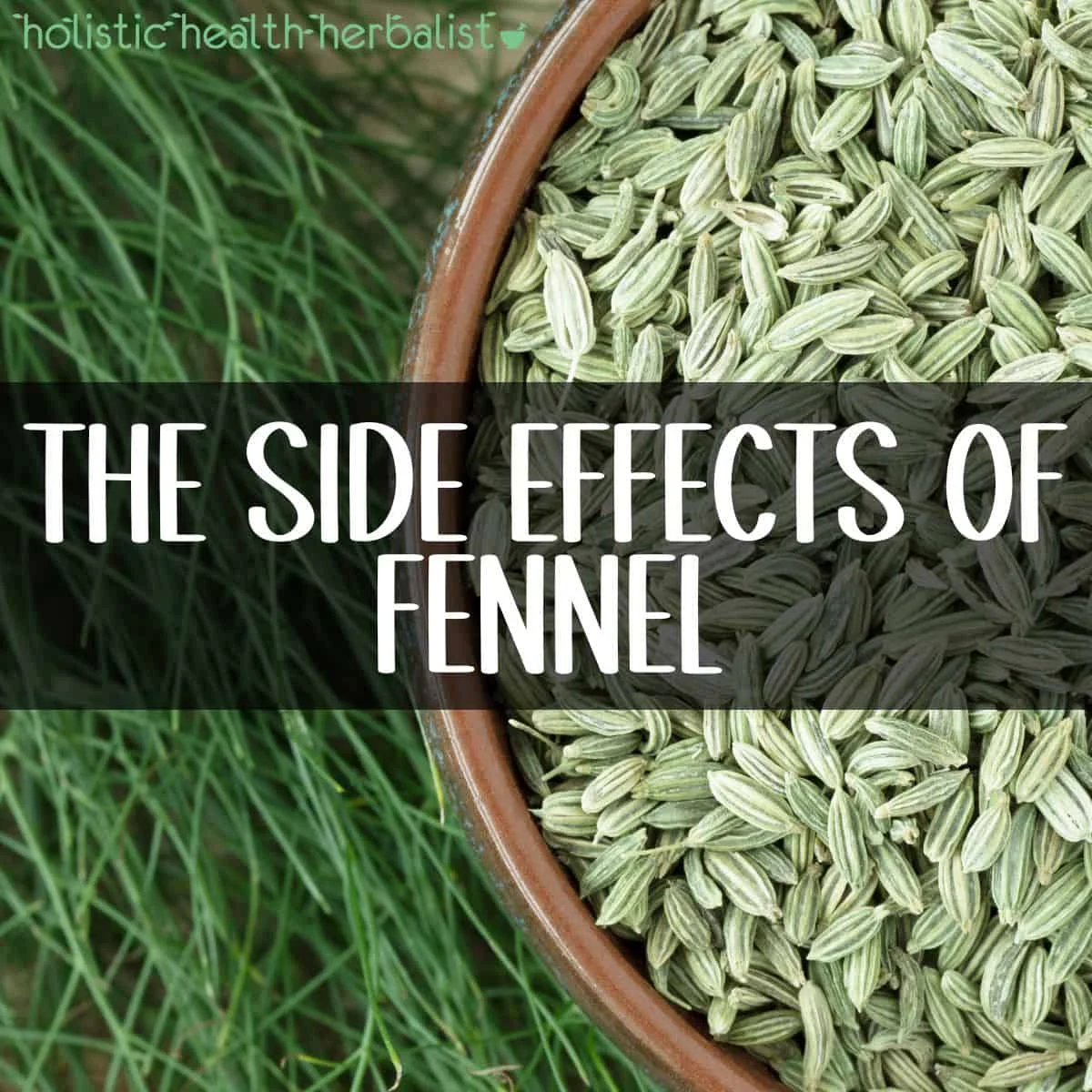
Fennel, scientifically classified as Foeniculum vulgare, stands as one of the most enduring botanical staples in both culinary traditions and holistic pharmacopeias. A hardy, perennial herb belonging to the Apiaceae family—sharing lineage with carrots, celery, and parsley—fennel is indigenous to the Mediterranean shores but has naturalized across the globe. While its feathery fronds and bulbous base are celebrated in gastronomy, it is the small, ridged seeds that harbor the most potent concentration of volatile oils and phytochemicals. For centuries, women have turned to fennel seeds to address a spectrum of health concerns, ranging from digestive distress to hormonal imbalances. However, modern pharmacological research and clinical observations have begun to delineate a complex profile of side effects that necessitate a cautious approach, particularly for female consumers.
Historical Context and Botanical Evolution
The utilization of fennel seeds spans millennia, with records of its use appearing in Ancient Egyptian papyri and the writings of Pliny the Elder. Historically, it was revered not only as a digestive aid but also as a symbol of longevity and courage. In the Middle Ages, fennel was frequently hung over doorways to ward off malevolent spirits, though its practical application remained centered on its "carminative" properties—the ability to prevent the formation of gas in the gastrointestinal tract.
By the 19th and 20th centuries, as herbalism began to merge with early chemistry, researchers identified the primary active components of fennel: anethole, fenchone, and estragole. Anethole, which gives fennel its characteristic anise-like or licorice flavor, was discovered to possess structural similarities to the neurotransmitter dopamine and the hormone estrogen. This discovery marked a turning point in understanding why fennel appeared to influence female reproductive health, leading to its widespread use as a galactagogue (to increase breast milk) and an emmenagogue (to stimulate menstrual flow).
The Dual Nature of Fennel: Primary Benefits for Women
Before examining the adverse effects, it is essential to understand the therapeutic motivations that lead women to incorporate fennel into their diets. Fennel seeds are rich in flavonoids, phenolic compounds, and fatty acids.
- Gastrointestinal Support: Fennel is highly effective at relaxing the smooth muscles of the digestive system. For women suffering from Irritable Bowel Syndrome (IBS) or chronic bloating, fennel tea serves as a non-invasive antispasmodic.
- Dysmenorrhea Management: Clinical studies have indicated that fennel can be as effective as certain over-the-counter non-steroidal anti-inflammatory drugs (NSAIDs) in reducing the severity of menstrual cramps. By inhibiting prostaglandins, fennel reduces the intensity of uterine contractions.
- Lactation Support: For nursing mothers, fennel is a traditional remedy used to stimulate the production of prolactin, the hormone responsible for milk synthesis.
- Menopausal Relief: Due to its mild estrogenic activity, some women use fennel to mitigate the frequency and severity of hot flashes and vaginal dryness during the climacteric period.
Hormonal Implications and Estrogenic Activity
The most significant area of concern regarding fennel seeds for females lies in their phytoestrogenic properties. Phytoestrogens are plant-derived compounds that can mimic or modulate the effects of estrogen in the human body. While this can be beneficial in certain contexts, it presents substantial risks for women with specific health profiles.
Medical experts warn that excessive consumption of fennel seeds may disrupt the delicate endocrine balance. In women with estrogen-sensitive conditions—such as breast cancer, uterine fibroids, or endometriosis—the introduction of fennel’s estrogen-like compounds could theoretically stimulate the growth of sensitive tissues. Although definitive human clinical trials on fennel-induced tumor growth are limited, the precautionary principle is widely applied by oncologists who advise patients with a history of hormone-positive cancers to avoid concentrated fennel supplements.
Furthermore, there are documented cases of "premature thelarche"—the early development of breasts in young girls—linked to the consumption of fennel-based teas. While these cases are rare and usually resolve upon discontinuation of the herb, they highlight the potent hormonal influence that Foeniculum vulgare can exert on the female body.
Risks During Pregnancy and Uterine Stimulation
The safety of fennel seeds during pregnancy is a subject of significant debate within the obstetric community. In many cultures, small amounts of fennel used as a culinary spice are considered safe. However, the therapeutic use of fennel seeds, essential oils, or concentrated infusions is generally discouraged for expectant mothers.
The primary risk involves fennel’s role as an emmenagogue. Substances with emmenagogue properties can stimulate blood flow to the pelvic area and uterus, potentially triggering uterine contractions. In high doses, this poses a risk of miscarriage or preterm labor. While a sprinkle of fennel seeds on a salad is unlikely to cause harm, the cumulative effect of daily fennel tea or the use of fennel supplements can reach a threshold that endangers the pregnancy. Consequently, most maternal health organizations categorize fennel as "likely unsafe" when used in medicinal amounts during gestation.

Dermatological and Allergic Reactions
Women with sensitivities to other members of the Apiaceae family are at a heightened risk for allergic reactions to fennel seeds. This phenomenon, often referred to as "Celery-Carrot-Mugwort-Spice Syndrome," occurs due to cross-reactivity between similar proteins in these plants.
Symptoms of a fennel allergy can range from mild to severe and include:
- Contact Dermatitis: Skin rashes or itching upon handling the seeds or using fennel-infused oils.
- Oral Allergy Syndrome: Itching of the mouth, swelling of the lips, or a scratchy throat immediately after ingestion.
- Phototoxicity: Fennel contains furanocoumarins, compounds that can increase the skin’s sensitivity to ultraviolet (UV) radiation. Women who consume high levels of fennel or apply fennel oil topically may experience severe sunburns or "phytophotodermatitis" when exposed to sunlight.
Interactions with Pharmaceutical Medications
As women often manage multiple health factors through medication, the potential for drug-herb interactions with fennel is a critical consideration.
- Oral Contraceptives and Hormone Replacement Therapy (HRT): Because fennel seeds possess estrogenic activity, they may interfere with the efficacy of birth control pills or HRT. The exogenous plant estrogens may compete with the synthetic hormones in these medications, potentially leading to breakthrough bleeding or reduced contraceptive reliability.
- Blood Thinners (Anticoagulants): Fennel contains compounds that may slow blood clotting. For women taking medications like warfarin or aspirin for cardiovascular health, fennel could increase the risk of bruising and internal bleeding.
- Antibiotics: Specifically, fennel has been shown to interact with Ciprofloxacin. Taking fennel seeds concurrently with this antibiotic can decrease the body’s ability to absorb the medication, thereby reducing its effectiveness in treating infections.
- Tamoxifen: For women undergoing treatment for breast cancer with Tamoxifen, fennel is strictly contraindicated as it may counteract the drug’s estrogen-blocking mechanism.
Regulatory Perspectives and Safety Guidelines
Global health authorities have taken varying stances on the regulation of fennel. The United States Food and Drug Administration (FDA) classifies fennel as "Generally Recognized As Safe" (GRAS) for use in food. However, this designation does not extend to high-dose supplements or essential oils, which are regulated as dietary supplements rather than drugs.
In Europe, the European Medicines Agency (EMA) has issued more specific guidelines. The EMA’s Committee on Herbal Medicinal Products (HMPC) recommends that fennel oil and fennel tea should not be given to children under the age of four due to the presence of estragole, a naturally occurring constituent that has shown carcinogenic potential in high-dose rodent studies. For adult women, the EMA suggests limiting intake to recommended therapeutic windows and avoiding long-term, uninterrupted use.
Analysis of Implications for Female Health Consumers
The proliferation of "wellness culture" has led to an increase in the self-prescription of herbal remedies like fennel seeds. While the "natural" label often implies safety to the average consumer, the pharmacological reality of fennel demonstrates that botanical substances are complex chemical cocktails.
For the modern woman, the implication is clear: fennel seeds should be treated with the same respect as over-the-counter pharmaceuticals. The benefits for digestion and menstrual pain are backed by significant evidence, but they must be weighed against the individual’s hormonal history and current medication regimen. The "more is better" approach is particularly dangerous with fennel; while one cup of tea may soothe a bloated stomach, five cups may trigger hormonal fluctuations that disrupt the menstrual cycle or interfere with medication.
Conclusion
Fennel seeds remain a valuable tool in the female health toolkit, offering natural relief for ancient ailments. From the relief of dysmenorrhea to the support of lactation, its benefits are multifaceted. However, the potential side effects—ranging from uterine stimulation and hormonal disruption to phototoxicity and drug interactions—underscore the necessity of informed usage.
Medical professionals recommend that women who are pregnant, breastfeeding, or managing hormone-sensitive conditions consult with a healthcare provider before introducing medicinal quantities of fennel into their routine. As research continues to evolve, the balance between the culinary enjoyment of fennel and its medicinal application must be maintained through education, moderation, and clinical oversight. In the realm of herbal medicine, knowledge of the side effects is just as vital as knowledge of the cure.