



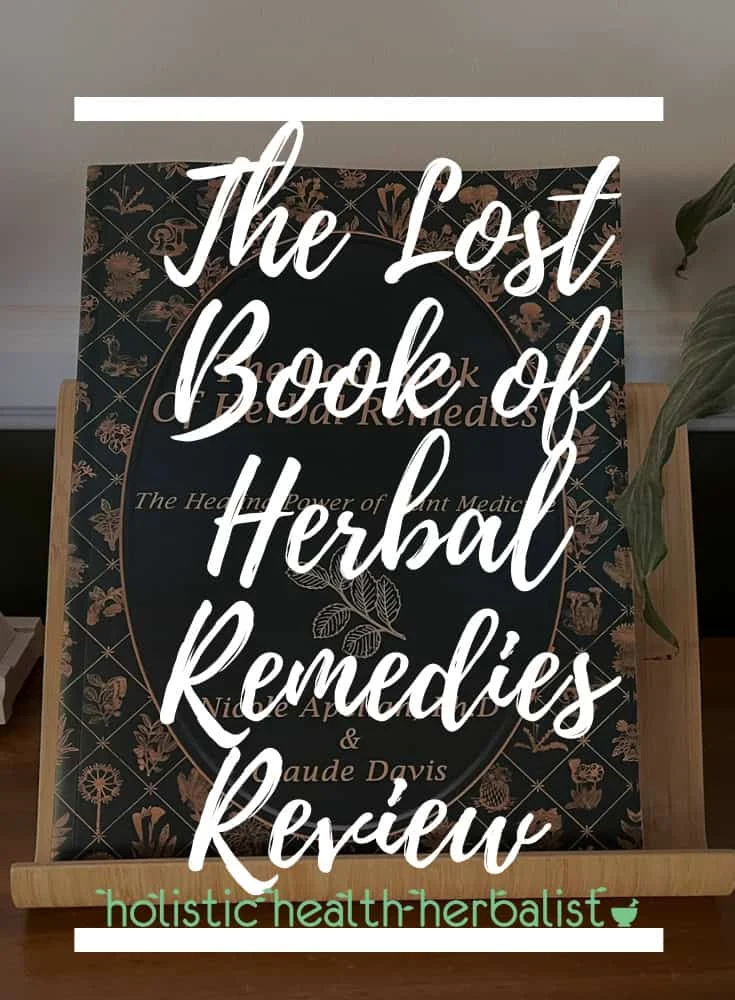
The Convergence of Science and Survivalist Expertise
The success of the publication is largely attributed to the diverse credentials of its creators. Dr. Nicole Apelian, a biologist and anthropologist, brings a formal academic framework to the text. With a degree from McGill University, a Master’s in Ecology from the University of Oregon, and a Doctorate from Prescott College, her research has spanned continents. Most notably, her years spent in the Kalahari Desert of Botswana, working with the San Bushmen, allowed her to observe firsthand the application of plant-based medicine in a culture that has maintained a continuous relationship with its environment for millennia.
Apelian’s expertise gained national recognition through her participation in the History Channel’s survival series, Alone. Her performance on the show—utilizing her deep knowledge of foraging and plant identification to maintain health in extreme conditions—validated her theories for a mainstream audience. Furthermore, Apelian’s personal journey of managing Multiple Sclerosis (MS) through natural remedies and lifestyle changes provides a poignant narrative thread that resonates with readers seeking alternatives to conventional pharmaceutical interventions.

Complementing this scientific rigor is the historical perspective provided by Claude Davis. As the editor of Ask a Prepper and the author of The Lost Ways, Davis specializes in the preservation of 19th-century survival skills. His contribution focuses on the "lost" aspect of the remedies—techniques used by pioneers and early settlers who lacked access to modern hospitals. Davis’s work is grounded in the philosophy that the resilience of past generations was built on a foundational understanding of the natural world, a skill set he argues is essential for modern security.
Comprehensive Content and Identification Methodology
The core of the book is structured to be an accessible field guide. It categorizes plants not only by their scientific names but by their habitats and the specific conditions they are intended to treat. This dual-indexing system allows users to identify "backyard weeds" that might otherwise be discarded, transforming a common lawn into a potential pharmacy.
The guide covers an expansive range of preparation techniques, which is critical for the efficacy of herbal medicine. Readers are instructed on the creation of:

- Tinctures and Infusions: Concentrating plant alkaloids for long-term storage and potent dosing.
- Salves and Poultices: Topical applications for skin conditions, wounds, and muscle pain.
- Decoctions: Extracting medicinal properties from tougher plant materials like roots and bark.
- Essential Oils and Steam Inhalations: Utilizing volatile compounds for respiratory and nervous system support.
In addition to vascular plants, the book includes a specialized section on North American medicinal mushrooms. Fungi such as Reishi, Chaga, and Lion’s Mane are explored for their immunomodulatory properties and their roles in cognitive health. This inclusion reflects the growing scientific interest in mycology and its applications in modern wellness.
Addressing a Spectrum of Health Conditions
The publication positions itself as a comprehensive resource for a variety of ailments, ranging from minor acute issues to chronic systemic imbalances. By providing natural alternatives, the authors suggest that individuals can support their body’s innate healing mechanisms. The conditions addressed within the text include:
- Digestive Health: Remedies for indigestion, ulcers, and inflammatory bowel issues.
- Respiratory Support: Natural expectorants and antivirals for managing coughs, asthma, and seasonal allergies.
- Infectious Disease: Identification of plants with natural antibiotic and antifungal properties.
- Chronic Inflammation: Herbs specifically targeted at reducing joint pain and systemic inflammation, which is often a precursor to more severe diseases.
- First Aid: Practical guides for treating burns, insect bites, and open wounds in the field.
The book emphasizes the importance of correct identification, utilizing high-resolution color photography to prevent the accidental ingestion of toxic look-alikes. This focus on safety is a cornerstone of the guide, ensuring that even novices can navigate the complexities of wild harvesting with confidence.

Market Trends and the Rise of Natural Medicine
The viral success of The Lost Book of Herbal Remedies is indicative of a broader shift in consumer behavior. According to market research data, the global herbal medicine market was valued at approximately $165 billion in 2022 and is projected to grow significantly over the next decade. This growth is fueled by an increasing distrust of complex supply chains and a desire for "clean" health solutions.
The frequent "out of stock" status of the book on major retail platforms like Amazon highlights a supply-demand imbalance in the educational sector of the wellness industry. As conventional healthcare costs continue to rise, resources that offer low-cost, sustainable alternatives become high-value assets. The book’s popularity is further bolstered by the "prepper" and "homesteader" movements, which prioritize self-reliance in the face of economic or societal instability.
Critical Analysis and Limitations
While the book has received widespread acclaim for its accessibility and expert authorship, it is not without its critics. Some botanical experts note that while the book is excellent for identification, the 306-page limit necessitates a degree of brevity that may leave advanced herbalists wanting more depth regarding the chemical constituents of certain plants.

Additionally, the physical design of the book has been a point of discussion. While the color photographs are essential for identification, some users have noted that larger, full-page spreads would further enhance the guide’s utility in the field. There is also the logistical issue of availability; the book’s popularity has led to frequent stock shortages, making it difficult for some interested parties to acquire a physical copy.
Furthermore, the authors are careful to include disclaimers, noting that herbal remedies should supplement, not necessarily replace, professional medical advice, especially in life-threatening situations. This balanced approach is necessary to maintain journalistic and medical integrity, though it places the onus of responsibility on the reader to exercise sound judgment.
Broader Implications for Sustainability and Heritage
Beyond its practical applications, The Lost Book of Herbal Remedies acts as a cultural archive. In an era dominated by digital information and synthetic products, the book preserves a form of "intangible heritage"—the traditional knowledge of how to live in harmony with the local ecosystem.

The focus on sustainable harvesting encourages readers to become stewards of their local environment. By assigning value to "weeds" and wild spaces, the book indirectly advocates for the preservation of biodiversity. If a community views a local forest or meadow as a source of medicine, they are more likely to protect it from development or pollution.
The announcement of a sequel, The Lost Book of Herbal Remedies II, suggests that the authors have more to contribute to this growing body of knowledge. The upcoming volume is expected to cover additional plant species and more complex preparation methods, further cementing the series’ place in the modern apothecary’s library.
Conclusion
The Lost Book of Herbal Remedies stands as more than just a manual for plant identification; it is a manifesto for a more self-sufficient and nature-connected lifestyle. By synthesizing Dr. Nicole Apelian’s scientific background with Claude Davis’s historical preservation goals, the book provides a robust framework for anyone looking to decrease their dependence on modern industrial systems.

As society continues to grapple with the challenges of the 21st century—ranging from healthcare accessibility to environmental degradation—the return to ancestral wisdom offers a path forward that is both practical and grounded. Whether used as a primary resource for a rural homesteader or a fascinating reference guide for a suburban gardener, the book’s impact on the modern understanding of herbal medicine is undeniable. Its success reflects a collective cultural yearning to reclaim the lost knowledge of the past to secure a healthier, more resilient future.