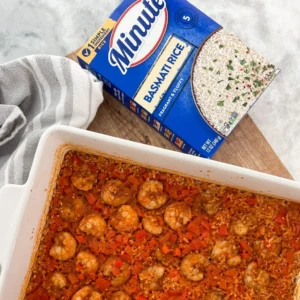



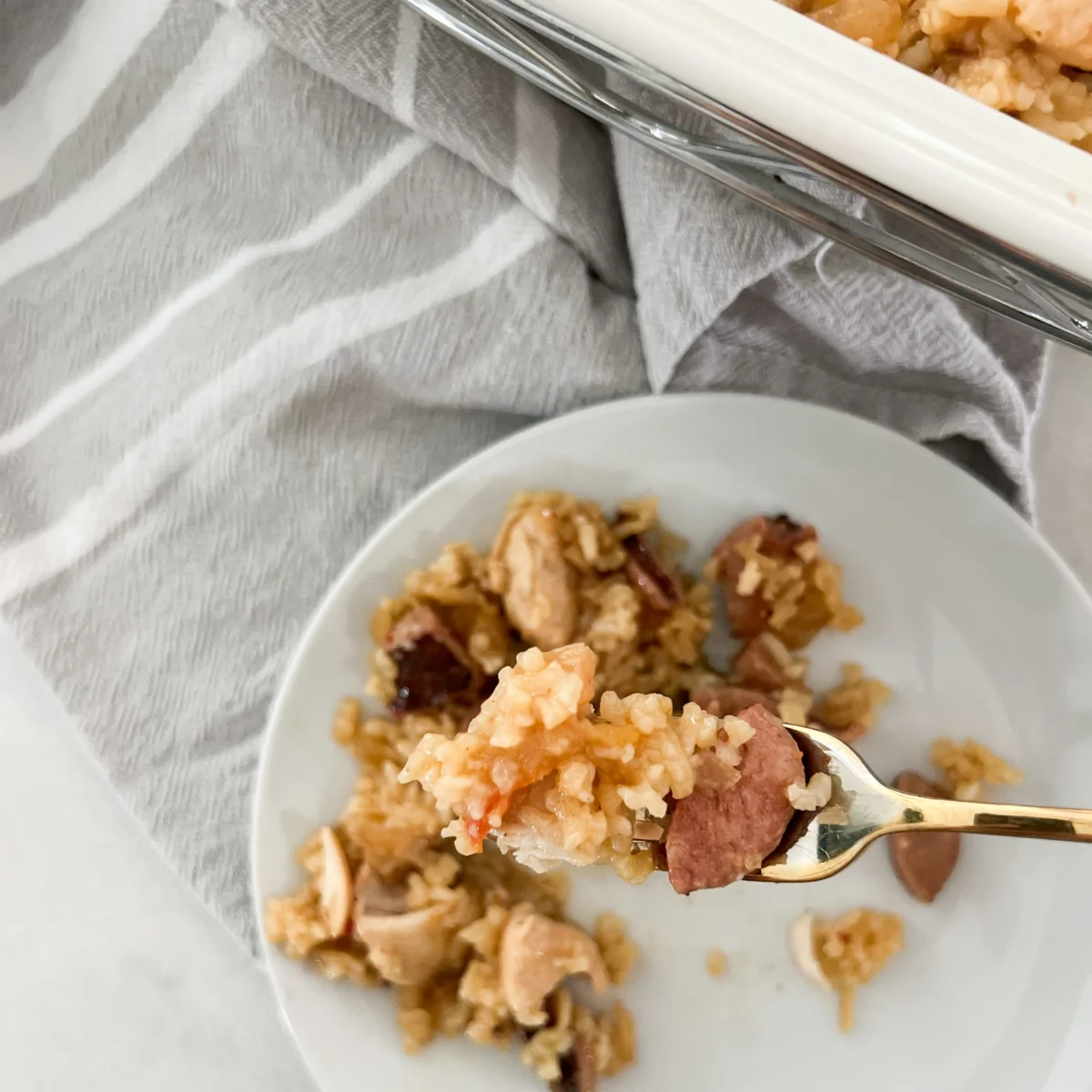
The culinary landscape of the American South is a tapestry of cultural influences, nowhere more evident than in the vibrant, spice-forward traditions of Louisiana. Among the state’s most iconic exports is jambalaya, a one-pot dish that marries meat, vegetables, and rice into a harmonious meal. While traditional jambalaya can require hours of simmering and meticulous attention to rice-to-liquid ratios, modern culinary innovations are making this regional classic accessible to busy households. A new preparation method utilizing Minute Instant Jasmine Rice has emerged as a frontrunner for those seeking the authentic flavors of the bayou without the extensive time commitment, reducing the total preparation and cooking time to approximately 40 minutes.

The Historical and Cultural Roots of Jambalaya
To understand the significance of a simplified jambalaya recipe, one must first examine the dish’s complex history. Jambalaya is widely considered a derivative of Spanish paella, brought to the New Orleans area during the period of Spanish rule in the late 18th century. However, as saffron—a key ingredient in paella—was unavailable in the New World, tomatoes became the substitute in the French Quarter, leading to the creation of "Red" or Creole jambalaya.
In contrast, the "Brown" or Cajun jambalaya, which more closely aligns with the Easy Jasmine Jambalaya method, originated in the rural, swampy regions of Louisiana. Cajun versions typically omit tomatoes, relying instead on the browning of meat and the creation of a light roux to provide color and depth of flavor. This version emphasizes the "Holy Trinity" of Acadian cooking: onions, bell peppers, and celery. In the modern adaptation using Minute Instant Jasmine Rice, the focus remains on this aromatic foundation, though the recipe specifically highlights a "season blend" of onions and multi-colored bell peppers to streamline the process.

Chronology of Preparation: From Pantry to Table
The efficiency of the Easy Jasmine Jambalaya recipe lies in its structured chronology, which allows for a multi-tasking approach to kitchen management. The process is divided into three distinct phases: protein preparation, aromatic development, and the baking cycle.
Phase One: Protein Searing (0–10 Minutes)
The foundation of a flavorful jambalaya is the Maillard reaction—the chemical reaction between amino acids and reducing sugars that gives browned food its distinctive flavor. The recipe calls for bite-sized chunks of chicken breast and sliced smoked sausage. By browning these proteins in a skillet beforehand, the cook develops a "fond" (the caramelized bits at the bottom of the pan) that will later deglaze into the rice, providing the characteristic "brown" hue of Cajun-style jambalaya.

Phase Two: The Aromatic Base and Roux (10–20 Minutes)
Once the meats are seared and set aside, the "season blend" is introduced to the pan. Sautéing the diced onions and peppers in the rendered fat from the sausage softens the vegetables and releases their essential oils. This stage includes the introduction of a simplified roux—a mixture of fat and all-purpose flour. Unlike the dark, chocolate-colored roux used for gumbo, which can take 45 minutes to develop, this recipe utilizes a blond roux. Constant stirring for three to five minutes ensures the flour cooks through without burning, providing a slight thickening agent for the chicken stock that follows.
Phase Three: Assembly and Baking (20–40 Minutes)
The final phase involves combining the sautéed aromatics and stock with the uncooked Minute Instant Jasmine Rice and the browned proteins. The mixture is transferred to a casserole dish—typically 10" x 8"—and covered tightly. The use of an oven at 375 degrees Fahrenheit provides a consistent, omnidirectional heat source that ensures the rice absorbs the liquid evenly. This departs from the traditional stovetop method, which often carries the risk of scorching the bottom of the pot (the "gratin") if the heat is not perfectly managed.

Supporting Data: The Evolution of Convenience Rice
The selection of Minute Instant Jasmine Rice is a strategic choice backed by trends in the global food industry. Jasmine rice, traditionally grown in the highlands of Thailand, is prized for its aromatic qualities, specifically the presence of the compound 2-Acetyl-1-pyrroline, which gives it a scent reminiscent of popcorn or pandan leaves.
According to market research, the global jasmine rice market has seen a compound annual growth rate (CAGR) of over 4% as consumers shift toward aromatic varieties over standard long-grain white rice. Furthermore, the "instant" rice category—rice that has been precooked and then dehydrated—addresses a primary pain point for home cooks: the inconsistency of rice texture. By using a Non-GMO Project Verified instant variety, the Easy Jasmine Jambalaya recipe guarantees a five-minute hydration period once the liquid reaches the appropriate temperature in the oven, ensuring the grains remain distinct rather than mushy.

Industry Perspectives and Expert Analysis
Culinary educators often note that the "semi-homemade" movement is essential for preserving regional foodways. "The barrier to entry for traditional Louisiana cooking is often time," says a representative from a leading Southern culinary institute. "When you provide a pathway that fits into a 40-minute weeknight window, you ensure that dishes like jambalaya remain a staple of the American dinner table rather than a relic of the past."
Food scientists also point to the nutritional balance of the dish. By utilizing lean chicken breast alongside smoked sausage, the recipe provides a high protein-to-carbohydrate ratio. The inclusion of fresh or flash-frozen bell peppers adds essential vitamins A and C, which are often lacking in quick-prep "box" meals. The transition from stovetop to oven-baked jambalaya also allows for a reduction in added fats, as the enclosed environment of the casserole dish relies on steam rather than constant frying.

Broader Impact on Domestic Food Trends
The rise of recipes like the Easy Jasmine Jambalaya reflects a broader shift in American domestic habits, particularly the intersection of "home-gating" and busy weeknight schedules. With the average American family spenting less than an hour on meal preparation daily, the demand for "all-in-one" casserole dishes has surged.
The Tailgating Economy
Jambalaya has long been a favorite of the American tailgating scene, a multi-billion dollar industry. The portability of a casserole-style jambalaya makes it an ideal candidate for football season. Because the dish retains heat well and can be easily transported in insulated carriers, it serves as a robust alternative to standard grill fare like burgers or hot dogs.

Economic Implications
In an era of fluctuating food prices, rice-based meals offer a high degree of "plate coverage" for a relatively low cost per serving. By using Minute Instant Jasmine Rice as a pantry staple, consumers can leverage bulk-purchasing power. When combined with versatile proteins like chicken and sausage—both of which have remained relatively stable in price compared to premium beef cuts—the dish represents an economically sound choice for large families.
Implications for the Future of Regional Cuisine
The adaptation of Louisiana’s "Holy Trinity" and roux-based techniques for the modern kitchen suggests a future where regional identity is maintained through flavor profiles rather than labor-intensive methods. The phrase "Laisse les bons moments rouler" (Let the good times roll) encapsulates the spirit of the dish: it is intended for enjoyment and community.

By simplifying the technical requirements—specifically the rice cookery—this recipe removes the intimidation factor associated with Cajun and Creole cooking. As more households adopt these streamlined methods, the "flavor fingerprint" of Louisiana continues to expand beyond the borders of the South, finding a permanent home in kitchens across the country. The Easy Jasmine Jambalaya is more than just a quick meal; it is a bridge between the slow-simmered traditions of the 18th century and the fast-paced demands of the 21st, proving that convenience does not have to come at the expense of culture.