



The landscape of domestic recreation and early childhood development has undergone a significant transformation over the last decade, accelerated by the global shifts in household dynamics following the 2020 pandemic. As parents increasingly seek a balance between educational engagement, fine motor skill development, and independent play, a specific subset of the toy and craft industry has risen to prominence. This sector, characterized by low-cost, high-engagement activities such as fuse beads, diamond painting, and accessible digital technology, represents a broader shift toward "slow play"—activities that prioritize focus, patience, and tangible results over the rapid-fire stimulation of digital screens. Market analysts observe that the contemporary household is now a primary site for curated skill-building, where traditional crafts are being revitalized through modern kit-based distribution models.
The Resurgence of Tactile Arts: The Case of Perler Beads and Fine Motor Development
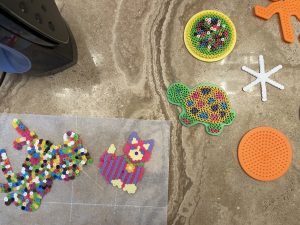
The resurgence of Perler beads, also known as fuse beads or iron beads, serves as a primary example of how mid-20th-century inventions have found new relevance in the 21st-century home. Originally patented in Sweden by Gunnar Knutsson in 1958 as a therapy for the elderly, these plastic polyethylene beads have evolved into a staple of early childhood education and domestic recreation. The process requires the placement of small, cylindrical beads onto a pegged board to create intricate patterns, which are then fused together using a thermal application, typically a household iron.

From a developmental perspective, the utility of fuse beads extends beyond simple entertainment. Pediatric occupational therapists frequently cite bead manipulation as a critical exercise for developing the pincer grasp—the coordination of the index finger and thumb—which is foundational for handwriting and self-care tasks. Furthermore, the activity encourages cognitive mapping and pattern recognition. As children transition from following pre-made templates to creating original "pixel art," they engage in a form of analog coding, translating mental images into a grid-based physical reality.
Market data indicates that the "arts and crafts" segment of the toy industry has seen a steady compound annual growth rate (CAGR) of approximately 4.5% over the past five years. This growth is driven by the affordability of these kits, which often provide thousands of units of play for a retail price under $20. For the modern parent, the value proposition lies in the "quiet time" generated; the high level of concentration required for bead placement allows for extended periods of independent play, a sought-after commodity in the era of remote work and domestic multitasking.
Diamond Painting and the Rise of "Flow State" Activities for Minors
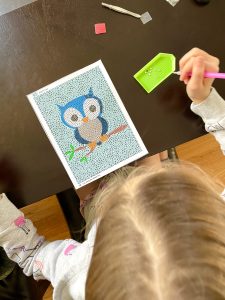
A more recent phenomenon in the craft market is "diamond painting," a hobby that emerged in Asia around 2010 before gaining massive international popularity. Despite its name, the activity involves no liquid pigment. Instead, it is a hybrid of cross-stitch and paint-by-numbers, utilizing small, multifaceted resin "diamonds" or "drills" applied to a pre-printed, adhesive canvas.
The appeal of diamond painting for children, particularly those in the 6-to-12-year-old demographic, lies in its structured nature. Unlike open-ended drawing, which can sometimes lead to "blank page syndrome" or frustration, diamond painting provides a clear, achievable roadmap to a professional-looking result. Psychologically, this induces a "flow state"—a term coined by psychologist Mihaly Csikszentmihalyi to describe a state of effortless concentration and enjoyment.
The inclusion of framing kits in modern diamond painting sets reflects a shift toward "functional crafts," where the end product serves a decorative purpose in the home, thereby boosting a child’s sense of efficacy and contribution to their environment. Analysts suggest that the success of these kits is a reaction to the ephemeral nature of digital entertainment; in a world of fleeting "likes" and temporary videos, children find profound satisfaction in the permanence of a physical, sparkling artifact.
Reimagining Classic Gameplay: The Strategic Depth of UNO Flip!
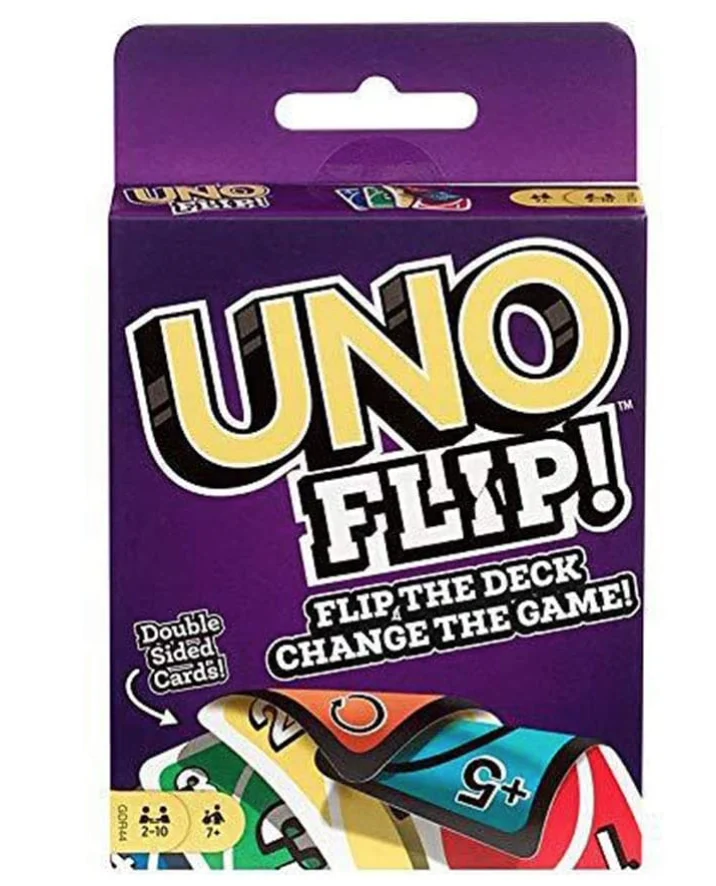
The tabletop game industry has not remained stagnant in the face of changing consumer preferences. Mattel’s "UNO Flip!" represents a strategic evolution of the classic 1971 card game, introducing a double-sided deck that fundamentally alters the game’s mechanics. This "Light Side" and "Dark Side" dynamic introduces higher stakes and requires players to manage two different sets of strategic possibilities simultaneously.
From a pedagogical standpoint, card games like UNO Flip! serve as essential tools for social-emotional learning (SEL). They teach turn-taking, impulse control, and the ability to manage the "fairness" of random outcomes. For younger children, the game reinforces color and number recognition, while for older children and adults, it introduces elements of probability and risk assessment. The portability of card games ensures their continued relevance in the travel and hospitality sectors, where parents prioritize compact, durable entertainment options that do not require an internet connection or battery power.
Seasonal Recreation: The Economic and Social Utility of Portable Splash Pads
As global temperatures continue to fluctuate, the demand for accessible, home-based water play has surged. The "splash pad" or "sprinkler mat," typically priced between $15 and $30, has emerged as a disruptive alternative to traditional inflatable pools. Unlike larger pools, which require significant water volume, chemical maintenance, and constant high-level safety supervision, splash pads offer a low-depth, high-activity environment that mitigates many of the risks associated with standing water.
The domestic splash pad reflects a broader trend in urban and suburban living where backyard space may be limited. These devices are easily pressurized via a standard garden hose and can be deployed or retracted in minutes. For the child, the sensory experience of moving water provides essential "heavy work" for the vestibular and proprioceptive systems. Economically, these products represent a high-value-per-use investment for families, particularly during summer months when municipal facilities may be crowded or inaccessible.
The Democratization of Digital Media: Child-Centric Photography
Perhaps the most significant technological shift in the domestic toy market is the advent of the "ruggedized" kids’ digital camera. Historically, digital photography was an expensive and fragile hobby, restricted to adults. However, the plummeting cost of CMOS sensors and durable plastics has allowed manufacturers to produce fully functional digital cameras tailored for small hands and high-impact use.
These devices, often retailing for under $25, are equipped with features that mirror professional equipment, including video recording, digital filters, and internal storage. However, their primary value is not in the quality of the image produced—which is often modest—but in the shift in perspective they allow. By giving a child a camera, parents are providing a tool for observational learning.
Photography encourages children to engage with their surroundings, identify subjects of interest, and understand the basics of composition and lighting. It fosters a sense of agency, allowing the child to document their world from their unique height and viewpoint. Furthermore, these devices serve as an entry point into digital literacy without the complexities or risks associated with internet-connected smartphones or tablets.

Market Implications and the Future of Domestic Play
The integration of these diverse activities—from the ancient concept of beadwork to the modern digital camera—signals a maturing market for children’s products. Consumers are increasingly discerning, moving away from "disposable" toys toward those that offer "play value," defined as the amount of time a child remains engaged with a product relative to its cost.
The broader implications for the toy industry are clear:
- The "Quiet Play" Premium: There is an increasing market value for products that facilitate independent, quiet engagement, allowing parents to balance professional and domestic responsibilities.
- Durability and Portability: As families resume travel and outdoor activities, the demand for compact, durable, and battery-independent (or long-life) toys remains high.
- STEM and Fine Motor Focus: The educational "hidden curriculum" of toys—developing dexterity, logic, and creative problem-solving—is now a primary marketing driver.
In conclusion, the current popularity of Perler beads, diamond painting, modified classic card games, portable water play, and child-specific technology is not a mere trend but a reflection of a sophisticated approach to child-rearing in the 2020s. By prioritizing activities that bridge the gap between education and entertainment, parents are fostering a generation that values both the precision of the craft and the joy of the experience. As the industry continues to evolve, the focus will likely remain on products that provide tangible, screen-free satisfaction in an increasingly digital world.