



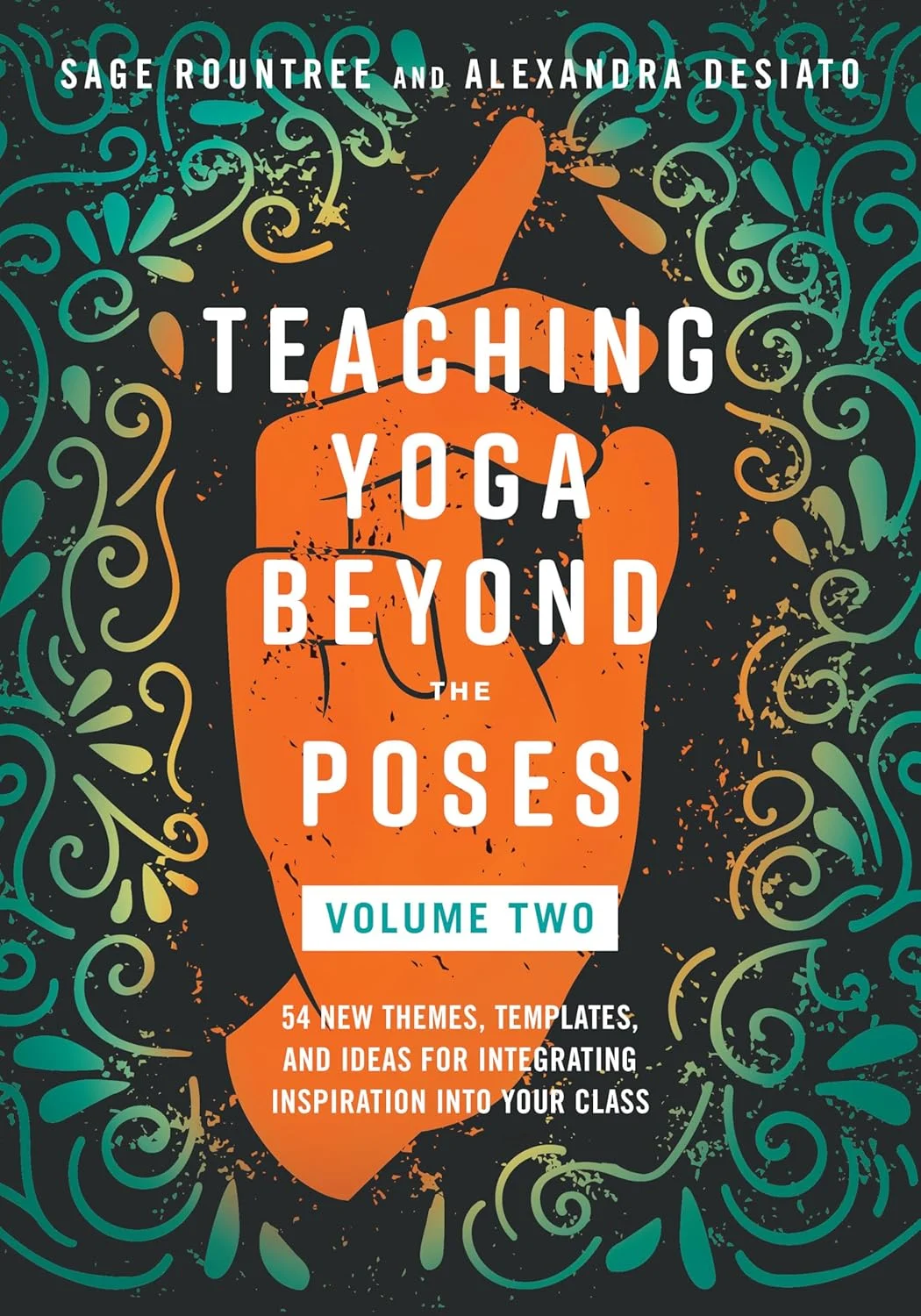
The Evolution of Yoga Instruction and the Role of Theming
The release of Teaching Yoga Beyond the Poses, Volume 2 follows a decade of significant transformation within the yoga community. Historically, the transmission of yoga was an oral tradition passed from guru to student, focusing heavily on philosophy and lifestyle. However, as yoga migrated to the West in the late 20th century, the emphasis shifted dramatically toward asana, or the physical poses. This "physical boom" led to the commodification of yoga, with a focus on fitness, flexibility, and athletic achievement.
By the early 2020s, a counter-movement began to gain momentum. Practitioners, increasingly stressed by modern digital life and global instability, began seeking the mental and emotional benefits of yoga that were often sidelined in fitness-oriented classes. This shift has necessitated a higher level of professional training for instructors. Modern yoga teachers are now expected to be part-time philosophers, community builders, and storytellers. Rountree and Desiato’s work addresses this professional need, providing a structured approach to "theming"—the practice of weaving a central idea or philosophical lesson throughout a physical class.
Theming is not merely "fluff" or "filling," as the authors note in the book’s third chapter. Instead, it is a vital tool for student retention and community growth. Authentic lessons that resonate on a personal level allow students to connect ancient wisdom to their contemporary lives. According to the authors, when a teacher offers a message that makes a student feel less alone or more connected to the human experience, they create a "sticky" environment that encourages students to return.
Chronology of the Beyond the Poses Series
The trajectory of the Beyond the Poses series reflects the changing pedagogical standards in the yoga world:
- 2019: Release of Volume 1. This initial volume established the groundwork for theming, offering instructors a way to introduce philosophical concepts without overwhelming the student. It focused on the basic structure of a themed class and how to find inspiration in daily life.
- 2020–2023: The COVID-19 pandemic forced yoga online, highlighting the need for verbal clarity and emotional connection in the absence of physical presence. Teachers who could theme effectively saw higher engagement in digital spaces.
- 2024–2025: Development and release of Volume 2. Recognizing that teachers required more diverse templates and advanced storytelling techniques, the authors compiled 54 new themes. This volume emphasizes the "takeaway"—ensuring the lesson lives beyond the 60-minute mat session.
Supporting Data: The Yoga Industry and Teacher Professionalization
The necessity for the content provided in Teaching Yoga Beyond the Poses, Volume 2 is supported by recent industry data. As of 2024, the global yoga market is valued at approximately $107 billion and is projected to grow to over $200 billion by 2032. However, the market for instructors is highly competitive. In the United States alone, there are over 100,000 registered yoga teachers (RYTs) through Yoga Alliance.
Market research indicates that "teacher quality" and "class atmosphere" are the top two reasons students choose one studio or instructor over another, often outranking price or location. Furthermore, a 2023 survey of yoga practitioners found that 68% of regular attendees prioritized "mental well-being" and "stress relief" over "physical fitness" as their primary reason for practicing. This data underscores the authors’ argument that creative choreography and skillful sequencing matter less than how a teacher makes a student feel.
Rountree and Desiato argue that "people will never forget how you made them feel," a sentiment that has become a cornerstone of modern service-based industries. By providing templates that help teachers regulate challenging emotions or reflect on personal values, the authors are essentially providing a blueprint for high-value service delivery in a saturated market.
Strategic Communication and the Art of Storytelling
A significant portion of the new volume is dedicated to the mechanics of communication. The authors break down the "Basics of Storytelling," a skill often overlooked in traditional 200-hour teacher training programs. Effective storytelling in a yoga context requires three specific elements: memorable details, a surprising element (or plot twist), and a clear resolution.

The authors highlight the importance of "subverting expectations." For example, they cite a story involving a "No Blond Mommies" sign—a personal anecdote used to illustrate a larger point about perception and change. By setting up a relatable scenario and then introducing a twist, teachers can hook the audience’s attention even during physically demanding sequences.
Furthermore, the book emphasizes the logistics of message delivery:
- Preparation: Using newsletters and email lists to "whet the appetite" for a theme before the class even begins.
- Repetition: Acknowledging that students typically only hear about a third of what is said in class, making repetition a pedagogical necessity rather than a flaw.
- Silence: The strategic use of silence to allow students space to hear their own thoughts, balancing the teacher’s voice with the student’s internal experience.
Responses from the Field: The Teacher-Student Dynamic
While official reviews for Volume 2 are pending its full release, early feedback from the yoga education community suggests that the book fills a critical gap in continuing education. Many instructors report "theming fatigue," where they struggle to come up with new, meaningful messages every week. The 54 templates provided in the book act as a labor-saving device for professionals who may be teaching 10 to 15 classes a week.
The authors also address the psychological aspect of teaching, advising instructors to "divorce your interpretation of a facial expression from your belief that what you’re saying matters." This is a crucial insight for new teachers who often misinterpret a student’s "listening face" (which may appear bored or disaffected) as a sign of failure. By focusing on the content of the message rather than the immediate feedback of the room, teachers can maintain their authenticity.
Broader Impact and Implications for Wellness Education
The publication of Teaching Yoga Beyond the Poses, Volume 2 signifies a broader trend toward the professionalization and intellectualization of wellness instruction. It moves yoga teaching away from the "fitness instructor" model and toward a "facilitator" model.
The implications for this shift are twofold:
- For Teachers: It provides a sustainable career path. By building a "student base" through deep connection and unique theming, teachers can transition from being interchangeable commodities to being sought-after specialists.
- For Students: It offers a more holistic health intervention. When yoga classes include reflections on values, emotional regulation, and human connection, they function as a form of community-based mental health support.
The "takeaway" method encouraged by Rountree and Desiato—where students are asked to reflect on how a theme applied to their past and how it will apply to their future—integrates the practice into daily life. This "long-tail" effect of a yoga class is what ultimately builds the "hard-core regulars" mentioned in the text.
As the yoga landscape continues to evolve, the tools provided in this volume will likely become standard curriculum for advanced teacher training. By focusing on the "beyond," Sage Rountree and Alexandra Desiato are not just teaching people how to lead a yoga class; they are teaching them how to build a community and sustain a professional practice in an increasingly complex world. Teaching Yoga Beyond the Poses, Volume 2 stands as a testament to the enduring power of yoga as a philosophical system, even when practiced in the modern, high-speed context of the 21st century.