



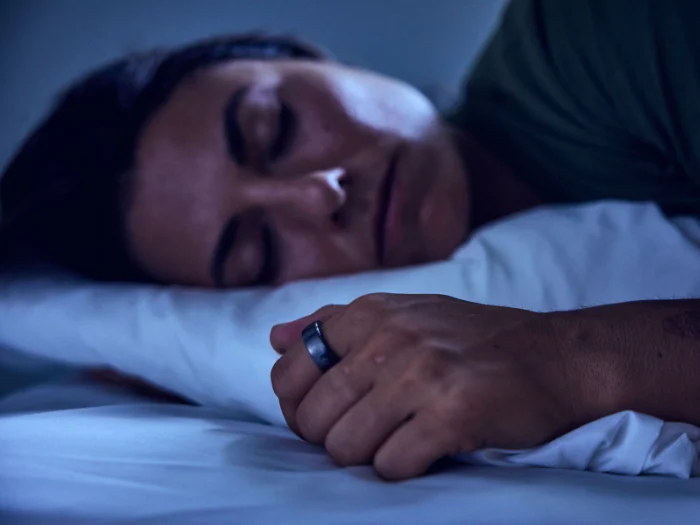
The landscape of modern defense is shifting from a reactive model of healthcare to a proactive framework of Human Performance Optimization (HPO), a transition underscored by the deepening integration of wearable technology into military operations. Oura, the company behind the Oura Ring, has spent the last several years solidifying its position as a primary biometric layer for defense and government organizations. By providing high-fidelity data on sleep, recovery, and physiological readiness, the platform has become a cornerstone for initiatives aimed at maintaining peak operational efficiency in high-stress environments. Central to this evolution is a strategic collaboration with Soaak Technologies, a human performance firm that utilizes Oura’s biometric insights to deliver personalized, sound-based wellness interventions designed to mitigate stress and enhance cognitive focus without disrupting mission-critical workflows.
The Evolution of Biometric Monitoring in Defense
The Department of Defense (DoD) has long sought methods to quantify the "human weapon system," recognizing that fatigue, cognitive decline, and physical strain are among the greatest risks to mission success. Historically, monitoring these factors relied on subjective self-reporting or invasive medical checkups, both of which are difficult to implement in active theaters of operation. The emergence of consumer-grade wearables that provide research-grade data has bridged this gap.
Oura’s involvement with the defense sector accelerated significantly during the COVID-19 pandemic. In 2020, the Air Force Materiel Command (AFMC) utilized Oura Rings to explore early infectious disease detection, leveraging the ring’s ability to track subtle changes in body temperature and respiratory rate before symptoms became overt. This proof of concept demonstrated that continuous monitoring could protect unit readiness by identifying potential health threats in real-time. Since then, the application of Oura’s technology has expanded from clinical health monitoring to comprehensive operational risk management (ORM).
A Chronology of Military Implementation and Field Testing
The adoption of Oura’s technology across various branches of the military follows a clear timeline of increasing sophistication and scale. These milestones reflect a growing confidence in the reliability of wearable data for high-stakes decision-making.
In 2021, the 435th Flying Training Squadron (FTS) began an innovation pilot program involving fighter training pilots. The objective was to integrate biometric data into the squadron’s daily risk management protocols. Pilots used Oura Rings to track their sleep quality and autonomic nervous system recovery overnight. By reviewing their "Readiness Scores" each morning, pilots and instructors could make informed decisions about flight schedules, potentially grounding individuals whose data indicated a high risk of fatigue-related errors.
By 2024, the scope of these programs expanded to include logistics and heavy-lift operations. The 62nd Airlift Wing, responsible for global airlift missions, adopted an advanced human performance program that utilized Oura as a primary tool for fatigue management. In the context of long-haul flights across multiple time zones, understanding the circadian disruption and recovery needs of aircrews is vital for preventing mishaps.
Looking toward 2025, the focus has shifted toward scientific validation. A peer-reviewed study conducted by researchers at a military medical research institution in collaboration with The Ohio State University recently evaluated the accuracy of various consumer wearables. The study found that the Oura Ring Gen3 and Oura Ring 4 demonstrated the highest levels of agreement for Heart Rate Variability (HRV) and Resting Heart Rate (RHR) measurements when compared to gold-standard medical equipment. This validation is critical for defense organizations that require high-integrity data to justify policy changes or operational shifts.
The Partnership with Soaak Technologies
While Oura provides the data, Soaak Technologies provides the intervention. Soaak specializes in sound-based wellness support, utilizing specific frequencies and "brain-hacking" audio interventions to shift the user’s physiological state. In military environments, traditional stress-reduction techniques—such as meditation or pharmaceutical interventions—may be impractical or carry undesirable side effects.
The Soaak platform pairs with Oura’s biometric data to create a feedback loop. When Oura detects signs of high stress, low recovery, or poor sleep, Soaak’s technology offers personalized sound-based compositions intended to support sleep optimization, stress resilience, and cognitive readiness. These interventions are "passive" and "non-invasive," meaning personnel can utilize them while performing other tasks or during rest periods without the need for specialized equipment or dedicated downtime.
This synergy addresses a persistent challenge in secure and operationally constrained environments: how to support the individual without interfering with the mission. By utilizing sound-based therapy, Soaak provides a tool that bypasses the need for the chemical or behavioral interventions that often face resistance in a tactical setting.
Scientific Underpinnings: Why HRV and RHR Matter
The reliance on Heart Rate Variability (HRV) and Resting Heart Rate (RHR) is not incidental. These two metrics are the most reliable indicators of the autonomic nervous system’s (ANS) state. The ANS is divided into the sympathetic branch (responsible for the "fight or flight" response) and the parasympathetic branch (responsible for "rest and digest").
In high-pressure environments, the sympathetic nervous system is often chronically overactive, leading to burnout, impaired judgment, and long-term health issues. A high HRV generally indicates a resilient, well-recovered system capable of adapting to stress, while a low HRV relative to an individual’s baseline suggests significant strain. By monitoring these signals, Oura allows military leaders and individual service members to see the "invisible" toll of combat, training, and sleep deprivation.
The 2025 study from The Ohio State University reinforces that the Oura Ring’s form factor—collecting data from the finger where the pulse signal is significantly stronger than at the wrist—provides a level of precision that is essential for these high-stakes applications.
Official Responses and Professional Assessments
The utility of this integrated approach has been noted by high-ranking medical and mental health professionals within the armed forces. Tiffany M. Harwood, a Major in the United States Air Force and Mental Health Flight Commander, provided a professional assessment of the Soaak and Oura integration.
Major Harwood observed that the pairing of the Soaak app with the Oura Ring provided a non-invasive means for individuals to reference physiological indicators such as recovery and autonomic strain. She noted that the technology allowed for the "modulation of an upregulated or agitated physiologic state in high-stress contexts." Crucially, she highlighted that this support occurred without interfering with mission execution or operational focus, a key requirement for any technology deployed in a military capacity.
While these observations reflect professional experience and do not constitute a formal endorsement by the Department of the Air Force, they underscore a broader acceptance of wearable-led wellness within the military medical community.
Broader Impact and Future Implications
The collaboration between Oura and Soaak Technologies represents a broader shift in the "Total Force Fitness" framework adopted by the DoD. This framework views the health of the service member as a holistic ecosystem, encompassing physical, nutritional, mental, and sleep health.
The implications of this technology extend beyond the cockpit or the battlefield. As defense organizations move toward a "proactive, whole-person optimization" model, the data collected by wearables can inform everything from training loads to deployment cycles. For instance, if a unit’s aggregate data shows a decline in recovery metrics, commanders may choose to adjust training intensity to prevent injuries before they occur. This predictive capability has the potential to save millions of dollars in medical costs and significantly increase the "deployability" of the force.
Furthermore, the focus on sleep as a performance enhancer is a cultural shift for the military, which has historically valorized sleep deprivation. By making the costs of fatigue measurable and visible through Oura’s Readiness Scores, the technology is helping to reframe rest as a tactical requirement rather than a luxury.
As Oura and Soaak continue to refine their integration, the next frontier will likely involve the use of Artificial Intelligence to provide even more granular predictive insights. The goal is not merely to collect more data, but to turn that data into actionable support that ensures the men and women in the most demanding roles on earth are as prepared, resilient, and focused as possible. This partnership serves as a blueprint for how the private sector and government entities can collaborate to enhance human performance in the modern age.