


The contemporary literary scene is a vibrant tapestry woven with diverse narratives, reflecting evolving reader tastes and dynamic publishing trends. A recent compilation of noteworthy reads showcases this breadth, spanning from young adult dystopian thrillers to poignant historical fiction, insightful memoirs, and the burgeoning "romantasy" subgenre. This selection underscores a significant shift in how readers discover and engage with literature, increasingly leveraging digital platforms and appreciating nuanced storytelling across traditionally distinct categories.
The Evolving Reading Landscape and Reader Preferences
The publishing industry has witnessed substantial transformations in recent years, driven by technological advancements and changing consumer habits. Digital reading platforms, such as Amazon’s Kindle Unlimited and library apps like Libby, have democratized access to books, allowing readers to explore a wider array of genres and authors at a reduced cost or no cost. This accessibility has particularly fueled the growth of niche genres and independent publishing. Data from industry reports consistently indicates a strong demand for genre fiction, with romance, fantasy, and young adult (YA) titles frequently topping bestseller lists and driving digital subscription services. The blend of these genres, often termed "romantasy" (romance + fantasy), represents a significant market segment, appealing to readers seeking immersive worlds combined with compelling romantic arcs.
Beyond digital access, social media platforms have emerged as powerful arbiters of literary trends. "BookTok," the literary community on TikTok, has become a kingmaker for many titles, propelling both new releases and backlist books into viral sensations. This phenomenon often highlights books with strong emotional impact, compelling characters, and specific tropes, contributing to a more community-driven approach to book discovery. The traditional critical rating system, while still prevalent, is often supplemented or even replaced by enthusiastic peer recommendations and qualitative reviews, reflecting a preference for shared enjoyment over strict numerical assessments.
Genre Spotlight: Dystopian and Science Fiction’s Enduring Appeal
The enduring appeal of dystopian and science fiction narratives, particularly within the young adult (YA) category, continues to captivate readers. These genres often serve as allegories for contemporary societal anxieties, exploring themes of power, survival, identity, and resistance against oppressive systems.
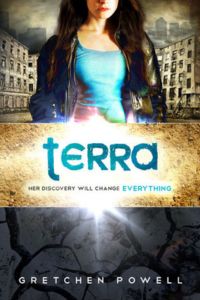
- The Terrestrials Series by Gretchen Fox (Terra & Underground): This two-book series, comprising Terra (Book #1) and Underground (Book #2), is a prime example of well-executed YA Dystopian/Science Fiction. The narrative posits a post-plague world bifurcated into an elite sky-dwelling society and ground-level survivors. Eighteen-year-old Terra’s journey as a scavenger who uncovers profound truths about her world resonates with the classic dystopian arc of individual awakening against systemic deception. The series draws favorable comparisons to seminal works like The Hunger Games and Divergent, both of which cemented YA dystopian fiction as a dominant force in the 2010s. The ten-year gap between the initial release of Terra and its sequel, Underground, highlights the dedication required for authors to revisit and complete their narrative arcs, a challenge often faced by writers in multi-book series. The eventual release of a long-awaited sequel can re-energize an existing fanbase and introduce the series to new readers, demonstrating the long tail of reader engagement in beloved fictional worlds. Furthermore, the author’s pivot towards an "adult romantasy" series indicates a strategic alignment with current market trends, where genre blending offers new avenues for creative expression and commercial success. Publishers and literary agents have observed the growing appetite for "romantasy," suggesting that authors who can skillfully merge intricate world-building with compelling romance are well-positioned in the current market.
Contemporary Romance: Beyond the "Light and Sweet" Stereotype
Contemporary romance, often perceived as a genre focused solely on lighthearted narratives, has significantly matured, incorporating complex emotional landscapes and addressing pertinent social issues while retaining its core appeal of happy endings.
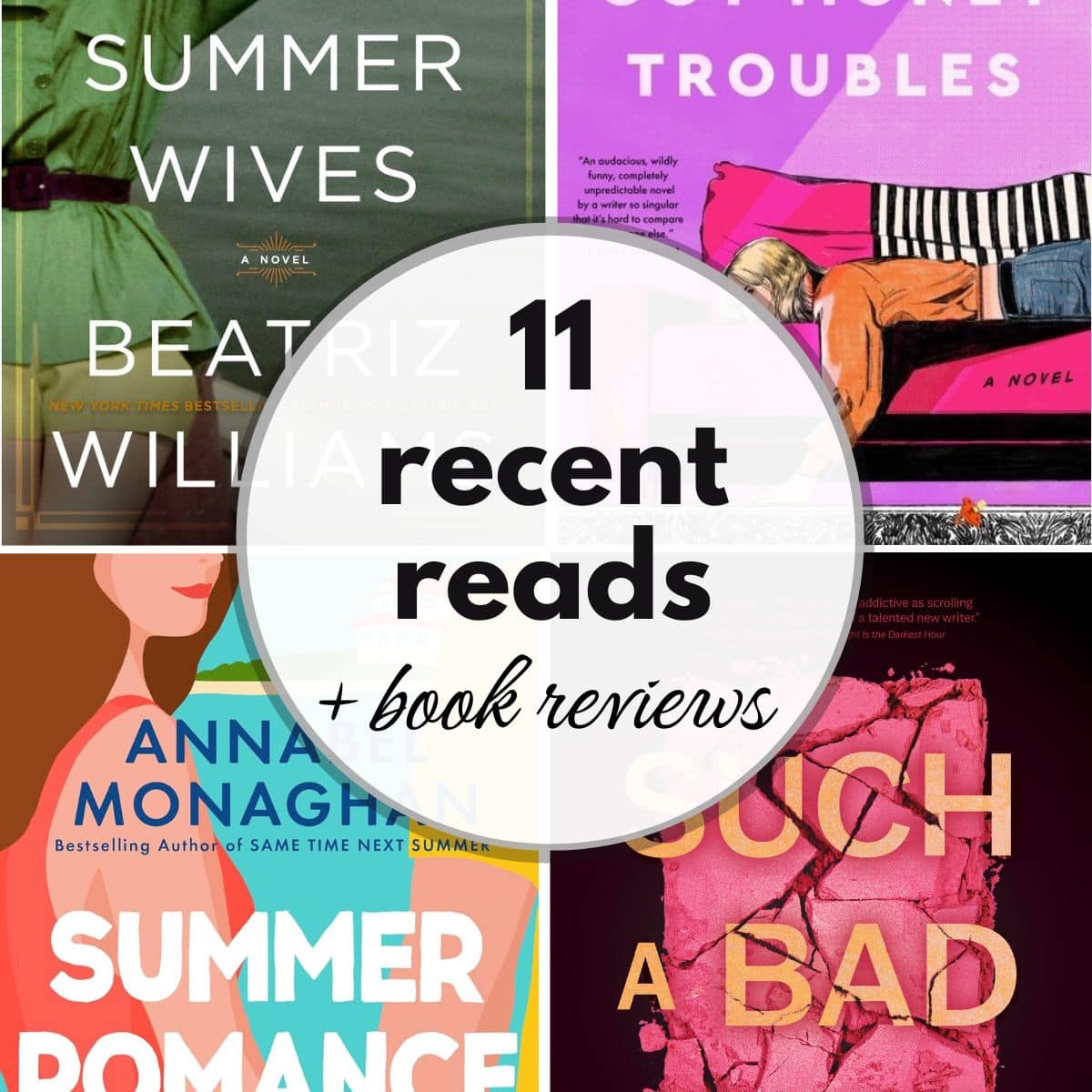
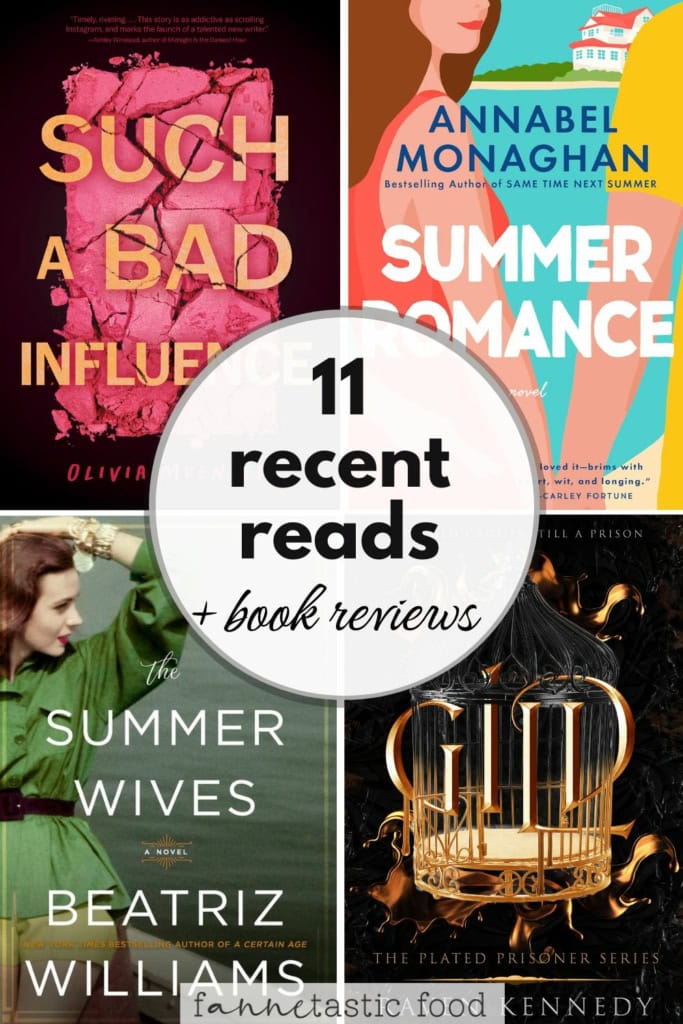
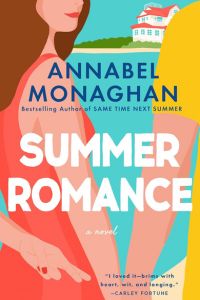
- Summer Romance by Annabel Monaghan: Monaghan’s work exemplifies the evolution of contemporary romance. The novel centers on Ali Morris, a professional organizer whose personal life is in disarray following loss and divorce. Her journey toward finding love while navigating personal challenges offers a narrative that is both "light and sweet" and deeply resonant. This approach reflects a broader trend in romance publishing, where authors are increasingly exploring themes of grief, mental health, career struggles, and self-discovery within the romantic framework, moving beyond simplistic plots to deliver richer, more relatable character arcs. Publishers note that readers are seeking romance that reflects the complexities of modern life, offering both escapism and emotional depth.
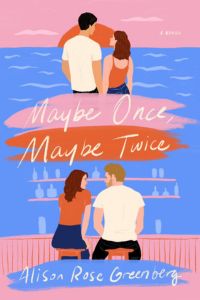
- Maybe Once, Maybe Twice by Alison Rose Greenberg: This novel further illustrates the genre’s capacity for intricate storytelling through its multi-timeline structure. Maggie Vine’s predicament of choosing between two long-standing marriage pacts on her 35th birthday allows for an exploration of destiny, choice, and the evolution of relationships over time. The use of shifting timelines is a narrative device that enhances suspense and allows for a deeper understanding of character motivations and historical connections, a technique increasingly adopted across various fiction genres to add complexity and emotional resonance. The emphasis on "great banter/dialogue" and "deeper plot lines" signifies the audience’s appreciation for well-crafted prose and substantive storytelling within the romance genre.
- The Pairing by Casey McQuiston: Casey McQuiston, celebrated for their groundbreaking Red, White & Royal Blue, continues to push boundaries in contemporary romance with The Pairing. This novel features two bisexual exes, Theo and Kit, who find themselves on the same European culinary tour. Their competitive quest to romance their Italian tour guide subtly underpins a narrative exploring rekindled feelings and self-discovery. McQuiston’s work is notable for its contribution to the growing visibility of LGBTQ+ romance in mainstream publishing. The integration of a "foodie" element—a romantic dining and wine tour—adds a sensory richness, blending culinary travelogue with romantic comedy. This genre fusion, where romance intertwines with other lifestyle elements, caters to a diverse readership interested in travel, food, and culture, alongside compelling love stories. The success of such novels highlights a clear demand for diverse representation and innovative settings within the romance genre.
Navigating Modernity: Memoirs, Mysteries, and Contemporary Fiction
Contemporary literature often serves as a mirror to society, reflecting current cultural phenomena, generational experiences, and anxieties.
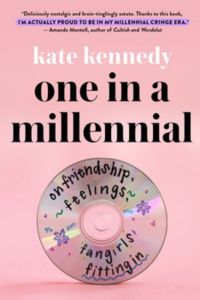
- One in a Millennial by Kate Kennedy: This non-fiction memoir/essay collection by podcast host Kate Kennedy offers a compelling cultural analysis of the millennial generation through the lens of 1990s pop culture. Kennedy’s exploration of shared experiences, from AIM screen-names to evolving societal expectations for women, resonates deeply with readers who identify as "Elder Millennials" or the "Oregon Trail Generation." This term describes individuals who experienced a unique technological transition, growing up pre-internet and cell phones but embracing them in early adulthood. The book’s ability to be both "delightful/hilarious nostalgia" and a "more serious discussion" about issues like purity culture and body image underscores the power of memoir to blend personal anecdotes with broader sociological commentary. The success of One in a Millennial illustrates the significant influence of podcasting and digital media personalities in transitioning to authorship, capitalizing on an established audience and a proven ability to connect with listeners.
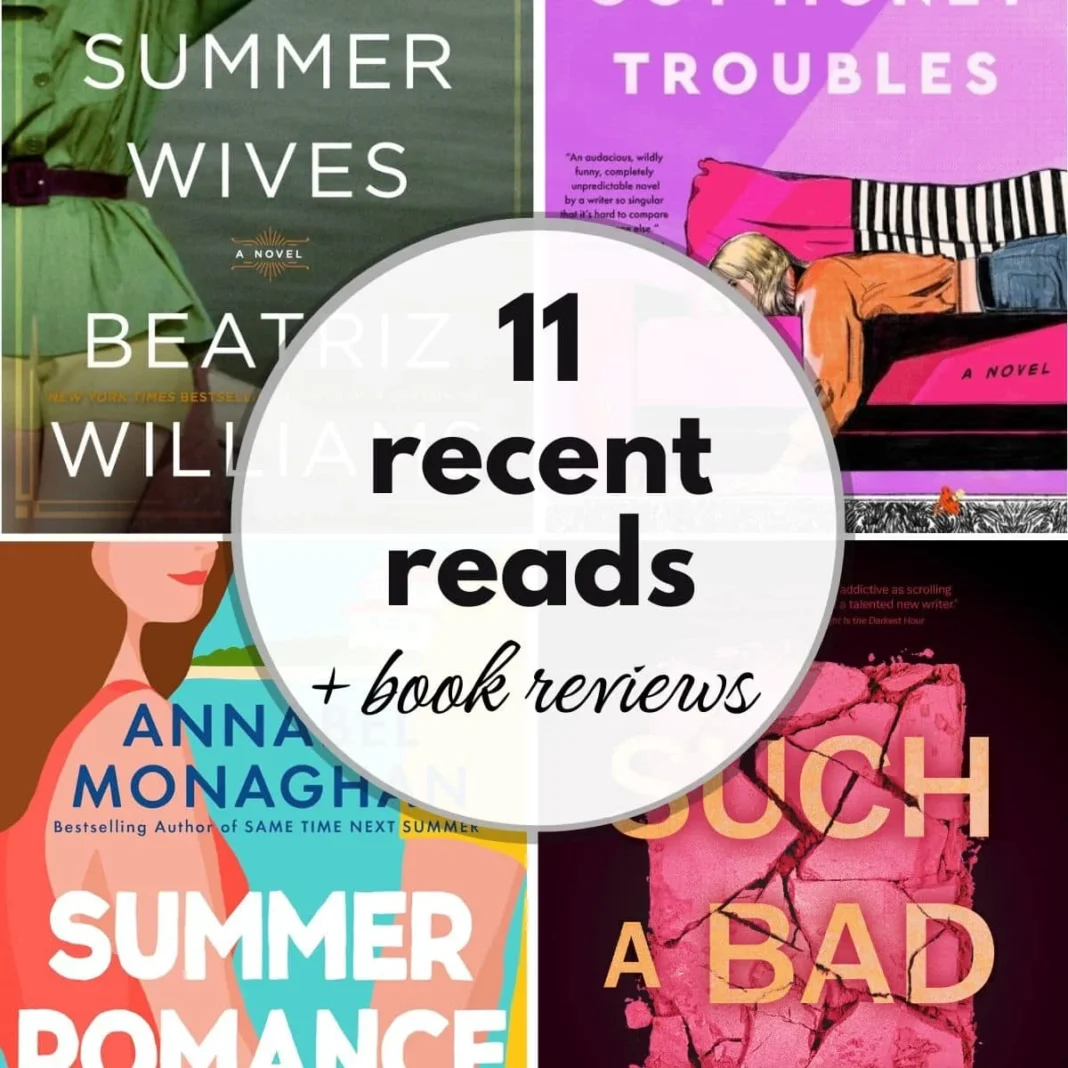
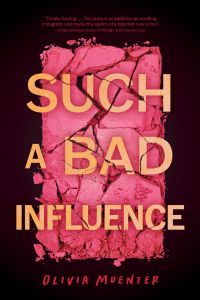
- Such a Bad Influence by Olivia Muenter: Olivia Muenter’s debut novel, a mystery/thriller, delves into the contemporary anxieties surrounding social media and influencer culture. The plot, concerning the disappearance of an 18-year-old multi-million dollar influencer during a livestream, forces her estranged sister, Hazel, to confront the hidden realities of Evie’s meticulously curated online life. Muenter, co-host of the "Bad on Paper" podcast, brings an insider’s perspective to the world of digital celebrity, offering a "poignant and really insightful" critique of the performative aspects and potential dangers of online influencing. This novel taps into a burgeoning subgenre of "social media thrillers" that explore themes of online identity, surveillance, and the blurred lines between public and private life in the digital age. It serves as a commentary on the societal implications of constant digital exposure and the pressures it places on individuals, particularly the young.
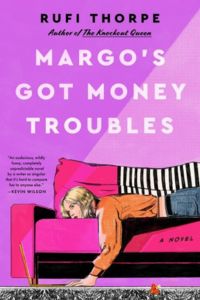
- Margo’s Got Money Troubles by Rufi Thorpe: This contemporary fiction novel presents a uniquely structured narrative about Margo, a twenty-year-old navigating an unplanned pregnancy, job loss, and eviction. Her unconventional plan to secure financial stability, aided by her ex-wrestler father, offers a story that is both "strange" and "incredibly charming and so creative." Thorpe’s ability to tackle "really hard topics" without making the narrative "super heavy" speaks to a nuanced approach to contemporary realism, where difficult circumstances are explored with insight and a distinct authorial voice. This book challenges traditional narrative conventions, demonstrating that compelling stories can emerge from unusual premises and character dynamics, pushing the boundaries of what constitutes mainstream contemporary fiction.
- I’ll Give You the Sun by Jandy Nelson: This Young Adult contemporary fiction novel explores the intense and often fraught relationship between artistic twins, Noah and Jude. Their estrangement following a devastating event, told through alternating perspectives and timelines, allows for a deep dive into themes of identity, loss, and the complex dynamics of sibling love. Nelson’s "gorgeous and incredibly unique and creative" writing style, combined with the dual narrative structure, elevates a coming-of-age story into a profound exploration of healing and reconnection. YA literature, as evidenced by this novel, increasingly tackles profound emotional and psychological themes with artistic ambition, demonstrating its capacity for serious literary merit beyond its target demographic.
Historical Fiction and the Allure of the Past (with a Touch of Magic)
Historical fiction remains a steadfast genre, offering readers a window into different eras, often enriched by elements of mystery, romance, or even magical realism.
- The Lost Bookshop by Evie Woods: This novel blends historical fiction with magical realism, following three individuals whose lives converge at a mystical bookshop in Dublin. The narrative explores themes of resilience and transformation, as characters "feeling beaten-down by the world" find solace and new paths. The inclusion of magical realism, a literary device that introduces fantastical elements into a realistic setting, adds an ethereal quality to the historical backdrop, providing a "nice escape" while still engaging with "hard/heavy topics." This subgenre appeals to readers who appreciate historical depth alongside a touch of the extraordinary.
- The Summer Wives by Beatriz Williams: Set against the backdrop of a New England island in the mid-20th century, this historical fiction novel by Beatriz Williams exemplifies the genre’s ability to weave intricate plots with rich period detail. The story of Miranda, navigating high society expectations in 1951 and returning years later to seek justice, features the dual timeline structure popular in historical fiction. This allows for a gradual unveiling of secrets and interconnected events, where "overlapping characters and situations" converge in a satisfying climax. Williams’ "stunning" writing is indicative of authors who excel at crafting immersive historical settings and complex character relationships, often exploring themes of class, scandal, and enduring love. The consistent popularity of historical fiction underscores a readerly desire to understand the past, often through the lens of human drama and enduring mysteries.
The "Romantasy" Phenomenon: A Genre on the Rise
The emergence and rapid growth of "romantasy" as a distinct and highly popular genre mark a significant development in contemporary publishing. This hybrid genre, combining elements of fantasy with explicit romantic narratives, often caters to adult readers seeking immersive world-building alongside passionate love stories.
- The Plated Prisoner Series by Raven Kennedy: This series, inspired by the legend of King Midas, is a prime example of the "romantasy" phenomenon. It follows a young woman navigating a golden castle and a deceptive king, ultimately uncovering truths about power and love. The series is characterized by its "action-packed" plot, "incredible slow burn" romance, and "spicy" content—elements that are hallmarks of successful romantasy titles. Its comparison to series like A Court of Thorns and Roses and From Blood and Ash positions it within a highly influential lineage of books that have defined this subgenre. The fact that many readers discover and binge these series via Kindle Unlimited highlights the platform’s role in cultivating and disseminating genre fiction, often bypassing traditional gatekeepers. Romantasy’s success reflects a strong reader demand for narratives that blend epic fantasy elements with explicit, character-driven romance, often featuring strong heroines and morally complex heroes. The rapid consumption of multi-book series within this genre further indicates a highly engaged and dedicated fanbase.
Broader Impact and Implications for the Literary World
The diverse collection of recent reads highlights a thriving and adaptable literary landscape. Several key trends are evident: the increasing prevalence of genre blending, the critical role of digital platforms in book discovery and consumption, and the undeniable influence of social media on publishing trends. Authors are increasingly tackling complex themes—from societal critique to personal trauma—within popular genres like romance and YA, demonstrating the versatility and depth these categories can achieve.
For readers, these trends translate into greater choice and easier access to a wider variety of stories. The emphasis on qualitative recommendations over rigid rating systems fosters a more community-oriented approach to reading, where shared enjoyment and discussion take precedence. For the publishing industry, this necessitates continuous adaptation, exploring new distribution channels, recognizing emerging subgenres, and understanding the evolving dynamics of reader engagement. The success of authors like Kate Kennedy and Olivia Muenter, who leverage their established digital presences, also points to new pathways for literary careers. Ultimately, the current literary climate is one of innovation and accessibility, promising a rich and varied future for both creators and consumers of books.