




The Evolution of the Athleisure Market: Functionality Over Brand Prestige
The current state of the women’s activewear market reflects a significant pivot toward ergonomic design and affordability. For years, the industry was dominated by high-end retailers where basic workout shorts and leggings were priced between $80 and $120. However, current market analysis identifies a surge in the "high-utility, low-cost" segment, where products priced between $25 and $35 are capturing a substantial market share.
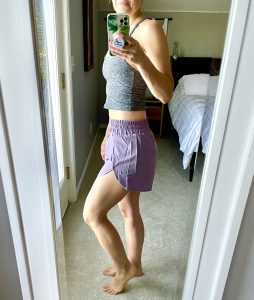
A primary example of this trend is the rise of specialized active workout shorts designed for multi-sport use, such as hiking, indoor cycling, and high-intensity interval training (HIIT). Consumer feedback indicates that the modern female athlete prioritizes specific design features: a high-waisted silhouette for core support, extended rear length for coverage during movement, and lightweight, breathable fabrics. The emergence of high-performance shorts at the $25 price point represents a democratization of fitness apparel, allowing consumers to access technical gear without the "luxury tax" associated with legacy brands.

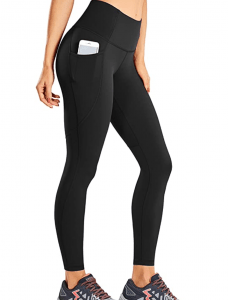
Similarly, the leggings market has seen a stabilization around the "all-day wear" concept. High-waisted workout pants are no longer viewed strictly as gym attire but as essential components of a daily wardrobe. This crossover utility—spanning from domestic tasks to rigorous physical training—has made durability a primary metric for consumer satisfaction. Market reports suggest that products capable of withstanding the rigors of household maintenance, childcare, and athletic performance simultaneously are currently the most sought-after items in the e-commerce sector.
Percussive Therapy and the Democratization of Recovery
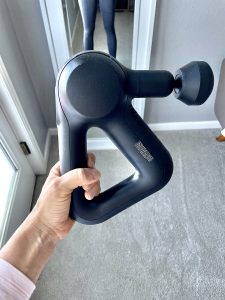
One of the most significant technological advancements in the wellness space is the transition of percussive therapy from professional athletic training rooms to the average consumer’s living room. Devices such as the Theragun have redefined the recovery phase of physical fitness. Percussive therapy involves the application of rapid, concentrated pulses of pressure into the muscle tissue, which facilitates increased blood flow, reduces myofascial pain, and improves range of motion.
Historically, such treatments were only available through licensed physical therapists or chiropractors. The introduction of handheld massagers has allowed users to manage chronic muscle soreness and "achy" sensations independently. Medical data suggests that regular use of percussive devices can inhibit the Golgi tendon organ, effectively relaxing overactive muscles and reducing the need for over-the-counter anti-inflammatory medications like ibuprofen. While these devices often represent a higher initial investment, the long-term cost-benefit analysis favors the consumer by reducing the frequency of professional massage appointments and improving overall physical longevity.
Chronology of the Home Fitness Revolution (2020–2024)
The trajectory of the current fitness product landscape can be traced through a clear chronological progression:
- Phase 1: The 2020 Pivot (The Emergency Phase): With the closure of global gym facilities, consumers scrambled to acquire any available equipment. This led to a massive shortage of traditional tools like dumbbells and stability balls.
- Phase 2: The 2021 Optimization (The Home Gym Build-Out): As remote work became standardized, consumers began investing in more sophisticated tools. This period saw the rise of percussive therapy devices as individuals sought to manage the physical strain of sedentary desk work combined with home workouts.
- Phase 3: The 2022–2023 Value Shift (The "Dupe" Era): Inflationary pressures led consumers to seek high-quality alternatives to expensive brands. The $25 workout short and $32 legging became the gold standard for value-conscious fitness enthusiasts.
- Phase 4: 2024 and Beyond (The Integration Phase): Current trends show a focus on "clean" wellness, where fitness gear, recovery tools, and skincare are integrated into a holistic health routine.
The Resurgence of Low-Tech Equipment: The Gym Ball
Despite the influx of high-tech smart gyms and AI-driven mirrors, traditional low-tech equipment like the gym ball (also known as a stability or Swiss ball) remains a staple in the industry. The gym ball’s enduring popularity is attributed to its versatility in core stabilization and postural correction. Physical therapists frequently recommend the tool for its ability to engage deep stabilizer muscles that are often neglected during machine-based training.
Furthermore, the gym ball exemplifies the "multi-generational" utility of modern home fitness tools. In households with children, these items often double as recreational tools, increasing their perceived value. The integration of gym balls into "Unlimited" or subscription-based digital workout platforms has further solidified their place in the modern home, proving that simplicity often outperforms complexity in long-term fitness adherence.
Skincare Science: The Shift to "Clean" and Functional Cleansers
The final pillar of the modern wellness trend is the intersection of fitness and dermatological health. Sweating during physical activity necessitates a robust skincare routine, yet there is a growing consumer backlash against harsh chemicals. The popularity of products like the Amara Beauty Facial Cleanser highlights a broader market move toward "clean beauty"—products free of parabens, sulfates, and synthetic fragrances.
Technical analysis of these cleansers reveals a focus on maintaining the skin’s natural pH balance while effectively removing lipids, sweat, and environmental pollutants. The consumer demand for "gentle but effective" solutions has forced manufacturers to move away from heavy detergents in favor of plant-based surfactants. This trend is particularly prevalent among the "active" demographic, who may wash their faces multiple times a day due to workout schedules and require non-stripping formulas to prevent skin barrier degradation.
Supporting Data and Market Projections
Recent economic data supports these observations:
- Athleisure Market Growth: The global athleisure market size was valued at USD 330.97 billion in 2022 and is expected to expand at a compound annual growth rate (CAGR) of 9.1% from 2023 to 2030.
- Recovery Tools: The percussive massage gun market is projected to grow by USD 250 million between 2021 and 2026, as consumers prioritize self-care and injury prevention.
- Clean Beauty: The organic skincare market is expected to reach USD 21 billion by 2027, driven by the same demographic that invests in high-quality workout gear.
Official Responses and Industry Perspectives
Industry experts and physical therapists have noted that the current consumer preference for these specific types of products is not merely a fad but a fundamental change in health management. "We are seeing a more educated consumer," says one industry analyst. "They are no longer buying a brand name; they are buying a specific waist height, a specific fabric density, and a specific stroke length in their massagers. They are looking for professional results at home."
Retailers have responded by increasing the transparency of their supply chains and focusing on "real-world" testing. The success of products that are "regularly used and tried" by influencers and professionals alike underscores the importance of peer recommendation over traditional advertising. In an era of digital saturation, authentic testimonials regarding the durability of a $32 pair of leggings carry more weight than a multi-million dollar celebrity endorsement.
Broader Impact and Implications
The implications of these trends extend beyond simple consumerism. The shift toward affordable, high-quality fitness gear and recovery tools suggests a long-term improvement in public health accessibility. When professional-grade recovery (Theragun), effective core training (gym balls), and durable athletic apparel are available at accessible price points, the barriers to maintaining a consistent physical activity regimen are significantly lowered.

Furthermore, the move toward "clean" and sulfate-free skincare reflects a growing environmental consciousness among consumers. As individuals seek products that are "clean as a whistle" without being harsh, they are inadvertently driving the industry toward more sustainable and biodegradable formulations.
In conclusion, the convergence of affordability, functionality, and health-conscious manufacturing is defining the wellness landscape of 2024. Consumers are increasingly favoring products that offer multi-functional utility—items that can transition from a rigorous mountain hike to a domestic environment without sacrificing comfort or performance. As the market continues to evolve, the brands that prioritize these core tenets of durability and value are likely to maintain their dominance in the increasingly competitive global wellness economy.