



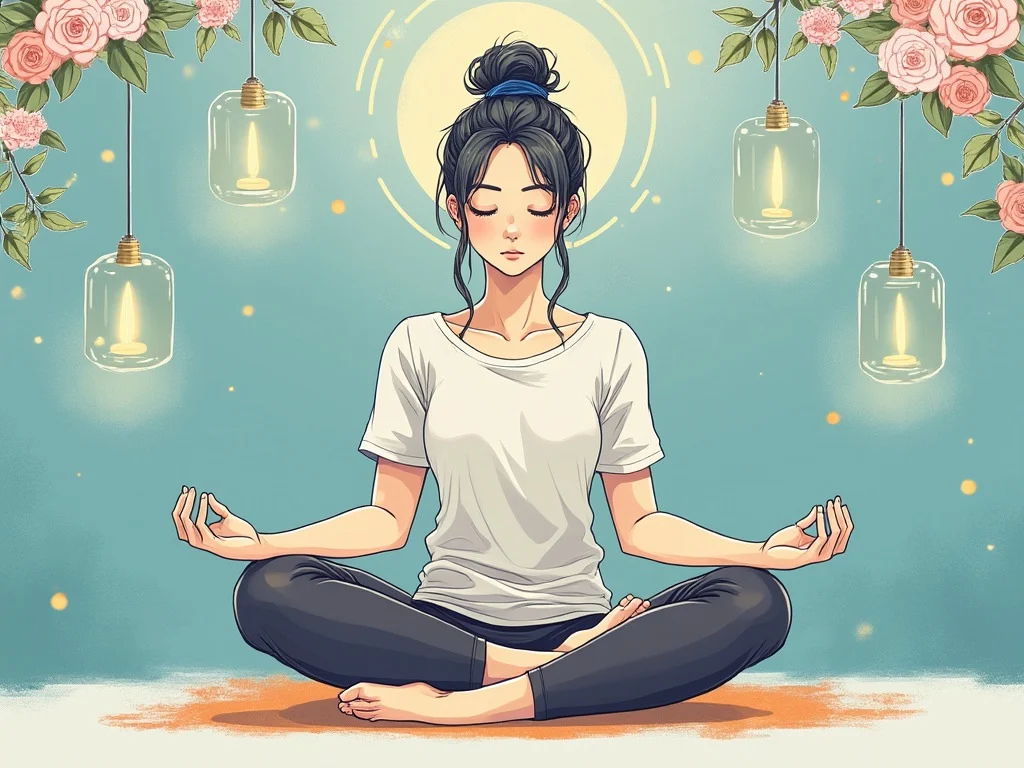
The Historical and Philosophical Evolution of Breathwork
To understand the current tension between breath and pose, one must examine the chronological development of yoga. In the classical tradition, specifically as codified in Patanjali’s Yoga Sutras approximately 2,000 years ago, "asana" is defined as a "steady and comfortable seat." Out of the Eight Limbs of Yoga, physical postures represent only the third limb, serving primarily as a preparation for the fourth limb, "pranayama," and subsequent meditative states.
For centuries, the physical body was viewed as a vessel for the breath. It was not until the early 20th century, during the "Physical Culture" movement, that yoga began to incorporate elements of Western gymnastics and wrestling, leading to the complex postural sequences familiar to modern practitioners. Despite this shift toward physicality, traditionalists maintain that an asana performed without conscious breath is merely "acrobatics," whereas a simple movement performed with deep, rhythmic breathing constitutes "yoga." This distinction is critical for practitioners seeking the holistic benefits of the practice rather than just physical flexibility.
The Biological Mechanism: The Vagus Nerve and Nervous System Regulation
The primary reason for prioritizing breath over the physical pose is rooted in human biology. Modern medical research, including studies published in the Journal of Physical Therapy Science, highlights the role of the breath in modulating the autonomic nervous system. When a practitioner focuses on deep, diaphragmatic breathing, they stimulate the vagus nerve, the longest nerve of the autonomic nervous system, which interfaces with the heart, lungs, and digestive tract.
This stimulation triggers the parasympathetic nervous system—the "rest and digest" mode—which effectively counteracts the sympathetic nervous system’s "fight or flight" response. In high-intensity yoga classes, the body often perceives physical strain as a stressor, causing the breath to become shallow and the heart rate to rise. By consciously slowing the breath, the practitioner sends a signal to the brain that the body is safe, even in a challenging position. This neurological feedback loop allows for greater muscular release and prevents the "guarding" reflex, where muscles tighten to protect themselves from perceived injury.
Supporting Data on Respiratory Health and Mental Well-being
Data from the American Psychological Association suggests that mindful breathing exercises can significantly reduce levels of cortisol, the body’s primary stress hormone. In a clinical context, "Ujjayi" breathing—a technique involving the slight constriction of the glottis to create a resonant, oceanic sound—has been shown to increase sinus arrhythmia, a marker of high heart rate variability (HRV). High HRV is associated with better cardiovascular health and increased emotional resilience.
Furthermore, a 2020 study on the effects of yoga on anxiety disorders found that participants who focused specifically on breath synchronization reported a 40% greater reduction in symptoms compared to those who focused solely on the physical alignment of poses. This suggests that the "meditative" quality of yoga, which is facilitated by the breath, is the primary driver of its mental health benefits.
The Impact of "Performance Yoga" and the Aesthetic Shift
The rise of digital media has created a "performance" culture within yoga that often prioritizes the "pose" for its visual appeal. This shift has led to an increase in yoga-related injuries, particularly in the hamstrings, lower back, and wrists. Physical therapists note that when practitioners chase the "perfect pose" without the support of the breath, they often bypass their body’s natural limits, leading to overextension.
"The breath is the barometer of the practice," says many veteran instructors. If the breath is strained, the pose is too deep. By returning the focus to the breath, practitioners develop "proprioception"—an internal sense of the body’s position in space. This awareness allows for a safer and more sustainable practice. In a newsroom-style analysis of the industry, it is evident that studios are beginning to see a "return to basics," with "Slow Flow" and "Yin Yoga" classes gaining popularity over high-speed "Power Yoga," reflecting a societal desire to de-stress rather than just perform.
Technical Applications: Integrating Breath into the Asana
For a practitioner to effectively shift focus, specific techniques must be employed. The synchronization of movement with breath is known as "Vinyasa." In this system, every movement has an assigned breath: inhalations are typically paired with movements that open the front of the body or reach upward, while exhalations are paired with folds, twists, or compressions.
- The Anchor Effect: The breath serves as a mental anchor. During a 60-minute session, the average person’s mind will wander hundreds of times. By treating the breath as a constant point of return, the practitioner trains the brain in "sustained attention," a core component of cognitive health.
- Ujjayi Breath (Victorious Breath): This technique creates internal heat and provides an audible rhythm to follow. The sound acts as a biofeedback mechanism; if the sound becomes jagged or stops, it indicates that the practitioner has exceeded their physical capacity.
- Nadi Shodhana (Alternate Nostril Breathing): Often used as a bookend to physical practice, this technique is designed to balance the left and right hemispheres of the brain, promoting a state of "equanimity"—mental calmness and composure.
Expert Perspectives and Industry Responses
Industry leaders and medical professionals are increasingly advocating for "Breath-First" methodologies. Dr. Timothy McCall, author of Yoga as Medicine, has long argued that the therapeutic benefits of yoga are largely lost when the breath is ignored. In recent years, major yoga teacher training programs (YTTs) have faced criticism for not dedicating enough hours to pranayama, leading to a new wave of certifications that focus exclusively on the science of respiration.
From a public health perspective, the implications are significant. As healthcare systems grapple with an epidemic of stress-related illnesses, yoga offers a low-cost, accessible tool for self-regulation. However, this is only effective if the practice is taught as a respiratory-driven discipline. Public health officials have noted that "yoga for the breath" is more inclusive than "yoga for the pose," as it allows individuals with limited mobility, chronic pain, or older age to participate in the most beneficial aspects of the practice without needing to achieve complex physical shapes.
Conclusion: The Broader Impact on Modern Life
The transition from focusing on the pose to focusing on the breath represents a move from the external to the internal. In a culture that prioritizes "doing" and "achieving," the breath offers a sanctuary of "being." By prioritizing the breath, the yoga mat becomes a laboratory for life. The ability to remain calm and breathe deeply while holding a difficult "Warrior II" pose translates directly to the ability to remain calm and breathe deeply during a high-pressure business meeting or a personal crisis.
Ultimately, the physical pose is temporary, but the breath is constant. As the global yoga community continues to evolve, the reintegration of breath as the central pillar of the practice is likely to define the next era of wellness. Practitioners are encouraged to remember that the most advanced yoga is not the one who can touch their toes, but the one who can remain present and breathe through the challenges of the moment. Focus on the breath, not the pose; the former nourishes the soul, while the latter merely stretches the muscle.