



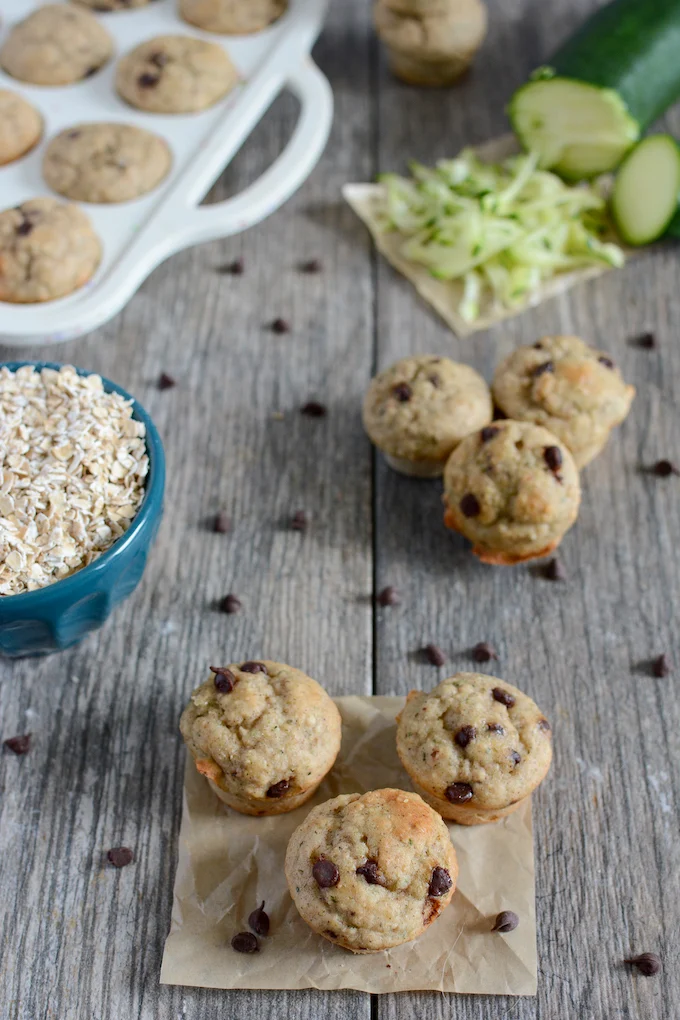
The development and increasing popularity of recipes like the Healthy Oatmeal Chocolate Chip Mini Muffins reflect a broader societal shift towards mindful eating and a heightened awareness of nutritional content. In an era where processed snacks often dominate supermarket aisles, consumers are actively seeking transparency in ingredients and tangible health benefits from their food choices. This particular recipe stands out by integrating functional ingredients that contribute substantially to satiety and overall well-being, moving beyond mere calorie counting to focus on nutrient density. The inclusion of Greek yogurt not only enhances the protein content but also plays a crucial role in the muffin’s texture, offering a moistness that can often be elusive in healthier baked goods. Oats, a well-established source of soluble fiber, contribute to digestive health and prolonged fullness, while the ingenious addition of finely grated zucchini provides an undetectable vegetable boost, a common strategy for increasing nutrient intake, particularly for children.
The Evolution of Healthy Snacking: A Chronological Perspective
The trajectory towards snacks like these muffins has been a gradual but persistent one. In the late 20th century, the focus of "healthy" snacks often revolved around low-fat or fat-free alternatives, which frequently compensated for flavor by increasing sugar or artificial ingredients. The early 2000s saw a rise in whole grain advocacy, pushing oats and other unrefined carbohydrates into the mainstream. More recently, the emphasis has pivoted towards protein and fiber, recognizing their critical roles in satiety, muscle maintenance, and blood sugar regulation. Concurrently, public health campaigns have increasingly highlighted the importance of fruit and vegetable consumption, leading to innovative approaches to incorporate them into everyday foods. The integration of "hidden vegetables" into baked goods, a practice that gained significant traction in the last decade, directly responds to the challenge of encouraging children to eat more greens. Recipes like these mini muffins embody this culmination of trends, presenting a multi-faceted solution that addresses various nutritional priorities simultaneously.
Nutritional Deep Dive: Unpacking the Core Ingredients
At the heart of the Healthy Oatmeal Chocolate Chip Mini Muffins’ appeal is its carefully selected ingredient list, each component contributing to its healthful profile:
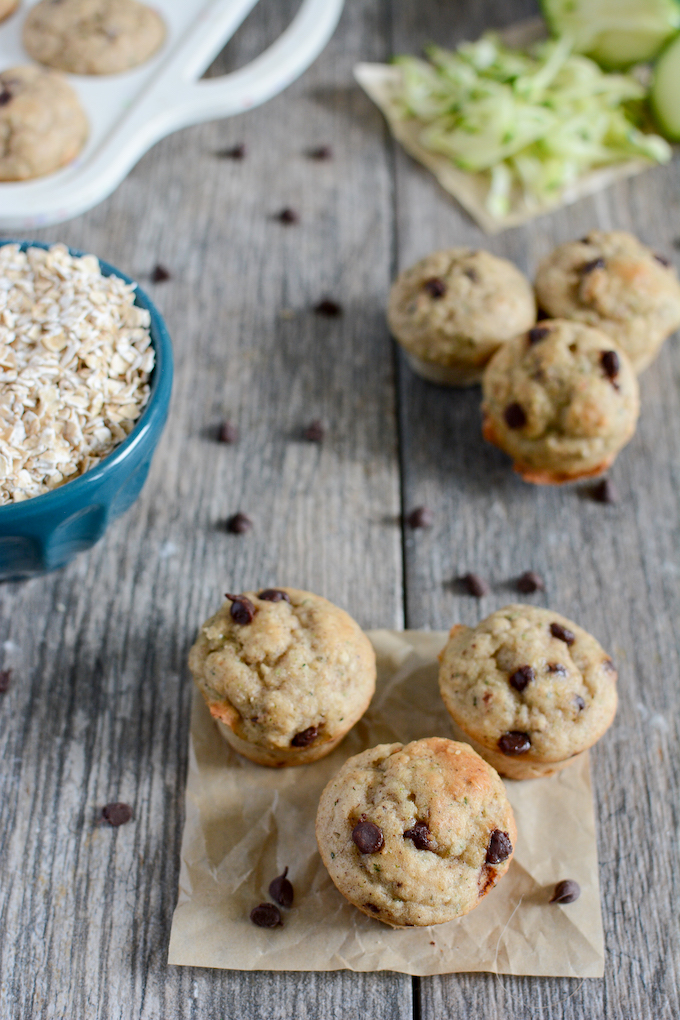
- Greek Yogurt: A cornerstone of this recipe, Greek yogurt is celebrated for its significantly higher protein content compared to regular yogurt, often double or triple the amount. A typical serving can provide upwards of 15-20 grams of protein, crucial for muscle repair and growth, and extending satiety. Beyond its macronutrient contribution, Greek yogurt’s acidity reacts with baking soda, producing a tender crumb and light texture. Its inherent moisture allows for a reduction in added fats like oil or butter, without compromising the muffin’s palatability. Furthermore, unflavored Greek yogurt often contains beneficial probiotics, which support gut health, an increasingly recognized aspect of overall wellness. For this recipe, whole milk plain Greek yogurt is recommended for optimal texture and richness, though low-fat options are viable with minor textural adjustments.
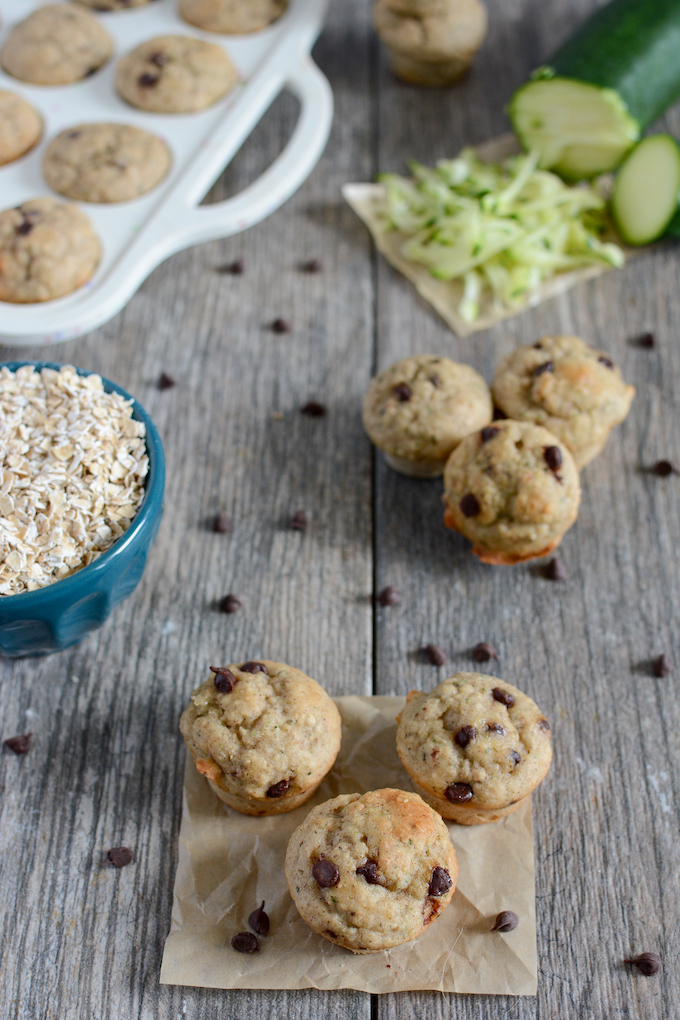
- Oats: As a primary dry ingredient, oats bring a wealth of benefits. They are a rich source of soluble fiber, specifically beta-glucan, which has been scientifically linked to reducing LDL (bad) cholesterol levels and stabilizing blood glucose. This sustained energy release is invaluable for preventing the sugar crashes often associated with less wholesome snacks. The recipe’s preference for quick oats, or finely processed rolled oats, ensures a smooth texture that integrates seamlessly into the muffin structure, making the fiber content less noticeable to picky eaters.
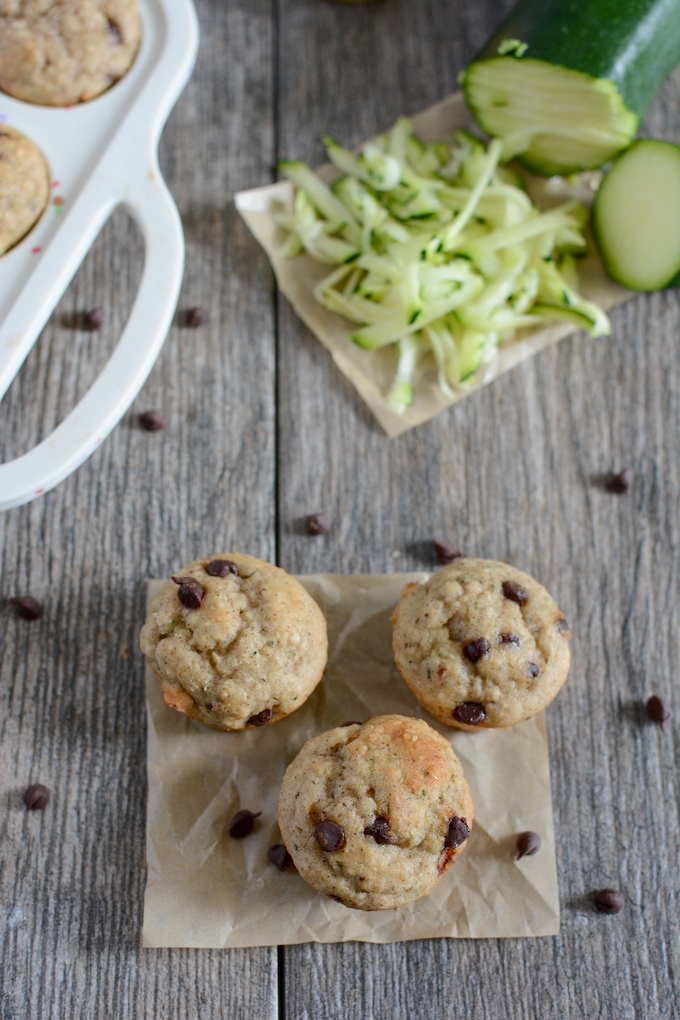
- Zucchini: The "secret weapon" of these muffins, zucchini is a low-calorie vegetable packed with vitamins A and C, potassium, and antioxidants. When grated finely and incorporated into the batter, its mild flavor is virtually undetectable, yet it adds a significant boost of moisture and nutrients. This strategy is particularly effective for parents aiming to increase vegetable intake for children who might otherwise resist green foods. The moisture from zucchini also synergizes with Greek yogurt to maintain the muffins’ tender consistency.
- Hemp Hearts: For an additional layer of nutritional enhancement, the inclusion of hemp hearts is a strategic choice. These small, shelled seeds are a complete protein source, meaning they contain all nine essential amino acids. They are also rich in omega-3 and omega-6 fatty acids in an optimal ratio, known for their anti-inflammatory properties and benefits for heart and brain health. Their subtle, nutty flavor complements the other ingredients without overpowering the overall taste.
- Mini Chocolate Chips: While these muffins prioritize health, they don’t shy away from a touch of indulgence. Mini chocolate chips provide bursts of flavor and sweetness, making the muffins more appealing, especially to younger palates. The "mini" format ensures that the sweetness is distributed evenly and helps in portion control, aligning with the ethos of balanced enjoyment rather than strict deprivation.
Baking Science and Practicality: Achieving Optimal Results
The recipe’s success hinges on a few key baking principles that maximize the benefits of its healthy ingredients:
- Food Processor Integration: The recommendation to use a food processor for blending wet ingredients and finely chopping oats and zucchini is critical. This technique ensures that the texture of the oats is softened and the zucchini is rendered nearly invisible, preventing detection by discerning eaters. For those without a food processor, a blender for wet ingredients followed by manual mixing of dry components is an acceptable alternative, though the texture may vary slightly.
- Preventing Dryness and Density: Common pitfalls in muffin baking, particularly with healthier recipes, include over-mixing and over-baking. Over-mixing develops gluten excessively, leading to a dense, chewy texture. The instruction to mix until just combined, rather than thoroughly beaten, is vital for maintaining a tender crumb. Similarly, over-baking dehydrates muffins, making them dry. The optimal baking time for mini muffins is short, typically 10-15 minutes, requiring close monitoring. The use of Greek yogurt is a natural defense against dryness, its moisture content acting as a buffer.
- Temperature Considerations: Allowing ingredients like Greek yogurt and eggs to reach room temperature before mixing can facilitate smoother incorporation and a more uniform batter, contributing to a better final texture.
- Storage and Freezing: The practicality of these muffins extends to their excellent shelf life and freezer-friendliness. Storing them in an airtight container lined with a paper towel on the counter for 3-4 days helps absorb excess moisture, preserving freshness. For longer storage, freezing cooled muffins in a freezer-safe bag for up to three months offers unparalleled convenience for meal prep, allowing busy families to have wholesome snacks readily available.
Customization and Dietary Adaptations
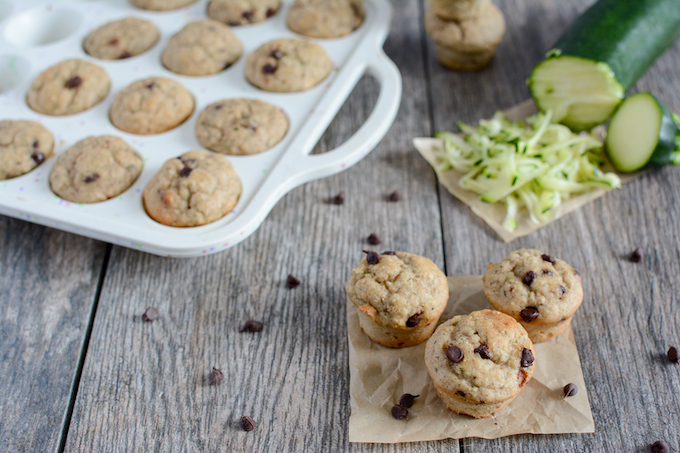
The versatile nature of this recipe allows for several modifications to cater to diverse dietary needs and preferences:
- Gluten-Free Options: For individuals with gluten sensitivities, the recipe can be easily adapted. Utilizing certified gluten-free oats is the first step. Replacing standard flour with a 1:1 gluten-free baking blend, such as King Arthur Measure for Measure, or opting for oat flour entirely, allows for a gluten-free version without significant changes to the baking process or final product.
- Sugar Reduction/Alternatives: To further reduce added sugars, the recipe suggests substituting sugar with mashed banana or applesauce. While this alters the flavor profile and may result in a denser muffin, it provides a naturally sweetened alternative. Additionally, chocolate chips can be omitted or replaced with unsweetened dried fruits like raisins, dried blueberries, or small frozen wild blueberries for natural sweetness and additional antioxidants.
- Enhanced Protein Content: For those seeking an even higher protein boost, incorporating a single scoop of protein powder into the batter is feasible. However, caution is advised, as adding more than one scoop can lead to a dry, crumbly texture in baked goods.
- Yogurt Substitutions: While Greek yogurt is preferred for its protein and texture benefits, regular plain yogurt or even buttermilk (homemade by adding vinegar to milk) can be used as substitutes, though the protein content may be slightly lower. Flavored yogurts are also an option, but consumers should be mindful of the added sugar content.
Broader Impact and Implications for Public Health
The rise of recipes like the Healthy Oatmeal Chocolate Chip Mini Muffins has significant implications for public health and the food industry. From a public health perspective, offering appealing, nutrient-dense snacks can contribute to combating rising rates of childhood obesity and related health issues. By providing a "stealth health" approach to vegetable consumption and emphasizing protein and fiber, these muffins align with dietary guidelines that encourage whole foods and balanced nutrition.
For parents, these muffins offer a practical solution to the perennial challenge of providing healthy snacks that children will actually eat. The nut-free aspect is particularly crucial for school environments, where allergen safety is a paramount concern. The ability to make them ahead and freeze them provides a vital convenience for busy households, reducing reliance on less healthy, pre-packaged options.
In the food industry, the success of such recipes signals a clear consumer demand for products that are both wholesome and delicious. It encourages manufacturers and food developers to innovate with functional ingredients and transparent labeling. Food bloggers and online recipe platforms play a pivotal role in disseminating these innovations, empowering home cooks with accessible and adaptable recipes. As Ms. Lindsay, the recipe creator, often emphasizes, "Learning how food affects your body" is key, and recipes like these are a tangible way to translate that knowledge into daily practice.
Expert Commentary (Inferred)
"These mini muffins perfectly encapsulate what modern nutritionists advocate for," states Dr. Evelyn Reed, a pediatric nutritionist. "They blend essential macronutrients – protein from yogurt, complex carbohydrates and fiber from oats – with micronutrients from zucchini, all in a palatable, child-friendly format. The hidden vegetable aspect is particularly brilliant for addressing common dietary gaps in children."
A food scientist, Dr. Marcus Chen, adds, "The synergistic effect of Greek yogurt and oats on texture is remarkable. The yogurt’s acidity and protein create a tender, moist crumb, while oats provide structure and fiber without making the muffin dense. It’s a testament to thoughtful ingredient selection that balances taste, nutrition, and ease of preparation."
Conclusion: A Model for Future Snacking

The Healthy Oatmeal Chocolate Chip Mini Muffins are more than just a recipe; they are a microcosm of evolving dietary trends and consumer priorities. They underscore the power of thoughtful ingredient selection and preparation in transforming everyday snacks into significant contributors to health and well-being. By combining protein, fiber, and hidden vegetables in a convenient, customizable, and appealing format, these muffins offer a compelling blueprint for how future snack innovations can meet the complex demands of modern nutrition and busy lifestyles, proving that healthy eating can indeed be both delicious and practical.