



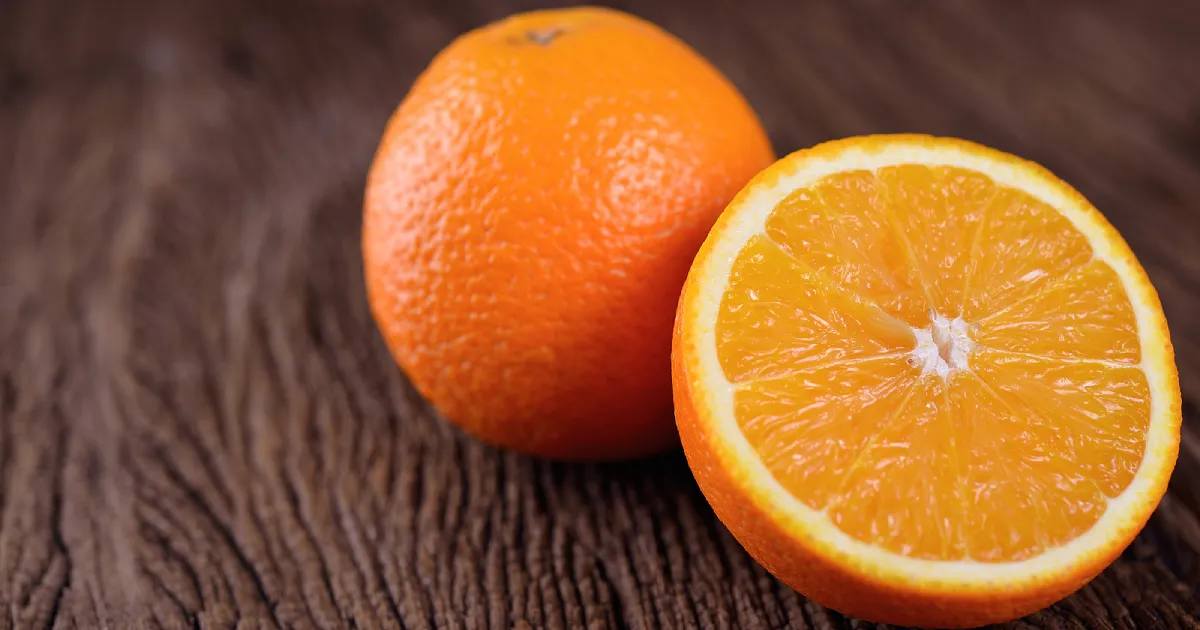
Oranges stand as one of the most widely consumed fruits globally, universally celebrated for their robust vitamin C content. Yet, to reduce the orange’s nutritional value solely to this single vitamin is to overlook a rich tapestry of nutrients and bioactive compounds that contribute to overall health. This article aims to explore the full nutritional profile of oranges, delve into their key benefits beyond the renowned antioxidant, and illuminate recent findings from scientific research, offering a more complete understanding of this ubiquitous citrus fruit.
The Global Reach and Historical Significance of Oranges
The orange, specifically Citrus sinensis, boasts a remarkable history and global footprint. Originating in Southeast Asia, oranges have been cultivated for thousands of years, eventually spreading to the Middle East, Europe, and the Americas through trade routes and explorations. Today, countries like Brazil, the United States (primarily Florida and California), China, India, and Spain lead global orange production, making it a cornerstone of agricultural economies and diets worldwide. Historically, oranges were prized not only for their refreshing taste but also for their perceived medicinal properties, particularly in preventing scurvy among sailors long before the discovery of vitamin C. This enduring popularity underscores their integral role in human nutrition and culture.
A Deep Dive into the Orange’s Nutritional Profile
While vitamin C often steals the spotlight, a typical navel orange (approximately 140 grams) offers a diverse array of essential vitamins, minerals, and other beneficial compounds. The data below, sourced from the USDA’s FoodData Central database (for raw navel oranges), illustrates this comprehensive nutritional value, with percent daily values (% DV) calculated based on FDA recommendations for a 2,000-calorie diet.
Calories and Macronutrients (Per 100g / Per 140g orange)
- Calories: 49 kcal / 69 kcal
- Carbohydrates: 12.5g (5% DV) / 17.5g (6% DV)
- Fiber: 2.2g (8% DV) / 3.08g (11% DV)
- Sugars: 8.5g / 11.9g
- Fat: 0.15g (<1% DV) / 0.21g (<1% DV)
- Protein: 0.91g (2% DV) / 1.27g (3% DV)
- Cholesterol: 0 mg (0% DV) / 0 mg (0% DV)
Oranges are primarily a source of carbohydrates, with a significant portion derived from natural sugars. Crucially, about 15% of their carbohydrate content comes from dietary fiber. This fiber, a blend of soluble and insoluble types, is vital for digestive health, promoting regular bowel movements, aiding in satiety, and helping to regulate blood sugar levels. The minimal fat and protein content makes oranges an excellent low-calorie, nutrient-dense snack.
Vitamins (Per 100g / Per 140g orange)
- Vitamin A (RAE): 12 mcg (1% DV) / 16.8 mcg (2% DV)
- Vitamin C: 59.1 mg (66% DV) / 82.7 mg (92% DV)
- Vitamin D: 0 mcg (0% DV) / 0 mcg (0% DV)
- Vitamin E: 0.15 mg (1% DV) / 0.21 mg (1% DV)
- Vitamin K: 0 mcg (0% DV) / 0 mcg (0% DV)
- Thiamin (B1): 0.07 mg (6% DV) / 0.10 mg (8% DV)
- Riboflavin (B2): 0.05 mg (4% DV) / 0.08 mg (6% DV)
- Niacin (B3): 0.43 mg (3% DV) / 0.60 mg (4% DV)
- Pantothenic acid (B5): 0.26 mg (5% DV) / 0.37 mg (7% DV)
- Vitamin B6: 0.08 mg (5% DV) / 0.11 mg (6% DV)
- Folate (B9): 34 mcg (9% DV) / 47.6 mcg (12% DV)
- Choline: 8.4 mg (2% DV) / 11.8 mg (2% DV)
Beyond its immune-boosting capabilities, vitamin C is a powerful antioxidant that protects cells from damage, supports collagen synthesis for healthy skin and connective tissues, and aids in iron absorption. Folate (Vitamin B9) is another notable component, crucial for cell division, DNA synthesis, and red blood cell formation, making it particularly important during periods of rapid growth like pregnancy. Other B vitamins contribute to energy metabolism and nerve function.
Minerals (Per 100g / Per 140g orange)
- Calcium: 43 mg (3% DV) / 60.2 mg (5% DV)
- Iron: 0.13 mg (1% DV) / 0.18 mg (1% DV)
- Magnesium: 11 mg (3% DV) / 15.4 mg (4% DV)
- Phosphorus: 23 mg (2% DV) / 32.2 mg (3% DV)
- Potassium: 166 mg (4% DV) / 232 mg (5% DV)
- Sodium: 1 mg (<1% DV) / 1.4 mg (<1% DV)
- Zinc: 0.08 mg (1% DV) / 0.11 mg (1% DV)
- Copper: 0.04 mg (4% DV) / 0.06 mg (7% DV)
- Manganese: 0.03 mg (1% DV) / 0.04 mg (2% DV)
While oranges may not be a primary source for any single mineral, they contribute modest yet significant amounts of several essential ones. Potassium is vital for maintaining fluid balance, nerve signals, and muscle contractions, including those of the heart. Calcium is fundamental for bone health, nerve transmission, and muscle function. Copper plays a role in iron metabolism, energy production, and maintaining connective tissues. These contributions are especially relevant given that potassium and calcium, alongside fiber and vitamin D, are often identified as "nutrients of public health concern" due to insufficient intake in the general population.
Phytochemicals and Bioactive Compounds
Beyond standard vitamins and minerals, oranges are rich in a variety of phytochemicals, which are plant-derived compounds with potential health benefits.
- Flavonoids: These are a major class of polyphenols in oranges, with hesperidin being the most abundant. Other flavonoids include naringenin, naringin, and nobiletin. These compounds possess strong antioxidant and anti-inflammatory properties, contributing to cellular protection and potentially reducing the risk of chronic diseases.
- Carotenoids: Oranges contain carotenoids such as beta-cryptoxanthin and beta-carotene, which are precursors to vitamin A. These compounds are also potent antioxidants and contribute to the orange’s vibrant color.
- Limonoids: Found in the peel and pulp, limonoids are another group of phytochemicals unique to citrus fruits. Research suggests they may have anti-cancer properties, though more human studies are needed.
Emerging Scientific Insights and Health Implications
Recent scientific research has begun to shed light on specific health benefits associated with whole orange consumption, moving beyond general nutritional profiles. While much historical research focused on orange juice, there’s a growing emphasis on understanding the effects of the whole fruit.
Impact on Blood Sugar Levels
The concern regarding fruit consumption, particularly for individuals managing blood sugar, often centers on sugar content. However, the fiber in whole fruits can significantly alter the metabolic response. A 2019 randomized crossover trial investigated the impact of various orange products—two raw oranges, fresh orange juice, and sweetened orange juice—on blood sugar and insulin levels in healthy participants. Notably, all three "meals" did not significantly elevate blood sugar levels, and insulin levels showed a slight decrease over a two-hour period. This suggests that the natural sugars in whole oranges, when consumed with their fiber, are processed differently than free sugars.
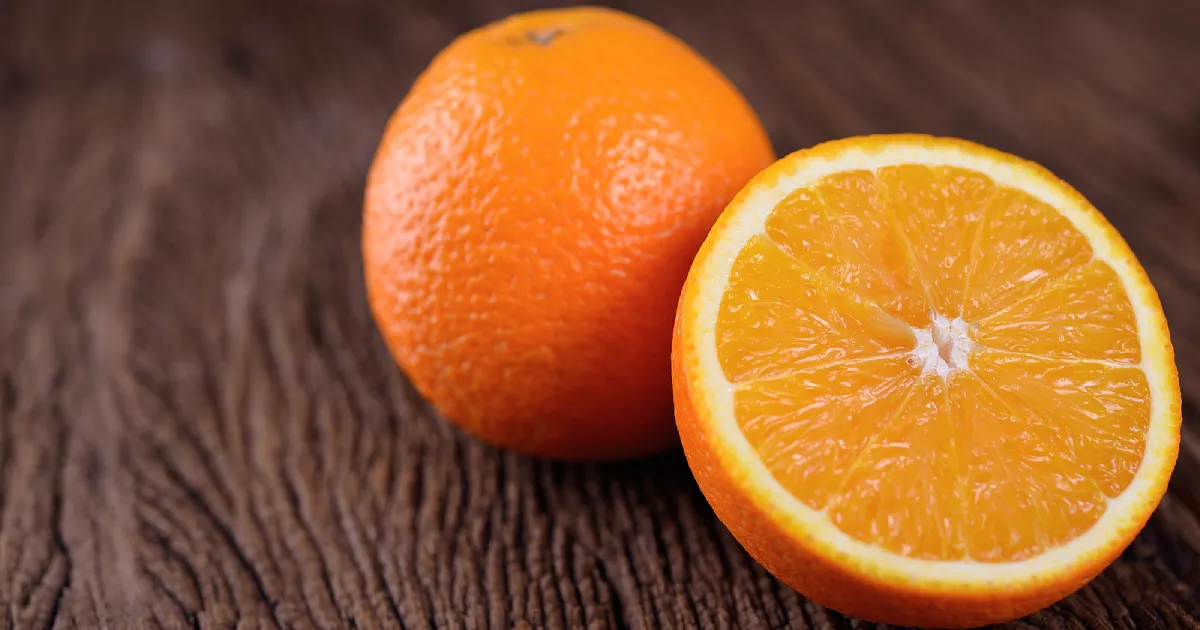
Further reinforcing this, a more recent 2025 randomized crossover trial specifically examined the intake of whole orange pieces and orange juice in individuals with type 2 diabetes. The study found no significant difference in blood sugar levels after consuming either whole orange or orange drinks when consumed alongside a meal containing 80 grams of carbohydrates. While these findings are promising, it is crucial to interpret them cautiously. The studies involved specific contexts (healthy individuals or consumption alongside a high-carbohydrate meal). Individuals with diabetes or those monitoring blood sugar should always consult their healthcare provider for personalized dietary advice. However, the data does support the notion that whole oranges, with their fiber content, can be a suitable part of a balanced diet even for those managing blood sugar.
May Support Liver Health
One of the most compelling recent findings comes from a 2024 randomized clinical trial investigating the impact of daily intake of 400 grams of whole orange over four weeks. The study involved 62 adults diagnosed with Metabolic Dysfunction-Associated Steatotic Liver Disease (MASLD), a condition formerly known as Nonalcoholic Fatty Liver Disease (NAFLD). MASLD is characterized by the accumulation of excess fat in the liver, typically defined as more than 5% of total liver weight being fat, and is a growing global health concern linked to obesity, insulin resistance, and other metabolic dysfunctions.
The results were significant: after four weeks of daily whole orange supplementation, the prevalence of liver steatosis fell to 70.9% among participants. In stark contrast, the control group, which consumed non-citrus fruits for the same duration, saw no change, with fatty liver prevalence remaining at 100%. This remarkable difference occurred despite overall calorie intake being equivalent between the groups. This study suggests that compounds unique to oranges, potentially their specific blend of flavonoids, carotenoids, and fiber, may exert protective or therapeutic effects on liver health. While these results are highly encouraging, larger, more rigorous research is essential to confirm these findings, elucidate the precise mechanisms, and establish long-term implications. Nevertheless, the study offers a promising avenue for dietary interventions in managing MASLD.
Hesperidin Content and Cardiovascular Health
Oranges are a rich source of the flavanone hesperidin, a powerful antioxidant and anti-inflammatory compound. A 2023 systematic review compiled evidence on hesperidin’s potential cardiovascular benefits, suggesting that "effective doses" might support heart health by:
- Improving endothelial function (the inner lining of blood vessels).
- Reducing inflammation.
- Lowering blood pressure.
- Improving lipid profiles (e.g., cholesterol levels).
However, the authors of the review noted that the "effective dose" of hesperidin in most clinical studies was around 1,000 mg. This raises the question of whether typical orange consumption can deliver such amounts.
To quantify this, we refer to the USDA Database for the Flavonoid Content of Selected Foods. This report indicates that commercially sold oranges contain a mean average of 27.25 mg of hesperetin per 100g. It’s important to distinguish between hesperetin and hesperidin: hesperidin is a glycoside, a molecule with a sugar attached, while hesperetin is its aglycone form (without the sugar). The molecular weight of hesperidin is roughly double that of hesperetin. Therefore, based on these molecular weight differences, oranges may contain approximately 54.5 mg of hesperidin per 100 grams. This means a standard 140-gram orange would contain around 76 mg of hesperidin.
Comparing this to the "effective dose" of 1,000 mg, one would need to consume approximately fourteen 140-gram oranges to reach that level. While this illustrates that relying solely on whole oranges for therapeutic doses of hesperidin might be impractical, it does not diminish the potential benefits of regular, smaller intakes. Even lower doses of hesperidin, consumed consistently as part of a varied, nutrient-rich diet, can contribute synergistically with other bioactive compounds to promote overall cardiovascular health. The "food matrix effect," where nutrients and phytochemicals interact to produce greater benefits than individual components, is a key consideration here.
Whole Oranges vs. 100% Orange Juice: A Nutritional Comparison
The choice between consuming a whole orange and drinking 100% orange juice often arises, and understanding their nutritional differences is crucial. While both are derived from oranges, the processing significantly alters their composition, particularly regarding fiber and the bioavailability of certain compounds.
| Here’s a comparison based on USDA data per 100g: | Nutrient | Whole raw orange (per 100g) | 100% Orange juice (per 100g) |
|---|---|---|---|
| Calories | 49 kcal | 47 kcal | |
| Carbohydrates | 12.5g | 10.01g | |
| Fiber | 2.2g | 0.3g | |
| Sugars | 8.5g | 8.08g | |
| Vitamin C | 59.1 mg | 30.5 mg | |
| Folate | 34 mcg | 29 mcg | |
| Potassium | 166 mg | 183 mg |
Key Differences:
- Fiber Content: This is the most significant distinction. Whole oranges retain all their dietary fiber (2.2g per 100g), which is largely removed during juicing (0.3g per 100g). Fiber is crucial for satiety, digestive health, and moderating blood sugar response.
- Vitamin C: Whole oranges generally offer a higher concentration of vitamin C (59.1 mg vs. 30.5 mg per 100g). While juice is still a good source, some vitamin C can be lost during processing and storage.
- Satiety: Due to their fiber content and physical structure, whole oranges are more filling than orange juice, which can help with weight management by reducing overall calorie intake.
- Sugar Absorption: Although the sugar content per 100g is similar, the fiber in whole oranges slows down the absorption of sugars into the bloodstream, leading to a more gradual and sustained energy release compared to the quicker spike often associated with juice.
- Micronutrients: While potassium content is slightly higher in juice, whole oranges often retain more of certain sensitive compounds that may be degraded or removed during juicing.
From a public health perspective, major dietary guidelines, such as those from the World Health Organization and the USDA, consistently recommend prioritizing whole fruits over fruit juices due to the intact fiber and more complete nutrient profile. While 100% orange juice can be a convenient way to consume some nutrients, it should be consumed in moderation, especially by individuals monitoring sugar intake.
Are Oranges a Healthy Choice? Broader Implications and Dietary Recommendations
Unequivocally, whole oranges represent a highly healthy dietary choice. They provide a broad spectrum of essential nutrients, including a substantial amount of vitamin C and meaningful contributions of fiber, folate, potassium, and calcium. While the therapeutic doses of individual compounds like hesperidin might be high, the synergistic effect of the entire food matrix—the combination of vitamins, minerals, fiber, and diverse phytochemicals—is what truly underpins the orange’s health benefits.
Beyond their nutritional density, whole oranges are an excellent source of hydration, being approximately 86% water by weight. This contributes to overall fluid balance, which is essential for numerous bodily functions. Incorporating oranges into a varied diet can support immune function, digestive health, cardiovascular well-being, and potentially liver health, as suggested by emerging research.
For those looking to maximize the benefits, consuming the whole fruit, including some of the white pith (albedo) which is rich in fiber and flavonoids, is recommended. Oranges are versatile and can be enjoyed as a standalone snack, added to fruit salads, or even used in savory dishes for a touch of citrus zest.
It is important to remember that while this article focuses on raw navel oranges, the most common variety, there are numerous other types of oranges, such as Valencia, blood oranges, mandarins, and clementines, each offering slightly different nutritional values and flavor profiles. Exploring these varieties can further enrich one’s diet and provide a broader array of beneficial compounds.
In conclusion, the humble orange is far more than just a source of vitamin C. It is a complex package of vital nutrients and bioactive compounds that contribute significantly to a healthy dietary pattern. As scientific research continues to unravel the intricate ways in which whole foods impact our health, the orange stands as a prime example of nature’s potent pharmacy, offering sustained benefits that extend far beyond its most famous constituent.