



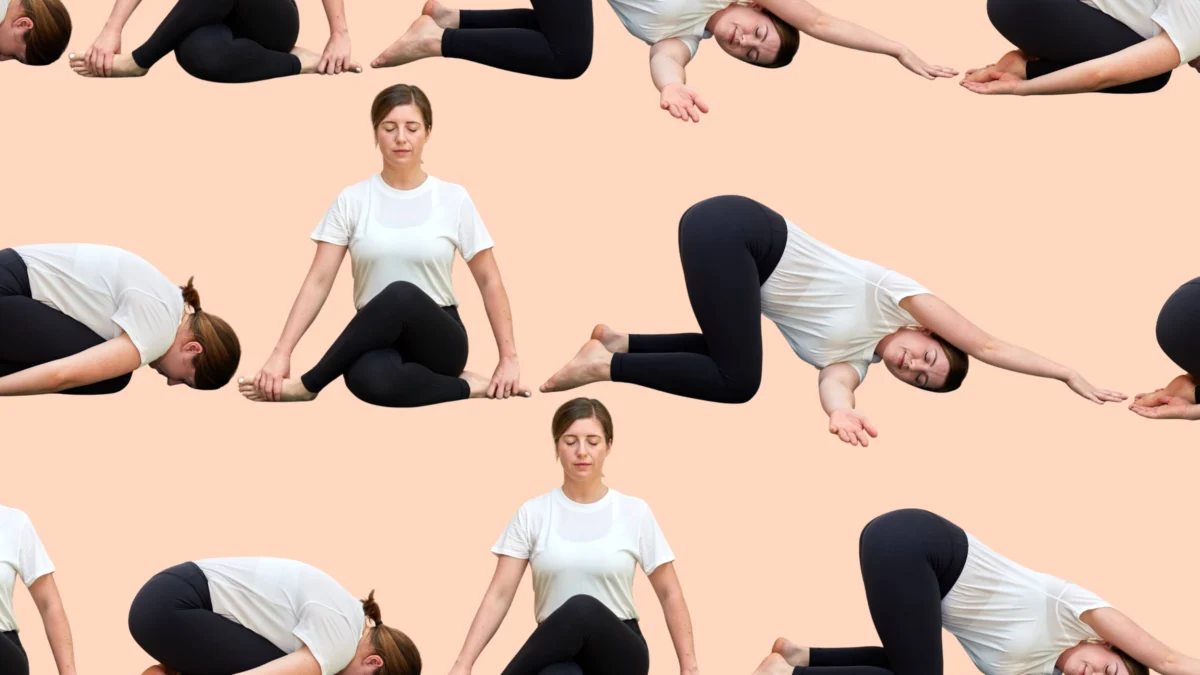
The modern professional landscape, increasingly defined by prolonged sedentary behavior and high-intensity cognitive demands, has led to a rise in what health experts characterize as the "desk effect." As of April 14, 2026, wellness practitioners and ergonomic specialists are highlighting a growing trend in restorative practices, specifically Yin Yoga, as a primary intervention for workplace-induced physical and mental fatigue. While traditional exercise often focuses on cardiovascular health or muscular strength, Yin Yoga targets the deeper connective tissues, providing a physiological and psychological counterbalance to the rigors of the contemporary workday. By encouraging the body to stretch, lengthen, and release from a perpetually hunched position, this practice serves as an effective antidote to the chronic tension associated with office environments.
The Physiological Context of the Desk Effect
The "desk effect" refers to a cluster of musculoskeletal and neurological symptoms resulting from long hours spent in front of computer screens. Common manifestations include "tech neck" (cervical spine strain), tightened hip flexors from prolonged sitting, and a heightened state of sympathetic nervous system activation, often referred to as the "fight or flight" response. Data from the World Health Organization and various occupational health institutes indicate that sedentary lifestyles contribute significantly to lower back pain, which remains a leading cause of disability globally.
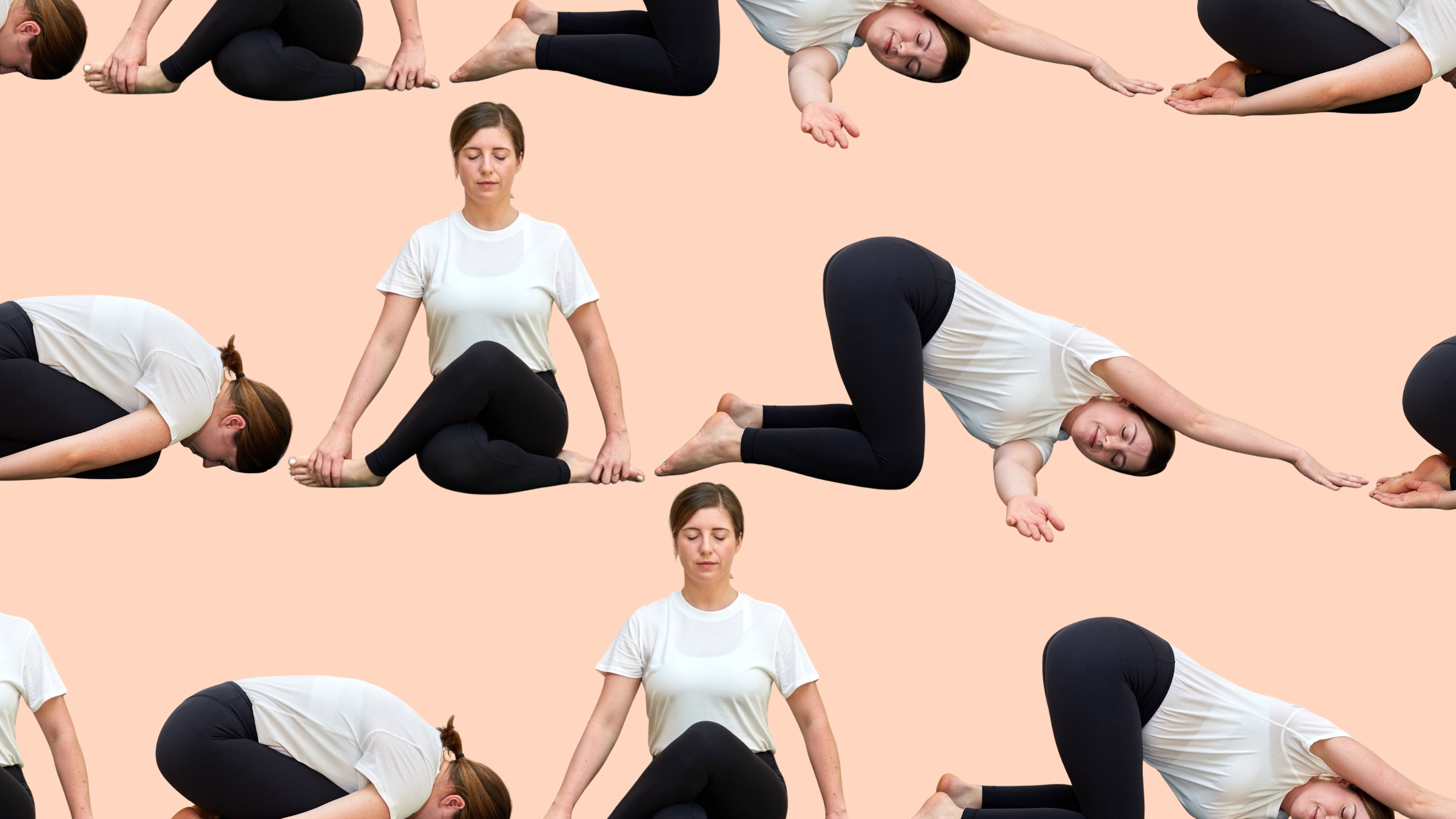
Yin Yoga operates on the principle of long-duration holds, typically ranging from three to five minutes per pose. Unlike "Yang" styles of yoga—such as Vinyasa or Hatha—which focus on muscular engagement and heat, Yin Yoga targets the fascia, ligaments, and joints. By applying gentle, consistent pressure to these tissues, practitioners can improve joint mobility and hydration of the connective tissue. Furthermore, the slow pace of the practice facilitates a shift into the parasympathetic nervous system, the body’s "rest and digest" mode, which is essential for emotional regulation and sleep preparation.
Essential Equipment and Preparatory Measures
To maximize the therapeutic benefits of a post-work Yin session, practitioners are advised to utilize specific props that provide structural support, allowing the muscles to remain passive. Recommended items include:
- Yoga Blocks: Or household substitutes such as a sturdy stack of books.
- Folded Blankets: To provide cushioning for sensitive joints.
- Yoga Straps: Or a belt/towel for extending reach.
- Bolsters: Or firm cushions to support the torso in reclining poses.
The methodology of Yin Yoga emphasizes three main "tattvas" or principles: finding an appropriate edge (where sensation is felt but not painful), remaining still, and holding the position for an extended period.

A Comprehensive Guide to 8 Restorative Yin Poses
1. Child’s Pose (Balasana)
Child’s Pose serves as a foundational restorative shape designed to open the hips and decompress the lumbar spine. By folding the body inward, the practitioner initiates a sensory withdrawal that calms the central nervous system.
Execution: From a tabletop position on hands and knees, bring the big toes to touch and sink the hips toward the heels. To target the lower back specifically, keep the knees together; to focus on hip abduction, widen the knees. The forehead should rest on the mat, a block, or stacked fists to ensure the neck remains relaxed. Arms may be extended forward or draped alongside the body with palms facing upward.
Clinical Benefit: This pose encourages the lengthening of the extensor muscles of the back and provides a gentle stretch to the ankles and tops of the feet, which are often constricted in formal footwear.
2. Swan Pose (Kapotasana Variation)
The Yin variation of the traditional Pigeon Pose, Swan Pose, is instrumental in releasing the piriformis and gluteal muscles, which often become shortened during hours of sitting.

Execution: From a quadruped position, bring the right knee forward. Unlike active yoga, the angle of the front shin is less critical than the ability to relax into the shape. The left leg extends straight back. If the right hip remains elevated, a block or cushion should be placed underneath to maintain pelvic neutrality. Practitioners may remain upright or fold into "Sleeping Swan" by lowering onto the forearms or a bolster.
Clinical Benefit: Deep hip openers are often associated with emotional release. Physiologically, this pose addresses the psoas muscle, which is a primary site for the accumulation of stress-induced tension.
3. Shoelace Pose
Shoelace Pose provides an intense lateral stretch for the hips and can help alleviate sciatica-related discomfort by stretching the deep rotators.
Execution: Starting from a seated position with legs extended, cross the right leg over the left, stacking the knees as closely as possible. For a full Shoelace, bend the bottom (left) leg to bring the foot toward the right hip. If the hips are particularly tight, "Half Shoelace" (keeping the bottom leg straight) is recommended.
Clinical Benefit: This pose targets the gallbladder meridian in traditional Chinese medicine theory, which is thought to be related to the processing of frustration and decision-making—common stressors in a corporate environment.

4. Thread the Needle
This pose specifically addresses the "hunched" posture by providing a rotational stretch for the thoracic spine and opening the posterior deltoids and rhomboids.
Execution: From a tabletop position, slide the right arm underneath the left, bringing the right shoulder and temple to the mat. The left hand can remain under the shoulder or reach forward to deepen the stretch.
Clinical Benefit: Thoracic mobility is frequently compromised in desk workers. Improving rotation in the mid-back reduces the compensatory strain placed on the lower back and neck.
5. Supported Fish Pose (Matsyasana)
Supported Fish is perhaps the most direct counter-pose to the "desk hunch," as it facilitates passive chest expansion and shoulder retraction.

Execution: Place a block on its medium or low setting at the top of the mat, aligned where the shoulder blades will rest. A second block or pillow may be used to support the head. Slowly lie back so the chest is elevated and the shoulders drape toward the floor.
Clinical Benefit: This pose opens the pectoral muscles and intercostal muscles (between the ribs), which can improve respiratory capacity and oxygenation, often restricted by shallow "stress breathing."
6. Supported Bridge Pose (Setu Bandha Sarvangasana)
This variation uses a prop to support the sacrum, allowing the hip flexors to lengthen without muscular effort.
Execution: Lie on the back with knees bent and feet flat. Lift the hips and slide a block under the sacrum (the flat bone at the base of the spine). The arms should rest naturally at the sides.
Clinical Benefit: By elevating the hips slightly above the heart, this pose acts as a mild inversion, aiding lymphatic drainage and reducing lower-limb edema caused by long periods of sitting or standing.

7. Reclined Twist (Supta Matsyendrasana)
Spinal twists are essential for maintaining the health of the intervertebral discs and "massaging" the internal organs.
Execution: Lying on the back, draw the right knee toward the chest and then guide it across the body to the left. The right arm extends to the right, and the gaze may follow to complete the cervical rotation.
Clinical Benefit: Twisting facilitates a "squeeze and soak" effect in the spinal column, where compression followed by release encourages fresh blood flow to the spinal tissues.
8. Corpse Pose (Savasana)
The final integration pose is critical in Yin Yoga to allow the body to rebound and the nervous system to fully assimilate the changes in the connective tissue.

Execution: Lie completely flat on the back. A bolster under the knees can help release any remaining tension in the lower back. Stay in this position for at least five minutes in total stillness.
Clinical Benefit: Savasana is a practice in conscious relaxation, reducing heart rate and blood pressure while fostering a state of mental clarity.
Chronology of a Recovery Routine
To transition effectively from a high-stress environment to a state of rest, wellness experts suggest a specific chronology for the post-work evening:
- Immediate Transition (5:30 PM – 6:00 PM): Disconnect from digital devices to reduce blue light exposure and cognitive load.
- The Practice (6:00 PM – 6:45 PM): Engage in the 8-pose Yin sequence, prioritizing the 3-5 minute holds to ensure fascia release.
- Integration (7:00 PM onwards): Maintain a low-sensory environment to preserve the parasympathetic state, leading into a meal or sleep.
Expert Perspectives and Broader Implications
Wellness analysts observe that the integration of restorative practices like Yin Yoga into daily routines is no longer viewed as a luxury but as a necessity for long-term occupational health. "The physical body is not designed for the eight-to-ten-hour static loads we see in modern offices," states a consensus report on workplace ergonomics. "Restorative movement is the biological ‘reset’ button required to prevent chronic injury."

The implications of adopting such a practice extend beyond physical comfort. Improved sleep hygiene, enhanced focus, and reduced irritability are frequently reported by practitioners who commit to a regular Yin routine. As corporate wellness programs continue to evolve, there is a projected shift toward "recovery-based" fitness, acknowledging that for the modern worker, the most productive activity may, in fact, be the act of slowing down.
By addressing the "desk effect" through the targeted, slow-paced methodology of Yin Yoga, individuals can reclaim their physical and mental agency, ensuring that the workday ends not in exhaustion, but in a state of prepared relaxation for the night ahead.