


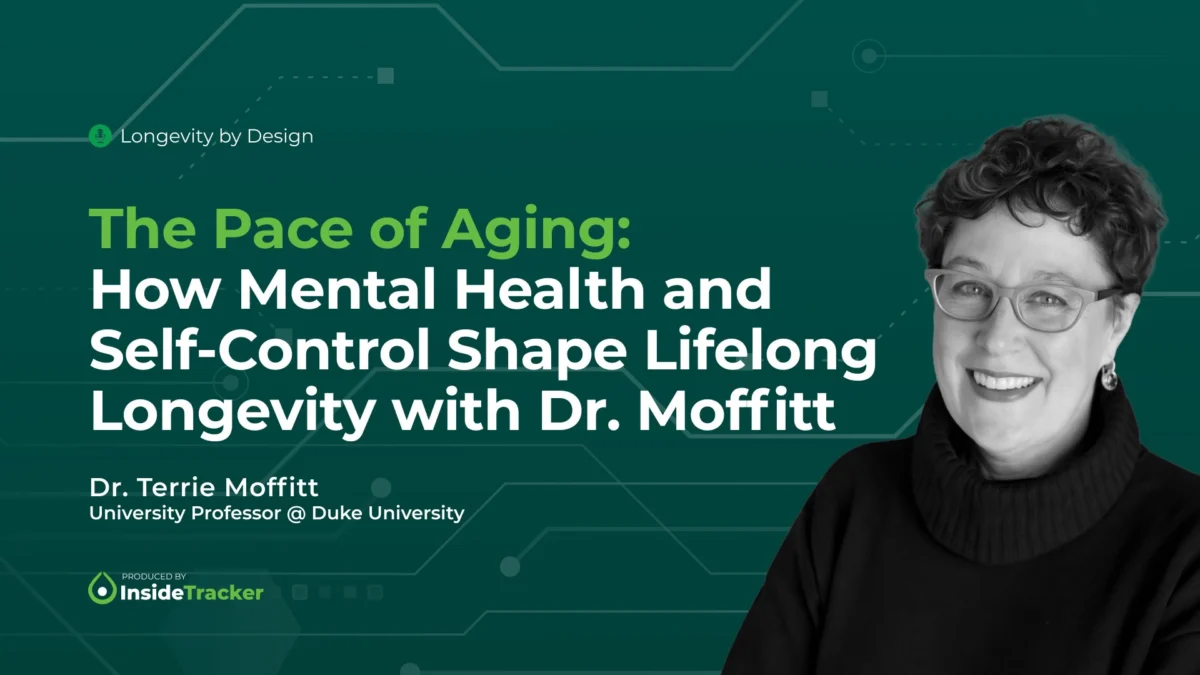
In a comprehensive exploration of the intersection between psychology and physiology, Dr. Terrie Moffitt, a University Professor at Duke University and a world-renowned expert in human development, recently detailed how early-life experiences and mental health serve as primary drivers of the biological aging process. Speaking on the Longevity by Design podcast with host Dr. Gil Blander, Dr. Moffitt shared groundbreaking findings from the Dunedin Multidisciplinary Health and Development Study. This longitudinal research suggests that the "pace of aging" is not a fixed biological constant but is instead a malleable metric influenced by self-control, mental wellness, and environmental factors beginning in early childhood. The discussion highlights a paradigm shift in geriatric medicine, moving away from treating age-related diseases in the elderly toward a preventative model that prioritizes mental health in youth to extend the human healthspan.
The Dunedin Study: A Half-Century of Longitudinal Discovery
To understand the current findings, it is essential to examine the origins of the Dunedin Study, which stands as one of the most significant pieces of longitudinal research in the history of social and medical science. Launched in 1972 and 1973 in Dunedin, New Zealand, the study began with 1,037 infants. Unlike many cohorts that experience high "attrition" (participants dropping out over time), the Dunedin Study has maintained a staggering 94% to 95% participation rate into the participants’ fifth decade of life.
This high retention rate is scientifically critical. In most long-term studies, the individuals who drop out are often those with the poorest health, the lowest socio-economic status, or the most severe mental health challenges. By keeping nearly the entire original cohort engaged, Dr. Moffitt and her colleagues have avoided "survivor bias," ensuring that their data represents a true cross-section of a population. This allows researchers to observe how individuals who age rapidly differ from those who age slowly within the same environmental and generational context.
The study has followed these individuals through every major developmental milestone, collecting data on everything from dental health and respiratory function to personality traits and criminal records. As the cohort entered midlife, the focus naturally shifted toward the biomarkers of aging, leading to the development of the "Pace of Aging" metric.
Quantifying the Pace of Aging: Beyond the Calendar
While chronological age is determined by the date on a birth certificate, biological age refers to the actual state of an individual’s physiological systems. Dr. Moffitt explained that the Dunedin team developed a way to measure the "Pace of Aging" by tracking changes in 19 different biomarkers across the body’s cardiovascular, metabolic, renal, and immune systems. These markers include measures such as glycated hemoglobin (blood sugar levels), cardiorespiratory fitness, lung function, and even the integrity of the participants’ DNA.
The findings were striking: even at the age of 45, there was a vast disparity in how much biological "wear and tear" individuals had accumulated. Some participants had aged only 0.4 biological years for every chronological year, while others had aged nearly 2.5 years for every year on the calendar. This means that in a room full of 45-year-olds, some individuals possess the physiology of a 30-year-old, while others are biologically closer to 60.
To validate these biological findings, the researchers used real-world functional tests. Participants identified as "fast agers" by their biomarkers performed significantly worse on physical balance tests (such as standing on one leg) and showed sharper declines in cognitive function compared to their "slow aging" peers. Furthermore, when independent observers were asked to rate the facial age of participants based on photographs, the individuals with a faster biological pace of aging were consistently rated as looking significantly older.
The Mental Health-Aging Connection: The Long Reach of Early Life
One of the most profound insights from Dr. Moffitt’s research is the inextricable link between mental health and physical aging. The study found that individuals who experienced mental health disorders in childhood or adolescence—including anxiety, depression, and substance abuse—showed a significantly accelerated pace of biological aging by midlife.
This connection persists even after researchers control for other variables such as smoking, obesity, and socio-economic status. Dr. Moffitt posits that mental health issues are not merely psychological states but systemic physiological stressors. Chronic mental distress can lead to prolonged activation of the "fight or flight" response, resulting in elevated cortisol levels, systemic inflammation, and oxidative stress, all of which degrade cellular health over time.
The implications for public health are substantial. If mental health disorders in youth are a precursor to accelerated aging and early-onset chronic disease, then the mental health system is, in effect, a primary arm of longevity medicine. Dr. Moffitt argues that treating a teenager’s depression or anxiety is not just about improving their current quality of life; it is a critical intervention to prevent heart disease, dementia, and type 2 diabetes forty years later.
Self-Control as a Predictor of Lifelong Vitality
Parallel to mental health, the Dunedin Study identified "self-control" as a cornerstone of healthy aging. Measured in childhood through observational tasks and reports from parents and teachers, self-control refers to the ability to inhibit impulsive responses, manage emotions, and remain focused on long-term goals.
Dr. Moffitt’s research demonstrated that children with high levels of self-control grew into adults who were not only wealthier and more socially stable but also biologically younger. These individuals were less likely to engage in "age-accelerating" behaviors such as smoking or excessive alcohol consumption. More importantly, they were better equipped to navigate the complexities of the modern healthcare system and adhere to long-term wellness regimens.
The study suggests that self-control acts as a "buffer" against the stressors of life. In the modern world—an environment Dr. Moffitt describes as "obesogenic" and filled with instant-gratification triggers—self-control is the primary tool for maintaining physiological homeostasis. However, Dr. Moffitt emphasizes that self-control is not an innate, unchangeable trait. It can be bolstered through "nudges," environmental changes, and educational interventions, making it a viable target for policy-level longevity strategies.
The Innovation of "DunedinPACE": A Tool for the Longevity Industry
Recognizing that most clinical trials and personal health journeys cannot wait 50 years for longitudinal data, Dr. Moffitt and her team collaborated with epigeneticists to create an "exportable" version of their findings. This resulted in the creation of DunedinPACE, a blood-based epigenetic clock.
Unlike traditional epigenetic clocks that estimate "biological age" (a static number), DunedinPACE measures the velocity of aging—how fast the biological clock is currently ticking. This tool is transformative for the longevity industry because it allows for short-term testing of interventions. For example, if an individual adopts a new exercise routine or a specific diet, a DunedinPACE test can potentially show within months whether that intervention is successfully slowing their rate of aging.

This shift from static age measurement to dynamic pace measurement allows researchers to conduct "surrogate" trials. Instead of waiting decades to see if a drug prevents death, scientists can use these biomarkers to see if the drug slows the molecular processes of aging in real-time.
Societal and Policy Implications: A New Framework for Aging
The insights from the Dunedin Study suggest that society needs to rethink its approach to the "silver tsunami" of an aging population. Dr. Moffitt points out that if we only focus on treating 80-year-olds for existing diseases, we are intervening too late. The biological "die is cast" much earlier.
To foster a population that ages more slowly, Dr. Moffitt suggests several population-level changes:
- Early Intervention: Prioritizing pediatric and adolescent mental health as a core component of longevity.
- Structural Nudges: Implementing policies that make healthy choices the "path of least resistance." Examples include automatic enrollment in retirement savings plans (to reduce financial stress) or urban planning that encourages natural movement.
- The Role of Technology: Utilizing wearable devices to provide individuals with real-time feedback on their physiological state, effectively acting as an external "self-control" mechanism.
- Sleep Hygiene: Dr. Moffitt highlighted sleep as a critical, often overlooked factor in maintaining both self-control and a slow pace of aging, suggesting that societal shifts in work and school start times could have profound biological benefits.
Analysis: The Integration of Psychology and Geroscience
The work of Dr. Terrie Moffitt represents a critical bridge between the social sciences and "Geroscience"—the study of the biology of aging and how to slow it. For decades, these fields operated in silos: psychologists studied behavior, while biologists studied cells. The Dunedin Study proves that these two areas are one and the same. The "mind" and the "body" age as a single unit.
The fact that the fastest agers showed signs of decline by age 45 is a wake-up call for the medical community. It suggests that "age-related" decline is already well underway in what we consider "prime" adulthood. This research effectively moves the goalposts for intervention, suggesting that the most effective "anti-aging" therapy might not be a pill taken at age 70, but a supportive environment and mental health care provided at age 7.
As the longevity field continues to evolve, the Dunedin Study serves as a reminder that the secret to a long life is not found in a single gene or a miracle supplement, but in the cumulative impact of how we manage our minds, our behaviors, and our environments from the very beginning of our lives. The "Pace of Aging" is a reflection of a life lived, and while we cannot change our chronological past, the development of tools like DunedinPACE offers a chance to change our biological future.