



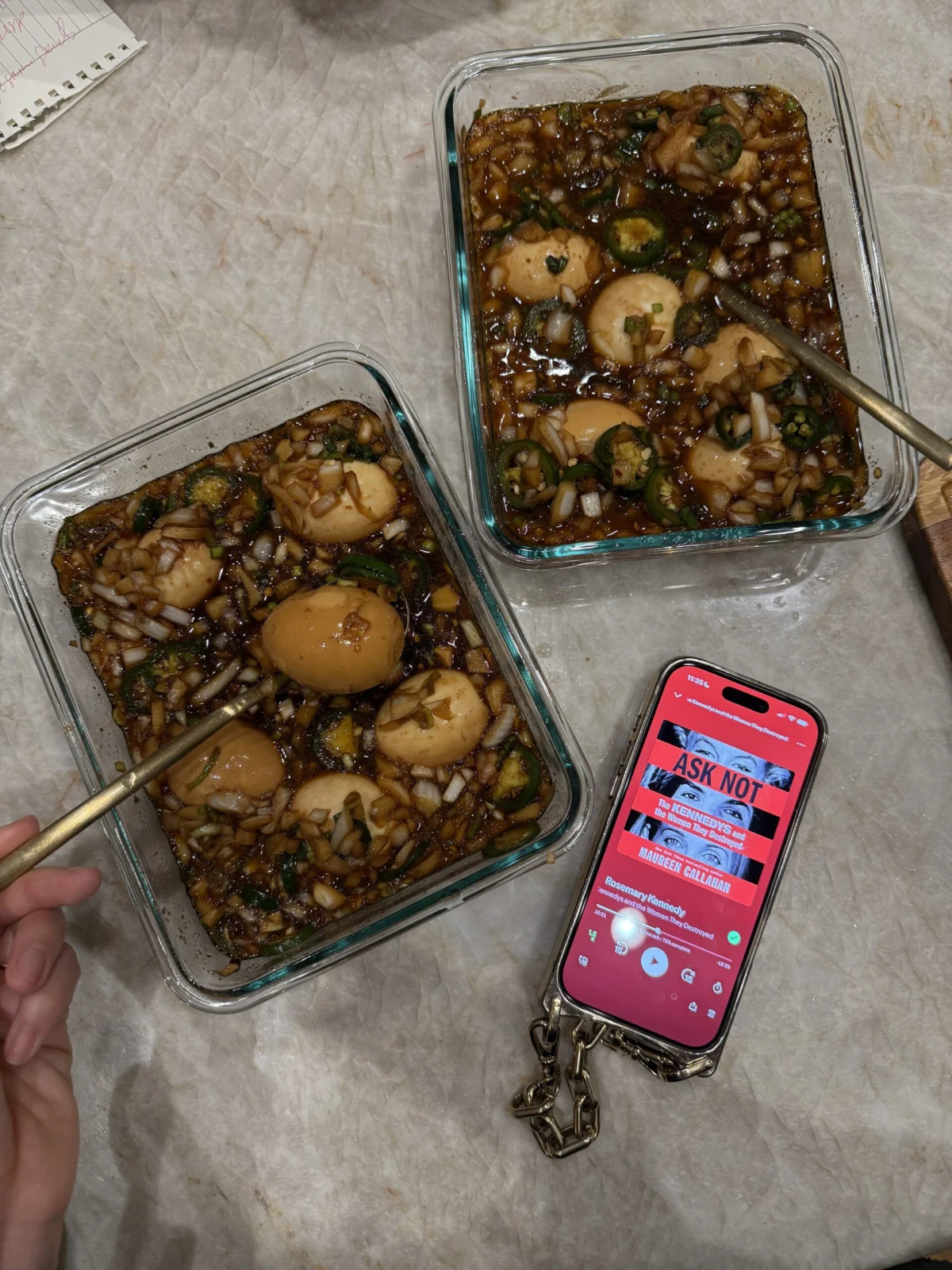
The global digital culinary landscape has recently seen a resurgence in traditional Asian preservation techniques, catalyzed by the viral success of Korean Mayak Eggs on platforms such as TikTok. Cassey Ho, the prominent fitness entrepreneur and founder of Blogilates, has contributed to this cultural zeitgeist by introducing a modified version of the dish that integrates elements of Vietnamese "thit kho" (braised pork and eggs). Ho’s adaptation focuses on balancing traditional high-sodium profiles with increased vegetable volume and natural sweeteners, reflecting a broader consumer shift toward health-conscious, fusion-based home cooking. This development underscores the power of social media in facilitating cross-cultural gastronomic exchange while simultaneously addressing individual dietary requirements such as salt sensitivity and sugar moderation.
The Origins and Cultural Significance of Mayak Gyeran
To understand the impact of Ho’s recipe, it is essential to examine the origins of the original dish. Mayak Gyeran, which translates literally to "drug eggs" in Korean, earned its provocative name due to the perceived "addictive" nature of its savory, sweet, and spicy marinade. Historically, the dish belongs to a category of Korean side dishes known as "banchan," specifically "jangjorim," which typically involves simmering or marinating proteins in a soy-based liquid to extend shelf life and enhance flavor.
The traditional Mayak Egg recipe involves soft-boiling eggs to a "jammy" consistency—where the whites are set but the yolk remains liquid—and submerging them in a mixture of soy sauce, water, sugar or corn syrup, garlic, scallions, and chilies. Unlike other forms of jangjorim that are boiled in the marinade, Mayak Eggs are steeped cold, preserving the delicate texture of the yolk. This specific preparation method has made the dish a favorite among meal-preppers and busy professionals due to its longevity and versatility when served over white rice.
The Integration of Vietnamese Thit Kho Elements
Ho’s iteration represents a significant departure from the standard Korean profile by drawing inspiration from her Vietnamese heritage. Thit Kho, or Thit Kho Tau, is a cornerstone of Vietnamese comfort food, traditionally consisting of pork belly and hard-boiled eggs braised in coconut water and fish sauce. The hallmark of Thit Kho is its deep caramelization, achieved through the slow reduction of sugars and proteins.
In her adaptation, Ho incorporates a doubled amount of honey compared to standard Mayak recipes to mimic the rich sweetness of the Vietnamese braising liquid. Furthermore, she addresses the high sodium content typically found in soy-based marinades—a common concern for health-conscious consumers—by utilizing a volume-based dilution strategy. By significantly increasing the ratio of diced yellow onions and the total number of eggs in the container, the salt concentration per serving is effectively reduced without compromising the aromatic integrity of the marinade. This "dilution through inclusion" method highlights a practical approach to managing dietary restrictions while maintaining the aesthetic and flavor appeal of viral recipes.
Chronology of the Mayak Egg Viral Phenomenon
The rise of Mayak Eggs as a global internet sensation follows a documented pattern of food trend dissemination. The dish first gained significant traction in South Korean food blogs and YouTube channels circa 2018-2019. However, its transition to Western mainstream audiences was accelerated during the 2020-2022 period, driven by the algorithmic nature of TikTok and Instagram Reels.
- Phase One: Domestic Staple (Pre-2018): Mayak Gyeran remains a common household banchan in Korea, valued for its affordability and ease of preparation.
- Phase Two: The "Aesthetic" Shift (2019-2020): High-definition food photography begins to highlight the "jammy" yolk, a visual trope that resonates with global food enthusiasts.
- Phase Three: TikTok Proliferation (2021-Present): Short-form video creators begin documenting the peeling and marinating process, emphasizing the "addictive" flavor profile.
- Phase Four: Influencer Adaptation (Current): Established lifestyle influencers like Cassey Ho modify the recipe to align with specific nutritional philosophies or cultural fusions, as seen in her Vietnamese-inspired version.
Nutritional Profile and Recipe Specifications
The nutritional value of Ho’s version of Mayak Eggs centers on high-quality protein and the inclusion of raw aromatics that provide various phytonutrients. Soft-boiled eggs are a dense source of choline, vitamin D, and lutein. By utilizing raw garlic, scallions, and jalapeños in the marinade, the dish retains the heat-sensitive compounds found in these vegetables, such as allicin in garlic, which is often lost during prolonged cooking.
The specific ingredient list provided by Ho reflects a sophisticated balance of flavors:
- Protein Base: 12 soft-boiled eggs (timed at precisely 7 minutes to ensure a liquid center).
- Aromatic Bulk: 2 diced yellow onions and 2 bundles of scallions, which serve to absorb the marinade and provide texture.
- The Heat Component: 5 diced jalapeños and 2 tablespoons of chili crisp, catering to the growing Western palate for "swicy" (sweet and spicy) profiles.
- The Liquid Base: A 1:1 ratio of soy sauce to water, tempered with 1/4 cup of rice vinegar for acidity and nearly 1/2 cup of honey for viscosity and sweetness.
- Finishing Oils: Sesame oil and toasted sesame seeds are added to provide the essential fatty acids and nutty aroma characteristic of East Asian cuisine.
From a food safety perspective, the recommendation to let the eggs cool to room temperature before peeling and marinating for 1-2 days is crucial. This period allows for osmosis to occur, where the salt and sugars from the marinade penetrate the egg white, firming its structure while seasoning the yolk.
Market Impact and the "Chili Crisp" Economy
The popularity of recipes like Ho’s Mayak Eggs has tangible implications for the global condiment market. The inclusion of "chili crisp" as a primary ingredient reflects the explosive growth of that specific product category. Once a niche product found primarily in Asian grocery stores (most notably the Lao Gan Ma brand), chili crisp has become a staple in mainstream Western pantries. Market analysis suggests that the "global seasonings and spices market" is projected to grow significantly, with Asian-inspired condiments leading the demand.
Furthermore, the "influencer effect" on ingredient sales cannot be understated. When creators with millions of followers, such as Ho, specify ingredients like rice vinegar or sesame oil, it often leads to temporary localized surges in demand for those products. This phenomenon, often referred to as "algorithmic gastronomy," demonstrates how digital content creators have replaced traditional culinary critics as the primary drivers of consumer behavior in the grocery sector.

Broader Implications for "Third Culture" Cooking
Cassey Ho’s version of Mayak Eggs is a prime example of "Third Culture" cooking—a term used to describe the culinary output of individuals raised in a culture different from that of their parents. By blending Korean techniques with Vietnamese childhood memories and American health trends, Ho creates a dish that does not claim "authenticity" in the traditional sense but rather "sincerity" to her own lived experience.
This shift toward fusion is increasingly recognized by sociologists as a form of cultural bridging. In a professional journalistic context, this represents a move away from rigid culinary silos toward a more fluid, globalized food identity. The success of these recipes suggests that the modern consumer values versatility and personal health optimization over strict adherence to historical recipes.
Conclusion and Future Outlook
The evolution of the Korean Mayak Egg from a regional side dish to a versatile, health-conscious fusion meal highlights the dynamic nature of modern food culture. Cassey Ho’s adaptation serves as a case study in how digital creators can leverage their platforms to promote nuanced approaches to nutrition—such as sodium reduction and vegetable integration—without sacrificing the sensory appeal that drives viral content.
As social media continues to democratize culinary knowledge, it is expected that more traditional recipes will undergo similar transformations. The focus will likely remain on "functional" foods that offer both aesthetic satisfaction and health benefits. For the home cook, the Mayak Egg trend provides a low-barrier entry point into the world of marinating and preservation, encouraging a deeper engagement with the science of flavor and the rich history of Asian culinary traditions. In the coming years, the intersection of health, heritage, and digital trends will continue to redefine the global palate, one viral recipe at a time.