



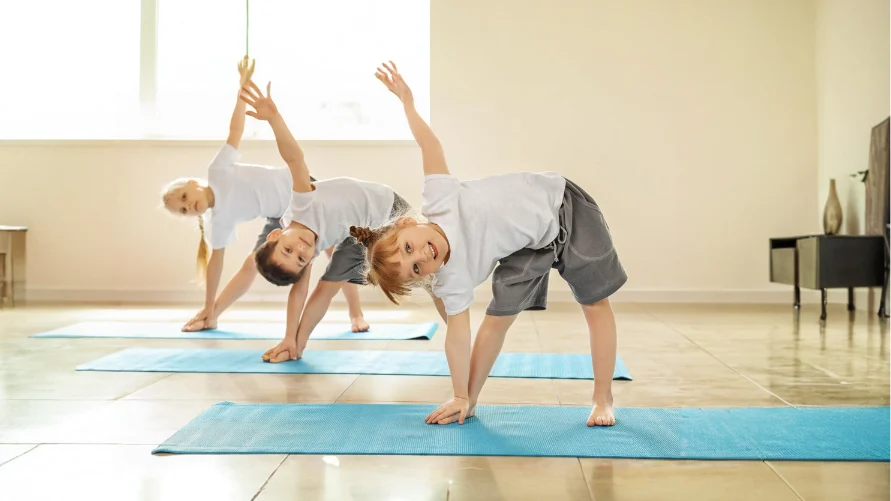
The transition from the leisure-oriented months of summer to the structured demands of a new academic year represents one of the most significant annual stressors for families across the globe. As millions of students return to classrooms, the shift necessitates a total recalibration of domestic routines, encompassing early morning departures, complex logistical scheduling, and the reintroduction of academic pressures. This period, while marking a milestone in child development, frequently induces a state of heightened anxiety and physiological stress in both parents and children. Recent observations in the fields of educational psychology and holistic wellness suggest that the integration of mindfulness and yoga-based principles can serve as a critical buffer against the detrimental effects of this seasonal transition.
The Psychological Landscape of the Seasonal Transition
The return to school is rarely a singular event; it is a prolonged period of adjustment that begins weeks before the first bell rings and continues well into the first semester. For parents, the stressors are multifaceted, involving the management of extracurricular schedules, the preparation of nutritional meals under time constraints, and the emotional labor of supporting children through their own anxieties. For students, the transition involves social navigation, the mastery of new subjects, and the sudden loss of autonomy over their daily schedules.
Research indicates that the morning routine is the primary flashpoint for family conflict during this period. The "mad rush" to get out the door is not merely a logistical challenge but a physiological event. When parents operate in a state of panic, their sympathetic nervous system is activated, triggering a "fight or flight" response. This state is characterized by increased heart rates, shallow breathing, and a reduction in cognitive flexibility. Because children possess mirror neurons that allow them to subconsciously mimic the emotional states of their caregivers, parental stress often cascades through the household, leading to increased resistance, emotional outbursts, and a decrease in cooperation from children.
The Biological Impact of Morning Stress and the Yoga Response
The application of yoga in a domestic setting extends far beyond physical postures; it focuses on the regulation of the nervous system through breath control (pranayama) and intentional slowing of movement. Scientific data suggests that even brief periods of deep, rhythmic breathing can stimulate the vagus nerve, which in turn activates the parasympathetic nervous system, responsible for the "rest and digest" state.
When a parent chooses to slow down during a high-pressure morning, they are effectively performing an act of co-regulation. By maintaining a calm demeanor and a steady breath, they provide a physiological anchor for their children. This safety allows children to manage their own "last-minute surprises"—such as forgotten assignments or equipment malfunctions—with greater resilience. Observations from family therapists suggest that when the home environment remains grounded, children report feeling more secure and are more capable of tackling the social and academic challenges of the school day.
Chronology of the Back-to-School Adjustment Period
The stress cycle of the back-to-school season typically follows a predictable timeline, allowing families to implement mindfulness strategies at key intervals:
- The Preparatory Phase (2-4 weeks prior): Families experience "anticipatory anxiety." This is the period for establishing new sleep hygiene routines and gradually reintroducing structured activities.
- The Implementation Phase (Week 1-2): This is the peak period for logistical friction. High levels of cortisol are common as families adjust to new departure times and the physical demands of the school day.
- The Stabilization Phase (Week 3-6): Routines begin to solidify, but "burnout" can occur as the novelty of the new year wears off. This is the critical window for maintaining a commitment to slow movement and mindful breathing to prevent long-term fatigue.
Supporting Data on Student and Parental Mental Health
According to data from the American Psychological Association (APA), nearly 40% of parents report that their stress levels increase significantly during the school year compared to the summer months. Furthermore, a study by the National Institute of Mental Health (NIMH) indicates that anxiety disorders are the most common mental health concern among children and adolescents, with academic transitions serving as a primary trigger.
The impact of this stress is not limited to emotional well-being; it has tangible effects on academic performance. Chronic stress impairs the prefrontal cortex, the area of the brain responsible for executive functions such as planning, focus, and impulse control. Conversely, schools that have integrated "mindful mornings" or yoga-based breaks into their curriculum have seen a measurable decrease in disciplinary issues and an improvement in student concentration levels.
Expert Perspectives on Mindfulness and Routine
Child development experts emphasize that the goal of a "yoga-inspired" morning is not perfection, but presence. Dr. Elena Rossi, a specialist in family dynamics, notes that "The pressure to be a ‘perfect’ parent who is never late and always organized is a major contributor to the very stress that disrupts the household. When parents grant themselves the grace to be human—to acknowledge that they aren’t robots—they model emotional intelligence for their children."
From a holistic perspective, the concept of "Ahimsa," or non-violence (including kindness toward oneself), is particularly relevant. Educators suggest that a "laugh-it-off" approach to minor setbacks—such as a spilled drink or a missed bus—can be more productive than a reprimand. This approach reduces the "all-or-nothing" thinking that leads to morning meltdowns.
Furthermore, some practitioners suggest that practical incentives can complement mindfulness. While not a traditional yoga concept, the use of positive reinforcement—such as a weekend reward for consistent morning cooperation—can serve as an effective behavioral bridge while the family works on internalizing calmer routines.
Broader Implications for Family Dynamics and Academic Success
The long-term implications of adopting a slower, more mindful approach to the school year are profound. When families prioritize emotional regulation over rigid adherence to a clock, they build a foundation of trust and psychological safety. This environment fosters "resilience," a key predictor of long-term success in both academic and professional life.
Moreover, the shift toward mindfulness in the home aligns with a broader societal movement toward mental health awareness in education. As more data emerges linking emotional well-being to cognitive output, the traditional "high-pressure" model of morning preparation is being questioned. The realization that being "a few minutes late" is often less damaging than "ruining the day" through high-stress conflict represents a significant shift in parenting philosophy.
Strategic Recommendations for a Mindful Morning
To effectively implement these concepts, experts recommend a structured yet flexible approach:
- Intentional Breathing: Before waking the children, parents should engage in five minutes of focused breathing to set their own emotional baseline.
- Focused Movement: Encouraging children to move with intention rather than haste. This can involve simple stretching or even just walking through the house with awareness.
- The "Five-Minute Grace" Rule: Factoring in a five-minute buffer for inevitable delays to prevent the onset of panic.
- Self-Compassion: Acknowledging that some days will be difficult despite the best efforts. The ability to "try again tomorrow" is a core tenet of both yoga and healthy psychology.
In conclusion, the back-to-school season does not have to be a period of chronic distress. By viewing the morning routine through the lens of yoga and mindfulness, families can transform a time of chaos into an opportunity for connection and emotional growth. The data is clear: a calm parent creates a calm child, and a calm child is a more effective learner. As the academic year progresses, the benefits of these practices extend far beyond the front door, contributing to a more resilient, focused, and emotionally healthy generation. The ultimate goal is to recognize that a parent’s "best" is sufficient, and that maintaining a sense of peace is more valuable than any logistical victory.