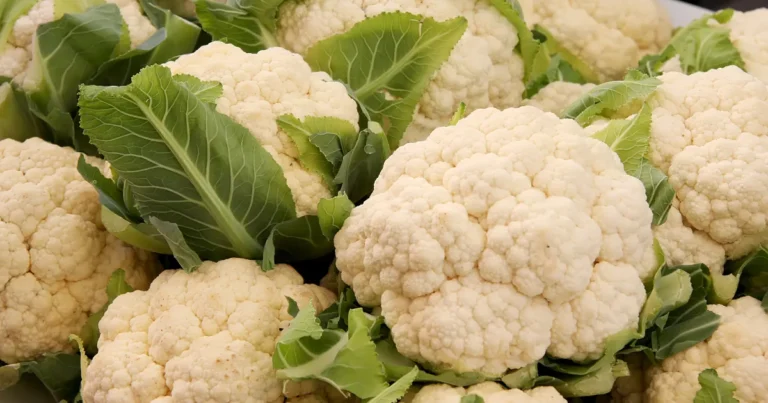
Cauliflower, a highly versatile and popular vegetable, stands as a cornerstone of the cruciferous family, sharing lineage with esteemed members like cabbage, broccoli, and Brussels sprouts. Recognized for its distinct appearance and adaptable nature in culinary applications, this humble vegetable offers far more than just aesthetic appeal; it is a nutritional powerhouse packed with an array of essential vitamins, minerals, and bioactive compounds. This extensive guide delves into cauliflower’s key benefits, its potential health effects as elucidated by scientific research, and its complete nutritional profile, providing a holistic understanding of its role in a balanced diet.
A Deep Dive into Cauliflower’s Core Nutrients
At the heart of cauliflower’s health-promoting properties lies its rich concentration of vital micronutrients. These components work synergistically to support numerous bodily functions, contributing significantly to overall well-being.
High in Vitamin C: The Immune Ally
Often associated with vibrant citrus fruits, cauliflower surprisingly emerges as an excellent source of vitamin C. A single 155-gram cup of cooked cauliflower provides approximately 65.9 mg of vitamin C, which accounts for 73% of the Daily Value (DV) established by the FDA based on a 2,000-calorie diet. Vitamin C, also known as ascorbic acid, is a powerful antioxidant crucial for various physiological processes. It plays a pivotal role in bolstering the immune system, protecting cells from oxidative damage caused by free radicals. Beyond immunity, vitamin C is indispensable for collagen synthesis, a fundamental protein required for healthy skin, bones, tendons, and blood vessels. It also aids in iron absorption and contributes to neurotransmitter synthesis, highlighting its broad impact on health.
Rich Source of Folate (Vitamin B9): Essential for Cellular Health
Cauliflower is a notable source of folate, a crucial B-vitamin integral to DNA synthesis and repair, cell division, and the formation of red blood cells. A 155-gram cup serving delivers 77.5 mcg of folate, equating to 19% of the daily value. This nutrient is particularly critical during periods of rapid cell growth, such as pregnancy and infancy. For pregnant women or those planning to conceive, adequate folate intake is paramount as it significantly reduces the risk of neural tube defects in developing fetuses. The Centers for Disease Control and Prevention (CDC) strongly recommends that all women capable of becoming pregnant consume 400 mcg of folic acid daily, a synthetic and more readily absorbed form of vitamin B9, due to the high prevalence of unplanned pregnancies. While cauliflower’s natural folate content is beneficial, supplementation with folic acid is often advised for this specific demographic to ensure sufficient intake.
Choline Content: A Crucial Nutrient for Brain and Liver Function
An often-overlooked yet vital nutrient, choline is abundantly present in cauliflower, with a 155-gram cup serving offering 71.3 mg, or 13% of the daily value. Choline is an essential nutrient involved in a diverse array of metabolic processes. It plays a fundamental role in cell membrane structure, supporting the integrity and signaling capabilities of cells. Crucially, choline is a precursor to acetylcholine, a neurotransmitter vital for memory, mood regulation, and muscle control. Furthermore, it aids in lipid metabolism and transport, helping to prevent fat buildup in the liver, thus supporting liver health. Research continues to uncover the extensive implications of adequate choline intake for brain development, cognitive function, and cardiovascular health.
Vitamin K Provision: For Coagulation and Bone Strength
Cauliflower is a reliable source of phylloquinone (vitamin K1), the form of vitamin K predominantly found in plants. Each 155-gram cup provides 25 mcg, fulfilling 21% of the daily value for vitamin K. This fat-soluble vitamin is indispensable for blood clotting, enabling the body’s natural healing processes in response to injuries. Beyond its well-known role in coagulation, vitamin K is also critical for bone health, contributing to bone mineralization and regulating calcium in the body. It activates proteins like osteocalcin, which helps integrate calcium into bone tissue. To maximize its absorption, consuming cauliflower alongside a source of dietary fat is recommended, aligning with the nature of fat-soluble vitamins.
The Culinary Chameleon: Cauliflower’s Unrivaled Versatility
Beyond its impressive nutritional profile, one of cauliflower’s most celebrated attributes is its extraordinary culinary versatility. Its mild flavor and adaptable texture allow it to be transformed into a myriad of dishes, making it a favorite among chefs and home cooks alike. From savory main courses to innovative side dishes and even dessert components, cauliflower seamlessly integrates into diverse cuisines and dietary preferences.
Historically, cauliflower has been a staple vegetable, but recent culinary trends have elevated its status as a popular substitute for higher-carbohydrate ingredients. This adaptability has cemented its position as a go-to for health-conscious eaters and those following specific dietary regimens like ketogenic or low-carb diets.
- Roasting: High-heat roasting caramelizes the florets, enhancing their natural sweetness and creating a tender-crisp texture. Often seasoned with herbs, spices, or garlic, roasted cauliflower serves as a flavorful side or a hearty addition to salads.
- Steaming/Boiling: These methods preserve its delicate flavor and texture, making it an excellent base for purees or a simple vegetable accompaniment.
- Cauliflower Rice: A revolutionary low-carb alternative, grated cauliflower can mimic rice in stir-fries, grain bowls, or as a pilaf, significantly reducing carbohydrate intake.
- Pizza Crust: Processed cauliflower can be combined with binders to form a sturdy, gluten-free pizza crust, offering a healthier foundation for favorite toppings.
- "Steaks": Thick slices of cauliflower can be grilled or roasted to create substantial, plant-based "steaks," often marinated for enhanced flavor.
- Mashed Cauliflower: A creamy, low-calorie alternative to mashed potatoes, often enriched with butter, garlic, or cheese.
- Soups and Purees: Its mild flavor makes it an ideal thickening agent and base for creamy soups, adding body and nutrients without heavy cream.
- Curries and Stews: Cauliflower readily absorbs flavors, making it a perfect addition to aromatic curries and hearty vegetable stews.
- Pickling: Pickled cauliflower florets offer a tangy, crunchy snack or condiment, often found in mixed vegetable pickles.
This extensive list merely scratches the surface of cauliflower’s culinary potential, underscoring its role not just as a nutritious food but also as a flexible ingredient capable of supporting a variety of dietary goals and preferences.
Potential Health Benefits Illuminated by Scientific Research
In addition to its well-established vitamin and mineral content, cauliflower is endowed with several bioactive compounds that have garnered significant attention in scientific research for their potential health-promoting properties. These include glucosinolates, isothiocyanates, and polyphenols.
Polyphenols: Antioxidant and Anti-inflammatory Agents
Cauliflower contains a modest yet beneficial profile of polyphenols, plant compounds known for their antioxidant and anti-inflammatory effects. Key compounds identified include quercetin and matairesinol. These polyphenols help combat oxidative stress in the body, which is implicated in chronic diseases and aging. Interestingly, the color of cauliflower directly influences its polyphenol content. While white cauliflower provides a good baseline, varieties like purple cauliflower boast a significantly higher concentration of anthocyanins – the pigments responsible for its vibrant hue. Anthocyanins, also found in blueberries and blackberries, are potent antioxidants. An umbrella review of systematic reviews in 2025 indicated that anthocyanins might offer positive health effects, including a potential reduction in inflammation and improvements in blood lipid profiles, thereby contributing to cardiovascular health.
Glucosinolates and Isothiocyanates: The Cancer Research Frontier
All cruciferous vegetables, including cauliflower, are characterized by their content of sulfur-containing compounds known as glucosinolates. These compounds are inert until the plant cells are damaged, typically through chopping, chewing, or during digestion. Upon disruption, a plant enzyme called myrosinase converts glucosinolates into their biologically active forms: isothiocyanates, such as sulforaphane.
Isothiocyanates have been the subject of extensive research, particularly concerning their potential role in cancer prevention. While findings remain mixed and research is ongoing, large scientific studies have explored associations between cruciferous vegetable intake and cancer risk:
- Colorectal Cancer: A 2023 meta-analysis published in Nutrients found that higher consumption of cruciferous vegetables was associated with a reduced risk of colorectal cancer. The bioactive compounds, particularly isothiocyanates, are believed to play a role in modulating detoxification enzymes and inducing apoptosis (programmed cell death) in cancer cells.
- Prostate Cancer: Several epidemiological studies have suggested an inverse association between cruciferous vegetable intake and prostate cancer risk, particularly for aggressive forms of the disease. A 2018 review in Cancer Epidemiology, Biomarkers & Prevention highlighted the potential of sulforaphane to inhibit prostate cancer cell growth.
- Breast Cancer: Research has indicated that a diet rich in cruciferous vegetables may be linked to a lower risk of breast cancer recurrence in survivors. A study in PLoS One (2014) observed that cruciferous vegetable intake was associated with a decreased risk of mortality among women with breast cancer.
Previous experimental studies, conducted both in vitro (in cell cultures) and in vivo (in animal models), have provided mechanistic insights, showing that isothiocyanates possess anti-inflammatory properties, can help prevent DNA damage, and may inhibit the formation of tumor blood vessels (angiogenesis).
A Note on Scientific Interpretation:
It is crucial to emphasize that while these studies suggest compelling associations between cruciferous vegetable intake and a lower risk of certain cancers, association does not equate to causation. The complexity of human diets, lifestyles, and genetic factors means that definitive causal links require further rigorous research, including randomized controlled trials where feasible. Moreover, this body of research often focuses on cruciferous vegetables as a group rather than isolating cauliflower, indicating that the benefits likely stem from the synergistic action of various compounds found across the family.
Full Nutritional Profile of Cooked Cauliflower
To provide a comprehensive understanding, the following sections detail the complete nutritional values of cooked cauliflower. The data is presented per 100 grams and per 155-gram cup (a typical serving size), with percent daily values (% DV) calculated based on the FDA’s current guidelines. All nutritional data is sourced from the USDA’s FoodData Central.
Calories and Macronutrients
| Nutrient | Per 100g | Per 155g cup (% DV) |
|---|---|---|
| Calories | 26 kcal | 40 kcal |
| Carbohydrates | 5.16g (2%) | 8.0g (3%) |
| Fiber | 2.1g (8%) | 3.26g (11%) |
| Sugars | 1.98g | 3.07g |
| Fat | 0.29g (<1%) | 0.45g (<1%) |
| Saturated fat | 0.14g (<1%) | 0.21g (1%) |
| Monounsaturated fat | 0.04g | 0.05g |
| Polyunsaturated fat | 0.03g | 0.05g |
| Omega-3 | 0.016g | 0.025g |
| Omega-6 | 0.017g | 0.026g |
| Protein | 1.99g (4%) | 3.08g (6%) |
| Cholesterol | 0 mg (0%) | 0 mg (0%) |
Table 1: Typical calorie and macronutrient content of cooked cauliflower per 100g and per 155g cup serving
Cauliflower is remarkably low in calories and fat, making it an excellent choice for weight management. Its moderate fiber content contributes to digestive health and satiety, while its low sugar profile makes it suitable for individuals managing blood sugar levels. The presence of essential amino acids in its protein content, albeit modest, adds to its nutritional value.
Vitamins
| Vitamin | Per 100g (% DV) | Per 155g cup (% DV) |
|---|---|---|
| Vitamin A (RAE) | 0 mcg (0%) | 0 mcg (0%) |
| Vitamin C | 42.5 mg (47%) | 65.9 mg (73%) |
| Vitamin D | 0 mcg (0%) | 0 mcg (0%) |
| Vitamin E | 0.08 mg (<1%) | 0.12 mg (1%) |
| Vitamin K | 16.1 mcg (13%) | 25 mcg (21%) |
| Thiamin (B1) | 0.05 mg (4%) | 0.07 mg (6%) |
| Riboflavin (B2) | 0.06 mg (5%) | 0.09 mg (7%) |
| Niacin (B3) | 0.5 mg (3%) | 0.78 mg (5%) |
| Vitamin B6 | 0.17 mg (10%) | 0.27 mg (16%) |
| Folate (B9) | 50 mcg (13%) | 77.5 mcg (19%) |
| Vitamin B12 | 0 mcg (0%) | 0 mcg (0%) |
| Choline | 46 mg (8%) | 71.3 mg (13%) |
Table 2: Typical vitamin content of cooked cauliflower per 100g and per 155g cup serving
As highlighted, cauliflower excels in providing Vitamin C, K, folate, and choline. It also offers smaller but meaningful amounts of other B vitamins, which are essential for energy metabolism and nerve function.
Minerals
| Mineral | Per 100g (% DV) | Per 155g cup (% DV) |
|---|---|---|
| Calcium | 23 mg (2%) | 35.6 mg (3%) |
| Iron | 0.44 mg (2%) | 0.68 mg (4%) |
| Magnesium | 16 mg (4%) | 24.8 mg (6%) |
| Phosphorus | 46 mg (4%) | 71.3 mg (6%) |
| Potassium | 311 mg (7%) | 482 mg (10%) |
| Sodium | 152 mg (7%) | 236 mg (10%) |
| Zinc | 0.28 mg (3%) | 0.43 mg (4%) |
| Copper | 0.04 mg (4%) | 0.06 mg (7%) |
| Selenium | 0.6 mcg (1%) | 0.93 mcg (2%) |
Table 3: Typical mineral content of cooked cauliflower per 100g and per 155g cup serving
Cauliflower contributes to mineral intake, notably potassium, which is important for blood pressure regulation, and phosphorus, vital for bone health and energy production.
Note on Sodium Content: It is important to contextualize the sodium figures. Raw cauliflower naturally contains a much lower sodium content, approximately 30 mg per 100g (USDA data). The higher sodium levels listed for cooked cauliflower (152 mg per 100g) in the USDA database are likely attributable to the common practice of adding salt during the cooking process. Consumers should be mindful of added salt when preparing cauliflower to manage their sodium intake effectively.
Potential Drawbacks and Considerations
While cauliflower is overwhelmingly beneficial, there are a few context-specific drawbacks and considerations, primarily related to preparation methods or individual sensitivities.
Cauliflower Dishes Can Be High in Calories
Despite raw cauliflower being very low in calories, the way it is often prepared can significantly increase its caloric density. Dishes like cheesy cauliflower gratins, deep-fried cauliflower "wings," or cauliflower mashed with generous amounts of butter and cream can quickly become high in calories and saturated fats. A 2021 systematic review examining the association between various fruits and vegetables and type 2 diabetes risk found that while most produce was linked to a reduced risk, some, including cauliflower, fruit juice, and potatoes, were associated with an increased risk. Researchers posited that these associations might be influenced by how these foods are typically consumed – for example, as calorie-dense preparations rather than in their raw or lightly cooked forms. This highlights the importance of preparation methods in determining the overall health impact of a food.
Drug Interactions
Cruciferous vegetables, including cauliflower, contain compounds that can influence the body’s processing of certain medications. A 2020 systematic review, based on 23 clinical trials, indicated that a high intake of cruciferous vegetables could speed up the activity of certain enzymes, specifically CYP1A2 and GST-a, which are involved in breaking down various drugs. This accelerated metabolism could potentially reduce the efficacy of medications processed by these enzymes. Such medicines may include certain varieties of antidepressants, anticoagulants (like warfarin), and asthma drugs, among others. Individuals with a high regular intake of cruciferous vegetables who are on these medications should consult their healthcare provider to discuss potential interactions and ensure optimal drug effectiveness.
Goitrogenic Compounds and Thyroid Function
Cruciferous vegetables contain goitrogens, natural compounds that, in very high quantities and particularly in raw form, can interfere with iodine uptake by the thyroid gland, potentially impacting thyroid hormone production. For healthy individuals with adequate iodine intake, the amount of goitrogens in typical servings of cauliflower is generally not a concern. However, individuals with pre-existing thyroid conditions, especially hypothyroidism or iodine deficiency, may need to be mindful of excessive raw cruciferous vegetable consumption. Cooking cauliflower typically deactivates a significant portion of these goitrogenic compounds, making cooked forms safer for those with sensitivities.
Digestive Discomfort (FODMAPs and Fiber)
For some individuals, particularly those with sensitive digestive systems or Irritable Bowel Syndrome (IBS), cauliflower can cause digestive discomfort such as bloating, gas, or abdominal pain. This is due to its content of fermentable oligosaccharides, disaccharides, monosaccharides, and polyols (FODMAPs), specifically mannitol. While fiber is beneficial for gut health, a sudden increase in fiber intake, or consuming large quantities of raw cauliflower, can also lead to temporary digestive upset. Cooking can help break down some of these compounds, and starting with smaller portions can help individuals assess their tolerance.
Broader Impact and Implications
Cauliflower’s journey from a common garden vegetable to a culinary darling underscores a broader shift in dietary consciousness. Its adaptability has made it a symbol of healthy eating trends, particularly the move towards plant-based diets and low-carbohydrate alternatives. As consumers increasingly seek nutrient-dense, versatile, and sustainable food options, cauliflower is poised to maintain its prominence. Its relative ease of cultivation also contributes to its role in global food systems, offering a robust and nutritious crop that can thrive in various climates. From a public health perspective, encouraging the consumption of vegetables like cauliflower aligns with recommendations for increased fruit and vegetable intake to combat chronic diseases and improve overall health outcomes.
Summary
In conclusion, cauliflower is far more than a simple vegetable; it is a nutritional powerhouse offering a wealth of health benefits. Its rich supply of vitamin C, folate, choline, and vitamin K, coupled with potent bioactive compounds like glucosinolates, isothiocyanates, and polyphenols, positions it as a significant contributor to a healthy diet. From supporting immune function and cellular health to potentially mitigating the risk of certain chronic diseases, the evidence for including cauliflower in one’s diet is compelling. Its remarkable culinary versatility further enhances its appeal, allowing it to be integrated into countless dishes that cater to diverse tastes and dietary needs. While considerations regarding preparation methods and potential drug interactions exist, these are generally manageable with awareness and proper guidance, reinforcing cauliflower’s status as a highly valuable and beneficial food.
References
- USDA FoodData Central. Cooked Cauliflower. fdc.nal.usda.gov/food-details/2709897/nutrients
- USDA FoodData Central. Raw Cauliflower. fdc.nal.usda.gov/food-details/2709777/nutrients
- Office of Dietary Supplements, National Institutes of Health. Vitamin C Fact Sheet for Consumers. ods.od.nih.gov/factsheets/VitaminC-Consumer/
- Office of Dietary Supplements, National Institutes of Health. Folate Fact Sheet for Consumers. ods.od.nih.gov/factsheets/Folate-Consumer/
- Centers for Disease Control and Prevention. About Folic Acid. www.cdc.gov/folic-acid/about/intake-and-sources.html
- Office of Dietary Supplements, National Institutes of Health. Choline Fact Sheet for Consumers. ods.od.nih.gov/factsheets/Choline-Consumer/
- MedlinePlus. Vitamin K. medlineplus.gov/ency/article/002407.htm
- Phenol-Explorer. Cauliflower. phenol-explorer.eu/contents/food/264#chromatography-after-hydrolysis
- Mali, S., et al. (2025). "Anthocyanins and human health: An umbrella review of systematic reviews." Food & Function, 16(1), 195-213. pubs.rsc.org/en/content/articlelanding/2025/fo/d5fo02803e
- Fahey, J. W., et al. (2023). "Glucosinolates and Isothiocyanates: From Phytochemistry to Nutraceuticals and Clinical Trials." Critical Reviews in Food Science and Nutrition, 63(18), 3467-3486. www.tandfonline.com/doi/10.1080/10408398.2023.2198015
- National Cancer Institute. Cruciferous Vegetables and Cancer Prevention. www.cancer.gov/about-cancer/causes-prevention/risk/diet/cruciferous-vegetables-fact-sheet
- Aune, D., et al. (2021). "Fruit and vegetable intake and the risk of type 2 diabetes: a systematic review and meta-analysis of prospective studies." BMJ Nutrition, Prevention & Health, 4(2), 519-532. nutrition.bmj.com/content/4/2/519
- Wang, W., et al. (2020). "Cruciferous Vegetable Intake and Drug Metabolism: A Systematic Review of Clinical Trials." Clinical Pharmacology & Therapeutics, 108(2), 350-362. ascpt.onlinelibrary.wiley.com/doi/10.1002/cpt.1811
- Song, J.K., et al. (2023). "Cruciferous Vegetable Consumption and Colorectal Cancer Risk: A Meta-Analysis of Observational Studies." Nutrients, 15(7), 1735. www.mdpi.com/2072-6643/15/7/1735
- Liu, B., et al. (2018). "Cruciferous vegetables and prostate cancer risk: a meta-analysis." Cancer Epidemiology, Biomarkers & Prevention, 27(6), 686-694. cebp.aacrjournals.org/content/27/6/686
- Mandel, M. et al. (2014). "Cruciferous vegetable intake and mortality among women with breast cancer: A prospective cohort study." PLoS One, 9(7), e102926. journals.plos.org/plosone/article?id=10.1371/journal.pone.0102926