


Yeast infection on face can be a frustrating skin issue, causing redness, itchiness, and discomfort. This guide dives deep into understanding the causes, symptoms, diagnosis, treatment, and prevention strategies for facial yeast infections. We’ll explore different types of yeast involved, compare them to other skin conditions, and discuss personalized approaches for various populations.
From identifying the tell-tale signs to effective treatment options, this comprehensive guide will equip you with the knowledge to effectively manage and prevent facial yeast infections. We’ll also cover preventive measures, highlighting lifestyle changes and skincare routines that can help.
Defining Facial Yeast Infections
Facial yeast infections, often mistaken for other skin conditions, are a common, albeit sometimes frustrating, problem. They occur when a type of fungus, typically yeast, overgrows on the face, leading to redness, itching, and sometimes, discomfort. Understanding the specific types of yeast involved, the symptoms they present, and the factors that contribute to their development is crucial for effective management.Yeast infections on the face, like those on other parts of the body, are caused by an overgrowth of certain types of fungi.
The most common culprit is
- Candida albicans*, a type of fungus that’s naturally present on the skin but can become problematic when the skin’s balance is disrupted. Other less common types of yeast can also cause similar symptoms, but
- Candida albicans* is the most prevalent.
Types of Yeast Involved
Facial yeast infections are primarily caused by the overgrowth of
- Candida albicans*, a type of fungus naturally found on human skin. The overgrowth occurs when the delicate balance of the skin’s microbiome is disrupted, leading to an environment conducive to yeast proliferation. While other types of yeast can also cause similar symptoms,
- Candida albicans* is the most frequently implicated.
Symptoms of Facial Yeast Infections
Recognizing the symptoms of a facial yeast infection is essential for timely treatment. Symptoms often include redness, itching, and a burning sensation in the affected area. A characteristic rash might develop, appearing as small, red bumps or patches. Sometimes, a white or yellowish discharge may be present. The intensity of symptoms can vary from person to person.
Comparison with Other Skin Conditions
Distinguishing facial yeast infections from other skin conditions can be challenging due to overlapping symptoms. Conditions like eczema, acne, and even allergic reactions can present with similar redness and irritation. Differentiating factors include the presence of specific symptoms (like a white discharge in yeast infections) and the patient’s medical history.
Dealing with a facial yeast infection can be frustrating, right? Understanding the intricate processes of the human body, like how nails grow, can sometimes offer surprising insights into these kinds of issues. For example, learning about nail anatomy, growth, and structure from resources like nail anatomy growth structure and more can help us understand the overall health of our bodies.
This, in turn, can help us better address the underlying causes of a yeast infection on the face.
Causes of Facial Yeast Infections
Several factors contribute to the development of facial yeast infections. Environmental factors, such as excessive sweating, humidity, or wearing tight clothing, can create a warm, moist environment ideal for yeast growth. Lifestyle factors, like a compromised immune system, use of certain medications, and a diet high in sugar, can also play a role.
Distinguishing Facial Yeast Infections from Other Conditions
Precise diagnosis often requires a combination of clinical observation and possibly a skin culture. A healthcare professional can differentiate between facial yeast infections and other conditions based on symptoms, medical history, and sometimes a physical examination. A skin scraping or sample can be examined under a microscope to identify the presence of yeast. This process can help to distinguish a yeast infection from other conditions with similar symptoms, such as acne, eczema, or rosacea.
Table of Common Symptoms and Potential Causes
| Symptom | Description | Potential Cause | Severity |
|---|---|---|---|
| Redness | A flushed, inflamed appearance of the skin. Can range from a subtle pink tinge to a more pronounced red color. | Yeast infection, eczema, allergic reactions, rosacea, acne. | Mild to moderate |
| Itching | A persistent, often uncomfortable sensation that prompts scratching. | Yeast infection, eczema, insect bites, allergic reactions. | Mild to moderate |
| Burning Sensation | A feeling of warmth and discomfort in the affected area. | Yeast infection, irritant contact dermatitis, allergic reactions. | Mild to moderate |
| White or Yellowish Discharge | A thick, creamy substance that can be visible on the affected skin. | Yeast infection. | Moderate to severe |
| Small, Red Bumps or Patches | Raised areas on the skin, often accompanied by redness and irritation. | Yeast infection, acne, eczema, allergic reactions. | Mild to moderate |
Diagnosis and Treatment: Yeast Infection On Face
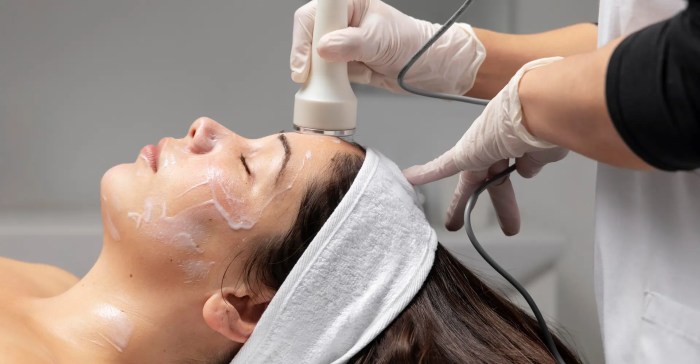
Facial yeast infections, often appearing as red, irritated patches, require accurate diagnosis for effective treatment. Misidentification can lead to ineffective treatments and prolonged discomfort. Proper diagnosis and a tailored treatment plan are crucial for a speedy recovery.Identifying the specific cause is paramount to successful treatment. A healthcare professional will consider the patient’s medical history, symptoms, and physical examination to rule out other skin conditions.
Visual inspection alone isn’t sufficient, and further testing might be necessary to confirm the presence of yeast.
Diagnostic Procedures
A healthcare professional will meticulously examine the affected area, looking for characteristic signs of a yeast infection. This includes redness, scaling, and possible itching or burning. Sometimes, a sample of the skin or discharge may be collected for laboratory analysis to confirm the presence of the fungus. This process can involve scraping a small amount of the affected area and examining it under a microscope to identify the yeast cells.
Treatment Options
A variety of treatment options are available, ranging from over-the-counter remedies to prescription medications. The best approach depends on the severity of the infection and the individual’s response to treatment.
Over-the-Counter Remedies
Over-the-counter antifungal creams, containing ingredients like clotrimazole or miconazole, can effectively treat mild facial yeast infections. These topical creams work by disrupting the growth of the yeast. However, they may not be sufficient for more extensive or persistent infections.
Prescription Medications
For more severe or resistant cases, a dermatologist may prescribe stronger antifungal medications, including oral medications or stronger topical creams. These medications often target the yeast’s life cycle at a deeper level, leading to more comprehensive treatment. The specific medication and dosage will depend on the individual’s condition and response.
Effectiveness and Side Effects
The effectiveness of treatments varies. Over-the-counter options often provide relief for mild cases, but persistent or severe infections might require prescription medications for optimal results. Potential side effects of antifungal treatments include skin irritation, redness, or burning at the application site. Rarely, more serious side effects, such as allergic reactions, can occur. Patients should carefully follow the instructions provided by their healthcare provider and report any unusual symptoms.
Comparing Treatment Approaches
Comparing over-the-counter and prescription treatments reveals that prescription medications tend to be more effective for severe or persistent infections, while over-the-counter options are often sufficient for milder cases. The decision on which treatment to use depends heavily on the severity and the individual’s response to treatment.
| Treatment | Mechanism | Effectiveness | Potential Side Effects |
|---|---|---|---|
| Clotrimazole cream (OTC) | Disrupts yeast cell membrane | Generally effective for mild cases | Skin irritation, redness, burning |
| Miconazole cream (OTC) | Disrupts yeast cell membrane | Generally effective for mild cases | Skin irritation, redness, burning |
| Fluconazole (Prescription) | Inhibits yeast cell growth | Highly effective for moderate to severe cases | Headache, nausea, abdominal pain (rare) |
| Ketoconazole (Prescription) | Disrupts yeast cell membrane | Highly effective for moderate to severe cases | Skin rash, liver problems (rare) |
Applying Topical Antifungal Creams
Proper application of topical antifungal creams is essential for maximizing effectiveness and minimizing potential side effects. Clean the affected area thoroughly with mild soap and water before applying the cream. Apply a thin layer of cream to the affected area, ensuring complete coverage. Avoid applying excessive pressure or rubbing the cream into the skin. Follow the instructions on the cream packaging for the recommended frequency and duration of treatment.
Dealing with a facial yeast infection can be incredibly frustrating, causing redness, itching, and discomfort. Fortunately, besides topical treatments, massage therapy helps relieve pain and tension, which can sometimes contribute to the inflammation. This gentle approach can help relax the skin and reduce irritation, potentially easing the symptoms of a facial yeast infection. massage therapy helps relieve pain can be a valuable addition to your skincare routine.
Ultimately, persistent facial yeast infections should be discussed with a dermatologist for proper diagnosis and treatment.
Prevention Strategies
Facial yeast infections, while often manageable, can be frustrating and recurring. Proactive measures play a crucial role in preventing these issues. Understanding the factors contributing to yeast overgrowth and implementing appropriate lifestyle changes can significantly reduce the risk of future infections.Effective prevention involves a multi-faceted approach targeting diet, hygiene, and skincare practices. A holistic strategy that combines these elements is key to maintaining healthy facial skin and minimizing the likelihood of yeast overgrowth.
Lifestyle Changes for Prevention
Maintaining a healthy lifestyle, encompassing stress management and sufficient sleep, is integral to overall well-being and skin health. Chronic stress can weaken the immune system, making individuals more susceptible to various skin conditions, including yeast infections. Prioritizing adequate sleep allows the body to repair and rejuvenate, further supporting a robust immune response. This, in turn, contributes to a healthier skin barrier, hindering the overgrowth of yeast.
Dietary Recommendations for Healthy Skin
A balanced diet rich in fruits, vegetables, and lean proteins provides the necessary nutrients for healthy skin. A diet high in refined sugars and processed foods can contribute to an environment conducive to yeast overgrowth. Limiting sugary drinks and snacks, while focusing on nutrient-rich foods, can promote a healthier skin microbiome. This approach supports a balanced gut environment, which is crucial for overall well-being and can indirectly influence skin health.
Importance of Maintaining Good Hygiene
Maintaining proper hygiene is fundamental in preventing facial yeast infections. Regular cleansing of the affected area with a gentle cleanser is essential. Avoid harsh scrubbing, as this can irritate the skin and compromise its protective barrier. Thorough rinsing and patting the skin dry after cleansing are crucial steps to prevent moisture buildup, a key factor in yeast proliferation.
Effective Skincare Product Use
Choosing the right skincare products is important for preventing yeast infections. Look for products that are specifically designed for sensitive skin or are hypoallergenic. Avoid using harsh chemicals or fragrances, which can irritate the skin and disrupt the natural balance of the skin microbiome. Products with anti-fungal properties can be beneficial, but always consult a dermatologist before introducing new skincare products, particularly if you have a history of skin sensitivities.
Examples of Skincare Products for Prevention
Several skincare products can help prevent yeast infections. Look for products containing ingredients like tea tree oil, known for its anti-fungal properties. Products with salicylic acid or benzoyl peroxide can help control acne, which can sometimes be linked to yeast overgrowth, but these products should be used with caution. Always test any new product on a small area of skin first to ensure there’s no adverse reaction.
Some skincare brands offer specialized products for sensitive skin prone to yeast infections.
Preventative Measures to Avoid Facial Yeast Infections
- Maintain good hygiene. Regular, gentle cleansing, and thorough drying are crucial for preventing moisture buildup, which is a breeding ground for yeast.
- Avoid tight clothing. Tight clothing can trap moisture and heat against the skin, creating an ideal environment for yeast to thrive. Opt for breathable fabrics and loose-fitting clothing to allow air circulation.
- Keep the skin dry. Avoid excessive sweating and ensure proper drying after cleansing to prevent moisture accumulation. This can be especially important in humid climates or after activities that promote sweating.
Understanding Facial Yeast Infections in Specific Populations
Facial yeast infections, while relatively common, can manifest differently and present unique challenges for various populations. Understanding these variations is crucial for accurate diagnosis and effective treatment. Different factors, from age to underlying health conditions, can influence the severity and frequency of these infections. This section delves into the specific challenges faced by various demographics.
Dealing with a yeast infection on my face has been a real struggle lately. It’s so frustrating, especially when you’re trying to figure out the best treatment. While researching different remedies, I stumbled upon some interesting information about how long postpartum depression can last. It seems like a lot of women experience a range of symptoms for a varying period, and it can be incredibly difficult to know when things will start to improve.
how long does postpartum depression last Understanding the emotional toll of that can really shed light on the need for support systems. Luckily, I’ve found some creams that seem to be helping with my facial yeast infection, and I’m hoping for a quick resolution.
Factors Influencing Facial Yeast Infections in Different Age Groups, Yeast infection on face
Age significantly impacts susceptibility to facial yeast infections. Infants and young children may experience facial yeast infections due to immature immune systems and less developed skin barrier functions. In contrast, older adults often have weakened immune systems and altered skin hydration, increasing their risk. This susceptibility can also be linked to lifestyle choices and environmental factors, which can vary greatly among age groups.
Impact of Underlying Health Conditions on Facial Yeast Infections
Individuals with underlying health conditions, such as diabetes, weakened immune systems, or compromised skin barrier functions, often experience a higher frequency and severity of facial yeast infections. The presence of these conditions can disrupt the body’s natural defenses against yeast overgrowth. For example, individuals with uncontrolled diabetes may experience more frequent and persistent infections due to elevated blood sugar levels, which create an environment favorable for yeast proliferation.
Similarly, those with weakened immune systems, whether from medication or an underlying condition, may find it harder to fight off the infection.
Impact of Medications on Facial Yeast Infections
Certain medications can alter the skin’s microbial balance, increasing the risk of yeast infections. For instance, broad-spectrum antibiotics can disrupt the natural flora of the skin, leading to an overgrowth of yeast. Similarly, corticosteroids, frequently used for various inflammatory conditions, can weaken the skin’s defenses and increase susceptibility to infection. Steroid creams, particularly those applied to the face, may increase risk.
The duration and dosage of these medications also play a crucial role in determining the likelihood of a facial yeast infection.
Specific Groups and Their Risk Factors
Different groups face unique risk factors for facial yeast infections. For instance, individuals with diabetes may experience more frequent and severe infections due to elevated blood sugar levels. Similarly, individuals with compromised immune systems due to underlying conditions or medications are at higher risk. Furthermore, individuals who are immunocompromised, including those undergoing chemotherapy, may be highly susceptible to facial yeast infections.
People with compromised skin barrier functions, whether due to skin conditions or other factors, may also experience increased risk.
Common Misconceptions and Their Inaccuracy
Several misconceptions surround facial yeast infections. One common misconception is that facial yeast infections are contagious. This is inaccurate; facial yeast infections are not spread from person to person. Another misconception is that facial yeast infections are solely caused by poor hygiene. While maintaining good hygiene is important for overall health, poor hygiene is not the primary cause of facial yeast infections.
The presence of underlying conditions, use of certain medications, or environmental factors are more significant factors.
Table Illustrating Potential Risk Factors for Different Populations
| Population | Potential Risk Factors | Examples |
|---|---|---|
| Diabetics | Elevated blood sugar levels, impaired immune function, compromised skin barrier | Frequent and persistent infections, delayed healing, increased severity |
| Individuals with weakened immune systems | Underlying conditions (e.g., HIV, cancer), immunosuppressant medications, malnutrition | Increased susceptibility to infections, difficulty fighting off infections, more severe infections |
| Individuals taking broad-spectrum antibiotics | Disruption of natural skin flora, increased risk of yeast overgrowth | Development of infections, prolonged use increases risk |
| Individuals with certain skin conditions | Impaired skin barrier function, moisture retention, chronic irritation | Atopic dermatitis, eczema, psoriasis, frequent facial rashes |
| Older Adults | Reduced skin hydration, decreased immune function, slower wound healing | Increased susceptibility to infections, longer healing times, greater severity |
Illustrations and Visual Aids
Visual aids are crucial for understanding and identifying facial yeast infections. Different stages and types of these infections present with varying visual characteristics. Proper identification is key to effective treatment. This section provides detailed descriptions and examples of how facial yeast infections manifest, allowing for easier recognition and early intervention.
Visual Cues in Different Stages
Early-stage facial yeast infections often present as small, red, irritated patches on the skin. These patches may appear slightly raised and often accompanied by a subtle burning or itching sensation. As the infection progresses, the patches can enlarge, becoming more inflamed and potentially exhibiting a scaling or flaky texture. In some cases, small, pinpoint vesicles (fluid-filled blisters) might appear.
These visual cues can help distinguish between a mild and a more severe infection.
Appearance of Different Types of Facial Yeast Infections
Facial yeast infections can manifest in various ways, depending on the specific fungal species involved and the individual’s response to the infection. One common type appears as small, red, and slightly raised bumps, often clustered together. Another type may exhibit a diffuse, red rash with a slightly moist or oily appearance. In some instances, a ring-like pattern of redness and inflammation might be observed.
These variations highlight the importance of a thorough examination by a healthcare professional.
Assessing Severity Based on Visual Cues
The severity of a facial yeast infection can be assessed by observing the size, number, and distribution of affected areas. A small, localized area of redness and mild scaling usually indicates a less severe infection. However, widespread inflammation, significant swelling, and deep-seated lesions suggest a more advanced infection that may require more aggressive treatment. A healthcare professional can accurately assess the severity and determine the appropriate course of action.
A patient’s medical history and symptoms should also be considered.
Descriptive Terminology for Facial Yeast Infections
Various terms describe the different visual presentations of facial yeast infections. Erythema describes redness of the skin, while papules refer to small, solid, raised bumps. Vesicles, as mentioned earlier, are fluid-filled blisters. Macules are flat, discolored spots. Using accurate terminology ensures effective communication between patients and healthcare providers, enabling a clearer understanding of the specific condition.
A healthcare professional can provide more specific terminology based on the clinical examination. For example, “erythematous papulovesicular rash” describes a rash with redness, small bumps, and blisters.
Final Conclusion
In conclusion, yeast infection on face, while a common skin concern, can be effectively managed with proper knowledge and care. Understanding the causes, symptoms, and treatment options, along with preventive strategies, empowers individuals to take control of their skin health. This guide provides a roadmap for navigating this issue, enabling you to make informed decisions about your care and well-being.