


What is a chemical pregnancy? It’s a surprisingly common, yet often misunderstood, aspect of trying to conceive. This in-depth look explores the complexities of this early pregnancy setback, from its biological underpinnings to the emotional impact on couples. We’ll cover the defining characteristics, potential causes, symptoms, and crucial insights into how it affects future pregnancies. Understanding this can be vital for navigating the journey to parenthood.
This post aims to clarify what a chemical pregnancy is, and how it works, breaking down the key concepts in an accessible and straightforward way. We’ll cover everything from the initial definition to preventative measures and support resources, all in one place.
Defining Chemical Pregnancy
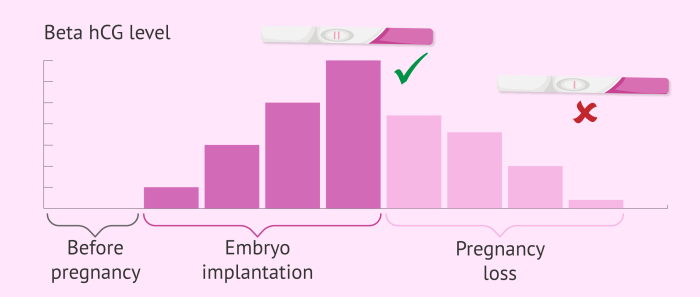
A chemical pregnancy is a disheartening but relatively common experience for those trying to conceive. It’s a situation where a fertilized egg implants in the uterus, but the pregnancy fails to progress beyond the very early stages. This often results in a negative pregnancy test later on, or no noticeable symptoms at all. Understanding this process can help to navigate the emotional rollercoaster of early pregnancy loss.Chemical pregnancies are often a silent event, occurring so early in pregnancy that many women may not even realize they were pregnant in the first place.
The biological mechanisms involved are intricate, and while they don’t always lead to a viable pregnancy, they highlight the complex interplay of hormones and cellular processes that are necessary for successful implantation and development.
Biological Processes Leading to a Chemical Pregnancy
The process begins with fertilization, where a sperm cell successfully penetrates an egg. This fusion creates a zygote, the first cell of a new human life. This zygote then undergoes rapid cell division, forming a blastocyst, which is a ball of cells that seeks to implant itself in the uterine lining. A successful implantation is crucial for a pregnancy to continue.
Ever heard of a chemical pregnancy? It’s basically a very early pregnancy that ends before you even realize you’re pregnant. Dealing with the emotional rollercoaster of a potential pregnancy loss can be tough, and sometimes, finding healthy ways to cope with anxiety is key. Learning about different approaches like treating anxiety with CBD vs THC can be really helpful in managing stress and finding a sense of calm during this time.
For more info on that, check out this insightful article on treating anxiety with cbd vs thc what to know. Ultimately, understanding what a chemical pregnancy is, and how to manage your emotional well-being, is a crucial part of navigating this experience.
However, sometimes the blastocyst is unable to fully embed itself or the uterine environment is not receptive, preventing it from establishing the necessary connections for further growth. This can result in a chemical pregnancy.
Stages of Pregnancy Impacted by a Chemical Pregnancy
Chemical pregnancies impact the very earliest stages of pregnancy. These are the stages where the developing embryo is most vulnerable to factors that may prevent its successful development. These factors can include hormonal imbalances, genetic abnormalities, and issues with the uterine lining.
Ever wondered about a chemical pregnancy? It’s a tricky situation where you get a positive pregnancy test, but the embryo doesn’t implant properly. This can be really disheartening, especially when you’re trying so hard. You might even be wondering about the optimal time to get outside for a run during the winter, and when it becomes too cold to continue.
Check out this helpful guide on when is it too cold to run outside for tips on staying safe and healthy. Ultimately, a chemical pregnancy is a very common, though sadly frustrating, experience.
Common Symptoms Associated with a Chemical Pregnancy
Many women experience no symptoms at all during a chemical pregnancy. Those who do might notice some symptoms similar to early pregnancy, such as missed periods, breast tenderness, nausea, or fatigue. However, these symptoms may be mild and short-lived, often mistaken for other conditions. It is important to note that these symptoms do not always indicate a chemical pregnancy.
A confirmed diagnosis can only be obtained through medical testing.
| Stage of Pregnancy | Description | Potential Impact of a Chemical Pregnancy |
|---|---|---|
| Fertilization | The sperm fertilizes the egg, forming a zygote. | A successful fertilization is the first step, but if the fertilized egg cannot develop or implant correctly, a chemical pregnancy can occur. |
| Implantation | The fertilized egg (blastocyst) attaches to the uterine wall. | If implantation is not successful or the uterine environment is not supportive, the pregnancy will not progress. |
| Early Embryonic Development | The embryo begins to develop key structures and systems. | Genetic abnormalities or other factors can disrupt this stage, leading to a chemical pregnancy. |
Causes of Chemical Pregnancy
Understanding the factors contributing to chemical pregnancies is crucial for both emotional support and informed decision-making. While the exact cause often remains elusive, identifying potential contributing factors can provide valuable insights into optimizing chances of a successful pregnancy. This knowledge empowers individuals and healthcare providers to make proactive choices and address potential underlying issues.
Potential Factors Contributing to Chemical Pregnancy
Various factors can potentially influence the occurrence of chemical pregnancies. These factors encompass a range of influences, from hormonal imbalances to lifestyle choices. Understanding these aspects can lead to proactive measures for improved reproductive health.
Hormonal Imbalances
Hormonal imbalances play a significant role in reproductive health, and their disruption can directly impact the delicate process of early pregnancy. Inadequate levels of progesterone, for example, can hinder the proper implantation of the fertilized egg. Similarly, irregularities in estrogen levels can also contribute to problems during early pregnancy development. Furthermore, thyroid disorders, often overlooked, can significantly impact fertility and lead to chemical pregnancies.
Genetic Factors
Genetic predisposition can also influence the likelihood of experiencing a chemical pregnancy. Certain genetic mutations or chromosomal abnormalities in either the egg or sperm can hinder the development of a viable embryo. Inherited conditions can also impact implantation and early embryo development. For instance, some inherited clotting disorders can lead to issues in blood supply to the embryo, potentially leading to early pregnancy loss.
Experiencing a chemical pregnancy can be incredibly disheartening, a fleeting hope that quickly fades. It’s basically a pregnancy that ends very early, before you even realize you’re pregnant. While navigating this emotional rollercoaster, you might be researching various weight loss strategies, including exploring options like weight loss medication with best adherence. Ultimately, remember that a chemical pregnancy isn’t a reflection of your worth or future fertility potential, just a sometimes-difficult part of the journey.
Lifestyle Factors
Lifestyle choices have a profound impact on overall health and, consequently, on reproductive health. Factors like smoking, excessive alcohol consumption, and poor nutrition can all negatively influence the body’s ability to sustain a healthy pregnancy. Furthermore, significant weight fluctuations and lack of exercise can also disrupt hormonal balance, potentially contributing to chemical pregnancy.
Environmental Factors
Exposure to certain environmental toxins or pollutants can also negatively affect reproductive health. Exposure to harmful chemicals, radiation, or even certain medications can potentially interfere with the delicate balance needed for a successful pregnancy. For instance, long-term exposure to heavy metals can affect egg and sperm quality, hindering fertilization and embryo development.
Table: Potential Causes and Implications of Chemical Pregnancy
| Potential Cause | Potential Implications |
|---|---|
| Hormonal Imbalances (e.g., low progesterone, thyroid disorders) | Reduced implantation success, disrupted embryo development. |
| Genetic Factors (e.g., chromosomal abnormalities) | Incompatibility between egg and sperm, hindering embryo development. |
| Lifestyle Factors (e.g., smoking, poor nutrition) | Impaired cellular function, affecting implantation and embryo growth. |
| Environmental Factors (e.g., exposure to toxins) | Damage to reproductive cells, hindering fertilization and development. |
Symptoms and Diagnosis
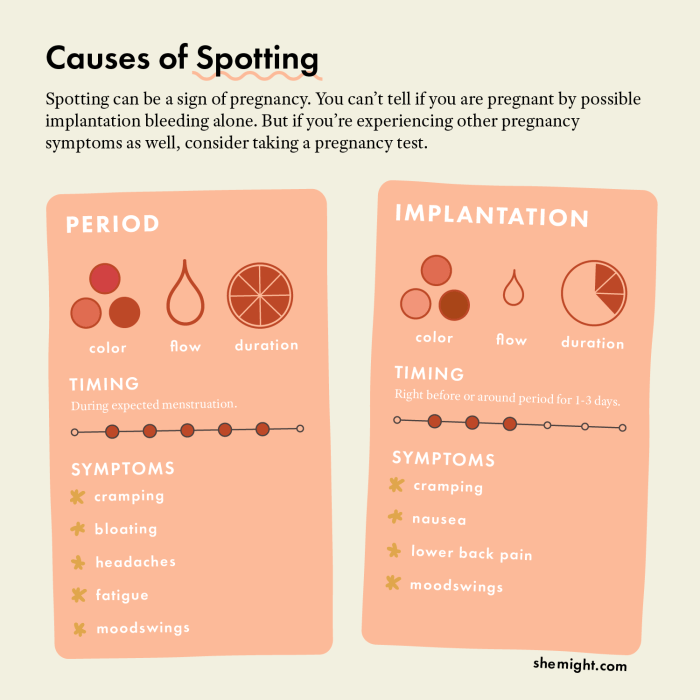
Navigating the emotional landscape of potential pregnancy can be challenging. Understanding the symptoms and diagnostic methods for a chemical pregnancy is crucial for managing future fertility and ensuring accurate expectations. This section delves into the subtle signs, the precise diagnostic tools, and the significance of prompt diagnosis.
Symptoms Often Associated with a Chemical Pregnancy
Chemical pregnancies, while ultimately resulting in a non-viable pregnancy, can sometimes present with subtle symptoms that mimic those of an early pregnancy. These symptoms are often mild and can be easily mistaken for other conditions.
- Slight cramping or abdominal discomfort, similar to menstrual cramps.
- Spotting or light bleeding, occurring around the time of a expected period.
- Slight nausea or breast tenderness, similar to early pregnancy symptoms.
- Fatigue or mood changes, mimicking common early pregnancy effects.
Methods Used for Diagnosing a Chemical Pregnancy
Accurate diagnosis of a chemical pregnancy relies on a combination of methods, primarily focusing on confirming or ruling out a viable pregnancy.
- Blood Pregnancy Tests: These tests detect the presence of human chorionic gonadotropin (hCG) hormone in the bloodstream. A declining or absent hCG level over time, following an initial positive result, often indicates a chemical pregnancy. Monitoring hCG levels is essential for tracking the pregnancy’s progress and detecting any potential issues.
- Ultrasound Examination: An ultrasound scan can provide visual confirmation of an intrauterine pregnancy. The absence of a gestational sac or embryo within the uterus, when an hCG positive result is present, suggests a chemical pregnancy.
Importance of Accurate Diagnosis in Managing Future Pregnancies
Accurate diagnosis of a chemical pregnancy is vital for managing future pregnancies. Knowing that a pregnancy was not viable allows for appropriate emotional support and tailored guidance on next steps. This avoids unnecessary anxiety and helps in planning for a successful future pregnancy.
Early Detection and Treatment Strategies
Early detection of a chemical pregnancy is crucial. The ability to monitor hCG levels and conduct ultrasound examinations early in the suspected pregnancy can aid in managing expectations and guiding treatment strategies. Early detection can also help identify underlying issues that might be contributing to the occurrence of chemical pregnancies.
Comparing Symptoms of Chemical Pregnancy with Missed Period
| Feature | Chemical Pregnancy Symptoms | Missed Period Symptoms ||—|—|—|| Bleeding/Spotting | Often light and similar to implantation bleeding, can occur at any time | Typically consistent with the menstrual cycle || Cramping | Mild cramping, sometimes mimicking menstrual cramps | Often consistent and strong cramps with a missed period || Nausea/Tenderness | Possible but often mild | Unlikely || Fatigue/Mood Changes | Possible but often mild | Less likely || Other Symptoms | May experience breast tenderness or bloating | Often minimal other symptoms |
Impact on Future Pregnancies: What Is A Chemical Pregnancy
Experiencing a chemical pregnancy can be a deeply emotional and unsettling experience for couples. While it’s not a pregnancy loss in the traditional sense, the disappointment and uncertainty surrounding it can significantly impact the couple’s mental well-being and their future reproductive plans. Understanding the potential psychological and physical effects of a chemical pregnancy is crucial for navigating this difficult time and fostering hope for future pregnancies.The emotional toll of a chemical pregnancy is often underestimated.
The hope and anticipation associated with a positive pregnancy test, followed by the subsequent disappointment and uncertainty, can lead to feelings of grief, anxiety, and even depression. This is compounded by the often-unclear reasons behind the chemical pregnancy, which can leave couples questioning their fertility and future reproductive prospects.
Psychological Impact on Couples
The psychological impact of a chemical pregnancy can be substantial. Couples may experience feelings of sadness, grief, anxiety, and uncertainty about their future fertility. These emotions can range from mild discomfort to significant distress, impacting their daily lives and overall well-being. Open communication and emotional support are vital during this time. Seeking professional counseling can be beneficial in navigating these difficult emotions.
Impact on Future Fertility
A chemical pregnancy, in itself, does not necessarily indicate a problem with future fertility. While the exact cause of a chemical pregnancy isn’t always known, it is often attributed to early embryonic issues or chromosomal abnormalities. These issues are not always indicative of recurring problems, but the experience can understandably heighten concerns about future pregnancies. It’s important to remember that most couples who experience a chemical pregnancy go on to have healthy pregnancies and children.
Emotional Support for Couples
Emotional support is crucial for couples navigating a chemical pregnancy. Open communication, empathy, and reassurance from partners, family, and friends are vital. Support groups can also provide a safe space to share experiences and receive encouragement. Seeking professional counseling or therapy can help couples process their emotions and develop coping mechanisms. The support network can also help couples adjust their expectations and develop realistic plans for future pregnancies.
Comparison with Average Likelihood of Success
The likelihood of future successful pregnancies after a chemical pregnancy is generally similar to the average likelihood for women of a similar age and health status. However, the experience of a chemical pregnancy can create heightened anxiety and uncertainty. It’s essential to remember that the majority of women who experience a chemical pregnancy go on to have successful pregnancies.
Factors such as age, overall health, and other underlying medical conditions play a significant role in the probability of successful future pregnancies.
Potential Consequences Table
| Emotional Consequences | Physical Consequences | Impact on Subsequent Pregnancies |
|---|---|---|
| Grief, sadness, anxiety, fear, uncertainty | None directly related to the chemical pregnancy | May increase anxiety and stress, but not necessarily affect fertility. |
| Changes in relationship dynamics | Potential for increased stress levels, impacting the body’s hormonal balance | May influence decision-making regarding pregnancy timing or methods. |
| Increased stress and emotional distress | Potential for sleep disturbances, fatigue, and decreased energy levels | May impact the body’s response to pregnancy hormones and increase anxiety. |
| Difficulty in conceiving | None directly related to the chemical pregnancy | May result in more frequent monitoring and tests during future pregnancies. |
Treatment and Management
Navigating a chemical pregnancy can be emotionally challenging for couples. Understanding that this is a common experience and that support is available is crucial for healing and moving forward. This section Artikels the various aspects of treatment and management, focusing on emotional well-being, professional guidance, and strategies for coping.A chemical pregnancy, while not a pregnancy loss in the traditional sense, can still evoke a wide range of emotions.
Acknowledging these feelings and utilizing available resources can significantly aid in the healing process. It’s important to remember that healing takes time, and there’s no one-size-fits-all approach.
Emotional Support and Coping Mechanisms, What is a chemical pregnancy
Experiencing a chemical pregnancy can trigger a range of emotions, including sadness, grief, anxiety, and disappointment. Acknowledging and validating these feelings is the first step towards healing. This process may include acknowledging the loss of hope and the potential for future pregnancies.
- Seeking emotional support from a therapist or counselor can be invaluable. A therapist can provide a safe space to process emotions, develop coping mechanisms, and navigate the challenges of infertility or pregnancy loss. They can help couples process the complex emotions associated with the experience.
- Open communication within the relationship is essential. Sharing feelings, fears, and hopes with one’s partner can strengthen the bond and provide mutual support. This is a time for empathy and understanding, as well as active listening and shared decision-making.
- Engaging in healthy coping mechanisms, such as exercise, meditation, journaling, or spending time in nature, can help manage stress and promote emotional well-being. These activities can foster relaxation and emotional regulation.
- Connecting with support groups, either online or in person, allows couples to share experiences and receive encouragement from others who have been through similar situations. This can reduce feelings of isolation and provide a sense of community.
Role of Medical Professionals
Medical professionals play a critical role in supporting couples through a chemical pregnancy. Their role extends beyond the physical examination and diagnosis to include providing emotional support and guidance.
- Open communication with healthcare providers is crucial. Couples should feel comfortable discussing their emotions and concerns with their doctors or nurses. Honest communication fosters trust and understanding, allowing for tailored support.
- Seeking clarification and further testing, if indicated, is a crucial step. The healthcare provider can provide guidance on when further testing or evaluations might be necessary to identify underlying causes or assess the possibility of future fertility issues.
- Addressing potential concerns about future pregnancies. Healthcare providers can offer reassurance, advice, and guidance on how to approach subsequent attempts. This includes information about monitoring, support systems, and available resources.
- Providing accurate information about the causes, risk factors, and management of chemical pregnancies helps couples understand the situation and feel empowered to make informed decisions.
Importance of Open Communication
Open communication between couples and healthcare providers is essential throughout the process. This fosters a collaborative approach, ensuring that everyone’s needs are addressed and that couples feel supported.
- Discussing concerns and anxieties openly and honestly fosters trust and understanding within the relationship and with medical professionals.
- Asking questions to gain a clear understanding of the situation and possible next steps is vital for couples to feel empowered and supported.
- Shared decision-making is important, allowing couples to actively participate in the management of their health and well-being.
Suggested Resources and Support Groups
Accessing resources and support groups can be invaluable for couples experiencing a chemical pregnancy. These external sources provide additional support and guidance.
| Organization | Description | Contact Information (Example) |
|---|---|---|
| The National Infertility Association (NIA) | Provides resources and support for individuals and couples experiencing infertility. | (Website/Phone number) |
| The Miscarriage Association | Offers support and information to those experiencing pregnancy loss. | (Website/Phone number) |
| Online forums and support groups | Provide a platform for connecting with others who have shared experiences. | (Example: Online forums on social media or dedicated websites) |
Prevention (If applicable)
While a chemical pregnancy itself isn’t preventable in every case, focusing on overall reproductive health and managing potential risk factors can significantly improve the chances of a successful pregnancy. Understanding the factors that may contribute to chemical pregnancies and implementing proactive strategies can help reduce the likelihood of experiencing one.A healthy lifestyle encompassing diet, exercise, stress management, and avoiding harmful substances plays a pivotal role in reproductive health.
Taking proactive steps to mitigate potential risks can increase the chances of a successful pregnancy and minimize the frequency of chemical pregnancies.
Lifestyle Factors and Their Impact
Adopting a healthy lifestyle is crucial for improving fertility and reducing the risk of complications. A balanced diet rich in essential nutrients, regular exercise, and stress management techniques can positively influence reproductive health.
- Balanced Diet: A diet rich in fruits, vegetables, whole grains, and lean proteins provides the necessary nutrients for optimal reproductive health. Avoiding processed foods, excessive sugar, and unhealthy fats is essential. For instance, a diet rich in folic acid, a crucial nutrient for cell growth, is associated with a reduced risk of certain birth defects and can potentially reduce the risk of a chemical pregnancy.
- Regular Exercise: Maintaining a healthy weight through regular exercise can improve overall health, including reproductive health. Moderate-intensity exercise, such as brisk walking or swimming, is generally recommended. Excess weight or obesity can negatively impact fertility and increase the risk of complications.
- Stress Management: Chronic stress can negatively impact hormone levels, potentially affecting fertility. Implementing stress-reducing techniques like yoga, meditation, or spending time in nature can help manage stress and improve reproductive health. For example, studies have shown a correlation between chronic stress and reduced fertility in women.
- Avoiding Harmful Substances: Exposure to harmful substances like tobacco smoke, alcohol, and certain drugs can significantly impact reproductive health. Quitting smoking, limiting alcohol consumption, and avoiding recreational drug use are crucial for improving fertility and reducing the risk of complications.
Risk Factors and Management Strategies
Certain factors can increase the risk of chemical pregnancies. Addressing these risks through appropriate management strategies can improve the chances of a successful pregnancy.
- Underlying Medical Conditions: Certain medical conditions, such as thyroid disorders, polycystic ovary syndrome (PCOS), or uterine fibroids, can increase the risk of chemical pregnancies. Managing these conditions with appropriate medical interventions can significantly improve reproductive health. For example, treating PCOS with medication or lifestyle changes can improve ovulation and overall fertility.
- Age: Age is a significant factor in fertility. As women age, their ovarian reserve declines, potentially increasing the risk of chemical pregnancies. While age-related infertility is a natural process, taking proactive steps to maintain overall health throughout life is crucial.
- Previous Miscarriages: Experiencing a chemical pregnancy or miscarriage in the past can be a cause for concern. Consulting with a healthcare professional for a thorough evaluation is essential to understand the underlying causes and potential strategies for future pregnancies.
Table: Lifestyle Factors and Chemical Pregnancy Risk
| Lifestyle Factor | Influence on Chemical Pregnancy Risk | Management Strategies |
|---|---|---|
| Balanced Diet | Improved nutrient intake, reduced risk of deficiencies | Focus on fruits, vegetables, whole grains, lean proteins |
| Regular Exercise | Improved weight management, better hormonal balance | Moderate-intensity exercise, consistent routine |
| Stress Management | Reduced hormonal imbalances, improved overall health | Yoga, meditation, mindfulness techniques |
| Avoiding Harmful Substances | Protection from harmful effects on reproductive health | Quitting smoking, limiting alcohol, avoiding drugs |
| Underlying Medical Conditions | Potential exacerbation of fertility issues | Management of conditions through medical interventions |
| Age | Decreased ovarian reserve, increased risk | Healthy lifestyle practices throughout life |
| Previous Miscarriages | Potential for underlying issues, requiring evaluation | Consult with healthcare professional for diagnosis and management |
Last Recap
In conclusion, understanding what a chemical pregnancy entails is crucial for couples navigating the complexities of fertility. While disheartening, this knowledge empowers couples to make informed decisions about their reproductive health and future pregnancies. Remember, you’re not alone, and support systems are available to help you through this process. Seeking information and support from medical professionals and trusted resources is vital for emotional healing and making informed choices moving forward.