


What causes a heart attack? This crucial question delves into a complex web of factors, from lifestyle choices to underlying medical conditions. Understanding these elements is vital for prevention and early intervention. This exploration unravels the intricate interplay of risk factors, offering a comprehensive overview.
This post will examine the key factors contributing to heart attacks, including modifiable risk factors like smoking and diet, as well as underlying medical conditions like high blood pressure. We’ll also discuss the influence of lifestyle choices, genetics, and potential triggers. Armed with this knowledge, you can better understand your own risk and take proactive steps towards a healthier heart.
Risk Factors for Heart Attacks
Heart attacks, tragically, aren’t always a matter of sudden, unforeseen events. Many factors contribute to the gradual buildup of risk, often over decades. Understanding these risk factors is crucial for proactive measures to safeguard cardiovascular health and potentially avert a heart attack. Identifying and addressing these factors can significantly reduce the likelihood of this devastating condition.
Modifiable Risk Factors
Numerous risk factors associated with heart attacks are within our control. This means that through lifestyle adjustments and proactive healthcare, many individuals can substantially reduce their chances of developing heart disease and experiencing a heart attack. The following modifiable risk factors highlight areas where personal choices and actions can make a significant difference.
| Risk Factor | Description | Impact on Heart Health |
|---|---|---|
| Smoking | The act of inhaling and exhaling the smoke from tobacco products. | Smoking significantly damages blood vessels, leading to atherosclerosis (the buildup of plaque). This narrowing of arteries reduces blood flow, increasing the risk of clots and potentially causing a heart attack. Nicotine in cigarettes constricts blood vessels, increasing blood pressure and heart rate. Long-term smoking damages the lining of the blood vessels, making them more prone to injury and further plaque buildup. |
| High Blood Pressure | Sustained elevated pressure within the arteries, exceeding healthy ranges. | High blood pressure, or hypertension, puts a constant strain on the heart, forcing it to work harder. This increased workload can weaken the heart muscle over time and damage blood vessels, making them more susceptible to plaque buildup. High blood pressure is a major risk factor for atherosclerosis and can contribute to heart attacks and strokes. |
| High Cholesterol | Elevated levels of lipids (fats) in the blood. | High cholesterol, particularly LDL (“bad”) cholesterol, contributes to the formation of plaque within the arteries. This plaque buildup, known as atherosclerosis, narrows the arteries, reducing blood flow to the heart. Reduced blood flow can lead to angina (chest pain) and, if severe enough, a heart attack. |
| Physical Inactivity | Lack of regular physical activity. | A sedentary lifestyle weakens the heart muscle, reducing its efficiency. Physical inactivity also contributes to weight gain, which further increases the risk of high blood pressure, high cholesterol, and diabetes. Regular exercise strengthens the heart, improves blood flow, and helps manage weight, reducing cardiovascular risks. |
| Obesity | Having an excessive amount of body fat. | Obesity increases the risk of many cardiovascular risk factors, including high blood pressure, high cholesterol, and type 2 diabetes. Excess body fat can put added strain on the heart, leading to reduced blood flow and an increased risk of heart attack. |
| Unhealthy Diet | A diet high in saturated and trans fats, cholesterol, and sodium, while low in fruits, vegetables, and fiber. | A diet rich in unhealthy fats contributes to high cholesterol levels and can increase the risk of high blood pressure. High sodium intake can also lead to increased blood pressure. A diet lacking in essential nutrients can further weaken the heart and blood vessels. |
| Diabetes | A metabolic disorder characterized by high blood sugar levels. | Diabetes significantly increases the risk of heart disease. High blood sugar levels damage blood vessels, increasing the risk of atherosclerosis and blood clots. Diabetics are also more likely to develop high blood pressure and high cholesterol, compounding the risk of heart attack. |
Underlying Medical Conditions: What Causes A Heart Attack
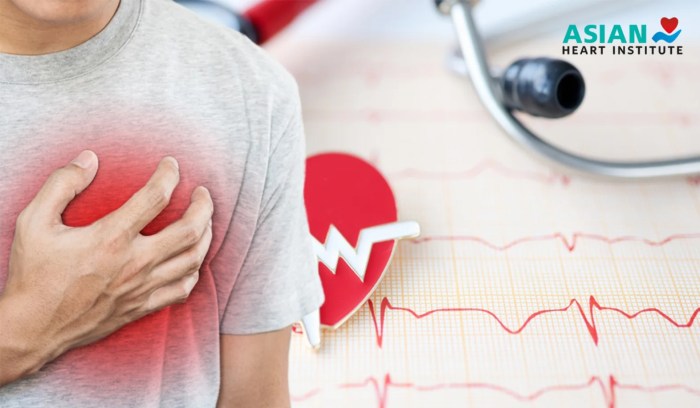
Beyond lifestyle choices and risk factors like genetics, several underlying medical conditions significantly increase the risk of a heart attack. These conditions can subtly impact the heart’s health over time, leading to a heightened vulnerability to heart attacks. Understanding these conditions and their physiological effects is crucial for preventative measures and early intervention.
High Blood Pressure
High blood pressure, or hypertension, is a major risk factor for heart attacks. Sustained high blood pressure puts excessive strain on the heart, causing the heart muscle to work harder to pump blood throughout the body. Over time, this increased workload can lead to thickening and stiffening of the heart muscle, reducing its ability to pump efficiently. Furthermore, high blood pressure damages the blood vessels, making them more susceptible to plaque buildup, increasing the risk of blockages.
This can lead to a heart attack if a blockage occurs in a major artery supplying the heart.
Diabetes
Diabetes significantly elevates the risk of heart attacks. Diabetes damages blood vessels, promoting the development of atherosclerosis, a condition where plaque builds up in the arteries. High blood sugar levels associated with diabetes contribute to inflammation and oxidative stress in the body, further accelerating the progression of atherosclerosis. This process narrows the arteries, reducing blood flow to the heart, and increasing the risk of a heart attack.
Moreover, individuals with diabetes often have other risk factors, such as high cholesterol and high blood pressure, which compound the risk.
Coronary Artery Disease (CAD)
Coronary artery disease (CAD) is a condition characterized by the buildup of plaque in the coronary arteries, the vessels that supply blood to the heart. This plaque buildup narrows the arteries, reducing blood flow to the heart muscle. The reduced blood flow can cause chest pain (angina) and, if severe enough, a heart attack. CAD often develops gradually over many years, with early stages often asymptomatic.
Risk factors for CAD include high cholesterol, high blood pressure, smoking, and a sedentary lifestyle.
Chronic Kidney Disease (CKD)
Chronic kidney disease (CKD) is another significant underlying condition linked to an increased risk of heart attack. CKD can lead to electrolyte imbalances and fluid retention, which can strain the heart and impair its ability to pump efficiently. Patients with CKD often have other cardiovascular risk factors, such as high blood pressure and high cholesterol. The interplay of these factors significantly increases the risk of heart attacks.
Table of Underlying Medical Conditions and Heart Attack Risk
| Medical Condition | Risk Level | Associated Symptoms |
|---|---|---|
| High Blood Pressure | High | Headaches, dizziness, fatigue, shortness of breath, nosebleeds. In severe cases, vision changes or chest pain may occur. |
| Diabetes | High | Frequent urination, excessive thirst, unexplained weight loss, fatigue, blurred vision. May also include complications like nerve damage and kidney problems. |
| Coronary Artery Disease (CAD) | Very High | Chest pain or discomfort (angina), shortness of breath, pain in the jaw, neck, or back, nausea, sweating. |
| Chronic Kidney Disease (CKD) | High | Swelling in the legs and ankles, decreased urine output, fatigue, nausea, vomiting. |
Dietary Factors
A heart-healthy diet plays a crucial role in preventing heart attacks. Dietary choices significantly impact cholesterol levels, blood pressure, and overall cardiovascular health. Understanding the connection between food and heart disease is vital for making informed decisions about your diet.Dietary habits significantly influence the risk of developing heart disease. The types of foods we consume directly affect the levels of cholesterol and blood pressure in our bodies.
Consistent consumption of certain foods can increase the risk of cardiovascular issues, while others promote heart health. A well-balanced diet, rich in fruits, vegetables, and whole grains, can significantly reduce the risk of a heart attack.
Healthy Dietary Patterns
A diet rich in fruits, vegetables, whole grains, and lean proteins is crucial for maintaining optimal cardiovascular health. These foods are packed with essential nutrients, antioxidants, and fiber, all contributing to lower cholesterol levels, improved blood sugar control, and reduced inflammation. A diet rich in fruits and vegetables provides ample vitamins and minerals, essential for overall well-being and cardiovascular health.
Unhealthy Dietary Patterns
Conversely, diets high in saturated and trans fats, processed foods, and excessive amounts of sodium and sugar can significantly increase the risk of heart disease. These dietary choices can lead to elevated cholesterol levels, high blood pressure, and inflammation, ultimately increasing the likelihood of a heart attack. A diet consisting mainly of processed foods and fast food can result in an unhealthy accumulation of saturated fats and sodium.
Comparison of Dietary Approaches
Various dietary approaches, such as the Mediterranean diet, DASH diet, and vegetarian/vegan diets, offer different ways to promote heart health. The Mediterranean diet emphasizes fruits, vegetables, whole grains, olive oil, and fish, promoting healthy fats and antioxidants. The DASH diet, or Dietary Approaches to Stop Hypertension, focuses on reducing sodium intake and increasing potassium, magnesium, and calcium, contributing to lower blood pressure.
Vegetarian and vegan diets often reduce saturated fat and cholesterol intake while increasing fiber intake, potentially improving cardiovascular health. Each approach provides unique benefits, but a personalized approach tailored to individual needs and preferences is key.
Impact of Specific Foods on Cardiovascular Health
The foods we eat directly influence our cholesterol and blood pressure levels, ultimately affecting cardiovascular health. The table below demonstrates the potential impact of different foods on these crucial factors.
Heart attacks, sadly, aren’t always predictable. A combination of factors, like high cholesterol and a lack of exercise, often play a role. While we can’t control everything, taking care of our physical well-being is key. And speaking of well-being, did you know that applying ice to your face can have some surprising benefits? ice on face benefits can help with reducing puffiness and inflammation, which, in turn, contributes to a sense of overall wellness.
Ultimately, maintaining a healthy lifestyle, including regular check-ups, is crucial for preventing heart attacks.
| Food | Impact on Cholesterol | Impact on Blood Pressure |
|---|---|---|
| Red Meat | Generally increases LDL (“bad”) cholesterol. High saturated fat content. | High sodium content in some processed meats can increase blood pressure. |
| Fruits and Vegetables | Generally lowers LDL (“bad”) cholesterol. High fiber content. | Low sodium content and rich in potassium which can help regulate blood pressure. |
| Whole Grains | Generally lowers LDL (“bad”) cholesterol. High fiber content. | Can help regulate blood pressure due to fiber content. |
| Fish (Fatty Fish) | May increase HDL (“good”) cholesterol. Rich in omega-3 fatty acids. | Generally low in sodium and rich in nutrients which can support healthy blood pressure. |
| Processed Foods | High in saturated and trans fats, increasing LDL cholesterol. | High sodium content, contributing to higher blood pressure. |
Note: Individual responses to foods may vary. Consulting with a healthcare professional or registered dietitian can provide personalized dietary recommendations.
Lifestyle Choices
Our daily habits significantly impact our heart health. From the foods we eat to the activities we engage in, every choice plays a role in the well-being of our cardiovascular system. Understanding how lifestyle choices influence our risk of heart attacks is crucial for proactive health management.Making conscious decisions about our lifestyle can significantly reduce the risk of heart attacks.
By incorporating healthy habits into our daily routines, we can contribute to a healthier heart and a better quality of life.
Physical Activity and Heart Attack Prevention, What causes a heart attack
Regular physical activity is a cornerstone of heart health. Engaging in regular exercise strengthens the heart muscle, improves blood circulation, and helps maintain a healthy weight, all of which contribute to reducing the risk of heart attacks. Studies consistently demonstrate a strong correlation between physical inactivity and an increased risk of cardiovascular disease. Incorporating even moderate-intensity exercise into your routine, such as brisk walking or cycling, can significantly improve heart health over time.
The Impact of Stress on Cardiovascular Health
Chronic stress can take a toll on the cardiovascular system. Prolonged periods of stress can elevate blood pressure and heart rate, leading to increased strain on the heart. Chronic stress also often contributes to unhealthy coping mechanisms like overeating, smoking, and a lack of physical activity, all of which further increase the risk of heart attacks. Stress management techniques, such as meditation, yoga, and deep breathing exercises, can help mitigate the negative impact of stress on heart health.
The Impact of Sleep on Cardiovascular Health
Adequate sleep is essential for overall health, including cardiovascular health. Insufficient sleep can disrupt the body’s natural processes, leading to elevated blood pressure and increased levels of stress hormones. This can increase the risk of developing heart disease and experiencing a heart attack. Aiming for 7-9 hours of quality sleep each night is vital for maintaining optimal cardiovascular health and reducing the risk of heart attacks.
Comparison of Exercise Routines
| Lifestyle Choice | Effect on Heart Health |
|---|---|
| Regular Exercise (e.g., brisk walking, jogging, swimming) | Strengthens the heart muscle, improves blood circulation, lowers blood pressure, and helps maintain a healthy weight. Regular exercise can reduce the risk of developing cardiovascular diseases. |
| Resistance Training (e.g., weightlifting) | Builds muscle mass, which can improve metabolism and help manage weight. It can also contribute to better blood sugar control, further reducing the risk of cardiovascular diseases. |
| Aerobic Exercise (e.g., cycling, dancing, team sports) | Improves cardiovascular fitness, strengthens the heart and lungs, and improves blood flow. Aerobic exercises can also help control blood pressure and cholesterol levels, ultimately contributing to heart health. |
Genetic Predisposition
A significant contributor to heart attack risk is an individual’s genetic makeup. While lifestyle factors play a crucial role, inherited traits can significantly influence an individual’s susceptibility to heart disease. Understanding these genetic predispositions is essential for preventive strategies and personalized risk assessment.Genetic factors influence a person’s susceptibility to heart disease through various mechanisms, impacting factors like cholesterol levels, blood pressure regulation, and the structure and function of the heart’s blood vessels.
Certain genes may predispose individuals to developing conditions like high blood pressure or high cholesterol, both major risk factors for heart attacks. The interaction of multiple genes and environmental factors often determines the final expression of heart disease risk.
Genes Associated with Increased Risk
Several genes have been identified as potentially increasing the risk of heart attack. These genes are involved in various biological processes, including lipid metabolism, blood pressure regulation, and inflammation. The presence of specific genetic variations within these genes can increase the likelihood of developing heart disease. For example, variations in the genes related to LDL cholesterol regulation or blood clotting factors can impact an individual’s risk profile.
Heart attacks are often triggered by a buildup of plaque in the arteries, which can restrict blood flow. Maintaining good oral hygiene is crucial for overall health, and learning how to combat bad breath can significantly improve your well-being. Proper dental care, like brushing and flossing, along with using mouthwash, can help. Ultimately, a healthy lifestyle, including a balanced diet and regular exercise, plays a key role in preventing heart attacks.
Knowing how to get rid of bad breath is just one part of the larger picture when it comes to overall health and preventative measures for a healthier heart. how to get rid of bad breath These factors, along with other lifestyle choices, contribute to a lower risk of heart problems.
Inherited Traits Contributing to Heart Attack Susceptibility
Several inherited traits contribute to heart attack susceptibility. These traits often manifest as specific physiological conditions that elevate the risk of cardiovascular issues. Some of these include:
- High LDL Cholesterol: Inherited variations in genes related to cholesterol metabolism can lead to elevated levels of low-density lipoprotein (LDL) cholesterol, increasing the risk of plaque buildup in arteries. This buildup can restrict blood flow, potentially leading to a heart attack.
- High Blood Pressure: Genetic factors can influence the regulation of blood pressure. Individuals with specific gene variations may be predisposed to higher blood pressure, which puts added stress on the heart and blood vessels, increasing the risk of heart attack and stroke.
- Abnormal Blood Clotting: Genetic factors can influence blood clotting mechanisms. Individuals with specific gene variations may be more prone to developing blood clots, which can block blood flow to the heart, leading to a heart attack.
- Inflammation: Inherited factors can contribute to chronic inflammation, which can damage blood vessel walls, increasing the risk of atherosclerosis and heart attack. Chronic inflammation can be influenced by a combination of genetic and environmental factors.
Triggers and Symptoms
Understanding the triggers and symptoms of a heart attack is crucial for early detection and intervention. Prompt recognition can significantly improve outcomes and reduce the risk of severe complications. Knowing what to look for, and recognizing the potential signs, empowers individuals to take proactive steps towards their cardiovascular health.
Common Triggers
Various factors can trigger a heart attack, often related to increased strain on the heart. Physical exertion, particularly strenuous activity, can place added stress on the cardiovascular system. Emotional stress, such as anxiety, anger, or fear, can also contribute to a heightened risk. Smoking, consuming excessive amounts of alcohol, and exposure to extreme temperatures can also exacerbate the situation.
Heart attacks are often linked to a buildup of plaque in the arteries, impacting blood flow. A healthy diet plays a crucial role, and understanding dietary choices like those on a low residue diet can significantly influence heart health. For example, learning about low residue diet tips can help you understand how certain foods can affect digestion, potentially reducing stress on the heart and other systems.
Ultimately, a balanced approach to diet and lifestyle is key to preventing heart attacks.
Sudden changes in blood pressure or blood sugar levels can be significant triggers as well.
Symptoms of Heart Attacks
Heart attack symptoms can vary significantly, both in terms of intensity and presentation. It’s crucial to be aware of a wide range of potential symptoms, as some may be subtle or overlooked. The most common symptom is chest pain, often described as pressure, tightness, or squeezing. However, women and individuals with certain health conditions may experience different symptoms.
Recognizing Early Warning Signs
Recognizing early warning signs is essential for timely intervention. These signs can often manifest hours or even days before a full-blown heart attack. Symptoms like unusual fatigue, shortness of breath, and discomfort in the arms, neck, jaw, or back should not be dismissed. If you experience any of these symptoms, seek immediate medical attention.
Severity of Symptoms
| Symptom | Description | Severity |
|---|---|---|
| Chest Pain | A sensation of pressure, tightness, or squeezing in the chest, often radiating to the arms, neck, jaw, or back. May be accompanied by shortness of breath, sweating, nausea, or lightheadedness. | Can range from mild discomfort to severe, incapacitating pain. Severity is often subjective and can vary significantly between individuals. |
| Shortness of Breath | Difficulty breathing, often accompanied by a feeling of tightness in the chest. | Mild shortness of breath may be a symptom of exertion or anxiety. Severe shortness of breath can be a serious warning sign. |
| Pain in the Arms, Neck, Jaw, or Back | Discomfort or pain radiating to these areas, often mimicking muscle aches or indigestion. | Mild discomfort might be disregarded. Severe pain, especially if accompanied by other symptoms, should be treated as a potential warning sign. |
| Nausea and Vomiting | Unexplained feelings of nausea and subsequent vomiting. | Mild nausea may be associated with indigestion or anxiety. Persistent nausea and vomiting can be indicative of a serious issue. |
| Sweating | Excessive sweating, often cold and clammy, not related to exertion. | Mild sweating might be a reaction to stress or anxiety. Profuse sweating, particularly when accompanied by other symptoms, should be taken seriously. |
Medical Procedures and Treatments
Heart attacks are serious medical events requiring immediate attention. Prompt diagnosis and treatment are crucial for minimizing damage and improving long-term outcomes. Various medical procedures are employed to diagnose, treat, and prevent future heart attacks. Understanding these procedures is vital for anyone concerned about heart health.
Diagnostic Procedures
Early and accurate diagnosis is essential for effective treatment. Several procedures are used to determine the cause and extent of a suspected heart attack. These include electrocardiograms (ECGs) to detect electrical activity in the heart, blood tests to identify cardiac markers, and imaging techniques such as cardiac catheterization. Cardiac catheterization allows visualization of the coronary arteries, enabling identification of blockages.
An ECG, for instance, can show abnormal heart rhythms or evidence of a recent heart attack.
Treatment Procedures
Immediate treatment is critical to minimize heart damage and prevent complications. Treatments aim to restore blood flow to the blocked artery and prevent future events. Common procedures used to treat heart attacks include the administration of medications to thin the blood, open blocked arteries, and stabilize heart rhythms.
Angioplasty and Stents
Angioplasty and stents are common procedures used to restore blood flow in blocked coronary arteries. Angioplasty involves inserting a small balloon into the blocked artery to widen it. A stent, a small mesh tube, is then often placed in the artery to keep it open. This allows for improved blood flow to the heart muscle, reducing the risk of further damage and complications.
For example, a patient experiencing a heart attack might undergo angioplasty to open a blocked artery, and a stent would be inserted to maintain the opening. The use of stents has significantly improved outcomes for patients experiencing heart attacks.
Other Treatment Options
In addition to angioplasty and stents, other treatment options are available to prevent future heart attacks. These include medications like aspirin, beta-blockers, and statins to manage risk factors. Lifestyle modifications, such as adopting a heart-healthy diet, regular exercise, and stress management techniques, are also crucial for preventing future events. For example, a patient with a history of heart attack might be prescribed a combination of medications and advised to make significant lifestyle changes to reduce their risk of a recurrence.
Importance of Immediate Medical Attention
Time is critical in cases of suspected heart attacks. Immediate medical attention can significantly improve the chances of a positive outcome. Delaying treatment can lead to increased heart damage, potentially causing long-term complications or even death. Therefore, recognizing the symptoms of a heart attack and seeking immediate medical care is paramount. The sooner a heart attack is diagnosed and treated, the better the patient’s chances of recovery.
Ending Remarks
In conclusion, heart attacks stem from a confluence of factors, highlighting the interconnectedness of lifestyle, genetics, and medical history. By recognizing these risks and understanding how they contribute to heart disease, we empower ourselves to make informed decisions for a healthier future. Prioritizing preventative measures and seeking timely medical attention are crucial in mitigating heart attack risk. Let’s continue this conversation and encourage further discussion on this vital health concern.