The global pursuit of longevity has shifted its focus from merely extending the number of years lived to maximizing the quality of those years, a concept increasingly defined by medical professionals as "healthspan." While modern medicine has successfully extended life expectancy through the management of acute diseases and infections, the challenge of the 21st century remains the prevention of chronic, degenerative conditions that often render the final decades of life a period of physical and cognitive decline. The "M.E.A.N.S. to an End" lifestyle framework—comprising Mindset, Exercise, Avoidance, Nutrition, and Sleep—emerges as a holistic response to this challenge, emphasizing that while genetics provide the blueprint, lifestyle choices determine the ultimate structural integrity of human health.
The Shift from Lifespan to Healthspan
For decades, the metric of success in public health was life expectancy. In the early 20th century, global life expectancy hovered around 31 years; today, it exceeds 72 years globally and approaches 80 in many developed nations. However, this "longevity dividend" has come with a caveat. Statistics from the World Health Organization (WHO) indicate a growing gap between total life expectancy and healthy life expectancy (HALE). On average, individuals in industrialized nations spend the last 10 to 15 years of their lives grappling with at least one chronic morbidity, such as type 2 diabetes, cardiovascular disease, or neurodegeneration.
The goal of contemporary anti-aging science is "compression of morbidity"—the idea of pushing the onset of chronic illness into a very short window at the end of life. Iconic figures such as fitness pioneer Jack LaLanne, who remained active into his 90s, and actors like Kirk Douglas and Betty White, who maintained cognitive sharpness past 100, serve as "biological outliers" that prove the possibility of aging with vitality. Researchers now suggest that while genetic factors account for approximately 20% to 30% of the variance in human lifespan, the remaining 70% to 80% is dictated by the "exposome"—the cumulative effect of lifestyle choices and environmental exposures.

The M.E.A.N.S. Framework: A Categorical Approach to Vitality
To navigate the complexities of modern health, the M.E.A.N.S. framework organizes lifestyle interventions into five synergistic pillars. Each pillar addresses a specific aspect of cellular or psychological maintenance required to sustain the human organism over a century-long horizon.
Mindset: The Psychological Foundation of Biological Health
The first pillar, Mindset, posits that one’s internal philosophy and stress response are primary drivers of physiological aging. Scientific literature, including a landmark study from the Harvard T.H. Chan School of Public Health, suggests that individuals with a higher sense of optimism and a clear "sense of purpose" (often referred to as Ikigai in Japanese culture) have a significantly lower risk of cardiovascular events and all-cause mortality.
Mindset dictates the "cortisol rhythm" of the body. Chronic psychological stress leads to elevated levels of cortisol, which is linked to systemic inflammation and the shortening of telomeres—the protective caps on the ends of chromosomes that serve as a molecular clock for cellular aging. By fostering a mindset focused on growth, resilience, and purpose, individuals create a biochemical environment conducive to repair rather than decay.
Exercise: Preserving the Human Machine through Movement
The human body evolved for high-output physical activity, yet the modern environment is characterized by unprecedented levels of sedentarism. The Exercise pillar focuses on three critical areas: cardiovascular health, muscular strength, and mobility.

Data from the American Heart Association (AHA) confirms that a sedentary lifestyle is a leading risk factor for premature death. However, the benefits of exercise extend beyond heart health. Resistance training is now recognized as a vital intervention against sarcopenia—the age-related loss of muscle mass and strength. Maintaining muscle mass is not merely an aesthetic concern; muscle acts as a metabolic organ that regulates glucose and prevents the falls and fractures that often signal the beginning of a rapid decline in the elderly. Experts recommend a balance of Zone 2 aerobic training for mitochondrial health and high-intensity interval training (HIIT) to improve VO2 max, which is one of the strongest predictors of longevity.
Avoidance: Mitigating the Modern Exposome
While the first two pillars focus on proactive additions to life, Avoidance is about strategic subtraction. In the modern world, humans are exposed to an array of synthetic chemicals, environmental toxins, and behavioral risks that were non-existent for their ancestors.
This pillar encompasses the cessation of known carcinogens, such as tobacco, and the moderation of alcohol, which the Global Burden of Disease study has identified as a significant contributor to disability-adjusted life years (DALYs). Beyond these obvious toxins, modern avoidance strategies include reducing exposure to endocrine disruptors found in plastics (such as BPA and phthalates), mitigating the impact of blue light from screens on circadian rhythms, and navigating the risks of distracted driving. In an era of "poly-pharmacy," avoidance also involves the cautious use of medications, ensuring that treatments for one ailment do not inadvertently accelerate the decline of another organ system.
Nutrition: Providing the Building Blocks for Cellular Regeneration
The human body is in a constant state of flux. The Nutrition pillar recognizes that every cell in the body is eventually replaced, with some tissues, like the lining of the small intestine, regenerating every few days, while others, like liver cells, take up to 500 days. The quality of these new cells is entirely dependent on the nutritional raw materials provided.

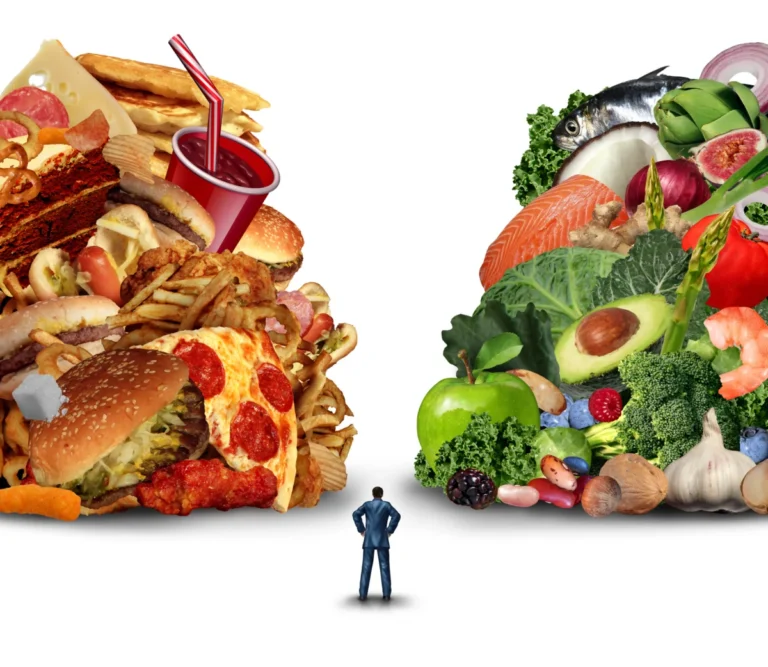
Modern diets, often high in ultra-processed foods and refined sugars, contribute to "inflammaging"—a state of chronic, low-grade inflammation that accelerates the aging process. Current nutritional science emphasizes nutrient density over simple caloric intake. Strategies such as intermittent fasting or time-restricted feeding are being studied for their ability to trigger autophagy—a cellular "cleanup" process where the body breaks down and recycles damaged components. By prioritizing whole foods, lean proteins, and healthy fats, individuals provide the essential micronutrients required for DNA repair and metabolic flexibility.
Sleep: The Essential Restorative Cycle
The final pillar, Sleep, is often the most neglected in industrialized societies. According to neuroscientist Matthew Walker, author of Why We Sleep, the widespread "decimation of sleep" is a public health crisis with direct links to Alzheimer’s disease, cancer, and obesity.
During deep sleep, the brain’s glymphatic system becomes highly active, flushing out metabolic waste products like beta-amyloid, which is associated with cognitive decline. Furthermore, sleep is the primary period for hormonal regulation and tissue repair. The Centers for Disease Control and Prevention (CDC) notes that one-third of adults do not get the recommended seven to nine hours of sleep, leading to impaired glucose metabolism and weakened immune function. Prioritizing sleep hygiene is not a luxury; it is a fundamental biological requirement for longevity.
Chronology of Longevity Science and Public Awareness
The evolution of these habits can be traced through a clear historical timeline:

- 1950s-1970s: The rise of the "Fitness Revolution," led by Jack LaLanne, began to shift public perception toward the idea that physical decline was not an inevitable consequence of aging.
- 1990s: The emergence of "Epigenetics" as a field of study provided the scientific basis for how lifestyle choices can "turn on or off" certain genes.
- 2004: Dan Buettner’s "Blue Zones" research highlighted global hotspots where people lived the longest, identifying commonalities in diet, community, and movement.
- 2010s-Present: The "Biohacking" movement and the rise of longevity medicine (led by figures like Dr. David Sinclair and Dr. Peter Attia) have moved anti-aging from the fringes into mainstream clinical practice.
Broader Impact and Economic Implications
The societal implications of adopting the M.E.A.N.S. framework are profound. As the global population ages, the economic burden of chronic disease threatens to overwhelm healthcare systems. In the United States alone, chronic diseases account for approximately 90% of the $4.5 trillion in annual healthcare expenditures.
A shift toward a lifestyle-centric approach to aging could potentially save trillions of dollars in healthcare costs by reducing the need for long-term nursing care and expensive pharmaceutical interventions. Furthermore, the "Longevity Economy"—the economic activity of those aged 50 and older—is expected to grow significantly. When seniors remain healthy, they continue to contribute to the workforce, engage in volunteerism, and drive consumer markets, rather than becoming dependent on social safety nets.
Analysis: The Synergy of Habits
The power of the M.E.A.N.S. framework lies in its synergy. Exercise is less effective if sleep is compromised; nutrition is undermined by a high-stress mindset; and avoidance of toxins is futile if the body is not moving enough to detoxify through sweat and circulation.
The transition from a "live too short and die too long" trajectory to one of sustained vitality requires a fundamental shift in how individuals view their daily routines. Every decision, from the food on the plate to the time spent in bed, serves as a vote for a future self. While death remains an inevitable biological reality, the M.E.A.N.S. to an End lifestyle offers a blueprint for ensuring that the journey toward that end is characterized by strength, clarity, and the continued ability to enjoy the wonders of life. In the final analysis, anti-aging is not about the pursuit of immortality, but about the preservation of humanity’s most precious asset: the capacity to live well until the very end.