


Taste blood when I cough sets the stage for this exploration into a potentially concerning symptom. This deep dive examines the possible medical and non-medical reasons behind this experience, ranging from respiratory illnesses to dental issues and lifestyle factors. We’ll also discuss the importance of seeking immediate medical attention and the steps to take before a consultation.
Understanding the potential causes of tasting blood when coughing is crucial for determining the appropriate course of action. From identifying various respiratory conditions to exploring common oral health problems, this comprehensive guide provides insights into the complexities of this symptom. The potential severity of some underlying conditions emphasizes the importance of prompt medical evaluation.
Possible Medical Causes
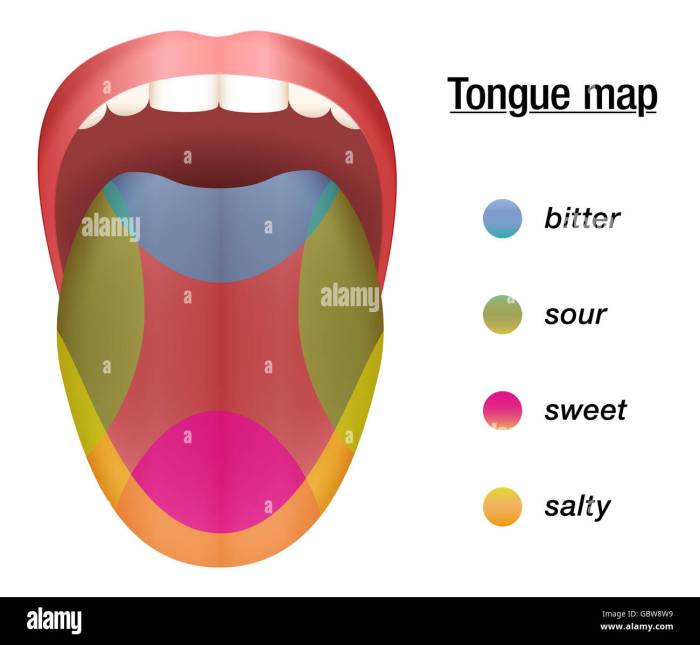
Tasting blood when coughing, medically known as hemoptysis, can be a serious symptom requiring immediate medical attention. While sometimes a minor issue, it can signal a variety of underlying respiratory conditions, ranging from relatively benign to life-threatening. Understanding the potential causes, symptoms, and diagnostic processes is crucial for appropriate intervention and treatment.A wide spectrum of respiratory illnesses can lead to hemoptysis.
These conditions can affect different parts of the respiratory system, from the airways to the lungs themselves. The severity of the condition can vary considerably depending on the underlying cause, and early diagnosis is vital to prevent complications and improve outcomes. Accurate identification of the cause is crucial for determining the appropriate course of treatment.
Respiratory Conditions Associated with Hemoptysis
Various respiratory conditions can result in the presence of blood in the sputum. These conditions range from infections to more complex diseases. Understanding the specific conditions and their potential severity is important for early diagnosis and intervention.
- Infections: Bacterial or viral respiratory infections, such as pneumonia, bronchitis, and tuberculosis, can cause inflammation and damage to the airways and lung tissues. This damage can lead to bleeding, which manifests as blood in the sputum. Pneumonia, a common lung infection, can be particularly serious, especially in vulnerable populations. Tuberculosis, a chronic bacterial infection, can lead to extensive lung damage and severe hemoptysis in some cases.
The severity of infections significantly impacts the volume and frequency of blood in the cough.
- Lung Cancer: Malignant tumors in the lungs can erode blood vessels, leading to bleeding. Lung cancer can present with various symptoms, including hemoptysis, which can be a crucial early warning sign. The severity of lung cancer-related hemoptysis varies significantly based on the tumor’s location and size.
- Bronchiectasis: This chronic condition involves irreversible damage to the airways, leading to abnormal dilation and inflammation. Bronchiectasis can cause recurrent infections and persistent coughing, often with blood-tinged sputum. The frequency and amount of bleeding can vary considerably among individuals with bronchiectasis.
- Pulmonary Embolism: Blood clots in the lungs can cause bleeding and inflammation, leading to hemoptysis. This condition is a serious medical emergency, requiring immediate medical attention to prevent further complications. The severity of pulmonary embolism can range from mild to severe, depending on the size and location of the clot.
Physiological Mechanisms of Hemoptysis
The presence of blood in sputum arises from various physiological mechanisms depending on the underlying condition. These mechanisms involve damage to blood vessels within the respiratory tract.
That awful taste of blood when I cough has got me seriously worried. It’s definitely something I need to get checked out by a doctor, and knowing the low pancreatic cancer survival rates pancreatic cancer survival rates is making me even more anxious. Hopefully, it’s something less serious, but I’m going to push for some answers.
This whole situation is a bit scary, and I’m going to stay proactive about my health.
- In infections, inflammation and damage to the airways and lung tissues can cause small hemorrhages, leading to blood in the sputum. The severity of the inflammation and the extent of the damage are key factors determining the amount of blood present.
- Tumors can directly erode blood vessels, causing bleeding into the airways. The size and location of the tumor are crucial factors determining the severity of the bleeding.
- Bronchiectasis, characterized by irreversible airway damage, creates a pathway for bleeding due to inflammation and recurrent infections.
- Pulmonary embolism, involving blood clots, can cause bleeding in the lungs due to inflammation and obstruction of blood flow.
Diagnostic Procedures for Hemoptysis
Various diagnostic procedures are employed to identify the underlying cause of hemoptysis. These procedures help determine the source and extent of the bleeding.
- Medical History and Physical Examination: A thorough medical history and physical examination are essential initial steps. The physician will gather information about the patient’s symptoms, medical history, and risk factors. A physical examination helps evaluate the patient’s overall health and identify any other relevant signs.
- Imaging Studies: Chest X-rays, CT scans, and bronchoscopy are often used to visualize the lungs and airways. These imaging techniques help identify abnormalities, such as tumors, infections, or blood clots. CT scans provide detailed cross-sectional images of the chest, allowing for a comprehensive assessment of the lungs.
- Sputum Analysis: Analysis of the sputum can help identify the presence of pathogens or abnormal cells, aiding in the diagnosis of infections or cancers. Microscopic examination of sputum helps identify specific pathogens or abnormalities that may be associated with different respiratory conditions.
Summary Table of Respiratory Conditions and Hemoptysis
| Condition | Symptoms | Mechanism | Risk Factors |
|---|---|---|---|
| Pneumonia | Cough with phlegm, fever, chest pain | Inflammation and damage to lung tissue | Weakened immune system, exposure to pathogens |
| Lung Cancer | Persistent cough, shortness of breath, weight loss | Tumor erosion of blood vessels | Smoking, exposure to carcinogens |
| Bronchiectasis | Chronic cough with sputum, recurrent infections | Irreversible airway damage | Cystic fibrosis, immune deficiencies |
| Pulmonary Embolism | Sudden shortness of breath, chest pain, cough | Blood clots in the lungs | Immobility, recent surgery, blood clotting disorders |
Potential Non-Medical Causes
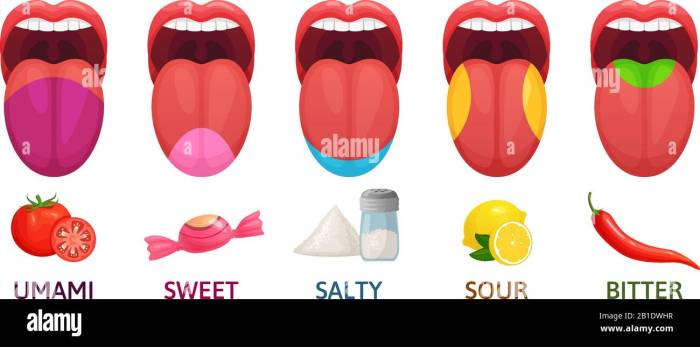
A taste of blood when coughing isn’t always a sign of a serious medical condition. Various non-medical factors can contribute to this sensation, ranging from everyday habits to overlooked oral health issues. Understanding these potential causes can help alleviate anxiety and guide you towards appropriate solutions.
Oral Health Issues
Oral health plays a significant role in the perception of blood taste. A multitude of dental and gum problems can lead to tiny abrasions or bleeding, which can then be perceived as a taste of blood when coughing.
- Tooth Abrasions: Hard foods, aggressive brushing, or even certain types of grinding habits can cause tiny tears or abrasions on the surface of the teeth, especially along the gum line. These abrasions, while often microscopic, can lead to a taste of blood, especially if irritated during coughing. A similar effect can be seen with tooth decay, which creates small cavities that can be exposed and bleed when the tooth is impacted.
- Gum Disease (Gingivitis and Periodontitis): Inflammation of the gums (gingivitis) can lead to bleeding, especially during vigorous actions like coughing. More advanced gum disease (periodontitis) can cause deeper pockets around the teeth, which are more prone to bleeding and thus, a taste of blood. These pockets can also contain bacteria that cause bleeding and bad breath.
- Dental Procedures: Recent dental work, such as fillings, extractions, or cleanings, can sometimes cause temporary bleeding. If the bleeding isn’t excessive, it may be mistaken as a taste of blood during coughing. It is crucial to understand that the bleeding associated with dental procedures is usually controlled and short-lived.
- Loose or Damaged Teeth: Teeth that are loose or have cracks or chips can be more susceptible to bleeding, especially with forceful actions like coughing. This is because the supporting structures of the tooth are compromised, leading to the possibility of bleeding and the taste of blood.
Lifestyle Factors
Certain lifestyle choices can increase the likelihood of experiencing a taste of blood when coughing.
- Forceful Coughing: A forceful cough can irritate delicate tissues in the mouth and throat, potentially causing tiny abrasions that result in a taste of blood. This is especially true for chronic coughers.
- Trauma to the Mouth: Any form of trauma to the mouth, such as a blow or a bite, can cause bleeding that is then perceived as a taste of blood when coughing. This trauma could include an accidental injury during eating or even from a sports-related incident.
- Dry Mouth: A dry mouth can make the tissues in the mouth more susceptible to irritation and abrasion. This dryness can be a result of various factors, such as dehydration, certain medications, or a lack of saliva production. This increased vulnerability is because the mouth lacks the natural lubrication to protect the soft tissues.
- Dietary Habits: A diet lacking in essential vitamins and minerals, particularly vitamin C, which is essential for healthy gums, can indirectly contribute to the likelihood of experiencing blood taste when coughing. This is because the lack of these nutrients can weaken the gums, making them more prone to bleeding. Similarly, consuming hard or abrasive foods can lead to tiny abrasions on the teeth and gums.
Potential Non-Medical Causes Table
| Cause | Symptoms | Potential Triggers | Prevention |
|---|---|---|---|
| Tooth Abrasions | Taste of blood, slight pain, sensitivity | Hard foods, aggressive brushing, teeth grinding | Gentle brushing, avoiding hard foods, consider a mouthguard for teeth grinding |
| Gum Disease | Bleeding gums, bad breath, receding gums | Poor oral hygiene, smoking, diabetes | Regular brushing and flossing, professional cleanings, manage underlying health conditions |
| Dental Procedures | Temporary bleeding, slight discomfort | Fillings, extractions, cleanings | Follow post-procedure instructions, report any concerns to the dentist |
| Loose/Damaged Teeth | Pain, sensitivity, potential mobility | Trauma, decay, poor oral hygiene | Dental checkups, address underlying causes, consider dental support |
| Forceful Coughing | Taste of blood, irritation in mouth/throat | Respiratory illnesses, allergies, irritants | Hydration, rest, avoid irritants, managing underlying causes |
| Trauma to the Mouth | Visible bleeding, pain, swelling | Accidents, bites, injuries | Seek immediate medical attention |
| Dry Mouth | Sticky mouth, difficulty swallowing | Dehydration, medications, lack of saliva | Increase water intake, consider saliva-stimulating products |
Important Considerations and Factors
Experiencing a taste of blood when coughing can be a distressing symptom. Understanding the potential severity and the importance of prompt medical attention is crucial. Delaying evaluation can lead to complications and potentially misdiagnosed conditions. This section will delve into the critical considerations surrounding this symptom.The taste of blood in sputum, while sometimes benign, can also signal underlying medical conditions that require immediate intervention.
Ignoring this symptom can lead to delays in diagnosis and treatment, potentially worsening the condition. This is especially true if the symptom is accompanied by other concerning signs like chest pain, shortness of breath, or persistent cough.
I’ve been having this weird thing where I taste blood when I cough, and it’s been concerning me. I’ve been doing some research, and it seems like this could potentially be related to some ulnar nerve conditions. For a more in-depth look at potential issues with the ulnar nerve, check out this helpful overview: ulnar nerve conditions overview.
Hopefully, understanding these conditions will help me figure out what’s going on with my coughing. Either way, I’m still going to keep monitoring it and consult a doctor as needed.
Importance of Immediate Medical Attention
A taste of blood in sputum necessitates prompt medical evaluation. The symptom could indicate a range of conditions, from relatively minor irritations to serious medical issues like infections, tumors, or blood clots. Ignoring this symptom could delay necessary treatment, leading to potential complications. Immediate attention allows for timely diagnosis and treatment, preventing further progression of the condition.
Potential Risks of Delaying Consultation
Delays in seeking medical attention for a taste of blood in sputum can have significant consequences. Unidentified or untreated conditions can worsen, leading to more severe symptoms and potentially life-threatening complications. Conditions like lung cancer, tuberculosis, or infections can escalate rapidly, and prompt intervention is crucial to limit the damage. Early diagnosis and treatment can significantly improve outcomes and reduce the risk of long-term health problems.
Factors Influencing Perception of Blood Taste
Several factors can influence the perception of a blood taste during coughing. Emotional stress and psychological factors can sometimes lead to misinterpretations or exaggerated perceptions of symptoms. Anxiety or fear can heighten sensitivity to bodily sensations, potentially leading to the mistaken belief that blood is present in the sputum. In such cases, careful assessment by a healthcare professional is essential to distinguish between a genuine medical issue and a psychological reaction.
Also, some medications can alter taste perception.
When to Seek Immediate Medical Help
Seek immediate medical attention if the taste of blood in sputum is accompanied by any of the following:
- Severe chest pain
- Shortness of breath or difficulty breathing
- Persistent cough lasting more than a few weeks
- Unexplained weight loss
- Fatigue and weakness
- Fever or chills
- Excessive or persistent coughing
These symptoms can indicate serious underlying conditions requiring urgent medical attention. Do not hesitate to seek immediate medical assistance if you experience any of these alongside the taste of blood in sputum.
Steps to Prepare for a Consultation
Thorough preparation for a consultation with a healthcare professional about a taste of blood in sputum is essential. Document the symptom’s onset, frequency, and intensity, noting any associated symptoms. Keep a detailed record of any medications you are currently taking. This information helps the doctor understand the complete picture of your health history. Bring any relevant medical records, past diagnoses, and test results to the appointment.
Be prepared to answer questions about your lifestyle, dietary habits, and recent exposure to infections.
Precautions Before Visiting a Doctor
Before visiting a doctor, take the following precautions:
- Rest adequately before the appointment.
- Avoid strenuous activities that might worsen your symptoms.
- Record all your symptoms in a journal.
- Gather any relevant medical information, including past diagnoses, medications, and test results.
- Inform your doctor of any recent illnesses or exposures to potential infections.
- Fasting is usually not required, unless specifically instructed.
These precautions help ensure a smooth and effective consultation process.
Comparison of Scenarios
| Scenario | Severity | Action Required |
|---|---|---|
| Taste of blood in sputum after a minor injury or irritation | Low | Monitor symptoms; consult a doctor if symptoms worsen or persist. |
| Taste of blood in sputum accompanied by severe chest pain, shortness of breath, and fever | High | Seek immediate medical attention. |
| Taste of blood in sputum following a recent respiratory infection | Moderate | Consult a doctor within a few days. |
| Taste of blood in sputum, persistent cough, and weight loss | High | Seek immediate medical attention. |
This table provides a general guideline. Each situation is unique, and the severity of a symptom can vary. Consult with a healthcare professional for personalized advice and treatment.
Illustrative Cases (Hypothetical)
A taste of blood in your sputum can be a concerning symptom, prompting immediate attention. Understanding potential causes and appropriate diagnostic steps is crucial. This section presents hypothetical case studies to illustrate the complexities of this symptom, highlighting the importance of a thorough medical evaluation.
Case Study 1: A Young Adult with a History of Gastroesophageal Reflux Disease (GERD)
A 25-year-old female presents with a history of occasional heartburn and acid reflux, diagnosed with GERD. She reports noticing a metallic taste in her sputum, particularly in the mornings, after she has coughed. The taste is faint, but noticeable, and she denies any other respiratory symptoms or recent illness. The sputum is not copious, and she reports no fever or chills.This case highlights the potential link between upper gastrointestinal issues and the presence of blood in the sputum.
While GERD typically doesn’t directly cause blood in the sputum, the refluxed stomach acid can irritate the back of the throat and potentially cause small amounts of bleeding, which can then be coughed up. Further investigation, including an upper endoscopy, would be warranted to rule out any ulcers or other lesions in the esophagus or stomach.
Case Study 2: A Patient with a Suspected Lung Infection
A 65-year-old male with a history of smoking and a recent respiratory infection reports a salty, metallic taste in his sputum. He has a persistent cough, shortness of breath, and chest pain. The sputum is thick and yellowish-green, and he reports a slight fever. This patient’s presentation suggests a potential infection in the lungs. The cough and production of thick, colored sputum are indicative of respiratory infection, and the taste of blood in the sputum may be due to inflammation and minor bleeding in the airways.
A chest X-ray and sputum analysis would be essential to confirm the presence of infection and rule out more serious conditions like lung cancer.
Case Study 3: A Patient with a History of Blood Thinners
A 70-year-old female with a history of atrial fibrillation and long-term use of blood thinners presents with a faint, almost imperceptible taste of blood in her sputum. She reports a dry cough and occasional shortness of breath. The patient has no fever, and her sputum is clear and thin. This case illustrates a scenario where a patient’s medical history plays a significant role in the interpretation of the symptom.
Given her history of blood thinners, the potential for minor bleeding in the respiratory tract is heightened. A thorough review of her medications and a search for potential bleeding sites, including an upper endoscopy, are crucial to pinpoint the source of the blood in her sputum.
I’ve been experiencing something a little unsettling lately – tasting blood when I cough. It’s definitely a bit concerning, and I’ve been doing some research. One possible cause could be canker sores, which are small painful sores that can develop inside the mouth, and can sometimes lead to bleeding. If you’re curious about what canker sores are, check out this helpful resource: canker sores what are canker sores.
While I’m still trying to pinpoint the exact cause of my blood-tinged coughs, hopefully, understanding canker sores will help narrow it down. Hopefully, this will clear up my cough soon.
Detailed Symptom Analysis Table
| Symptom | History | Possible Diagnoses |
|---|---|---|
| Metallic/salty taste in sputum | GERD, smoking history, recent respiratory infection, blood thinner use | GERD complications, bronchitis, pneumonia, lung cancer, aspiration, bleeding in the airways, or blood vessel abnormality in the respiratory system |
| Cough, shortness of breath | Smoking, recent illness, heart condition | Bronchitis, pneumonia, asthma, lung cancer, heart failure, or pulmonary embolism |
| Sputum color/consistency | Recent illness, long-term medication | Infection, inflammation, or other respiratory problems |
Prevention and Management: Taste Blood When I Cough
Experiencing a taste of blood when coughing can be alarming, but proactive measures and appropriate management can significantly reduce discomfort and potential complications. Understanding the underlying cause is crucial for effective prevention and treatment. This section Artikels strategies for preventing the symptom, managing associated symptoms, and addressing the root causes through various treatment options.Effective management of a blood-tinged cough hinges on identifying and addressing the underlying cause.
This often involves a combination of lifestyle modifications, medical interventions, and careful monitoring.
Preventive Measures
Identifying potential triggers and modifying lifestyle choices can drastically reduce the likelihood of experiencing a blood taste in sputum. Avoiding irritants, maintaining hydration, and adopting healthy habits play a crucial role in preventing this symptom.
- Avoiding Irritants: Certain environmental factors, such as cigarette smoke, air pollution, and dust, can irritate the respiratory system. Minimizing exposure to these irritants can help prevent the cough and subsequent blood taste.
- Maintaining Hydration: Adequate hydration is essential for maintaining healthy respiratory function. Drinking plenty of water helps to thin mucus and reduce irritation, which can minimize the risk of coughing and blood-tinged sputum.
- Adopting Healthy Habits: A balanced diet rich in fruits, vegetables, and antioxidants supports overall health and strengthens the immune system. Regular exercise improves lung function and cardiovascular health, contributing to a healthier respiratory system.
Symptom Management Strategies
Managing symptoms related to a blood taste in sputum is crucial for patient comfort and preventing further complications. Techniques to manage the cough and associated discomfort are essential.
- Cough Management: Over-the-counter cough suppressants can help manage a persistent cough. However, it’s vital to consult a healthcare professional before using any medication, especially if the cough is accompanied by other symptoms.
- Soothing Measures: Warm liquids, such as herbal teas or warm water with honey, can soothe a sore throat and potentially reduce coughing episodes. A humidifier can also help alleviate dryness in the airways.
- Rest and Relaxation: Adequate rest allows the body to recover and address inflammation in the respiratory system. Stress management techniques can also help to reduce coughing episodes.
Treatment Options
Treatment for the underlying condition is paramount to resolving the taste of blood in sputum. The specific treatment will depend on the diagnosed cause.
- Medication: Depending on the underlying condition, medication may be necessary to address inflammation, infection, or other contributing factors. Examples include antibiotics for bacterial infections, anti-inflammatory drugs for conditions like bronchitis, and bronchodilators for asthma.
- Lifestyle Modifications: Dietary changes, quitting smoking, and stress management techniques can play a vital role in managing chronic conditions and preventing future episodes of blood-tinged sputum.
- Surgical Interventions: In cases of severe or persistent issues, surgical intervention might be necessary to address structural abnormalities or blockages in the respiratory tract.
Strategies for Reducing Risk
Implementing preventive measures can significantly lower the risk of experiencing a blood taste when coughing.
- Avoiding Irritants: Reducing exposure to environmental irritants, such as dust, smoke, and fumes, is crucial to minimize respiratory irritation.
- Maintaining a Healthy Lifestyle: A healthy diet, regular exercise, and stress management techniques contribute to overall health, strengthening the body’s ability to fight off infections and maintain respiratory health.
- Prompt Medical Attention: Seeking prompt medical attention for any persistent or severe respiratory symptoms can prevent complications and ensure appropriate treatment.
Lifestyle Modifications
Incorporating specific lifestyle changes can contribute to preventing the blood-tinged cough symptom.
- Smoking Cessation: Smoking significantly increases the risk of respiratory issues. Quitting smoking is a crucial step in preventing and managing various respiratory problems, including those that lead to blood-tinged coughs.
- Hydration: Maintaining proper hydration by drinking sufficient water helps to thin mucus and reduce respiratory irritation.
- Stress Management: Chronic stress can weaken the immune system and increase susceptibility to respiratory infections. Implementing stress-reducing techniques, such as exercise or meditation, can help minimize the risk of such infections.
Prevention Strategy Summary, Taste blood when i cough
| Prevention Strategy | Effectiveness | Details |
|---|---|---|
| Avoiding Irritants | High | Minimizing exposure to environmental irritants like smoke, dust, and pollutants. |
| Maintaining Hydration | Moderate | Drinking sufficient water to thin mucus and reduce irritation. |
| Healthy Lifestyle | High | Following a balanced diet, exercising regularly, and managing stress. |
| Prompt Medical Attention | High | Seeking medical care for persistent or worsening symptoms. |
Last Point
In conclusion, tasting blood when coughing warrants serious consideration. While some causes might be benign, others could signal a more serious underlying condition. This article highlights the potential medical and non-medical factors, the importance of prompt medical attention, and preventive measures. Remember, this information is for educational purposes only and does not constitute medical advice. Always consult with a healthcare professional for diagnosis and treatment.