


Pain after drinking alcohol is a common experience, and understanding its various facets is crucial for responsible consumption. This article delves into the different types of pain, severity, associated symptoms, potential underlying health conditions, remedies, and prevention strategies to better manage and avoid this discomfort.
From the intensity of the throbbing headache to the dull ache in your muscles, the types and causes of pain after alcohol vary greatly. This comprehensive guide will explore the nuances of these experiences, offering insights into how individual responses differ and what factors play a role.
Types of Pain
Alcohol consumption can trigger a range of unpleasant physical sensations, often manifesting as pain. Understanding the different types of pain and their potential causes can help individuals better manage these experiences and seek appropriate medical attention if necessary. This exploration delves into the various pain characteristics, potential sources, and common locations related to alcohol use.
Characteristics of Alcohol-Related Pain
Different types of pain, each with its unique qualities, can result from alcohol consumption. These sensations can vary in intensity, duration, and location, offering clues to their possible origin. Understanding these differences is crucial for identifying the source of the discomfort and seeking appropriate treatment.
Descriptions of Pain Types
- Sharp Pain: Sharp pain is a sudden, intense sensation that often feels like a prick or a stabbing. It’s typically localized and can be associated with injury or inflammation. Alcohol-induced sharp pain might indicate damage to internal organs or tissues, particularly if accompanied by other symptoms like nausea or vomiting. For example, a sharp pain in the abdomen after excessive alcohol intake could suggest irritation or inflammation of the stomach lining.
- Dull Pain: Dull pain is a persistent, aching sensation that doesn’t feel as intense as sharp pain. It can be widespread or localized and may linger for an extended period. Alcohol’s impact on the nervous system can lead to a dull, throbbing pain, especially in muscles or joints, due to dehydration or inflammation caused by excessive alcohol consumption.
A dull headache, for instance, can be a common symptom of alcohol withdrawal.
- Throbbing Pain: Throbbing pain is characterized by a pulsing, rhythmic sensation. It can range from mild to severe and often accompanies conditions like migraines or sinus infections. Alcohol, by disrupting the body’s natural processes, may contribute to or worsen throbbing pain, particularly in the head or temples. This can be linked to blood vessel dilation and inflammation caused by alcohol consumption.
- Burning Pain: Burning pain is a sharp, stinging sensation that can be localized or widespread. It’s often associated with nerve damage or inflammation. Excessive alcohol consumption can damage nerve endings, leading to burning pain, especially in the extremities. This can manifest as a burning sensation in the throat, mouth, or even the stomach after consuming large quantities of alcohol.
Potential Causes and Locations
Alcohol’s effects on the body can manifest in various ways, including pain. Dehydration, inflammation, and the disruption of the nervous system are all potential contributors.
| Pain Type | Description | Potential Causes | Location |
|---|---|---|---|
| Sharp | Sudden, intense, stabbing | Internal organ damage, tissue injury | Abdomen, chest, head |
| Dull | Persistent, aching, less intense | Dehydration, muscle strain, inflammation | Head, muscles, joints |
| Throbbing | Pulsing, rhythmic | Blood vessel dilation, inflammation, dehydration | Head, temples, sinuses |
| Burning | Sharp, stinging | Nerve damage, inflammation | Extremities, throat, mouth, stomach |
Severity and Duration
The intensity and duration of post-drinking pain are significantly influenced by the amount of alcohol consumed, individual tolerance, and the type of alcohol. Understanding this relationship is crucial for managing potential discomfort and making informed decisions about alcohol consumption.
Relationship Between Alcohol Intake and Pain Intensity
A direct correlation exists between the quantity of alcohol ingested and the severity of subsequent pain. Higher alcohol intake generally leads to more intense and prolonged discomfort. This is due to the body’s increased metabolic strain and the cumulative effect of toxins produced during alcohol processing. For instance, a person who consumes a large amount of liquor in a short time frame might experience more intense headaches and nausea compared to someone who drinks the same amount over a longer period.
Ugh, that awful throbbing pain after a night of drinking? It’s brutal, isn’t it? Switching to a different insulin regimen can be just as challenging, especially if you’re dealing with a discontinued medication like Levemir. Finding the right replacement for your insulin needs careful consideration and a doctor’s guidance. Thankfully, there are resources available to help you navigate this transition.
Check out this helpful guide on levemir discontinued how to switch insulin for more information. Hopefully, a smoother transition to a new insulin will lead to fewer post-drinking headaches. Either way, my sympathies are with you if you’ve been dealing with this.
This is because the liver struggles to process a high concentration of alcohol rapidly, resulting in a buildup of harmful metabolites.
That throbbing headache after a night of too much alcohol can be more than just a nuisance. Sometimes, intense emotional responses like anger or frustration, which can manifest as physical pain, might be linked to underlying conditions like intermittent explosive disorder. Learning more about this condition can help you better understand the connection between emotional outbursts and physical discomfort, and how it can affect your reactions to alcohol consumption.
For a deeper dive into intermittent explosive disorder overview and more, check out this informative resource: intermittent explosive disorder overview and more. Ultimately, understanding these potential connections could help you manage the pain after drinking alcohol more effectively.
Factors Affecting Pain Duration, Pain after drinking alcohol
The rate at which post-drinking pain subsides depends on several individual factors. Alcohol tolerance plays a crucial role. Individuals with higher tolerance may experience quicker pain relief compared to those with lower tolerance, as their bodies are better equipped to metabolize the alcohol more efficiently. The type of alcohol consumed also impacts the duration of pain. Spirits, for example, tend to be absorbed more quickly into the bloodstream than beer or wine, which can lead to a faster onset of effects and potentially a shorter duration of pain.
However, the total amount of alcohol consumed is still the most significant factor in the overall experience.
Comparison of Pain Duration After Different Alcoholic Beverages
While the exact duration of pain varies considerably from person to person, some general trends can be observed regarding different types of alcohol. Generally, spirits, due to their higher alcohol concentration, can result in more rapid and potentially longer lasting pain symptoms. Wine and beer, on the other hand, tend to have a more gradual onset and can sometimes lead to pain that subsides more quickly, particularly if consumed over a longer period.
However, the key determinant remains the total alcohol content consumed. For example, a large glass of wine can produce similar pain symptoms as a few shots of hard liquor, particularly when consumed rapidly.
Correlation Table: Alcohol Intake and Pain Severity
| Alcohol Intake | Pain Severity | Pain Duration (Approximate) |
|---|---|---|
| Low | Mild (headache, slight nausea) | Few hours |
| Medium | Moderate (headache, nausea, fatigue) | 4-8 hours |
| High | Severe (intense headache, vomiting, dehydration) | 8-24 hours or longer |
This table provides a general guideline. Individual experiences can vary significantly. Factors like hydration, pre-existing health conditions, and individual metabolic rate can influence the severity and duration of post-drinking pain. It is essential to prioritize responsible alcohol consumption to minimize the risk of adverse effects.
Associated Symptoms
Post-drinking pain often comes with a constellation of unpleasant symptoms that can significantly impact well-being. Understanding these associated symptoms is crucial for self-care and potentially identifying underlying issues. This section delves into the common companions of alcohol-related pain, exploring their potential causes and frequency of occurrence.Alcohol’s effects on the body are multifaceted, impacting various systems and leading to a range of reactions.
These symptoms are not always directly caused by the alcohol itself, but rather by the body’s response to its presence and the subsequent detoxification process.
Common Accompanying Symptoms
A variety of symptoms frequently accompany alcohol-induced pain. These symptoms can range from mild discomfort to severe distress, making it essential to recognize and address them promptly. The severity and duration of these symptoms can vary greatly depending on individual factors like tolerance levels, the amount consumed, and overall health.
- Nausea and Vomiting: Nausea and vomiting are common reactions to alcohol consumption. This is frequently caused by the body’s attempt to rid itself of the ingested alcohol. Alcohol directly irritates the stomach lining, causing inflammation and triggering the vomiting reflex. Other factors like dehydration and the presence of other ingested substances can exacerbate these symptoms. For instance, individuals with pre-existing gastrointestinal issues may experience more severe nausea and vomiting.
- Headache: Headaches are a frequently reported symptom after drinking alcohol. The primary cause is dehydration. Alcohol is a diuretic, meaning it increases urination, leading to fluid loss. This fluid loss is a major contributor to dehydration, causing headaches. Further, some people may experience migraines after alcohol consumption due to vasoconstriction and dilation, or a chemical reaction between alcohol and other ingested substances.
- Dizziness: Dizziness is another common symptom associated with alcohol consumption. This is largely due to the central nervous system depressant effects of alcohol. Alcohol impairs the brain’s ability to regulate balance and coordination. Furthermore, the combination of alcohol with other substances, or a lack of sleep, can exacerbate dizziness.
Potential Causes of Associated Symptoms
The causes of these symptoms are often interconnected and complex. Alcohol’s direct effects on various bodily systems are significant. Dehydration, which results from the diuretic properties of alcohol, is a common culprit across many symptoms.
- Dehydration: As alcohol is a diuretic, it increases urination, leading to fluid loss. This dehydration can contribute to headaches, dizziness, and nausea. Consuming enough water alongside alcohol can help mitigate these effects.
- Inflammation: Alcohol can irritate the stomach lining, leading to inflammation and triggering nausea and vomiting. This inflammation can be exacerbated by other ingested substances or pre-existing conditions.
- Central Nervous System Effects: Alcohol directly affects the central nervous system, impacting balance and coordination. This can result in dizziness and, in some cases, more severe neurological symptoms.
Frequency of Symptoms
The frequency of these symptoms varies considerably. Many factors influence the experience, including individual tolerance and pre-existing conditions. The following table provides a general overview of the potential frequency of occurrence.
That throbbing headache after a night of drinking? Ugh, familiar feeling, right? It’s not just a party-night annoyance; sometimes alcohol can interact with medications, like those for arthritis. Knowing if alcohol is off-limits when taking arthritis drugs is important to consider for your health. For more details on the potential restrictions, check out this helpful resource on is alcohol forbidden when taking arthritis drugs.
Ultimately, always prioritize your well-being and follow your doctor’s advice on alcohol consumption, especially when taking medication. Avoiding that post-drinking pain is always a win.
| Symptom | Frequency | Pain Correlation |
|---|---|---|
| Nausea | High | Often present, but correlation can vary |
| Vomiting | Moderate to High | Often present, but correlation can vary |
| Headache | High | Often present, but correlation can vary |
| Dizziness | Moderate | Often present, but correlation can vary |
Note: The table above is a general guideline and individual experiences may differ.
Underlying Health Conditions: Pain After Drinking Alcohol
Alcohol’s impact on the body isn’t always uniform. Pre-existing medical conditions can significantly alter how alcohol affects you, sometimes leading to unexpected and potentially serious pain. Understanding these interactions is crucial for managing alcohol consumption and recognizing when professional help is needed.Alcohol’s interaction with various health issues can range from mild discomfort to severe complications. For instance, someone with a pre-existing liver condition might experience heightened pain and inflammation after drinking, whereas someone with gastrointestinal issues might encounter worsening nausea and abdominal cramps.
Recognizing these potential complications is essential for proactive health management.
Liver Conditions
Liver problems, such as cirrhosis or fatty liver disease, are particularly susceptible to alcohol’s damaging effects. Alcohol directly impairs the liver’s ability to process toxins, leading to inflammation and pain. This is why individuals with pre-existing liver conditions often experience more severe and prolonged pain after alcohol consumption. The liver’s compromised function also affects the body’s ability to metabolize other medications, potentially exacerbating pain or other symptoms.
Gastrointestinal Issues
Individuals with inflammatory bowel disease (IBD), ulcers, or other gastrointestinal (GI) conditions may experience intensified pain after alcohol consumption. Alcohol can irritate the sensitive lining of the stomach and intestines, leading to heightened discomfort, including nausea, vomiting, and abdominal cramping. Furthermore, alcohol can worsen existing inflammation, prolonging the pain cycle. For instance, a person with Crohn’s disease might experience severe cramping and diarrhea after even a moderate intake of alcohol.
Heart Conditions
Alcohol can have a complex effect on heart health. While moderate consumption may have some potential benefits, excessive drinking can trigger irregular heartbeats, increase blood pressure, and lead to cardiac pain. Individuals with pre-existing heart conditions, such as coronary artery disease, may experience more pronounced pain or discomfort after drinking. Alcohol can further exacerbate the strain on the heart, leading to potentially dangerous complications.
Other Medical Conditions
Certain other medical conditions, including kidney disease, pancreatitis, and certain types of diabetes, can be aggravated by alcohol consumption. The interaction between alcohol and these conditions is often complex and can manifest in diverse ways, including pain, swelling, and changes in organ function. For example, individuals with kidney disease may experience increased pain and fluid retention after alcohol intake.
Importance of Professional Consultation
If you experience persistent or severe pain after alcohol consumption, especially if you have any underlying health conditions, it is crucial to consult a healthcare professional. They can evaluate your specific situation, identify potential contributing factors, and recommend appropriate treatment strategies. Self-treating can be risky and potentially worsen existing conditions.
Potential Remedies
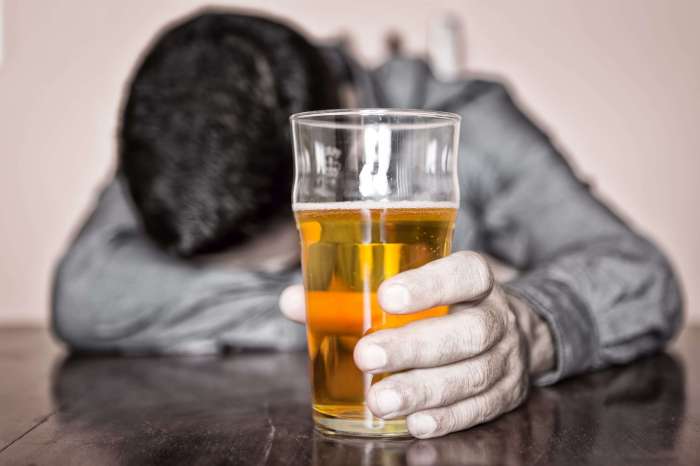
Dealing with the lingering effects of alcohol consumption can be challenging, but there are several potential remedies that can help manage the pain and discomfort. Understanding the various options and their potential benefits and drawbacks is crucial for making informed decisions about your health. Remember, these remedies are not a substitute for professional medical advice, and it’s always best to consult a doctor if you’re experiencing persistent or severe pain.
Managing Pain After Alcohol Consumption
Effective management of post-alcohol consumption pain involves a multifaceted approach. This includes addressing the immediate symptoms and considering underlying causes. Careful consideration of hydration, over-the-counter medications, and home remedies can provide some relief, but it’s essential to understand their limitations and potential risks.
Potential Remedies Table
| Remedy | Description | Effectiveness | Side Effects |
|---|---|---|---|
| Hydration | Replenishing fluids lost through alcohol consumption is crucial. Drinking plenty of water helps restore electrolyte balance and can alleviate some symptoms. | Generally effective in reducing dehydration symptoms and potentially some headache pain. More effective for mild to moderate dehydration. | Rare side effects. Overhydration can be problematic in individuals with kidney issues. |
| OTC Medications | Over-the-counter pain relievers, such as ibuprofen or acetaminophen, can help reduce pain and fever. These medications can also address associated symptoms like muscle aches. | Can be effective for mild to moderate pain and fever. Effectiveness varies depending on the individual and the severity of the symptoms. | Potential for stomach upset, allergic reactions, or liver damage (with acetaminophen) if taken in excessive amounts or with pre-existing liver conditions. Follow dosage instructions carefully. |
| Home Remedies | Some home remedies, like applying a cold compress to the head or taking ginger tea, are often used for managing headaches and other symptoms. | Limited scientific evidence supports the effectiveness of many home remedies. Some may offer mild symptom relief, but their effectiveness varies greatly. | Potential side effects depend on the specific home remedy. Some herbal remedies may interact with medications or have contraindications for certain health conditions. |
Importance of Professional Medical Advice
While various remedies can provide temporary relief, seeking professional medical advice is paramount for managing persistent or severe pain. A healthcare provider can accurately diagnose the cause of the pain and recommend appropriate treatment strategies, including potential underlying health conditions. It’s crucial to prioritize your well-being and consult with a doctor before making any significant changes to your treatment plan.
Prevention Strategies
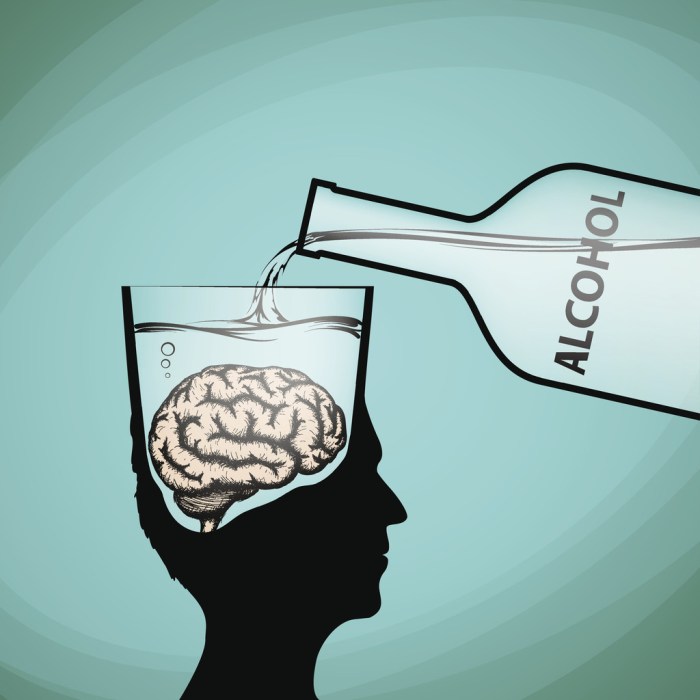
The aftermath of alcohol consumption can vary significantly from person to person, but the common thread is often the unpleasant experience of post-drinking discomfort. Knowing how to mitigate this discomfort is crucial for enjoying social gatherings and events without the lingering pain. Strategies for preventing alcohol-related pain center around responsible consumption and mindful choices.Alcohol’s impact on the body is complex and multifaceted, influencing various physiological processes.
By understanding the body’s response to alcohol and implementing preventative measures, you can reduce the likelihood and severity of post-drinking pain. Key strategies include moderation, food intake, and hydration.
Moderation in Alcohol Consumption
Excessive alcohol consumption significantly increases the risk of experiencing pain after drinking. The liver, responsible for processing alcohol, is burdened by high intake. This strain can lead to inflammation, oxidative stress, and a cascade of negative effects. The more alcohol consumed, the more pronounced these effects become. Reducing alcohol intake to a moderate level, often defined as no more than one drink per day for women and two drinks per day for men, minimizes the strain on the body’s systems, thus reducing the likelihood of pain.
Food Intake and Alcohol Consumption
Consuming food before, during, and after alcohol consumption is a vital preventive strategy. Food slows the absorption of alcohol into the bloodstream. This slower absorption rate gives the liver more time to process the alcohol, reducing the risk of rapid intoxication and associated discomfort. Choosing nutrient-rich foods that are easily digestible is particularly beneficial. Examples include lean proteins, complex carbohydrates, and healthy fats.
Hydration and Alcohol Consumption
Adequate hydration is essential for overall health, and it plays a critical role in minimizing alcohol’s negative effects. Alcohol acts as a diuretic, increasing fluid loss through urination. This dehydration can exacerbate the symptoms of hangovers, including headaches, nausea, and muscle aches. Maintaining adequate hydration by drinking water before, during, and after alcohol consumption helps to counteract this effect and prevent dehydration-related pain.
Carry a water bottle to monitor and replenish fluids throughout the evening.
Practical Prevention Strategies for Responsible Alcohol Consumption
- Limit your intake: Stick to recommended moderate consumption guidelines.
- Eat before and during drinking: A full stomach slows alcohol absorption.
- Alternate alcoholic drinks with water: This helps to maintain hydration.
- Avoid mixing different types of alcohol: Different alcohols can have synergistic effects that increase the negative consequences of drinking.
- Pace yourself: Don’t drink too quickly. Allow your body time to process each drink.
- Know your limits: Recognize your personal tolerance and avoid exceeding it.
- Consider a designated driver or other safe transportation options: This helps prevent accidents and the potential for serious consequences.
Final Review
In conclusion, experiencing pain after alcohol consumption can stem from various factors, including individual tolerance, the type of alcohol, and underlying health conditions. While there are potential remedies, prevention through responsible drinking habits is key. Prioritizing moderation, proper hydration, and understanding your body’s response to alcohol can significantly reduce the likelihood and severity of post-drinking discomfort.