


Losartan vs lisinopril similarities and differences is a crucial area of knowledge for anyone seeking to understand blood pressure management. These two medications, frequently prescribed for hypertension, share similarities in their therapeutic goals but differ significantly in their mechanisms of action and potential side effects. This exploration dives deep into the specifics of each drug, comparing their effectiveness, potential downsides, and the key factors to consider when choosing one over the other.
Understanding the intricacies of these medications empowers patients and healthcare providers to make informed decisions. This comparison provides a clear understanding of their pharmacological properties, allowing for more tailored treatment strategies and improved patient outcomes.
Introduction to Losartan and Lisinopril
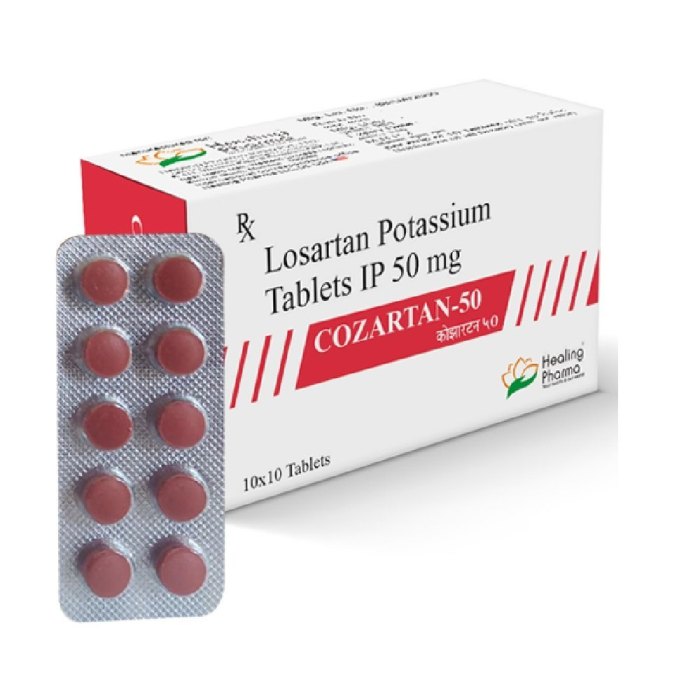
Losartan and lisinopril are both commonly prescribed medications used to manage high blood pressure (hypertension). They are considered first-line treatments for many patients due to their effectiveness and generally well-tolerated side effect profiles. Understanding how these drugs work and their different characteristics is crucial for patients and healthcare professionals alike.These drugs achieve their antihypertensive effects through distinct mechanisms, affecting the renin-angiotensin-aldosterone system (RAAS) in different ways.
This difference in their mode of action leads to some variations in their side effect profiles and potential interactions with other medications. This section delves into the specifics of these two crucial antihypertensive medications.
Overview of Losartan and Lisinopril
Losartan and lisinopril are both angiotensin-II receptor blockers (ARBs) and angiotensin-converting enzyme (ACE) inhibitors, respectively. These classes of drugs are critical in managing hypertension by targeting the renin-angiotensin-aldosterone system (RAAS). This system plays a vital role in regulating blood pressure.
Mechanism of Action
Losartan, an ARB, blocks the angiotensin II receptor, preventing angiotensin II from binding to and activating the receptor. This prevents the vasoconstricting effects of angiotensin II, leading to a reduction in blood pressure. Lisinopril, an ACE inhibitor, inhibits the enzyme ACE, which converts angiotensin I to angiotensin II. By blocking this conversion, lisinopril also reduces the amount of angiotensin II available, lowering blood pressure.
Dosage Forms and Administration
Both medications are available in various dosage forms, including tablets and oral solutions. The typical administration route is oral, taken once daily. Specific dosages are determined by individual patient needs and blood pressure readings, and are prescribed by a healthcare professional.
Comparison of Chemical Structures
Unfortunately, a direct chemical structure comparison table is not feasible within this format. The chemical structures of Losartan and Lisinopril are complex and would require visual representation for clarity. Detailed chemical structure comparisons are best presented using chemical diagrams and software tools. However, it is important to note that these are structurally different, despite their shared function in the RAAS pathway.
Similarities in Therapeutic Actions
Losartan and lisinopril, both widely used antihypertensive medications, share key mechanisms of action that contribute to their effectiveness in managing high blood pressure. Understanding these similarities provides insight into their comparable therapeutic profiles and helps clinicians tailor treatment strategies. This section will explore the shared therapeutic targets, common clinical applications, efficacy comparisons, and side effect profiles of these two drugs.
Shared Therapeutic Targets
Both losartan and lisinopril are crucial in the renin-angiotensin-aldosterone system (RAAS). This intricate system regulates blood pressure, and these drugs interfere with its components. Specifically, they both target the angiotensin II receptor and its effects on blood vessels. Losartan is an angiotensin II receptor blocker (ARB), while lisinopril is an angiotensin-converting enzyme (ACE) inhibitor. Despite their different points of intervention, both ultimately reduce the production or action of angiotensin II, a potent vasoconstrictor, thus contributing to lower blood pressure.
Common Clinical Applications
Both medications are primarily used for the treatment of hypertension (high blood pressure). They are also prescribed for patients with heart failure, diabetic nephropathy (kidney damage due to diabetes), and a history of stroke. Losartan and lisinopril can be effective in preventing further cardiovascular events in individuals with established cardiovascular disease. Their shared efficacy in managing various cardiovascular conditions makes them valuable tools in clinical practice.
So, you’re comparing Losartan and Lisinopril? They’re both blood pressure medications, but have key differences in how they work. Understanding these differences is crucial for your health. Interestingly, dietary choices, like those involving sugar, can also impact blood pressure. If you’re curious about the specifics of what constitutes a sugar allergy or intolerance, I recommend checking out this helpful resource: what is a sugar allergy or intolerance.
Ultimately, a conversation with your doctor about your individual needs is the best way to determine the right medication for your blood pressure management.
Efficacy in Lowering Blood Pressure
Clinical trials have consistently demonstrated the effectiveness of both losartan and lisinopril in lowering blood pressure. While the precise magnitude of blood pressure reduction might vary between individuals and treatment regimens, both drugs are generally considered effective in achieving target blood pressure levels in most patients. However, individual responses may differ, and factors such as patient adherence to the medication regimen, concomitant medications, and underlying health conditions can influence the outcomes.
Notably, the efficacy can be similar, although there may be some variability in the magnitude of the reduction in individual patients.
Quick comparison of losartan and lisinopril often highlights similar blood pressure-lowering effects. However, understanding how these drugs work, and the potential side effects, is crucial. For example, some medications, including those used for blood pressure management, can interact with the digestive system. This is why knowing about mineral oil’s role in the body, and how it might affect absorption, can be helpful when making choices about treatment plans.
what is mineral oil Ultimately, consulting a doctor about the best fit for individual needs remains the most important step in selecting the most suitable medication for blood pressure management. Comparing losartan and lisinopril requires careful consideration of individual factors and potential drug interactions.
Similar Side Effect Profiles
Both losartan and lisinopril generally have comparable side effect profiles. However, individual experiences may vary.
| Side Effect | Losartan | Lisinopril |
|---|---|---|
| Dizziness | Moderate | Moderate |
| Headache | Mild to Moderate | Mild to Moderate |
| Cough | Rare | Possible (ACE inhibitor related) |
| Hypotension | Moderate | Moderate |
| Kidney problems | Rare | Rare |
| Hyperkalemia (high potassium levels) | Rare | Possible (ACE inhibitor related) |
The table above summarizes some common side effects. Important note: While these side effects are relatively common, they are usually mild and transient. However, the potential for more severe adverse reactions exists. It is crucial to monitor patients closely for any signs of adverse effects and to adjust the treatment plan as needed. Consult with a healthcare professional for personalized advice.
Differences in Pharmacodynamics
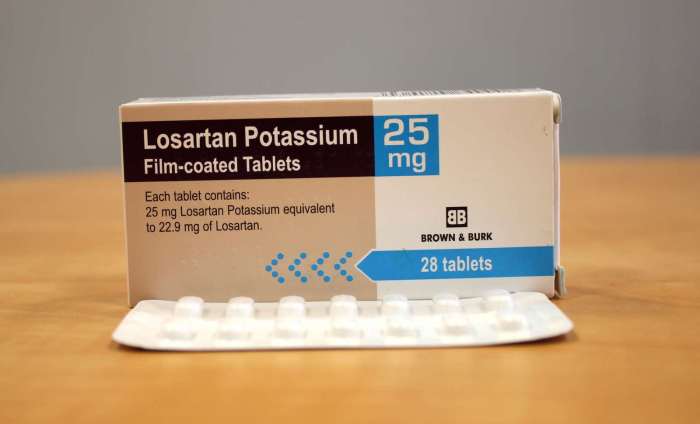
Losartan and lisinopril, while both antihypertensive medications, exert their effects through distinct mechanisms. Understanding these differences is crucial for predicting patient responses and potential drug interactions. This section delves into the unique pharmacodynamic profiles of these drugs, examining their specific receptor interactions and metabolic pathways.Losartan and lisinopril work in different parts of the renin-angiotensin-aldosterone system (RAAS), resulting in varied physiological outcomes.
This divergence in mechanisms of action can lead to different efficacy profiles and side effect profiles in individual patients.
Distinct Mechanisms of Action
The fundamental difference lies in their targets within the RAAS. Lisinopril directly inhibits angiotensin-converting enzyme (ACE), preventing the conversion of angiotensin I to angiotensin II. Angiotensin II is a potent vasoconstrictor and stimulates aldosterone release, contributing to hypertension. Losartan, on the other hand, is an angiotensin II receptor blocker (ARB). It specifically blocks the angiotensin II type 1 receptor (AT1 receptor), thus preventing angiotensin II from exerting its vasoconstrictive and aldosterone-stimulating effects.
This nuanced difference in targeting results in unique pharmacological actions.
Varied Patient Responses
The varying mechanisms of action can lead to different responses in patients. For example, patients with a higher sensitivity to angiotensin II may experience a more pronounced effect with lisinopril, as its direct inhibition of ACE activity is more forceful. Conversely, patients with a predominant AT1 receptor-mediated response might respond better to losartan. Individual variations in receptor expression and sensitivity play a critical role in determining the efficacy of each drug.
The variability in patient response underscores the importance of personalized treatment approaches.
Potential Drug Interactions, Losartan vs lisinopril similarities and differences
Drug interactions can occur due to differences in the metabolic pathways of losartan and lisinopril. Lisinopril is primarily metabolized by the liver, whereas losartan is extensively metabolized by the liver, but also undergoes some glucuronidation. This difference can influence the pharmacokinetics of other drugs if co-administered. For instance, drugs that compete for hepatic enzymes could potentially alter the clearance of either medication.
A thorough understanding of the metabolic pathways is essential for preventing potentially harmful interactions.
Comparison of Receptor Interactions
| Drug | Target | Mechanism |
|---|---|---|
| Lisinopril | Angiotensin-Converting Enzyme (ACE) | Inhibits ACE, preventing the conversion of angiotensin I to angiotensin II. |
| Losartan | Angiotensin II Type 1 Receptor (AT1 receptor) | Blocks the AT1 receptor, preventing angiotensin II from binding and exerting its effects. |
Understanding the distinct pharmacodynamics of losartan and lisinopril is essential for tailoring treatment plans to individual patient needs. This knowledge enables healthcare providers to anticipate potential variations in response and proactively manage potential drug interactions.
Differences in Pharmacokinetics
Understanding how losartan and lisinopril are absorbed, distributed, metabolized, and excreted is crucial for determining their individual effects and potential interactions. Different pharmacokinetic profiles can lead to varying treatment responses and side effect profiles, necessitating tailored dosing strategies.Losartan and lisinopril, while both ACE inhibitors and angiotensin II receptor blockers (ARBs), exhibit distinct pharmacokinetic characteristics. These differences influence their overall effectiveness and the potential for interactions with other medications.
Absorption
The absorption of losartan and lisinopril differs in their rate and extent. Losartan is well-absorbed after oral administration, reaching peak plasma concentrations within 1-4 hours. Lisinopril, on the other hand, exhibits faster absorption, reaching peak concentrations typically between 1 and 4 hours as well. However, the bioavailability of lisinopril is slightly lower than losartan. This means that a smaller proportion of the ingested lisinopril reaches the bloodstream compared to losartan.
These differences in absorption rates might affect the onset of action and require adjustments in dosing schedules for optimal therapeutic response.
Distribution
Both drugs are widely distributed throughout the body, primarily binding to plasma proteins. Losartan demonstrates a higher protein binding percentage, suggesting a greater extent of binding to blood proteins, which in turn can impact its distribution and potential interactions with other medications that share binding sites. Lisinopril, with a lower protein binding percentage, is more readily available for interaction with target tissues.
Metabolism
Losartan is primarily metabolized by the liver, while lisinopril is primarily excreted unchanged in the urine. This difference in metabolic pathways can lead to varying responses to the drugs in individuals with liver dysfunction. The metabolic route of losartan means its breakdown products may have additional effects or potentially interact with other liver processes.
Excretion
Losartan is primarily excreted in the urine as metabolites, whereas lisinopril is mainly excreted unchanged in the urine. This difference in excretion pathways is relevant in patients with renal impairment. The excretion route for losartan is more complex, potentially leading to a greater accumulation of metabolites in individuals with impaired kidney function. Patients with impaired kidney function may require adjusted dosages for both medications.
Half-Lives and Duration of Action
The half-lives of losartan and lisinopril differ, impacting their duration of action and the need for dosing frequency. Losartan exhibits a longer half-life (approximately 2 hours) compared to lisinopril (approximately 12 hours). This means that losartan’s effects are maintained for a shorter period, requiring more frequent dosing. The longer half-life of lisinopril contributes to a more sustained therapeutic effect.
Implications for Dosing Schedules and Potential Drug Interactions
The differing pharmacokinetic profiles of losartan and lisinopril can impact dosing schedules and the potential for drug interactions. For example, the longer half-life of lisinopril allows for once-daily dosing in many patients, while losartan often requires twice-daily administration.The possibility of drug interactions also depends on the specific metabolic pathways and excretion routes. For instance, medications that inhibit renal excretion could potentially lead to higher concentrations of both drugs in the body, potentially causing adverse effects.
Patients taking multiple medications should inform their healthcare providers about all drugs being taken, including over-the-counter medications and supplements.
Summary Table of ADME Characteristics
| Characteristic | Losartan | Lisinopril |
|---|---|---|
| Absorption | Well-absorbed, peak ~1-4 hours | Rapid absorption, peak ~1-4 hours, slightly lower bioavailability |
| Distribution | High protein binding | Lower protein binding |
| Metabolism | Primarily hepatic | Primarily excreted unchanged |
| Excretion | Mainly as metabolites in urine | Mainly excreted unchanged in urine |
| Half-life | Approximately 2 hours | Approximately 12 hours |
| Duration of Action | Shorter | Longer |
Clinical Use Cases and Patient Considerations
Choosing between losartan and lisinopril often hinges on individual patient needs and circumstances. Both drugs effectively manage hypertension and related conditions, but their unique properties influence their suitability for different patient populations. Understanding these nuances is crucial for healthcare professionals to optimize treatment plans and minimize potential adverse effects.
Specific Clinical Scenarios
Different clinical situations may favor one drug over the other. For instance, patients with a history of kidney problems might benefit from losartan due to its reduced risk of acute kidney injury compared to lisinopril. Patients with diabetes often require additional blood pressure management, and in such cases, the choice may depend on specific comorbidities. Furthermore, patients with a history of angioedema (swelling of the face, throat, or tongue) might be better managed with losartan, given its lower risk of causing this side effect.
Factors Influencing Drug Selection
Several factors play a role in selecting either losartan or lisinopril. Patient history, including past reactions to ACE inhibitors or ARBs, is paramount. Comorbidities like diabetes, kidney disease, or heart failure can significantly influence the optimal choice. Additionally, the patient’s overall health status, including age and other medications they are taking, should be carefully considered.
Potential Drug Interactions, Losartan vs lisinopril similarities and differences
Drug interactions are a significant concern when prescribing losartan or lisinopril. For example, concurrent use of potassium-sparing diuretics with either drug can lead to hyperkalemia (high potassium levels), potentially causing serious cardiac complications. Patients taking nonsteroidal anti-inflammatory drugs (NSAIDs) may experience reduced blood pressure-lowering effects when combined with either drug. Similarly, concurrent use of lithium, a mood stabilizer, with losartan or lisinopril may require careful monitoring due to potential alterations in lithium levels.
Patient Populations and Drug Suitability
The following table summarizes potential considerations for selecting losartan or lisinopril based on specific patient populations. Factors such as history of kidney disease, diabetes, or previous allergic reactions to ACE inhibitors are crucial in guiding the choice.
| Patient Population | Considerations for Losartan | Considerations for Lisinopril |
|---|---|---|
| Patients with a history of angioedema | Potentially lower risk of angioedema | Higher risk of angioedema |
| Patients with impaired renal function | May be preferred due to reduced risk of acute kidney injury | May be less suitable, as it can affect renal function in some patients |
| Patients with diabetes | Can be a suitable option if there are no contraindications | Can be effective but should be monitored carefully |
| Patients with heart failure | May be suitable depending on other comorbidities | May be suitable depending on other comorbidities |
| Elderly patients | Requires careful monitoring for adverse effects | Requires careful monitoring for adverse effects |
Adverse Effects and Contraindications
Understanding the potential side effects and restrictions associated with losartan and lisinopril is crucial for safe and effective treatment. These drugs, while often beneficial, can cause adverse reactions in some individuals. Knowing the contraindications and potential interactions is essential for healthcare providers to make informed decisions and minimize risks for patients.
Potential Adverse Effects
Losartan and lisinopril, while effective in managing hypertension, can trigger various side effects. These effects can range from mild discomfort to more serious complications. It’s vital to monitor patients closely for any adverse reactions and adjust treatment plans accordingly.
- Losartan: Common side effects include dizziness, headache, fatigue, and nausea. Less frequent but more serious side effects can include angioedema (swelling of the face, lips, tongue, or throat), which requires immediate medical attention. Kidney problems and liver dysfunction are also possible, though less common. Specific examples of adverse reactions are rare, but documented cases include a slight increase in blood creatinine levels.
So, you’re comparing Losartan and Lisinopril? They’re both blood pressure medications with some overlapping functions, but key differences in how they work. Knowing the nuances can be crucial, especially when considering factors like potential side effects. This is especially relevant if you’re concerned about a potential hair follicle drug test, as some medications might show up on such a test for a longer period.
A good resource for understanding hair follicle drug test procedures and implications is available here: hair follicle drug test. Ultimately, consulting with your doctor is essential for making informed decisions about which medication is best for you, taking into account your specific health needs and circumstances.
- Lisinopril: Common side effects include dizziness, headache, fatigue, and a persistent dry cough, which is a notable distinction from losartan. Angioedema is also a potential concern with lisinopril, highlighting the need for vigilance. Additionally, hyperkalemia (high potassium levels) can occur, potentially impacting kidney function. Other less common side effects include skin rashes and, in extreme cases, acute kidney injury.
A notable difference is the higher risk of hypotension (low blood pressure) in patients taking lisinopril, especially in those with pre-existing low blood pressure.
Contraindications
Contraindications are specific circumstances where a medication should not be administered. Understanding these factors is vital for patient safety.
- Losartan: Patients with a history of angioedema, severe kidney disease, or hypersensitivity to losartan should avoid this medication. Pregnancy and breastfeeding are also contraindications.
- Lisinopril: Similar to losartan, patients with a history of angioedema, severe kidney disease, or hypersensitivity to lisinopril should not take it. Additionally, those with a history of bilateral renal artery stenosis (narrowing of both renal arteries) should avoid lisinopril. Pregnancy and breastfeeding are also contraindicated.
Drug Interactions
Drug interactions can significantly alter the effectiveness and safety of medications. Careful consideration is needed when prescribing either losartan or lisinopril in conjunction with other drugs.
- Losartan and Lisinopril: Both medications can interact with diuretics, which can lead to a significant drop in blood pressure. Concomitant use with potassium-sparing diuretics or potassium supplements needs careful monitoring due to the potential for hyperkalemia (high potassium levels). Certain NSAIDs (nonsteroidal anti-inflammatory drugs) can reduce the effectiveness of these medications. In particular, combining losartan or lisinopril with lithium or ACE inhibitors can lead to dangerous interactions.
Allergic Reactions
Allergic reactions to medications can range from mild skin rashes to severe anaphylaxis. Recognizing the potential for various allergic reactions is essential.
- Losartan and Lisinopril: Both medications can cause allergic reactions, including skin rashes, hives, itching, and angioedema. In severe cases, anaphylaxis can occur, requiring immediate medical attention. A history of allergies, especially to similar medications like ACE inhibitors, should be considered.
Comparative Efficacy and Cost: Losartan Vs Lisinopril Similarities And Differences
Choosing between losartan and lisinopril often comes down to individual patient needs and specific circumstances. While both are effective blood pressure medications, their efficacy in different patient groups, and their relative costs, play a significant role in treatment decisions. Understanding these factors allows for more informed choices about which medication might be the most suitable for a given individual.The comparative effectiveness of losartan and lisinopril has been extensively studied in various clinical trials.
Results frequently show similar reductions in blood pressure, but variations in response can occur. Cost considerations are also crucial, as they influence the overall healthcare burden for both patients and healthcare systems. This section delves into the comparative efficacy and cost of these two drugs, examining factors that affect their suitability for different patient populations.
Comparative Effectiveness in Clinical Trials
Numerous clinical trials have investigated the effectiveness of losartan and lisinopril in lowering blood pressure. These studies typically show comparable reductions in blood pressure between the two medications. However, individual responses can vary. Some patients may experience a more significant blood pressure reduction with one medication compared to the other. Factors such as pre-existing health conditions, adherence to treatment plans, and concomitant medications can all influence the effectiveness of either drug.
Consistent adherence to the prescribed regimen is critical for achieving optimal results with either medication.
Cost Comparison
The cost of losartan and lisinopril can differ depending on the specific formulation and dosage. Generally, the prices of generic versions of these medications are similar, often making the cost difference negligible. However, brand-name versions can vary significantly in price. The actual cost to a patient will depend on their insurance coverage and the specific pharmacy they use.
Generic medications are often a more affordable option, promoting cost-effectiveness in healthcare.
Cost-Effectiveness Considerations for Different Patient Populations
The cost-effectiveness of losartan and lisinopril needs to be considered in the context of the patient’s overall health situation and potential for adverse effects. Patients with specific comorbidities, such as kidney disease or diabetes, may benefit from one medication over the other due to unique pharmacodynamic profiles. For example, a patient with a history of kidney issues might be more susceptible to side effects with lisinopril, making losartan a potentially more cost-effective choice in the long run.
The long-term cost-effectiveness of either medication needs to be considered, taking into account the potential need for follow-up care and management of potential side effects.
Summary Table
| Medication | Typical Cost (per 30-day supply) | Efficacy (average blood pressure reduction) | Potential Considerations |
|---|---|---|---|
| Losartan | $10-$25 (generic) | Similar to lisinopril | May be a better choice for patients with kidney concerns. |
| Lisinopril | $8-$20 (generic) | Similar to losartan | Potential for side effects, especially in patients with pre-existing kidney conditions. |
Note: Costs are approximate and can vary based on location, pharmacy, and insurance coverage. Efficacy data is based on pooled results from various clinical trials, not a single study.
Long-Term Effects and Considerations
Choosing between losartan and lisinopril for long-term blood pressure management requires careful consideration of potential long-term consequences. Both medications are effective, but individual responses and potential side effects can vary. Understanding these differences is crucial for informed decisions about long-term treatment strategies.
Potential Long-Term Consequences
Both losartan and lisinopril, while generally safe, can have long-term effects. These effects may manifest as a consequence of sustained use and can impact various organ systems. Monitoring and adjusting treatment plans are essential for optimal patient outcomes.
Potential Risks for Different Patient Populations
Certain patient populations may experience a higher degree of risk associated with long-term use of either medication. For instance, patients with pre-existing kidney disease or diabetes might experience adverse effects more acutely. Careful monitoring and close collaboration with healthcare providers are vital in these cases.
Comparative Overview of Long-Term Effects
Losartan and lisinopril, while both impacting the renin-angiotensin-aldosterone system, differ in their precise mechanisms of action. These differences can lead to variations in long-term side effects. For example, some patients may experience more persistent cough with lisinopril, while others might exhibit a higher risk of hyperkalemia (elevated potassium levels) with losartan, especially in those with kidney dysfunction. These nuances underscore the importance of personalized treatment plans.
Table of Potential Risks and Benefits for Long-Term Use
| Factor | Losartan | Lisinopril |
|---|---|---|
| Potential Benefits | Reduced risk of kidney damage, potentially better tolerated by those with some kidney conditions, lower risk of developing a cough. | Effective blood pressure control, often a more affordable option, may be more suitable for certain heart conditions. |
| Potential Risks | Increased risk of hyperkalemia (high potassium) in patients with impaired kidney function, potential for dizziness or lightheadedness, possible effects on electrolyte balance. | Persistent cough in some individuals, potential for dizziness or lightheadedness, increased risk of angioedema (swelling) although less common than with other ACE inhibitors. |
| Patient Considerations | Regular monitoring of potassium levels, particularly in those with pre-existing kidney disease or diabetes. A healthcare provider should be consulted about individual risk factors. | Regular monitoring for cough, and blood pressure. If a cough develops, switching to an alternative medication may be considered. Kidney function should be closely monitored. |
Ending Remarks
In conclusion, while both losartan and lisinopril effectively manage hypertension, their distinct pharmacodynamic and pharmacokinetic profiles lead to variations in patient responses and potential side effects. This detailed comparison highlights the importance of individualized treatment plans, taking into account patient history, comorbidities, and potential drug interactions. Ultimately, a thorough understanding of losartan vs lisinopril similarities and differences enables a more precise and effective approach to managing high blood pressure.