


Is palm oil bad for you? This question sparks intense debate, and understanding the answer requires a multifaceted approach. This article explores the nutritional composition, potential health risks, and environmental impact of palm oil, comparing it to other oils and examining various perspectives.
We’ll delve into the saturated and unsaturated fats within palm oil, analyze its connection to cardiovascular health, and discuss potential impacts on weight, blood sugar, and even cancer risk. Different types of palm oil, from refined to unrefined, will be compared, along with the sustainability concerns surrounding its production.
Health Effects of Palm Oil Consumption
Palm oil, a widely used vegetable oil, has become a subject of intense scrutiny regarding its health effects. Its prevalence in various food products and its unique fatty acid profile make understanding its impact crucial for informed dietary choices. This discussion delves into the nutritional composition of palm oil, potential health risks, and comparisons with other vegetable oils.Palm oil is a complex mixture of saturated and unsaturated fats.
Its composition significantly influences its potential impact on human health. The proportion of each type of fat varies depending on the specific type of palm oil and processing methods.
Nutritional Composition of Palm Oil
Palm oil contains a substantial amount of saturated fat, which is often linked to potential health concerns. It also contains varying amounts of monounsaturated and polyunsaturated fats, though the saturated fat content typically outweighs the other types.
Potential Health Risks of High Saturated Fat Intake
High intake of saturated fat is a recognized risk factor for cardiovascular diseases. Elevated levels of LDL (“bad”) cholesterol, a major component of plaque buildup in arteries, are often associated with diets high in saturated fat. This can lead to conditions like atherosclerosis, narrowing of the arteries, and increased risk of heart attacks and strokes.
Comparison of Palm Oil’s Saturated Fat Content with Other Oils
Palm oil generally has a higher saturated fat content compared to soybean oil, corn oil, and even some varieties of coconut oil. Olive oil, on the other hand, contains a lower proportion of saturated fat and a higher concentration of monounsaturated fats, which are generally considered healthier.
Impact of Palm Oil Consumption on Blood Cholesterol Levels
Consumption of palm oil can affect blood cholesterol levels. High saturated fat intake can raise LDL cholesterol levels, potentially increasing the risk of cardiovascular diseases. Conversely, some unsaturated fats present in palm oil may have a beneficial effect on blood lipid profiles, though the overall effect often depends on the specific type of palm oil and the individual’s overall diet.
Different Types of Palm Oil and Potential Health Differences
Palm oil is available in various forms, including refined, bleached, and deodorized (RBD) palm oil. The refining process alters the oil’s composition, potentially affecting its health impact. Unrefined palm oil, for example, might contain more natural antioxidants, though it also may have a higher concentration of saturated fat.
Comparison of Saturated Fat Content in Cooking Oils
| Oil Type | Saturated Fat (per 100g) |
|---|---|
| Palm Oil (RBD) | 44-50g |
| Coconut Oil | 82-92g |
| Soybean Oil | 12-15g |
| Corn Oil | 12-15g |
| Olive Oil | 14g |
This table illustrates the significant difference in saturated fat content between various cooking oils. It’s crucial to consider these differences when planning a healthy diet.
Palm Oil and Cardiovascular Health
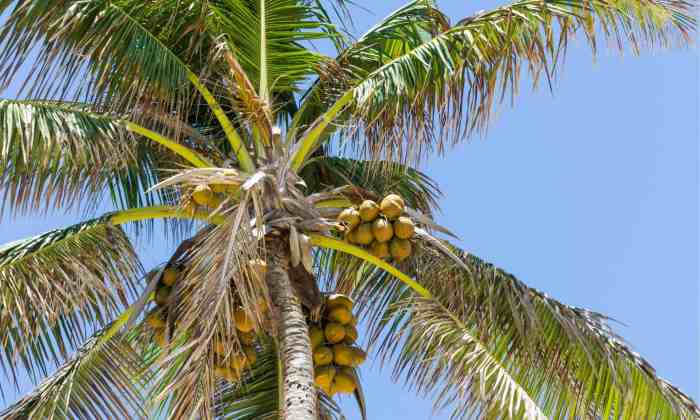
Palm oil’s impact on cardiovascular health is a subject of ongoing research and debate. While it’s a widely used cooking oil, concerns persist regarding its potential contribution to cardiovascular disease risk. Understanding the nuances of this relationship requires examining the scientific evidence, considering the mechanisms of action, and assessing the effects on key cardiovascular markers.The scientific literature presents a complex picture regarding palm oil and cardiovascular health.
Studies have yielded varied results, sometimes demonstrating an association with increased risk, while others show no significant effect or even potential benefits. The discrepancies often stem from differences in study design, population characteristics, and the specific types of palm oil analyzed. Therefore, a comprehensive understanding necessitates careful consideration of the evidence from various angles.
Scientific Evidence Linking Palm Oil Consumption to Cardiovascular Disease Risk
A wealth of observational studies and meta-analyses have explored the link between palm oil consumption and cardiovascular disease risk factors. These studies have examined the correlation between palm oil intake and various markers of cardiovascular health. The findings are not uniform, with some studies indicating a positive association between palm oil consumption and increased risk of cardiovascular disease, while others report no significant correlation.
Crucially, the quality and consistency of the results remain a subject of discussion among researchers.
So, is palm oil bad for you? It’s a tricky question, and part of the answer might surprise you. While some studies suggest it could be linked to health issues, it’s not always a simple “yes” or “no.” This can be especially relevant if you’re wondering why you’re sweating more than usual; it might be related to dietary choices.
For a deeper dive into the science behind excessive sweating, check out this informative article on why do i sweat so much. Ultimately, the impact of palm oil on your health depends on many factors, including your overall diet and lifestyle. So, it’s essential to look at the bigger picture.
Summary of Findings from Relevant Studies
Studies on palm oil and cardiovascular disease have yielded inconsistent results. Some observational studies suggest a positive association between palm oil consumption and increased risk of cardiovascular disease. However, these associations aren’t always strong, and other studies have found no significant correlation or even potential benefits. The quality of study design, the populations studied, and the specific types of palm oil analyzed can influence the outcome of these studies.
More robust, well-controlled studies are needed to clarify the definitive role of palm oil in cardiovascular health.
Association Between Palm Oil Intake and Cardiovascular Health Markers
| Cardiovascular Marker | Association with Palm Oil Intake (Summary) |
|---|---|
| LDL Cholesterol | Some studies suggest a positive association, potentially increasing LDL (“bad”) cholesterol levels. |
| HDL Cholesterol | Limited data on the impact on HDL (“good”) cholesterol. |
| Triglycerides | Some studies indicate a potential increase in triglycerides. |
This table provides a summary of the general associations observed between palm oil intake and specific cardiovascular markers. However, the specific impact varies considerably depending on the study and its methodologies.
Potential Mechanisms Through Which Palm Oil Might Impact Cardiovascular Health
Palm oil’s impact on cardiovascular health may be linked to its fatty acid composition. The high saturated fat content in palm oil is a primary concern. Elevated saturated fat intake is often associated with increased LDL cholesterol levels, a key factor in the development of atherosclerosis and cardiovascular disease. Additionally, the presence of certain types of unsaturated fatty acids in palm oil may play a role, but the exact nature of this influence requires further research.
Role of Inflammation in Cardiovascular Disease and How Palm Oil Consumption Might Affect Inflammation Markers
Inflammation plays a crucial role in the development and progression of cardiovascular disease. Chronic inflammation can damage blood vessels and contribute to plaque buildup. Some studies suggest that palm oil consumption might promote inflammation, potentially through its effects on inflammatory markers such as C-reactive protein (CRP). However, more research is necessary to establish a definitive link.
Impact of Palm Oil Consumption on Blood Pressure
The effect of palm oil consumption on blood pressure is an area of ongoing research. While some studies have observed a correlation between palm oil intake and increased blood pressure, other studies have not found a significant association. The specific mechanisms linking palm oil to blood pressure regulation remain unclear and warrant further investigation.
Palm Oil and Other Health Concerns
Palm oil, while a widely used cooking oil, has sparked considerable debate regarding its potential health impacts beyond its cardiovascular effects. This section delves into the potential relationships between palm oil consumption and various health concerns, including weight management, insulin sensitivity, cancer risk, liver health, hormone balance, and chronic inflammation. It’s crucial to approach this information with a balanced perspective, recognizing the complexity of dietary factors and individual responses.Palm oil’s composition, particularly its high saturated fat content, can influence various physiological processes, potentially contributing to a range of health issues.
The scientific literature on these connections is ongoing and multifaceted, with ongoing research aiming to clarify the exact nature and extent of these associations.
Potential Impact on Weight Gain or Loss
Palm oil’s high saturated fat content is a significant factor in potential weight gain. Saturated fats are digested and absorbed more efficiently than unsaturated fats, leading to a greater caloric intake. Increased caloric intake without corresponding increases in energy expenditure can result in weight gain. However, the relationship isn’t universally straightforward. Individual metabolic responses and overall dietary patterns significantly influence the impact of palm oil on weight.
Some studies suggest a correlation between high palm oil intake and weight gain, while others haven’t found a clear link. Further research is needed to fully understand this complex interaction.
Potential Link to Insulin Resistance
Palm oil’s saturated fat content may contribute to insulin resistance. High saturated fat intake can negatively impact insulin sensitivity, making it harder for the body to regulate blood sugar levels. This can increase the risk of developing type 2 diabetes, a chronic condition characterized by elevated blood sugar levels. However, other dietary factors, such as refined carbohydrates and overall calorie intake, play significant roles in insulin resistance.
A balanced diet, regular exercise, and appropriate portion control are crucial for maintaining healthy blood sugar levels.
Potential Connection to Certain Types of Cancer
Some studies have investigated potential links between palm oil consumption and certain types of cancer. While some research indicates a possible association, the evidence is not conclusive and often depends on the specific type of cancer and the study methodology. Further research is needed to confirm any potential links and establish a clear causal relationship. It’s essential to remember that multiple factors influence cancer risk, and dietary choices are just one piece of the puzzle.
Potential Impact on Liver Health
High saturated fat intake from any source, including palm oil, may contribute to liver issues. Fatty liver disease is a condition where fat accumulates in the liver, potentially leading to inflammation and liver damage. While more research is needed to fully understand the specific role of palm oil in liver health, a balanced diet and healthy lifestyle choices are crucial for maintaining liver health.
Possible Impact on Hormone Levels
Some studies suggest a possible correlation between high saturated fat intake and hormone imbalances. However, the mechanisms and extent of this connection require further investigation. A balanced diet and overall health play significant roles in hormone regulation.
Potential Contribution to Chronic Inflammation
High saturated fat intake, including palm oil, might contribute to chronic inflammation. Chronic inflammation is linked to several health problems, including cardiovascular disease, type 2 diabetes, and certain types of cancer. A diet rich in fruits, vegetables, and whole grains, combined with regular exercise, may help mitigate inflammation.
Contrasting Health Impacts of Different Cooking Oils
| Cooking Oil | Potential Health Impacts |
|---|---|
| Palm Oil | High saturated fat content; potential for weight gain, insulin resistance, and chronic inflammation; possible link to certain cancers and liver issues. |
| Olive Oil | Rich in monounsaturated fats; may promote heart health; potential anti-inflammatory effects. |
| Coconut Oil | High in saturated fat; potential for increased cholesterol levels. |
| Avocado Oil | Rich in monounsaturated fats; may support heart health. |
| Canola Oil | Contains both saturated and unsaturated fats; potential for neutral or positive impact on health, depending on overall dietary pattern. |
Note: This table provides a general overview and does not constitute medical advice. Individual responses to different cooking oils can vary significantly. Consult with a healthcare professional for personalized dietary recommendations.
Sustainable Palm Oil Production and Consumption: Is Palm Oil Bad For You
Palm oil, a ubiquitous ingredient in numerous food and personal care products, has become a contentious issue due to the environmental and social impacts of its production. The pursuit of sustainable palm oil production is crucial to mitigating these negative effects and ensuring a responsible future for this important commodity. This section will delve into the environmental consequences of palm oil production, examine the various sustainability certifications, explore the ethical considerations, and compare different approaches to sustainable palm oil farming.The environmental impact of palm oil production is significant, primarily stemming from deforestation and biodiversity loss.
Vast tracts of rainforest are cleared to make way for palm oil plantations, leading to the displacement of numerous plant and animal species. This disruption of ecosystems has far-reaching consequences for local communities and global biodiversity.
So, is palm oil bad for you? Well, the jury’s still out on that one, but it’s definitely a hot topic right now. While some studies suggest it might not be the healthiest choice, it’s important to consider your overall diet. If you’re struggling with hormonal imbalances like those often associated with PCOS, you should definitely explore if seeing a specialist like an endocrinologist is the right step for you.
For more insights on that specific question, check out this helpful guide on should i see a specialist if i have pcos. Ultimately, a balanced approach and consulting with a healthcare professional are key to making informed decisions about your health and diet, even when it comes to seemingly simple choices like what oil you use for cooking.
Environmental Impacts of Palm Oil Production
Palm oil cultivation often leads to significant deforestation, a process that results in the irreversible loss of valuable habitats and the extinction of countless species. This loss of biodiversity reduces the resilience of ecosystems, making them more vulnerable to future threats like climate change. The conversion of natural habitats to palm oil plantations can also negatively impact water resources and soil quality, leading to long-term environmental damage.
Deforestation contributes to greenhouse gas emissions, accelerating climate change and impacting global weather patterns.
So, is palm oil bad for you? It’s a tricky question, and the answer isn’t a simple yes or no. While some studies suggest potential negative impacts on health, the real picture is more nuanced. For example, understanding how your quadriceps and back health are interconnected is crucial, as proper posture and strength in these areas can significantly impact overall well-being.
If you’re curious to learn more about the relationship between quadriceps and back health, check out this helpful article: quadriceps and back health how do they relate. Ultimately, making informed choices about your diet, including palm oil, is key to maintaining good health.
Sustainability Certifications for Palm Oil
Numerous organizations have developed certification schemes to promote sustainable palm oil production. These certifications aim to address the environmental and social concerns associated with conventional palm oil production. They often involve rigorous standards that producers must meet to be certified. These standards typically encompass aspects like deforestation prevention, biodiversity conservation, and fair labor practices.
Ethical Considerations of Palm Oil Production and Consumption
The ethical considerations surrounding palm oil production extend beyond environmental concerns. Labor practices in some palm oil operations have been criticized for exploitative conditions and inadequate worker compensation. Fair labor practices are essential components of sustainable palm oil production, ensuring fair wages, safe working conditions, and the right to organize for workers involved in the supply chain. Transparency and traceability are vital in ensuring ethical practices throughout the palm oil production process.
Comparison of Sustainable Palm Oil Production Approaches
Various approaches to sustainable palm oil production are emerging, each with its own strengths and limitations. Some focus on reforestation and rehabilitation of degraded lands, while others emphasize the integration of palm oil cultivation with existing ecosystems. The success of these approaches depends on the specific context and the commitment of all stakeholders, from producers to consumers. The goal is to develop a system that allows for the economic viability of palm oil production while minimizing its negative environmental and social impacts.
Sustainable Palm Oil Certifications and Their Criteria
| Certification | Key Criteria |
|---|---|
| RSPO (Roundtable on Sustainable Palm Oil) | Focuses on deforestation prevention, biodiversity conservation, and social responsibility. Includes criteria for responsible land use, community engagement, and labor practices. |
| MSCI (Malaysian Sustainable Palm Oil) | Emphasizes environmental and social safeguards in Malaysian palm oil production. Covers aspects like sustainable land management, community development, and worker welfare. |
| UTZ Certified | Aims for sustainable and equitable practices throughout the supply chain, including fair prices, worker rights, and environmental protection. |
Environmental Impact Summary: Deforestation Related to Palm Oil Cultivation, Is palm oil bad for you
Deforestation for palm oil cultivation results in significant biodiversity loss, greenhouse gas emissions, and ecosystem disruption.
The clearing of vast tracts of rainforest for palm oil plantations contributes significantly to carbon emissions, as the stored carbon in trees and soil is released into the atmosphere. This contributes to climate change and exacerbates the impacts of global warming. The loss of habitat for wildlife, including endangered species, has severe consequences for biodiversity and the overall health of ecosystems.
The social and economic impacts of deforestation on indigenous communities and local populations are also significant, leading to displacement and loss of livelihoods.
Alternatives to Palm Oil

Switching to palm oil alternatives is crucial for both human health and environmental sustainability. Palm oil’s impact on deforestation and biodiversity loss is well-documented, and its potential health concerns are prompting consumers to seek healthier and more sustainable alternatives. Fortunately, a variety of vegetable oils offer comparable qualities and nutritional profiles, allowing for a transition without significant compromises.
Vegetable Oil Alternatives
Various vegetable oils can effectively replace palm oil in a wide range of applications. These alternatives offer comparable functionalities in cooking and food preparation, while often presenting a more favorable nutritional and environmental profile. Common examples include soybean oil, canola oil, sunflower oil, and olive oil.
Nutritional Profiles of Alternatives
Each alternative oil has a unique fatty acid composition. Soybean oil, for instance, is rich in polyunsaturated fats, primarily linoleic acid, which is essential for human health. Canola oil is known for its high content of monounsaturated fats, like oleic acid, often associated with cardiovascular benefits. Sunflower oil also boasts a significant proportion of polyunsaturated fats, contributing to its versatile culinary use.
Olive oil, while not a direct replacement for palm oil in many applications, offers a rich source of monounsaturated fats and antioxidants, particularly beneficial for heart health.
Taste, Texture, and Cooking Properties
The taste and texture of these oils vary. Soybean oil has a neutral flavor, making it suitable for a wide array of dishes. Canola oil also exhibits a mild taste and is often preferred for its neutral flavor in cooking. Sunflower oil has a slightly nutty flavor and is suitable for sautéing and frying. Olive oil’s distinctive flavor and aroma make it a popular choice for salads and dressings, although its high smoke point makes it less suitable for high-heat cooking.
Comparative Table of Vegetable Oils
| Oil Type | Primary Fatty Acids | Health Implications | Taste & Texture | Cooking Properties | Environmental Impact | Accessibility & Cost |
|---|---|---|---|---|---|---|
| Soybean Oil | Linoleic acid (polyunsaturated) | Essential fatty acid, potential cardiovascular benefits | Neutral | High smoke point, suitable for frying | Can be produced sustainably, but deforestation concerns remain | Generally accessible and affordable |
| Canola Oil | Oleic acid (monounsaturated) | Heart-healthy monounsaturated fats | Mild | Moderate smoke point, versatile | Generally lower environmental impact than palm oil | Generally accessible and affordable |
| Sunflower Oil | Linoleic acid (polyunsaturated) | Essential fatty acids, potential cardiovascular benefits | Slightly nutty | High smoke point, suitable for frying | Can be produced sustainably, but deforestation concerns remain | Generally accessible and affordable |
| Olive Oil | Oleic acid (monounsaturated) | Heart-healthy monounsaturated fats, antioxidants | Distinctive, fruity | Moderate smoke point, best for lower heat cooking | Generally lower environmental impact than palm oil | Generally accessible but can vary in price depending on quality |
Environmental Impacts of Switching
Switching to sustainable alternatives can have a significant positive impact on the environment. Reducing demand for palm oil can lessen pressure on rainforests, preserve biodiversity, and mitigate climate change. Sustainable sourcing practices for alternative oils, such as responsible farming and harvesting, further contribute to environmental protection.
Accessibility and Cost of Alternatives
The accessibility and cost of alternative oils vary depending on location and market conditions. Soybean oil and canola oil are generally widely available and relatively affordable, making them accessible to a large consumer base. Sunflower oil and olive oil, while also widely available, may have a slightly higher price point, particularly in premium quality forms.
Different Perspectives on Palm Oil
Palm oil, a ubiquitous ingredient in food and cosmetics, is a subject of intense debate. Its production has significant environmental impacts, and concerns about its health effects have led to a wide range of opinions among health organizations and experts. This section delves into these differing perspectives, examining the varying viewpoints on the safety and suitability of palm oil.Understanding these diverse viewpoints is crucial for making informed decisions about palm oil consumption.
The varying recommendations and concerns highlight the complexity of evaluating this commodity and the importance of considering multiple factors, beyond just nutritional value, when forming an opinion.
Varying Recommendations from Health Organizations
Different health organizations and professional bodies offer varying assessments of palm oil’s impact on health. These differences often stem from differing methodologies for evaluating the evidence and differing interpretations of the available research. A nuanced approach is essential to comprehend the complex relationship between palm oil consumption and health outcomes.
- Some organizations, like the American Heart Association, express concerns about the high saturated fat content of palm oil, potentially increasing the risk of cardiovascular disease. They often advise limiting saturated fat intake, which palm oil contributes to. This concern is supported by studies linking high saturated fat intake to elevated LDL cholesterol levels, a risk factor for heart disease.
- Other organizations and nutritional experts may acknowledge the potential risks while also highlighting the nutritional benefits of palm oil. These benefits can include the presence of vitamin E, and the potential role in improving certain aspects of cardiovascular health, like reducing oxidative stress. Furthermore, they might acknowledge the nutritional value of palm oil as a source of essential fatty acids.
These nuances must be carefully considered when evaluating the overall impact of palm oil consumption.
- Certain dietary guidelines may promote palm oil’s use in moderation, balancing its potential risks with its potential benefits. These guidelines might highlight the need to consider the broader dietary context and individual needs when making decisions about palm oil intake.
Comparison of Recommendations
This table summarizes the recommendations of various health organizations regarding palm oil consumption. It’s crucial to note that these recommendations can evolve as research progresses and new evidence emerges.
| Organization/Expert | Recommendation | Rationale |
|---|---|---|
| American Heart Association | Limit saturated fat intake, including palm oil. | High saturated fat content may increase cardiovascular risk. |
| World Health Organization (WHO) | No specific recommendation. | Evidence is mixed, and no definitive conclusion is reached. |
| Harvard School of Public Health | Consume in moderation as part of a balanced diet. | Acknowledges potential health risks while highlighting potential benefits. |
| The British Dietetic Association | Limit intake due to high saturated fat content. | Similar to the American Heart Association’s stance, focusing on overall dietary balance. |
Closing Notes
Ultimately, the answer to whether palm oil is bad for you isn’t a simple yes or no. Its impact depends on various factors, including consumption levels, overall diet, and production methods. We’ve explored the scientific evidence, contrasted palm oil with alternatives, and highlighted the crucial role of sustainable practices. Hopefully, this in-depth look has provided a comprehensive understanding for you to make informed decisions about your health and dietary choices.