


How PTSD is treated sets the stage for this enthralling narrative, offering readers a glimpse into a story that is rich in detail and brimming with originality from the outset. This guide delves into the multifaceted approaches to managing Post-Traumatic Stress Disorder (PTSD), covering everything from psychotherapy techniques to medication options, and even holistic therapies. We’ll explore the different types of PTSD, common symptoms, and the crucial role of early intervention.
Understanding the diverse facets of PTSD treatment is crucial for effective management. This comprehensive exploration will provide readers with a solid foundation to navigate the complexities of PTSD and make informed decisions about their own well-being or the well-being of loved ones. We’ll uncover the intricacies of various treatment modalities, considering the importance of personalized approaches and the role of trauma-informed care.
Overview of PTSD Treatment

Post-traumatic stress disorder (PTSD) is a mental health condition that can develop after a person experiences or witnesses a terrifying event. It’s characterized by a range of distressing symptoms that can significantly impact daily life. Understanding the different types, symptoms, and available treatments is crucial for effective intervention and recovery. This section delves into the nuances of PTSD, highlighting the importance of early intervention and the various treatment approaches.
Understanding Post-Traumatic Stress Disorder (PTSD)
Post-traumatic stress disorder (PTSD) arises from exposure to a traumatic event, such as combat, natural disasters, accidents, or violent personal assaults. It’s not simply a reaction to a stressful event; rather, it’s a complex condition that impacts an individual’s emotional, psychological, and physical well-being. The core feature of PTSD is the persistent re-experiencing of the trauma through flashbacks, nightmares, and intrusive thoughts.
This persistent re-experiencing is accompanied by avoidance behaviors and emotional numbing, which further complicates the healing process.
Types of PTSD
PTSD manifests in various ways, and clinicians recognize several subtypes based on the individual’s response to the traumatic event. While there’s no definitive diagnostic separation of PTSD types, recognizing these variations helps in tailoring treatment strategies.
- Dissociative PTSD: Individuals with this type experience significant detachment from their thoughts, feelings, or memories. They may feel like they are outside their own body or detached from reality, and these dissociative symptoms often interfere with their ability to cope with the trauma. This detachment can manifest as amnesia surrounding the traumatic event or a sense of unreality.
For instance, a war veteran might struggle to remember specific details of combat experiences.
- Complex PTSD: This type of PTSD often results from prolonged or repeated trauma, such as childhood abuse or domestic violence. Symptoms can include difficulties with emotional regulation, interpersonal relationships, and self-perception. Individuals with complex PTSD may exhibit a wide range of emotional dysregulation and struggle with forming healthy attachments.
- Acute Stress Disorder (ASD): This condition arises in the immediate aftermath of a traumatic event and typically lasts for a shorter period, between 3 days and 1 month. Symptoms overlap with PTSD, including flashbacks, nightmares, and anxiety, but they are often less severe and more transient.
Common Symptoms of PTSD
Individuals experiencing PTSD often exhibit a range of symptoms, which can vary in intensity and duration. These symptoms fall into four categories: intrusive thoughts, avoidance, negative alterations in cognitions and mood, and alterations in arousal and reactivity.
- Intrusive Thoughts: Recurrent, unwanted memories, flashbacks, nightmares, and intrusive thoughts about the traumatic event are common. These distressing thoughts can be triggered by seemingly innocuous cues, such as a specific sound or smell, and disrupt daily functioning.
- Avoidance: Individuals may actively avoid situations, people, or activities that remind them of the trauma. This avoidance can lead to social isolation and hinder the healing process.
- Negative Alterations in Cognitions and Mood: This includes feelings of detachment, negative emotions, difficulty experiencing positive emotions, and distorted beliefs about oneself or the world. These cognitive and emotional distortions can impact self-worth and relationships.
- Alterations in Arousal and Reactivity: Symptoms such as difficulty sleeping, irritability, outbursts of anger, hypervigilance (being constantly on alert), and exaggerated startle responses can be debilitating.
Importance of Early Intervention and Treatment
Early intervention and treatment for PTSD are critical to mitigate the long-term impact of trauma. Prompt professional support can significantly reduce the severity and duration of symptoms. The earlier treatment is initiated, the greater the chances of restoring emotional stability and improving overall well-being.
Comparison of PTSD Treatment Approaches, How ptsd is treated
The table below provides a comparative overview of various PTSD treatment approaches.
| Treatment Approach | Description | Strengths | Limitations |
|---|---|---|---|
| Cognitive Behavioral Therapy (CBT) | Focuses on identifying and changing negative thought patterns and behaviors associated with the trauma. | Evidence-based, effective in reducing symptoms, and can be tailored to individual needs. | May not be suitable for all individuals, requires active participation, and can be challenging for those with severe symptoms. |
| Exposure Therapy | Gradually exposes individuals to trauma-related memories, thoughts, and feelings in a safe and controlled environment. | Proven effective in reducing avoidance and emotional distress. | Can be emotionally challenging, requires careful planning and monitoring. |
| Eye Movement Desensitization and Reprocessing (EMDR) | Combines eye movements with trauma-focused imagery and cognitive processing. | Can be effective for some individuals, potentially faster than other approaches. | Not as extensively researched as other therapies, and may not be suitable for everyone. |
| Medication | Medication can be used to manage anxiety, depression, and other symptoms. | Can provide symptom relief quickly. | Can have side effects, may not address the root causes of PTSD, and is often used in conjunction with therapy. |
Psychotherapy Approaches
Unraveling the complexities of PTSD often requires a multifaceted approach, and psychotherapy plays a crucial role in helping individuals navigate the emotional and psychological aftermath of trauma. Different types of psychotherapy offer varied techniques and approaches, each with its own strengths and limitations. Understanding these diverse methods can empower individuals and their therapists to tailor treatment plans to best suit individual needs.Various therapeutic approaches aim to address the root causes of PTSD, providing coping mechanisms, and fostering emotional regulation.
These approaches work by targeting specific aspects of the trauma response, such as maladaptive thoughts, distressing memories, and emotional dysregulation. The efficacy of these approaches is often evaluated through rigorous research studies and clinical experience.
Cognitive Behavioral Therapy (CBT)
CBT for PTSD focuses on identifying and modifying negative thought patterns and behaviors associated with the trauma. The underlying principle is that maladaptive thoughts contribute to the persistence of PTSD symptoms. Through cognitive restructuring, individuals learn to challenge and replace distorted thoughts with more realistic and helpful ones. Behavioral techniques, such as exposure therapy, help individuals gradually confront feared situations and memories.A typical CBT session for PTSD might begin with a review of the previous session’s progress and identification of any current stressors.
The therapist and patient then collaboratively identify problematic thoughts and behaviors related to the trauma. Cognitive restructuring techniques, such as examining the evidence for and against distorted thoughts, are employed to challenge and modify these thoughts. Exposure exercises, which may involve gradual exposure to trauma-related stimuli (in a safe and controlled environment), are then used to help the patient face and process their fears.
Exposure Therapy
Exposure therapy is a core component of many PTSD treatments, including CBT. Its fundamental principle is that by repeatedly and safely exposing individuals to trauma-related stimuli, they can gradually reduce their anxiety and distress responses. The process involves systematically exposing individuals to reminders of the traumatic event, such as images, memories, or situations. Exposure can be gradual, starting with less distressing stimuli and progressing to more intense ones.
This process allows individuals to habituate to the reminders, reducing their emotional impact over time. It helps to re-establish safety and control over their responses to trauma triggers.
Eye Movement Desensitization and Reprocessing (EMDR)
EMDR is a specialized psychotherapy technique that aims to facilitate the processing of traumatic memories. The underlying principle of EMDR is that traumatic memories are often stored in a fragmented and emotionally charged manner, interfering with normal processing. EMDR helps to integrate these memories into the individual’s overall narrative, thereby reducing their emotional impact. EMDR techniques involve bilateral stimulation, such as eye movements, auditory tones, or tapping, while the patient focuses on the distressing memories.
| Phase | Description |
|---|---|
| Preparation | Establishing rapport, creating a safe therapeutic environment, and educating the client about the EMDR process. |
| Assessment | Identifying the target trauma and related negative thoughts, feelings, and sensations. |
| Desensitization | Repeatedly and safely exposing the client to the trauma-related stimuli while engaging in bilateral stimulation. |
| Installation | Identifying and strengthening positive self-statements and beliefs related to the trauma. |
| Body Scan | Checking for any residual emotional or physical distress. |
| Closure | Relaxation techniques and debriefing to ensure the session is complete. |
| Re-evaluation | Monitoring the client’s progress and adjusting the treatment plan as needed. |
Medication and Pharmaceuticals
Treating PTSD often involves a multifaceted approach, and medication plays a crucial role in managing symptoms. While psychotherapy is essential for addressing the root causes and developing coping mechanisms, medications can effectively target the physiological aspects of PTSD, such as anxiety and depression, allowing individuals to better navigate their daily lives. This approach can often complement and enhance the effectiveness of therapy.Pharmacological interventions for PTSD are carefully tailored to the individual’s specific needs and symptoms.
Different medications target various neurochemical imbalances that contribute to PTSD. It’s vital to remember that medication is not a one-size-fits-all solution, and the most effective treatment strategy is determined through consultation with a qualified healthcare professional.
Types of Medications Used
A variety of medications can be used to treat PTSD symptoms. Commonly prescribed medications include antidepressants and anti-anxiety drugs, each with its own mechanisms of action and potential side effects. It’s important to understand that the selection of medication and dosage is highly individualized and depends on factors such as the severity of symptoms, overall health, and potential interactions with other medications.
Antidepressants
Selective serotonin reuptake inhibitors (SSRIs) are a common type of antidepressant frequently used in PTSD treatment. They work by increasing the levels of serotonin in the brain, a neurotransmitter associated with mood regulation. Serotonin plays a significant role in emotional processing and regulating responses to stress. By increasing serotonin levels, SSRIs can help alleviate symptoms like anxiety, depression, and intrusive thoughts, which are often prominent in PTSD.
Examples include sertraline (Zoloft), paroxetine (Paxil), and fluoxetine (Prozac).
Anti-anxiety Medications
Certain anti-anxiety medications, such as benzodiazepines, can be helpful in managing acute anxiety and panic attacks associated with PTSD. These medications work by enhancing the effects of GABA, a neurotransmitter that helps calm the nervous system. However, benzodiazepines are typically prescribed on a short-term basis due to the potential for dependence. Examples include alprazolam (Xanax) and clonazepam (Klonopin).
It’s essential to use these medications as directed and under close medical supervision.
Mechanisms of Action
The mechanisms of action for these medications are rooted in their interaction with neurotransmitters in the brain. Antidepressants, such as SSRIs, work by preventing the reabsorption of serotonin, allowing it to remain active in the synapses longer. Anti-anxiety medications, such as benzodiazepines, bind to GABA receptors, enhancing the inhibitory effects of GABA.
Potential Side Effects and Risks
All medications have potential side effects. SSRIs, for example, can cause nausea, insomnia, sexual dysfunction, and weight changes. Benzodiazepines, while effective for short-term anxiety relief, carry the risk of dependence and withdrawal symptoms if not used as prescribed. It’s crucial to discuss potential side effects with a medical professional before starting any medication.
Importance of Consulting a Medical Professional
It’s imperative to consult a qualified healthcare professional before starting any medication for PTSD. They can assess individual needs, discuss potential risks and benefits, and monitor treatment effectiveness. A healthcare professional can also help identify any potential interactions with other medications or underlying health conditions.
Common Medications Used to Treat PTSD and Associated Side Effects
| Medication | Class | Common Side Effects |
|---|---|---|
| Sertraline (Zoloft) | SSRI | Nausea, insomnia, sexual dysfunction, headache |
| Paroxetine (Paxil) | SSRI | Nausea, insomnia, sexual dysfunction, weight changes |
| Fluoxetine (Prozac) | SSRI | Nausea, insomnia, sexual dysfunction, headache |
| Alprazolam (Xanax) | Benzodiazepine | Drowsiness, dizziness, dependence (with prolonged use) |
| Clonazepam (Klonopin) | Benzodiazepine | Drowsiness, dizziness, dependence (with prolonged use) |
Note: This table is not exhaustive and individual experiences may vary. Always consult with a healthcare professional for personalized advice.
Treating PTSD often involves a combination of therapies, like cognitive behavioral therapy (CBT) and exposure therapy. Sometimes, medication, like antidepressants, can help manage symptoms. It’s crucial to understand that the physical toll of stress can manifest in various ways, such as a persistent cough. If you’re experiencing a persistent cough, it’s essential to explore potential causes, like smoking.
Learning more about smokers cough symptoms and causes can be helpful in understanding this connection smokers cough symptoms and causes. Ultimately, seeking professional help is key in managing both the psychological and physical aspects of PTSD.
Holistic and Complementary Therapies
Beyond traditional therapies and medications, holistic and complementary approaches can play a crucial role in managing PTSD. These therapies often focus on restoring balance and well-being by addressing the mind, body, and spirit. They can provide valuable support and coping mechanisms, augmenting the effectiveness of conventional treatments.These therapies often emphasize self-regulation and stress reduction, providing tools to navigate the emotional and physical challenges associated with PTSD.
Treating PTSD involves a multifaceted approach, often combining therapy and medication. Sometimes, physical symptoms like nausea can complicate things, and these symptoms can sometimes be linked to low blood sugar. For instance, experiencing nausea that might be a sign of low blood sugar nausea could potentially be impacting the effectiveness of PTSD treatment. Ultimately, a thorough understanding of the underlying cause is crucial for successful treatment of PTSD.
By incorporating practices like mindfulness and yoga, individuals can develop strategies for managing anxiety, improving sleep, and fostering emotional resilience. Crucially, they can help create a more supportive and comprehensive treatment plan that goes beyond the immediate symptoms of PTSD.
Mindfulness and Meditation
Mindfulness and meditation practices encourage present moment awareness without judgment. These practices help individuals observe their thoughts and feelings without getting caught up in them, reducing rumination and emotional reactivity. Research suggests that mindfulness-based interventions can decrease anxiety and improve emotional regulation in individuals with PTSD. Meditation, particularly guided meditation, can facilitate relaxation and reduce physiological stress responses.
Yoga
Yoga combines physical postures, breathing techniques, and meditation. Yoga’s physical component can help improve flexibility, strength, and balance, often contributing to a sense of physical well-being. Breathing exercises are integral to yoga, teaching individuals how to regulate their nervous system and reduce anxiety. The meditative aspect of yoga can also promote emotional regulation and stress reduction. Studies have shown yoga to be beneficial for reducing PTSD symptoms, including insomnia and hypervigilance.
Other Complementary Therapies
Other complementary therapies, such as acupuncture, aromatherapy, and massage therapy, may also be beneficial for managing PTSD symptoms. Acupuncture, for example, can potentially reduce pain and anxiety. Aromatherapy uses essential oils to promote relaxation and emotional well-being. Massage therapy can help to alleviate physical tension and promote relaxation. These therapies are not typically considered a primary treatment for PTSD but can be helpful adjuncts to conventional therapies.
Integrating Holistic Therapies into a Treatment Plan
Integrating holistic therapies into a comprehensive treatment plan for PTSD requires careful consideration and collaboration with healthcare providers. A therapist specializing in both traditional and complementary approaches can help guide the process. A personalized approach, considering the individual’s preferences and needs, is essential. It’s crucial to discuss potential interactions with medications and to ensure the safety and effectiveness of the chosen therapies.
Resources for Learning More
- The National Center for Complementary and Integrative Health (NCCIH): Provides information on various complementary therapies, including their potential benefits and limitations.
- The International Association for Applied Psychology: Offers resources and information on the integration of complementary therapies in mental health treatment.
- Local community centers and studios: Often offer classes and workshops in yoga, meditation, and mindfulness.
- Online resources: Numerous websites and apps provide guided meditations, yoga routines, and mindfulness exercises.
Trauma-Informed Care
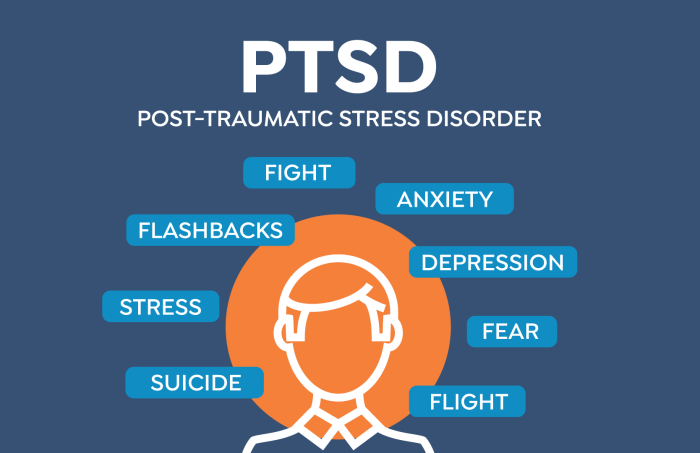
Trauma-informed care (TIC) is a framework that recognizes the pervasive impact of trauma on individuals and communities. It emphasizes understanding the effects of trauma and responding in ways that minimize further harm. This approach is crucial in the treatment of PTSD because it acknowledges the experiences and needs of those who have been traumatized. It goes beyond simply addressing symptoms; it seeks to heal the underlying trauma that caused them.Trauma-informed care is not simply a treatment method; it’s a fundamental shift in the way we approach individuals who have experienced trauma.
It prioritizes safety, trustworthiness, and empowerment, creating a therapeutic environment that fosters healing and resilience. By understanding and implementing the principles of TIC, mental health professionals can create a profound and lasting impact on the lives of those affected by trauma.
Principles of Trauma-Informed Care
Trauma-informed care is built upon several core principles. These principles guide providers in creating a supportive environment and tailoring treatment to meet individual needs. Understanding these principles is essential for effective PTSD treatment.
- Safety: Creating a physically and emotionally safe environment is paramount. This involves establishing clear boundaries, promoting trust, and ensuring that the client feels safe to disclose their experiences without fear of judgment or re-traumatization. Examples include having clear expectations for confidentiality, providing a structured and predictable environment, and ensuring physical safety in the therapy space.
- Trustworthiness and Transparency: Building trust requires consistent and predictable interactions. Open communication, honesty, and respect for the client’s autonomy are vital. Transparency about the treatment process, including its goals and limitations, fosters collaboration and empowers the client.
- Collaboration and Empowerment: Trauma-informed care recognizes the client’s expertise in their own healing journey. It emphasizes collaboration between the client and the provider, with the client playing an active role in their treatment plan. Empowerment strategies include providing choices whenever possible, supporting self-advocacy, and recognizing the client’s strengths and resilience.
- Cultural Humility: Recognizing and respecting the diverse cultural backgrounds and experiences of clients is crucial. Understanding the impact of cultural factors on trauma and healing is essential. This means incorporating cultural sensitivity into all aspects of treatment.
- Peer Support: Peer support groups can offer invaluable resources for those with PTSD. These groups provide a safe space for sharing experiences, learning coping mechanisms, and fostering a sense of community. These groups can empower clients and create a network of support outside the professional setting.
Creating a Safe and Supportive Environment
A safe and supportive environment is critical for effective PTSD treatment. This environment allows clients to feel comfortable sharing their experiences without fear of re-traumatization.
- Physical Safety: Ensure a comfortable, calm, and predictable physical environment. Minimize potential triggers. Establish clear procedures for handling distress.
- Emotional Safety: Foster a climate of empathy, respect, and understanding. Validate the client’s feelings and experiences. Demonstrate a commitment to confidentiality.
- Collaboration and Choice: Involve the client in the treatment process. Offer choices and options whenever possible. Recognize the client’s strengths and empower them to take an active role in their healing.
Understanding the Client’s History and Experiences
Understanding the client’s history and experiences is essential for tailoring treatment effectively. This involves careful listening and empathy.
- Thorough Assessment: Gather a comprehensive history of the client’s experiences, including the nature and impact of traumatic events.
- Cultural Sensitivity: Consider the client’s cultural background and how it might have influenced their experiences.
- Trauma-Specific Knowledge: Gain a deeper understanding of the types of trauma and their impact on the client.
Adapting Treatment Approaches
Treatment approaches must be adapted to meet the client’s specific needs and preferences.
- Individualized Treatment Plans: Create a treatment plan that addresses the client’s unique needs and goals.
- Flexibility and Patience: Be prepared to adjust the treatment plan as needed. Patience and understanding are crucial.
- Collaboration with the Client: Work collaboratively with the client to ensure that the treatment aligns with their preferences and values.
Treatment Modalities for Specific Populations
Tailoring PTSD treatment to specific populations, such as children, adolescents, and older adults, is crucial for optimal outcomes. Understanding the developmental stages, unique challenges, and cultural contexts of these groups is paramount to providing effective and compassionate care. This involves adapting therapeutic approaches to resonate with their individual needs and strengths. Recognizing the varying capacities for self-reflection, emotional regulation, and coping mechanisms across these demographics is essential.Addressing PTSD in diverse populations necessitates an awareness of cultural sensitivities and potential biases.
Therapists need to be culturally competent and sensitive to the specific experiences and beliefs of each individual. Furthermore, acknowledging the socioeconomic and environmental factors influencing their well-being is critical for comprehensive care. Cultural considerations should be woven into every aspect of the treatment plan, from the initial assessment to the ongoing therapeutic process.
Treatment Adaptations for Children
Children often express trauma differently than adults, exhibiting behavioral changes, difficulties in school, or regressive behaviors. Play therapy is a common and effective approach, allowing children to express their trauma through imaginative play. Trauma-focused Cognitive Behavioral Therapy (TF-CBT) is another valuable intervention, adapted for younger clients through age-appropriate language and activities. It helps children understand and manage their emotional responses, while also building coping mechanisms.
Art therapy and music therapy can also be particularly helpful, offering alternative channels for emotional expression. Family therapy is frequently incorporated, focusing on the family’s role in supporting the child’s healing.
Treatment Adaptations for Adolescents
Adolescents face unique developmental challenges, including identity formation, peer pressure, and risk-taking behaviors. Group therapy can be very effective, fostering a sense of community and shared experience. Cognitive Behavioral Therapy (CBT) can be adapted to address specific adolescent concerns, like social anxiety or relationship difficulties, alongside trauma-related issues. The integration of mindfulness and stress-reduction techniques can be particularly valuable in helping adolescents manage emotional dysregulation and develop healthy coping strategies.
It’s important to acknowledge the influence of peer relationships and social contexts in adolescent trauma recovery.
Treatment Adaptations for Older Adults
Older adults may experience PTSD differently, often presenting with physical health issues, cognitive changes, and social isolation. It is crucial to consider potential co-occurring medical conditions and their impact on treatment. Trauma-focused therapy can be adapted for older adults, employing strategies like reminiscence therapy and life review, which can help them process their experiences. Support groups tailored for older adults can be very beneficial, providing a safe space for sharing experiences and fostering a sense of community.
Treating PTSD often involves therapy, like Cognitive Processing Therapy, and sometimes medication. Understanding co-occurring conditions, like OCD and ADHD, is crucial for effective treatment. For example, a comprehensive assessment is vital to properly diagnose OCD and ADHD co-occurrence and diagnosis , ensuring the right strategies are implemented to address the underlying issues, leading to better outcomes in managing PTSD.
Different therapies and medication approaches may be needed when these conditions are present.
The importance of preserving their sense of independence and dignity should be a core principle throughout the treatment process.
Cultural Considerations in PTSD Treatment
Cultural beliefs and practices can significantly influence how individuals perceive and express trauma. Therapists should be mindful of cultural norms surrounding mental health, emotional expression, and seeking help. Cultural sensitivity is essential in selecting treatment approaches that are culturally appropriate and relevant. For instance, some cultures might emphasize the importance of family support and communal healing, requiring adaptations to the treatment plan to include these factors.
Utilizing culturally-competent therapists or incorporating cultural advisors can help ensure the treatment process resonates with the client’s background.
Table Summarizing Treatment Adaptations for Different Age Groups
| Age Group | Treatment Approach | Specific Interventions | Unique Challenges |
|---|---|---|---|
| Children | Play therapy, TF-CBT, Art/Music therapy | Age-appropriate language, engaging activities | Difficulty verbalizing trauma, behavioral changes |
| Adolescents | Group therapy, CBT, Mindfulness | Addressing peer influence, social concerns | Identity formation, risk-taking behaviors |
| Older Adults | Trauma-focused therapy, Reminiscence, Support groups | Considering co-occurring medical conditions | Physical health concerns, cognitive changes |
Integration of Treatment Approaches: How Ptsd Is Treated
Finding the right path to healing from PTSD is a deeply personal journey. It often requires a multifaceted approach, combining different strategies to address the diverse symptoms and challenges associated with the condition. Simply relying on one method may not be sufficient for optimal recovery, highlighting the importance of integrated treatment plans.Effective PTSD treatment rarely happens in isolation.
Combining various therapeutic modalities, like psychotherapy and medication, can significantly enhance the effectiveness of the treatment process. This approach allows for a more holistic and personalized treatment plan, catering to the unique needs of each individual. It recognizes that PTSD is a complex condition that can be addressed more comprehensively through a tailored combination of interventions.
Importance of Integrated Treatment
A multifaceted approach to PTSD treatment acknowledges the complexity of the condition. Trauma often affects multiple aspects of a person’s life, including their thoughts, emotions, behaviors, and physical health. Integrated treatment plans address these various facets, offering a more comprehensive and supportive approach to recovery. By combining therapies, individuals can experience a more profound and sustainable healing process.
Successful Combinations of Psychotherapy and Medication
Numerous studies and clinical experiences demonstrate the efficacy of combining psychotherapy with medication for PTSD treatment. Cognitive Behavioral Therapy (CBT) and medication, for example, have shown promising results in reducing symptoms like intrusive thoughts, flashbacks, and avoidance behaviors. Similarly, combining trauma-focused therapies like Eye Movement Desensitization and Reprocessing (EMDR) with selective serotonin reuptake inhibitors (SSRIs) can provide a powerful combination for symptom management.
These combined approaches provide targeted support for different aspects of the trauma response.
Developing a Personalized Treatment Plan
A personalized treatment plan is crucial for optimal outcomes in PTSD treatment. This plan should be tailored to the individual’s specific needs, symptoms, and preferences. It involves careful consideration of the individual’s history, current circumstances, and goals for treatment. A collaborative approach, involving the patient, therapist, and medical professionals, is essential in developing a plan that aligns with the patient’s unique needs.
Steps in Coordinating Care
The process of coordinating care between therapists and medical professionals is crucial for a successful treatment outcome. It requires open communication, shared understanding of the patient’s condition, and a commitment to collaboration.
- Initial Consultation: The process begins with a comprehensive initial consultation involving the patient, therapist, and medical professional. This allows for a thorough assessment of the patient’s needs and preferences.
- Shared Understanding: Therapists and medical professionals must establish a shared understanding of the patient’s diagnosis, symptoms, and treatment goals. This includes discussing any existing conditions or potential interactions between treatments.
- Regular Communication: Open communication channels are essential throughout the treatment process. Regular meetings and updates between the therapist and medical professional ensure adjustments to the treatment plan as needed.
- Collaboration on Treatment Plan: The therapist and medical professional work collaboratively to develop a personalized treatment plan, balancing psychotherapy and medication, as appropriate.
- Regular Monitoring and Evaluation: Regular monitoring of the patient’s progress is crucial. This involves assessing symptom reduction, medication effectiveness, and overall well-being. Adjustments to the treatment plan are made as necessary based on these evaluations.
Flowchart: Developing a Personalized Treatment Plan
The following flowchart illustrates the process of developing a personalized treatment plan for PTSD.
| Step | Action |
|---|---|
| 1 | Initial Consultation (Patient, Therapist, Medical Professional) |
| 2 | Assessment of Patient Needs & Preferences |
| 3 | Shared Understanding of Diagnosis, Symptoms, Goals |
| 4 | Development of Personalized Treatment Plan (Psychotherapy & Medication, if appropriate) |
| 5 | Regular Communication & Updates |
| 6 | Regular Monitoring of Progress |
| 7 | Adjustment of Treatment Plan (as needed) |
Addressing Co-occurring Conditions
Often, individuals experiencing PTSD grapple with additional mental health challenges. These co-occurring conditions, such as depression and anxiety, significantly impact the course and treatment of PTSD. Recognizing and addressing these intertwined issues is crucial for effective and comprehensive care. Understanding the interplay between these conditions allows for a more nuanced approach to treatment.
Common Co-occurring Conditions with PTSD
Co-occurring conditions frequently accompany PTSD, significantly impacting the individual’s overall well-being and treatment response. Depression and anxiety are prominent examples, but others, such as substance use disorders, chronic pain, and personality disorders, may also coexist. These co-occurring conditions can exacerbate PTSD symptoms, making treatment more challenging. For example, depressive symptoms can increase feelings of hopelessness and isolation, while anxiety can intensify hypervigilance and flashbacks.
This interconnectedness demands a multifaceted approach to care.
Impact on PTSD Treatment
The presence of co-occurring conditions significantly alters the treatment landscape for PTSD. Symptoms of co-occurring conditions can mask or mimic PTSD symptoms, leading to misdiagnosis or delayed intervention. For instance, fatigue associated with depression might be misinterpreted as a PTSD symptom. Additionally, the presence of multiple conditions can complicate the therapeutic process, requiring a more tailored and integrated approach to treatment.
The increased emotional distress can hinder the individual’s ability to engage fully in therapy, impacting progress and potentially prolonging recovery time.
Strategies for Addressing Co-occurring Conditions
A comprehensive treatment plan for PTSD should incorporate strategies that address both PTSD and co-occurring conditions. Psychotherapy plays a crucial role in addressing the underlying trauma and co-occurring conditions. Cognitive Behavioral Therapy (CBT) can help modify negative thought patterns related to both PTSD and co-occurring conditions. Similarly, Dialectical Behavior Therapy (DBT) can help regulate emotions and improve interpersonal skills.
Medication, often in conjunction with therapy, may be necessary to manage symptoms of co-occurring conditions.
Importance of Comprehensive Assessments
Thorough assessments are essential to accurately identify and address both PTSD and co-occurring conditions. This involves a detailed history of symptoms, including the onset, duration, and severity of both PTSD and co-occurring conditions. Assessments should consider potential contributing factors, such as substance use, medical conditions, and environmental stressors. A multidisciplinary approach, involving psychologists, psychiatrists, and other healthcare professionals, is often necessary to gather a comprehensive understanding of the individual’s needs.
This holistic perspective ensures that the treatment plan is tailored to address the specific needs of the individual.
Table of Common Co-occurring Conditions and Treatment Strategies
| Co-occurring Condition | Potential Impact on PTSD Treatment | Treatment Strategies |
|---|---|---|
| Depression | Can intensify feelings of hopelessness and isolation, potentially masking or mimicking PTSD symptoms. | CBT, DBT, antidepressant medication, support groups. |
| Anxiety (Generalized Anxiety Disorder, Panic Disorder) | Can exacerbate hypervigilance and flashbacks, making it difficult to engage in therapy. | CBT, exposure therapy, relaxation techniques, anti-anxiety medication. |
| Substance Use Disorder | Can worsen PTSD symptoms and interfere with treatment engagement. May be a coping mechanism for trauma. | Medication-assisted treatment, therapy focused on trauma and substance use, support groups. |
| Chronic Pain | Can create additional stress and exacerbate PTSD symptoms. | Pain management techniques, CBT, mindfulness-based stress reduction. |
| Personality Disorders | Can complicate treatment by impacting relationships and coping mechanisms. | Therapy tailored to the specific personality disorder, interpersonal skills training. |
Long-Term Management and Prevention
Navigating the long-term journey with PTSD requires a multifaceted approach that extends beyond initial treatment. Sustained support, proactive strategies, and a commitment to ongoing well-being are crucial for managing symptoms effectively and preventing future trauma. This phase involves building resilience, fostering healthy coping mechanisms, and creating a supportive network to ensure long-term stability.
Strategies for Long-Term Symptom Management
Effective long-term management of PTSD symptoms involves a combination of proactive strategies and consistent support. Regular engagement in trauma-informed therapies, such as Cognitive Processing Therapy (CPT) or Eye Movement Desensitization and Reprocessing (EMDR), can be beneficial for maintaining progress and preventing symptom resurgence. This approach addresses the root causes of trauma and helps individuals develop healthier coping mechanisms.
Developing healthy lifestyle choices, including adequate sleep, balanced nutrition, and regular exercise, also play a crucial role in mitigating PTSD symptoms.
Importance of Ongoing Support and Follow-up
Ongoing support is paramount in long-term PTSD management. Regular check-ins with therapists or counselors provide a safe space for addressing emerging challenges, adjusting treatment strategies, and reinforcing coping mechanisms. This consistent follow-up allows for early identification of potential symptom exacerbations and prompt intervention. This ongoing support network helps to prevent isolation and promote a sense of connection and understanding.
Strategies for Preventing Future Trauma
Preventing future trauma involves a proactive approach to building resilience and self-care. Developing a robust support system and practicing stress-reducing techniques are essential. Recognizing and avoiding potentially triggering situations, while developing effective strategies for managing stress and emotional responses, can significantly reduce the risk of future trauma. Learning to identify personal triggers and developing coping strategies are crucial.
Resources for Ongoing Support After Treatment
Accessing ongoing support after treatment is vital for maintaining stability and preventing relapse. Therapists can often recommend resources tailored to individual needs, providing access to peer support groups, community centers, and online forums. Maintaining a supportive network, including family, friends, and trusted mentors, is critical in long-term management.
Support Groups and Self-Help Resources
A supportive community plays a significant role in long-term PTSD recovery.
- Veteran Support Groups: These groups provide a platform for veterans to share experiences, receive encouragement, and access valuable resources related to PTSD. Support groups often offer structured meetings and peer-led activities, providing a sense of belonging and shared understanding.
- Online Forums and Communities: Numerous online forums and communities cater to individuals experiencing PTSD. These platforms offer a safe space for sharing experiences, seeking advice, and connecting with others facing similar challenges. The anonymity and accessibility of online communities are often beneficial.
- Self-Help Books and Workbooks: Numerous self-help books and workbooks offer practical strategies for managing PTSD symptoms. These resources can provide valuable tools and information for developing coping mechanisms and building resilience. This allows for flexibility and convenience in accessing information.
Conclusion
In conclusion, treating PTSD requires a multifaceted approach, acknowledging the individual’s unique experiences and needs. From psychotherapy to medication and holistic therapies, a tailored plan, often incorporating trauma-informed care, is key. Remember that seeking professional help is a sign of strength, and continued support, both during and after treatment, is crucial for long-term well-being. This exploration underscores the importance of a comprehensive and individualized strategy for effective PTSD management.