


How long does it take to build muscle? This isn’t a simple question, as the timeframe depends on various factors. From understanding the biological processes behind muscle growth to tailoring training regimens and nutrition plans, this guide dives deep into the complexities of building muscle, exploring everything from the initial stages of muscle development to achieving sustainable results.
We’ll cover everything from defining muscle growth and the different types of muscle fibers to the importance of nutrition, rest, and recovery. Understanding individual variation in muscle growth and common mistakes is crucial for success. Ultimately, we’ll equip you with the knowledge and strategies to make informed decisions about your fitness journey, fostering realistic expectations and a sustainable approach to building muscle.
Defining Muscle Growth
Muscle growth, scientifically known as muscle hypertrophy, is a complex process involving the increase in the size of muscle fibers. This growth isn’t just about getting bigger; it’s about adapting to the demands placed on the muscles, making them stronger and more resilient. Understanding the biological mechanisms behind this process is crucial for anyone looking to maximize their training efforts.Muscle hypertrophy is driven by a series of intricate biological processes.
The most fundamental aspect is the stimulation of muscle protein synthesis, exceeding the rate of muscle protein breakdown. This delicate balance, influenced by factors ranging from genetics to training intensity, dictates the rate of muscle growth.
Muscle Hypertrophy: The Biological Processes
Muscle hypertrophy is a multi-faceted process, starting with muscle fiber stimulation during exercise. This stimulation triggers a cascade of cellular events that ultimately lead to increased muscle size. The process involves an increase in the size of existing muscle fibers, rather than the creation of new muscle fibers (hyperplasia), although this can occur to a limited extent.
Protein Synthesis in Muscle Growth
Protein synthesis is the cornerstone of muscle growth. It’s the process where the body builds new proteins, including muscle proteins, from amino acids. Intense resistance training stimulates muscle damage and signals the body to increase protein synthesis, leading to the repair and growth of muscle tissue. A sufficient intake of protein, particularly essential amino acids, is essential to fuel this process.
Protein synthesis is the process where the body builds new proteins, including muscle proteins, from amino acids.
Muscle Fiber Types and Growth
Skeletal muscles are composed of different fiber types, each with unique characteristics impacting their growth response. Fast-twitch fibers, or type II fibers, are primarily responsible for power and speed. They tend to hypertrophy more readily with explosive exercises. Slow-twitch fibers, or type I fibers, are crucial for endurance activities. They are more resistant to hypertrophy but can still adapt with appropriate training.
Intermediate fibers, or type IIa, have characteristics of both fast and slow-twitch fibers, and can adapt to both types of training.
Building muscle takes time, and it’s not a sprint. It’s a marathon, and consistency is key. Factors like genetics, diet, and training frequency all play a role in how quickly you see results. Finding the right balance in your training regimen, coupled with understanding how to increase estrogen levels, can be a helpful part of the process.
how to increase estrogen can influence your overall hormonal health, which can indirectly impact muscle growth. Ultimately, it’s a journey, not a destination, and patience is key to seeing lasting results. So, get started, and keep pushing!
Factors Affecting Muscle Growth
Understanding the multitude of factors affecting muscle growth is key to optimizing training programs.
| Factor | Description | Impact on Growth | Example |
|---|---|---|---|
| Training Volume | The total amount of work performed during a workout. | Higher volume can stimulate greater muscle growth, provided adequate recovery. | Performing 3 sets of 10-12 repetitions of an exercise. |
| Training Intensity | The difficulty or stress placed on the muscles during training. | Sufficient intensity is needed to trigger muscle adaptation and growth. | Lifting weights at a heavy percentage of one’s maximum. |
| Nutrition | The intake of macronutrients (protein, carbohydrates, and fats) and micronutrients. | Adequate protein intake is crucial for providing the building blocks for muscle protein synthesis. | Consuming a diet rich in protein and essential nutrients. |
| Genetics | An individual’s inherent predisposition to muscle growth. | Genetic factors can influence the rate and extent of muscle growth. | Natural predisposition to muscle hypertrophy or strength. |
| Rest and Recovery | Sufficient time allowed for muscle repair and growth after exercise. | Adequate rest and recovery are essential for muscle adaptation and growth. | Allowing 48-72 hours of rest between workouts targeting the same muscle groups. |
Training Regimens for Muscle Growth
Unlocking your body’s potential for muscle growth requires a structured approach that goes beyond casual exercise. This involves understanding different training styles, the importance of progressive overload, and the crucial role of rest and recovery. This guide provides a framework for designing effective training regimens tailored to specific muscle groups, ensuring you maximize your gains and avoid common pitfalls.Effective muscle growth isn’t a mystery; it’s a science-backed process.
By focusing on the right training techniques and consistently applying them, you can see significant results. This section will delve into the practical application of various training methods and illustrate how to apply them effectively.
Sample Chest Workout Program
This program is designed for building chest muscle mass through compound and isolation exercises. It’s crucial to prioritize proper form over lifting heavy weights to prevent injuries.
- Warm-up (5-10 minutes): Light cardio like jogging or jumping jacks, followed by dynamic stretching like arm circles and chest stretches.
- Compound Exercise (Bench Press): 3 sets of 8-12 repetitions. Focus on a controlled movement, ensuring proper form to target the entire chest.
- Isolation Exercise (Incline Dumbbell Press): 3 sets of 10-15 repetitions. This targets the upper chest, offering a different angle of stimulation.
- Isolation Exercise (Decline Dumbbell Press): 3 sets of 10-15 repetitions. This targets the lower chest, complementing the other exercises.
- Isolation Exercise (Cable Flyes): 3 sets of 12-15 repetitions. Cable flyes are ideal for isolating the chest muscles and promoting muscle growth.
- Cool-down (5-10 minutes): Static stretching, holding each stretch for 20-30 seconds, focusing on the chest, shoulders, and triceps.
Comparison of Training Styles
Different training styles cater to various goals. Hypertrophy training, for example, prioritizes muscle growth, while strength training emphasizes maximal force production.
- Hypertrophy Training: This style focuses on building muscle size. It typically involves moderate weights with higher repetitions (8-12 reps), emphasizing multiple sets to maximize muscle fatigue. A key component is controlled movements to maximize muscle activation.
- Strength Training: This style aims to increase maximal strength. It involves lifting heavy weights with fewer repetitions (1-5 reps) and lower sets. This type of training often focuses on compound exercises, which involve multiple muscle groups.
Progressive Overload
Progressive overload is essential for muscle growth. It involves gradually increasing the training stimulus over time, whether through heavier weights, more sets, more reps, or shorter rest periods between sets. This forces the muscles to adapt and grow stronger.
Progressive overload is a fundamental principle in strength training. It is the gradual increase in the stress placed on the muscles, forcing them to adapt and grow stronger.
Rest and Recovery
Adequate rest and recovery are critical for muscle growth. Muscles repair and rebuild during rest periods. Insufficient rest can hinder progress and increase the risk of injury. Aim for 7-9 hours of sleep each night to support optimal recovery.
Training Splits
A training split Artikels which muscle groups you train on which days. A well-structured split ensures adequate rest and allows for focused work on each muscle group.
| Muscle Group | Day of the Week | Exercises | Sets/Reps |
|---|---|---|---|
| Chest | Monday | Bench Press, Incline Dumbbell Press, Decline Dumbbell Press, Cable Flyes | 3 sets of 8-12 reps |
| Back | Tuesday | Pull-ups, Barbell Rows, Lat Pulldowns, Seated Cable Rows | 3 sets of 8-12 reps |
| Legs | Wednesday | Squats, Leg Press, Leg Extensions, Hamstring Curls | 3 sets of 8-12 reps |
| Shoulders | Thursday | Overhead Press, Lateral Raises, Front Raises, Rear Delt Raises | 3 sets of 8-12 reps |
| Arms (Biceps/Triceps) | Friday | Barbell Curls, Hammer Curls, Triceps Pushdowns, Overhead Triceps Extensions | 3 sets of 10-15 reps |
| Rest | Saturday & Sunday | Rest and Active Recovery (light cardio, stretching) | N/A |
Nutrition for Muscle Building
Fueling your body with the right nutrients is crucial for building muscle. Just as a car needs the right fuel to run efficiently, your body needs the right nutrients to build and repair muscle tissue after workouts. Proper nutrition plays a pivotal role in maximizing your training efforts and achieving your muscle-building goals.Understanding the importance of each macronutrient—protein, carbohydrates, and fats—is essential for optimizing your diet and supporting your fitness journey.
The right balance of these nutrients will not only help you gain muscle but also maintain overall health and well-being.
Protein Intake for Muscle Growth
Protein is the cornerstone of muscle growth. It provides the building blocks, known as amino acids, necessary for repairing and rebuilding muscle tissue damaged during workouts. Consuming sufficient protein supports muscle protein synthesis, the process by which your body creates new muscle. A high protein intake is vital for maximizing gains in strength and size.
Sample Daily Meal Plan for Muscle Building
This sample meal plan provides a balanced approach to nutrition, focusing on protein sources, complex carbohydrates, and healthy fats. It’s important to adjust portion sizes based on your individual caloric needs and activity levels. This is just a template, and you should consult with a registered dietitian or nutritionist for personalized advice.
- Breakfast (approx. 400 calories): Oatmeal with protein powder, berries, and nuts; Greek yogurt with fruit and granola.
- Lunch (approx. 500 calories): Grilled chicken breast salad with mixed greens, quinoa, and a light vinaigrette; lentil soup with whole-wheat bread.
- Dinner (approx. 600 calories): Baked salmon with roasted vegetables (broccoli, carrots, sweet potatoes); lean beef stir-fry with brown rice.
- Snacks (approx. 200-300 calories per snack): Protein shake with fruit; hard-boiled eggs; cottage cheese with vegetables; Greek yogurt with granola.
Carbohydrates and Fats in Muscle Growth
Carbohydrates provide energy for workouts and daily activities. Complex carbohydrates, such as whole grains, fruits, and vegetables, are preferable to simple sugars for sustained energy release. Healthy fats, like those found in avocados, nuts, and olive oil, are essential for hormone production and overall health, playing a role in muscle function. Adequate carbohydrate and fat intake supports energy levels during workouts and recovery.
Importance of Hydration for Muscle Performance
Staying hydrated is critical for optimal muscle function. Water is involved in numerous bodily processes, including transporting nutrients, regulating temperature, and lubricating joints. Proper hydration is essential for muscle performance and recovery. Dehydration can lead to fatigue, decreased strength, and reduced exercise capacity. Aim for consistent water intake throughout the day, especially before, during, and after workouts.
Macronutrient Ratios for Muscle Growth
The ideal macronutrient ratios for muscle growth vary depending on individual factors, such as activity level, body composition goals, and overall health. However, a general guideline for a balanced approach is presented below.
| Macronutrient | Percentage | Function | Example Foods |
|---|---|---|---|
| Protein | 30-40% | Provides amino acids for muscle repair and growth. | Lean meats, poultry, fish, eggs, dairy, beans, lentils |
| Carbohydrates | 40-50% | Provides energy for workouts and daily activities. | Whole grains, fruits, vegetables, legumes |
| Fats | 20-30% | Essential for hormone production, cell function, and overall health. | Avocado, nuts, seeds, olive oil, fatty fish |
Individual Variation in Muscle Growth

Building muscle is a journey, not a sprint. While consistent effort and proper training are crucial, the rate at which individuals see results varies significantly. This difference stems from a complex interplay of factors, including genetics, age, gender, and even the individual’s overall health. Understanding these variables is key to tailoring a plan that optimizes your potential for muscle growth.Individual responses to training are not uniform.
Some people seem to gain muscle mass more easily than others, even with similar training routines. This difference highlights the significance of acknowledging individual variations and adjusting strategies accordingly. This section will delve into the factors influencing muscle growth rates and explore strategies for optimizing your personal growth trajectory.
Factors Influencing Muscle Growth Rate
Several factors influence the rate of muscle growth. Understanding these factors helps individuals tailor their training and nutrition plans to maximize their potential.
- Genetics play a substantial role in determining muscle-building capacity. Some individuals possess genetic predispositions that favor muscle growth, leading to faster gains. Factors like fiber type distribution and hormonal responses are genetically influenced and can significantly impact the rate of muscle growth. For example, individuals with a higher percentage of fast-twitch muscle fibers might find it easier to develop strength and muscle size compared to those with a higher proportion of slow-twitch fibers.
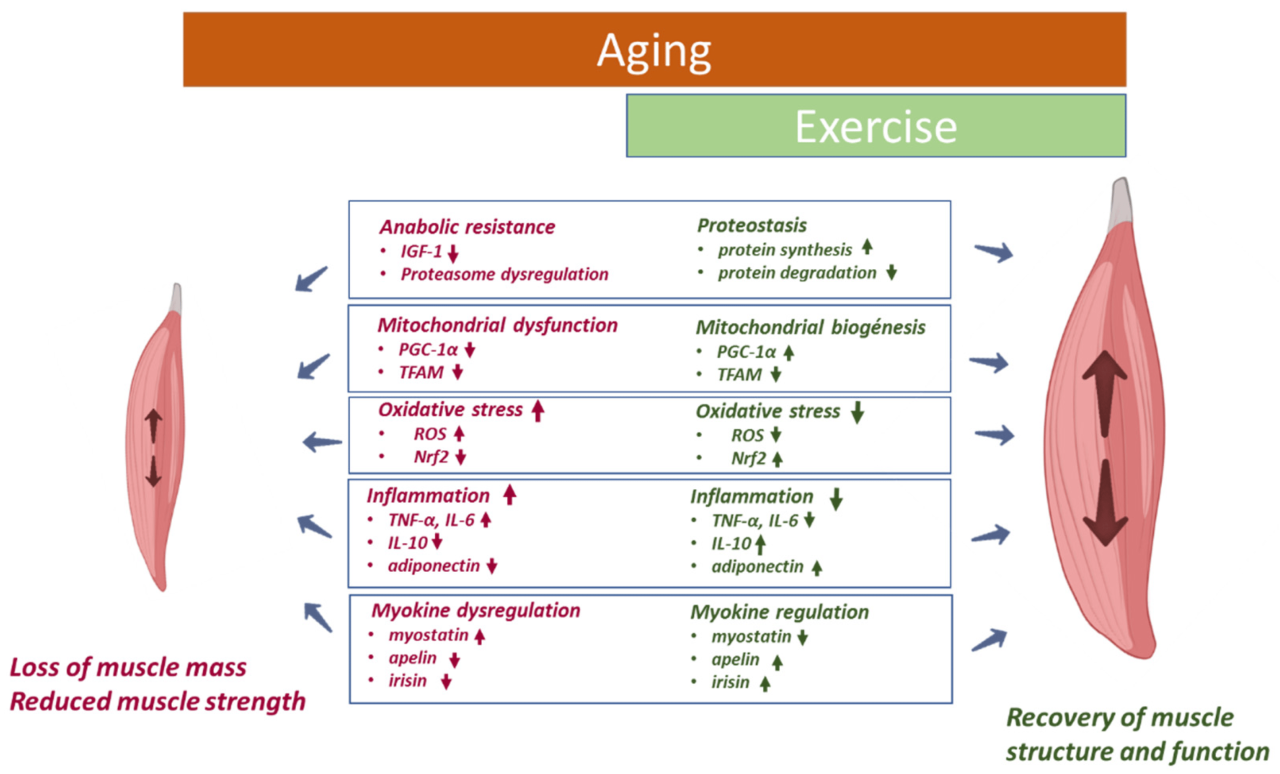
- Age significantly impacts muscle growth. Muscle tissue repair and protein synthesis are less efficient in older individuals, potentially slowing down the rate of muscle growth. Furthermore, hormonal changes associated with aging can also affect muscle building capacity. While age can affect muscle growth, consistent training and nutrition can still yield positive results at any age.
- Gender differences also influence muscle growth. Men typically have higher levels of testosterone, a hormone crucial for muscle protein synthesis. This often leads to faster and greater muscle growth compared to women. However, women can still achieve significant muscle growth with appropriate training and nutrition strategies. Focus on strength training, combined with a tailored nutritional plan, can yield noticeable results in women as well.
- Training intensity directly affects muscle growth. A high-intensity workout stimulates muscle protein synthesis more effectively. However, it is essential to avoid overtraining, which can lead to muscle breakdown instead of growth. Finding the right balance is crucial.
Comparing Muscle Growth in Different Individuals
Different individuals respond differently to the same training regimen. Consistency and adherence to the training program are crucial.
- Consistency in training and nutrition is essential for consistent muscle growth. Regular workouts and a well-planned diet are crucial to maximizing muscle protein synthesis and minimizing muscle breakdown. Consistency, therefore, is key to optimizing growth.
Individual Variation in Muscle Growth Responses
| Individual Characteristics | Training Regimen | Nutritional Habits | Growth Results |
|---|---|---|---|
| Young male, naturally lean build, high activity level | High-intensity weight training 3-4 times per week, focusing on compound exercises | Balanced diet with sufficient protein intake (1.6-2.2 g/kg body weight), adequate calorie intake | Significant muscle growth and strength gains within 3-6 months |
| Older female, maintaining a healthy weight, moderate activity level | Moderate-intensity weight training 2-3 times per week, incorporating bodyweight exercises and functional training | Balanced diet with adequate protein intake (1.2-1.6 g/kg body weight), mindful portion control | Improved muscle tone and strength, increased metabolic rate, and better overall fitness within 6-9 months |
| Teenager, active lifestyle, slightly overweight | Combination of weight training, cardio, and core exercises 3-4 times per week, gradually increasing intensity | Balanced diet with sufficient protein and complex carbohydrates, portion control | Muscle growth, improved body composition, and overall fitness, with a gradual increase in strength and size over a period of 6-12 months |
Timeframes and Expectations
Building muscle takes time and dedication. It’s not a quick fix, but a journey of consistent effort, proper nutrition, and intelligent training. Understanding the typical timeframe and realistic expectations is crucial for maintaining motivation and avoiding disappointment. The process is influenced by various factors, and patience is key to achieving sustainable results.Realistic muscle growth isn’t about overnight transformations.
Building muscle takes time, and it’s not a sprint, but a marathon. It depends on many factors, like your genetics, training intensity, and diet. Understanding the nuances of different medications like lansoprazole vs omeprazole, for instance, lansoprazole vs omeprazole what s the difference , can impact your overall health, which in turn affects your ability to recover and build muscle.
Ultimately, consistent effort and a holistic approach are key to seeing results.
It’s about gradual progress, a testament to your commitment and dedication to a healthy lifestyle. The pace of muscle development varies significantly from individual to individual, based on genetics, training history, nutrition, and recovery.
Building muscle takes time, and the process varies greatly depending on factors like genetics and training intensity. While some see results relatively quickly, others need more consistent effort. Interestingly, understanding the different ways OCD manifests, like different types of ocd , can provide valuable insights into the power of perseverance. Ultimately, a dedication to a healthy routine, whether it’s working out or managing mental health, is key to seeing lasting results.
Typical Timeframes for Noticeable Growth
Muscle growth is a gradual process, not a sudden event. While some individuals may see minor changes within a few weeks, significant, noticeable growth typically takes several months. The timeframe is greatly influenced by the factors discussed previously. Consistent effort over time is the key to achieving visible gains. For instance, someone consistently following a tailored program may notice measurable increases in muscle mass after three months, but it could take up to six months or more for significant, noticeable changes to be apparent to others.
Realistic Expectations for Muscle Growth
Muscle growth varies greatly depending on factors like training history, diet, genetics, and overall health. A realistic expectation is to focus on gradual progress rather than expecting dramatic changes in a short period. Focus on the journey, not the destination. Individuals with a strong training background may see noticeable growth more rapidly compared to beginners. A realistic expectation would be a measurable increase in strength and muscle size over several months, rather than dramatic results in a few weeks.
The emphasis should be on progress, not perfection.
Factors Influencing Muscle Growth Rate
Several factors influence the rate at which muscles grow. Genetics play a significant role, determining factors like muscle fiber type and recovery capacity. Training consistency and intensity are paramount. Proper nutrition, encompassing adequate protein intake, and adequate calorie consumption are crucial for providing the building blocks and energy for muscle growth. Adequate rest and recovery are vital.
Muscle growth occurs during recovery, not during the workout. The overall health and well-being of the individual also contribute. Factors like stress levels and sleep quality can significantly impact muscle growth. For instance, an individual with a consistent training program, a well-balanced diet, and sufficient sleep will likely see muscle growth at a faster rate compared to someone who is stressed, undernourished, or sleep-deprived.
The Importance of Patience and Consistency, How long does it take to build muscle
Patience and consistency are crucial for sustainable muscle growth. The process is not a sprint; it’s a marathon. Quick fixes rarely yield long-term results. Maintaining a consistent workout routine, adhering to a nutritious diet, and prioritizing recovery are essential. Consistency is the foundation for achieving lasting results.
For example, a dedicated athlete who consistently follows a training plan and maintains a balanced diet is more likely to see noticeable muscle growth over time.
Chart Illustrating Training Duration and Muscle Growth
| Training Duration | Muscle Growth Rate | Nutritional Factors | Results |
|---|---|---|---|
| First 3 months | Initial strength and size gains | Proper protein intake and calorie consumption | Increased strength, minor muscle definition |
| 3-6 months | More noticeable gains in strength and muscle size | Calorie surplus, tailored macronutrient intake | Significant strength increase, improved muscle definition |
| 6-12 months | Significant muscle growth and improved physique | Continued focus on nutrition and progressive overload | Well-defined muscles, increased strength and endurance |
| 1+ year | Continued growth, refinements to physique | Optimized nutrition, specialized training techniques | Enhanced muscle density, advanced physique, peak performance |
Common Mistakes and Misconceptions: How Long Does It Take To Build Muscle
Building muscle takes dedication, and unfortunately, many fall prey to common pitfalls and misinformation. This section debunks myths and highlights the most frequent errors to help you stay on track and avoid wasting time and effort. Understanding these common mistakes is crucial for developing a realistic and effective muscle-building plan.
Common Training Mistakes
Consistent, progressive overload is key to muscle growth. Rushing the process or neglecting proper form can hinder progress and potentially lead to injury. Insufficient rest and recovery are also detrimental, as muscles need time to repair and rebuild. Failing to listen to your body and pushing through pain can lead to setbacks.
Common Nutritional Errors
Nutrition plays a pivotal role in muscle growth. Simply consuming more calories isn’t enough; the quality of those calories matters. Focusing on nutrient timing and consuming enough protein are critical. Ignoring adequate hydration, or assuming that supplements will magically compensate for poor dietary choices, can also lead to slower or stalled results.
Common Misconceptions About Muscle Growth
Understanding the realities of muscle growth is essential for long-term success. Many myths surround the process, leading to frustration and wasted effort. Recognizing these misconceptions can help you focus on the correct strategies for achieving your goals.
| Misconception | Explanation | Reality | Advice |
|---|---|---|---|
| Muscle growth happens quickly and easily. | Many believe that significant muscle gains are achievable within a short period with minimal effort. | Muscle growth is a gradual process requiring consistent effort and time. Genetic predisposition and training intensity play significant roles. | Set realistic goals and be patient. Focus on consistent training and proper nutrition. |
| Lifting heavy weights is the only way to build muscle. | Some believe that light weights are ineffective for muscle growth. | A combination of weight training, including both heavy and moderate weight lifting, and proper nutrition, is essential. Variety in exercise is crucial. | Experiment with different rep ranges and exercise types to find what works best for you. |
| Supplements are necessary for muscle growth. | Many believe that supplements are essential for building muscle. | Supplements can support, but they don’t replace a balanced diet and effective training regimen. A good diet is paramount. | Prioritize whole foods and focus on a balanced diet before considering supplements. |
| Muscle growth is solely dependent on genetics. | Some believe that genetics dictate the potential for muscle growth. | While genetics play a role, training and nutrition significantly influence the results. Dedication and consistency are critical. | Embrace a comprehensive approach to training and nutrition, and work with a professional to tailor a plan to your specific needs and genetic predisposition. |
Seeking Professional Guidance
A qualified fitness professional can provide personalized guidance and create a tailored plan for optimal muscle growth. They can help you design a safe and effective training regimen, and assess your nutritional needs.
Measuring Progress and Adapting Strategies
Staying motivated and seeing results are crucial for long-term muscle growth. Tracking progress allows you to identify what’s working and what needs adjustment, ensuring you’re on the right path. Regular monitoring, combined with thoughtful program modifications, maximizes your potential and minimizes wasted effort.Understanding how to effectively measure your progress and adapt your strategies is essential for consistent muscle growth.
This involves accurately assessing your progress, understanding the effectiveness of your current approach, and making necessary modifications to optimize your results. This process is iterative, requiring continuous evaluation and adjustment.
Tracking Muscle Growth
Monitoring your progress is vital for identifying what works and what doesn’t. This allows for strategic adjustments to optimize your training and nutrition plan. Various methods can be used to track muscle growth, from simple measurements to more comprehensive photographic documentation.
- Measurements: Regularly measuring key areas like chest, arms, and thighs can provide quantitative data on gains. Using a measuring tape, take consistent measurements at the same time each week or month, recording the figures. Consistency in technique is paramount. Keep track of these measurements in a logbook or spreadsheet. This data allows for precise analysis of growth patterns.
- Photography: Taking progress photos is an excellent way to visualize changes over time. Maintain consistent lighting and posture in your photos. Take the pictures from the same angle, and ideally in the same environment, to ensure accurate comparison. A significant advantage is that photos offer a visual record of overall body composition changes.
- Body Composition Analysis: Tools like calipers or DEXA scans can measure body fat percentage and lean body mass. This data provides a more comprehensive understanding of your progress beyond just muscle size. While calipers can be less precise, they’re often more accessible than DEXA scans. DEXA scans, while more expensive, offer precise measurements of bone density, fat mass, and lean body mass, providing a detailed assessment of your overall body composition.
Adjusting Training and Nutrition
Adapting your training and nutrition plan is crucial to achieve optimal results. As your body adapts, your current plan may not be as effective. Continuous adjustments are essential for continued progress.
- Assessing Training Program Effectiveness: Track your performance in each exercise, noting improvements or plateaus. Consider factors like sets, reps, and weight lifted. If you’re consistently hitting your goals in a workout, then the program is performing as expected. However, if you consistently fail to achieve your target reps, or you’re noticing a lack of improvement in your performance over time, it’s time to adjust.
- Modifying the Program: If you’ve hit a plateau, consider adjusting the intensity, volume, or frequency of your workouts. Adding more weight, increasing reps, or incorporating different exercises can stimulate further muscle growth. Consider implementing periodization strategies to alternate training phases and avoid overtraining.
- Nutrition Adjustments: Monitoring your nutrition is equally important. Track your calorie intake and macro-nutrient ratios (protein, carbohydrates, and fats). Adjusting your nutrition can help with faster recovery, increased energy, and better support for muscle growth. If your nutrition isn’t aligned with your training goals, it can negatively impact your progress.
Measuring Muscle Growth Methods
Various methods provide insight into muscle growth.
| Method | Description | Pros | Cons |
|---|---|---|---|
| Measurements (Tape Measure) | Precisely measuring specific body parts. | Provides quantifiable data, relatively inexpensive. | Can be inaccurate if not done consistently. Doesn’t account for body fat changes. |
| Photography | Visual tracking of muscle development. | Visually demonstrates progress, relatively inexpensive. | Subjective, requires consistent lighting and angle. |
| Body Composition Analysis (Calipers) | Measures body fat percentage and lean body mass. | Provides a comprehensive picture of progress, estimates lean muscle gain. | Less accurate than DEXA scans, requires practice and precision. |
| Body Composition Analysis (DEXA Scan) | Precise measurement of body composition using X-rays. | Most accurate method, detailed body composition analysis. | Expensive, requires specialized equipment and personnel. |
Epilogue
In conclusion, building muscle is a multifaceted process requiring dedication, consistency, and a tailored approach. While there’s no magic bullet, this comprehensive guide provides a roadmap to achieving your goals. Remember, consistency, patience, and understanding your body’s unique responses are key. By implementing the strategies Artikeld here, you can significantly increase your chances of building muscle successfully and sustainably.
The journey might not always be linear, but with the right knowledge and a committed mindset, you’ll be well on your way to achieving your desired physique.