


Ankylosing spondylitis and covid 19 – Ankylosing spondylitis and COVID-19: A deep dive into the potential interactions and impacts of these two conditions. This exploration delves into the intricacies of Ankylosing Spondylitis (AS), highlighting its chronic nature and potential long-term consequences. It also examines the SARS-CoV-2 virus and its impact, discussing the typical presentation of COVID-19, and exploring potential long-term health effects. Crucially, this discussion addresses the possible interplay between AS and COVID-19, the influence of AS treatments on COVID-19 infection, and the potential complications from their concurrent presence.
Understanding how these conditions might affect treatment strategies, research findings, patient management, and public health implications is essential. This article will explore the current research, examining methodologies, outcomes, and published findings. It also touches upon patient management strategies, highlighting the importance of early diagnosis and monitoring, along with recommendations for lifestyle adjustments. Finally, it discusses the public health implications, risk factors, and protective measures for vulnerable populations.
Overview of Ankylosing Spondylitis (AS)

Ankylosing spondylitis (AS) is a chronic inflammatory condition primarily affecting the spine and sacroiliac joints. Characterized by persistent pain, stiffness, and inflammation, it can significantly impact a person’s mobility and quality of life. Understanding its progression, symptoms, and potential long-term consequences is crucial for effective management and support.This condition is often insidious in its onset, gradually progressing over time.
Early symptoms can be subtle, making diagnosis challenging. However, early intervention and appropriate management strategies can help individuals with AS maintain their functional capacity and overall well-being.
Key Characteristics of Ankylosing Spondylitis
Ankylosing spondylitis is a type of arthritis that primarily affects the spine and sacroiliac joints. The inflammatory process leads to stiffness, pain, and eventually, in some cases, fusion of the affected joints. This fusion, known as ankylosis, can cause significant structural changes and limitations in movement. It’s important to note that AS is not limited to the spine; it can also affect other parts of the body, though less frequently.
Typical Progression and Symptoms
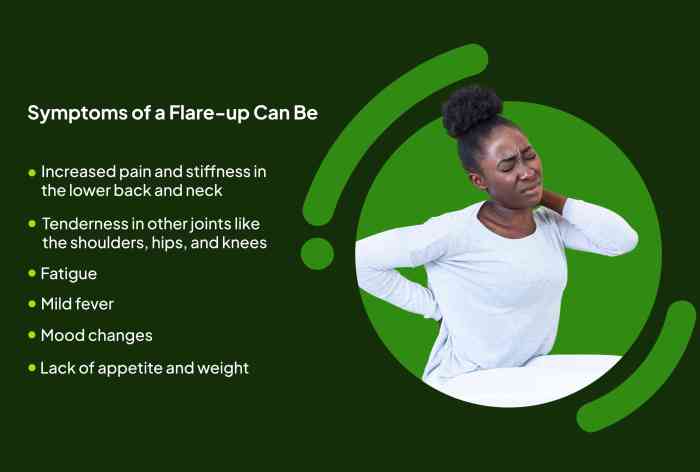
The progression of AS is typically gradual and chronic, meaning it develops slowly over time. Early symptoms often include low back pain, stiffness, and tenderness in the sacroiliac joints, particularly in the morning or after periods of inactivity. These symptoms may come and go initially, making diagnosis difficult. Over time, if left untreated, the pain and stiffness can worsen, potentially affecting the entire spine and leading to a loss of flexibility and range of motion.
The characteristic morning stiffness can last for more than an hour, and the pain often improves with activity. Individuals may experience pain in other areas, such as the hips, shoulders, and heels.
Potential Long-Term Consequences
The long-term consequences of untreated or inadequately managed AS can be substantial. Joint fusion (ankylosis), as mentioned, can restrict movement and lead to significant physical limitations. Individuals may experience difficulty with daily activities like bending, twisting, and walking. The condition can also impact posture, leading to a hunched or stooped appearance. Furthermore, AS is associated with an increased risk of other health complications, including cardiovascular problems, eye inflammation (uveitis), and inflammatory bowel disease (IBD).
Recent research suggests a potential link between ankylosing spondylitis and COVID-19, but the exact nature of this connection is still being explored. Understanding the inflammatory processes involved in both conditions is crucial, and a celiac biopsy with upper gastrointestinal endoscopy, for example, can help identify potential inflammatory markers in the gut, which might offer clues. Further research is needed to fully understand how these factors might interact, especially in the context of ankylosing spondylitis and COVID-19.
Common AS Symptoms
| Symptom | Description | Typical Onset Age |
|---|---|---|
| Low back pain | Persistent aching pain in the lower back, often worse at night or after periods of inactivity. | Typically between 15 and 35 years of age. |
| Sacroiliac joint pain | Pain and stiffness in the sacroiliac joints, located where the spine connects to the pelvis. | Similar to low back pain, often appearing in the late teens or early twenties. |
| Stiffness | Limited range of motion and tightness in the spine and other affected joints, often prominent in the morning. | Can start in adolescence or young adulthood. |
| Uveitis | Inflammation of the eye, causing pain, redness, and blurry vision. | Can occur at any stage of the disease, even in the absence of significant spinal involvement. |
| Peripheral arthritis | Inflammation in joints outside the spine, such as the hips, shoulders, or knees. | Possible in the late stages or in conjunction with spinal involvement. |
Overview of COVID-19
The novel coronavirus, SARS-CoV-2, emerged in late 2019, rapidly spreading globally and causing the COVID-19 pandemic. Understanding its characteristics, transmission, and potential long-term effects is crucial for public health strategies and individual well-being. This section provides a concise overview of COVID-19.The SARS-CoV-2 virus is a single-stranded RNA virus belonging to the coronavirus family. It primarily transmits through respiratory droplets produced when an infected person coughs, sneezes, or talks.
Close contact with an infected individual, or contact with contaminated surfaces followed by touching the nose, eyes, or mouth, can also lead to transmission.
SARS-CoV-2 Transmission Mechanisms
The virus spreads primarily through respiratory droplets and aerosols. These droplets, expelled during coughing, sneezing, or even talking, can carry the virus. The smaller aerosols can remain suspended in the air for longer periods, increasing the risk of transmission over larger distances. Furthermore, touching contaminated surfaces and then touching the eyes, nose, or mouth can facilitate transmission.
Proper hygiene practices, such as handwashing and mask-wearing, are essential to mitigate transmission risk.
Typical Presentation of COVID-19
COVID-19 manifests in a wide range of ways, from asymptomatic infection to severe illness. Common symptoms include fever, cough, fatigue, and shortness of breath. The severity of the illness can vary significantly. Some individuals experience only mild symptoms, while others develop severe pneumonia, requiring hospitalization and intensive care. The severity often depends on factors like pre-existing health conditions and individual immune responses.
Long-Term Health Consequences
While the acute phase of COVID-19 often resolves, some individuals experience long-term health consequences, collectively known as “long COVID.” These consequences can affect various organ systems and may include persistent fatigue, shortness of breath, cognitive impairment, and muscle pain. The long-term effects vary greatly between individuals, with some experiencing mild lingering symptoms and others facing significant and ongoing health challenges.
Comparison of AS and COVID-19 Symptoms
| Symptom | Ankylosing Spondylitis (AS) | COVID-19 |
|---|---|---|
| Back pain | Common, often in the lower back and sacroiliac joints, typically worse in the morning and improves with activity. Stiffness is often present. | May occur, though not a primary symptom. Back pain may accompany other respiratory or systemic symptoms. |
| Fever | Less common as a primary symptom, but may occur as part of a systemic inflammatory response. | Common, often as one of the initial symptoms, indicating an inflammatory response. |
| Cough | Not a typical symptom; if present, it may be related to associated conditions. | Common, often dry or productive, indicative of respiratory involvement. |
| Fatigue | Can be present, often associated with inflammation and systemic illness. | Common, describing a general sense of tiredness and exhaustion. |
| Shortness of Breath | Less common as a primary symptom; if present, it may indicate severe disease progression. | May occur, especially in severe cases, due to lung involvement. |
This table highlights the differences and similarities in the symptom profiles of AS and COVID-19. While some symptoms overlap, the underlying causes and mechanisms are distinct. It is crucial to consult a healthcare professional for accurate diagnosis and treatment.
Interactions between AS and COVID-19
Understanding the interplay between ankylosing spondylitis (AS) and COVID-19 is crucial for managing both conditions effectively. The shared involvement of the immune system in both diseases creates potential for complex interactions that can impact disease severity and treatment responses. This section explores the potential effects of these interactions.The immune system plays a central role in both ankylosing spondylitis and COVID-19.
AS is characterized by chronic inflammation of the spine and joints, driven by an overactive immune response. COVID-19 triggers an immune response, ranging from mild to severe, depending on individual factors. The interplay between these two immune responses can significantly influence the course of both diseases.
Dealing with ankylosing spondylitis and COVID-19 can be tough, but taking care of your overall health, including your skin, is crucial. Finding the right skin care routine can really boost your well-being, especially when you’re managing a chronic condition like ankylosing spondylitis. For example, a proper skin care regimen can help you feel more confident and comfortable, which is important when managing the challenges that come with these conditions.
Check out this comprehensive guide on how to create the perfect skin care routine to get started, and remember that prioritizing self-care is key to navigating these health journeys effectively. It’s all part of the ongoing fight against ankylosing spondylitis and COVID-19.
Potential Immune Response Interactions
The interplay of immune responses in AS and COVID-19 can lead to both amplified and dampened immune reactions. In individuals with AS, the already heightened inflammatory response might exacerbate the immune reaction to the COVID-19 virus. Conversely, the COVID-19 infection could potentially affect the immune pathways involved in AS, leading to variations in disease activity. This complex interaction can result in either a more severe or a milder presentation of either condition.
Impact of AS Treatments on COVID-19
Many individuals with AS require medications to manage inflammation and pain. These medications, particularly those that suppress the immune system, could potentially influence the body’s response to COVID-19. For instance, TNF-alpha inhibitors, a common treatment for AS, may impact the immune response to the virus, potentially affecting the severity of the infection. However, the specific influence of these medications on COVID-19 outcomes remains an area of active research.
Individual responses vary, and it is essential to discuss treatment strategies with healthcare providers to ensure the best course of action.
Potential Complications of Concurrent Infections
Concurrent AS and COVID-19 infections might present several complications. Increased inflammation from AS could potentially exacerbate the inflammatory response to COVID-19, leading to more severe pneumonia or other respiratory complications. Additionally, the medications used to treat AS could potentially interact with COVID-19 treatments, creating potential drug-drug interactions that require careful monitoring. Careful coordination between specialists managing both conditions is critical for optimal patient care.
Comparison of Potential COVID-19 Impact
| Characteristic | Individuals with AS | Individuals without AS |
|---|---|---|
| Immune Response | Potentially heightened inflammatory response to COVID-19 due to existing AS. | Immune response to COVID-19 varies based on individual factors. |
| Disease Severity | Increased risk of severe COVID-19 complications, potentially including more severe pneumonia or respiratory distress. | Risk of severe COVID-19 complications varies, but generally lower than in individuals with AS. |
| Treatment Response | Potential for drug interactions between AS medications and COVID-19 treatments, requiring careful monitoring. | Treatment response to COVID-19 is generally consistent with typical treatment protocols. |
| Long-term Outcomes | Potentially increased risk of long-term effects of COVID-19, like long COVID, due to the chronic inflammatory nature of AS. | Risk of long-term effects of COVID-19 varies, but generally lower than in individuals with AS. |
Impact on Treatment Strategies
Living with ankylosing spondylitis (AS) and managing a COVID-19 infection presents unique challenges. Understanding how AS influences the treatment approach for COVID-19 is crucial for optimal patient care. This involves considering the specific needs of individuals with AS, while ensuring safety and efficacy of both treatments.The presence of AS can significantly impact the recommended treatment strategies for COVID-19.
This is because individuals with AS often have underlying inflammatory conditions, which can influence how their immune system responds to the virus. Also, certain medications used to manage AS might interact with COVID-19 treatments. Thus, careful consideration and personalized strategies are necessary.
Altered Treatment Strategies for COVID-19 in AS Patients, Ankylosing spondylitis and covid 19
The inflammatory nature of AS can lead to a heightened inflammatory response during a COVID-19 infection. This increased inflammatory response might necessitate adjustments in standard COVID-19 treatment protocols. For example, patients with AS may require higher doses of anti-inflammatory medications to control the inflammatory response.
Considerations for Concurrent Management
Managing both AS and COVID-19 concurrently demands a multidisciplinary approach. The safety and efficacy of treatment strategies must be carefully evaluated to avoid adverse effects and ensure the best possible outcomes. Close monitoring of patients with AS during COVID-19 treatment is crucial. This monitoring should include careful observation of symptoms, inflammatory markers, and potential side effects from the combined therapies.
Comparison of Treatment Options for COVID-19
Treatment options for COVID-19 vary depending on the severity of the infection and the patient’s overall health. For mild cases, supportive care, such as rest, hydration, and over-the-counter medications, might suffice. However, for moderate to severe cases, antiviral medications and/or supplemental oxygen therapy might be necessary. In cases of AS patients, a more cautious approach is usually taken to account for the potential interactions with AS medications.
Potential Drug Interactions
Careful consideration of potential drug interactions is paramount when managing both conditions concurrently. Certain medications used to treat AS can interact with antiviral medications used for COVID-19. This necessitates a thorough review of all medications and potential side effects.
| AS Medication | Example | Potential COVID-19 Treatment | Potential Interaction |
|---|---|---|---|
| Nonsteroidal anti-inflammatory drugs (NSAIDs) | Ibuprofen, Naproxen | Antiviral medications (e.g., Paxlovid) | Possible increased risk of gastrointestinal bleeding |
| Disease-modifying antirheumatic drugs (DMARDs) | Methotrexate | Some antiviral medications | Potential for liver toxicity or other organ damage |
| Biologics | TNF inhibitors (e.g., infliximab) | Antiviral medications | Potentially weakened immune response to COVID-19, requires careful monitoring |
Careful monitoring of potential drug interactions and adjustments to treatment plans are crucial to ensure the safety and efficacy of the treatment regimen.
Research and Studies
Understanding the interplay between ankylosing spondylitis (AS) and COVID-19 requires rigorous research. Current studies aim to shed light on the potential impact of AS on COVID-19 susceptibility, severity, and treatment response. This investigation explores the methodologies employed, patient populations, and key findings to provide a comprehensive overview of the existing research.
Recent research on ankylosing spondylitis and COVID-19 is fascinating, but honestly, sometimes the most challenging health situations pop up in the most unexpected places, like in the kitchen. For example, those pesky cuts in the kitchen cuts in the kitchen can easily become infected, which is a concern for anyone with a compromised immune system, especially those managing conditions like ankylosing spondylitis.
Understanding the interplay between these conditions is crucial for effective management.
Current Research Methodologies
Research into the relationship between AS and COVID-19 utilizes various methodologies. Observational studies track patient characteristics and outcomes to identify potential associations. These studies often compare patients with AS and COVID-19 to control groups without AS. Randomized controlled trials, if available, provide more definitive evidence by assigning participants to different treatment groups, such as those receiving specific therapies.
Patient Populations and Outcomes
Studies investigating the interaction between AS and COVID-19 often include diverse patient populations. Characteristics such as age, disease duration, and severity of AS are frequently considered. Outcomes assessed in these studies may include the incidence of COVID-19 infection, disease severity, hospitalization rates, and response to treatment. Some studies might also examine the impact on inflammatory markers, which are often elevated in AS and COVID-19.
Specific inflammatory markers, such as C-reactive protein (CRP) and erythrocyte sedimentation rate (ESR), may help to analyze the interaction between the two conditions.
Summary of Published Findings
Published research on AS and COVID-19 suggests a complex interplay. Some studies have indicated a potential increased risk of severe COVID-19 outcomes in individuals with AS, possibly due to the underlying inflammatory state. However, the findings are not always consistent, and more research is needed to definitively establish a causal relationship. The observed effects could be influenced by factors such as the specific treatment regimen for AS, the severity of the disease, and other co-morbidities.
Categorization of Studies
| Methodology | Key Findings | Limitations |
|---|---|---|
| Observational Studies | Some studies show a potential correlation between AS and more severe COVID-19 outcomes, including higher hospitalization rates and longer recovery times. However, these are associations, not proof of causation. | Observational studies cannot establish cause-and-effect relationships; they can only identify correlations. Confounding factors such as age and other co-morbidities may influence the results. |
| Case Series/Reports | Individual case reports and series have described varying responses to COVID-19 in patients with AS, highlighting the need for more extensive research. | Case reports and series lack statistical power to establish broader trends and may not be representative of the overall population. There is a lack of standardized methodologies. |
| Retrospective Cohort Studies | Some studies have retrospectively analyzed patient data to investigate the relationship between AS and COVID-19 outcomes. Results have been inconsistent, requiring more prospective studies. | Retrospective studies are subject to selection bias and recall bias, and may not fully account for all confounding variables. |
| (Hypothetical) Randomized Controlled Trials | (If future studies utilize RCTs, they would evaluate the impact of specific treatments for AS on COVID-19 outcomes. This could include assessing the effects of different anti-inflammatory medications.) | (RCTs in this area are currently lacking.) |
Patient Management Strategies
Managing both ankylosing spondylitis (AS) and COVID-19 requires a multifaceted approach that prioritizes the well-being of the patient. Careful coordination between healthcare professionals, adherence to treatment plans, and proactive lifestyle adjustments are crucial to mitigate the risks and complications associated with this dual diagnosis. Early and accurate diagnosis, along with ongoing monitoring, is essential to optimize outcomes.Effective patient management involves understanding the interplay between AS and COVID-19, and tailoring treatment strategies accordingly.
This includes recognizing potential exacerbation of AS symptoms, identifying the need for adjustments in medications, and prioritizing preventive measures to reduce the risk of severe COVID-19 infection.
Early Diagnosis and Monitoring
Accurate and timely diagnosis of both conditions is vital. Early detection of COVID-19 allows for prompt initiation of antiviral treatment, potentially reducing the severity of the illness. Simultaneously, close monitoring of AS symptoms ensures that any flare-ups are addressed swiftly, preventing long-term complications. This necessitates regular communication between the patient and healthcare providers to track symptom progression and treatment effectiveness.
Regular blood tests and imaging studies can provide valuable insights into disease activity.
Lifestyle Adjustments
Implementing lifestyle modifications can significantly improve overall well-being for patients with both AS and COVID-19. Maintaining a healthy diet rich in fruits, vegetables, and lean proteins supports immune function and reduces the risk of complications. Regular exercise, tailored to the patient’s individual capabilities and limitations, promotes physical fitness and improves cardiovascular health. Adequate rest and stress management techniques, such as meditation or yoga, can help the body cope with the demands of both conditions.
Role of Healthcare Professionals
Healthcare providers play a critical role in coordinating care for patients with concurrent AS and COVID-19. A multidisciplinary approach, involving rheumatologists, pulmonologists, and infectious disease specialists, ensures comprehensive management of both conditions. This collaborative effort allows for personalized treatment plans that address the unique needs of each patient. Clear communication channels and frequent follow-up appointments are essential for effective management.
Education on disease management, including symptom recognition and adherence to treatment regimens, empowers patients to actively participate in their care.
Specific Considerations for AS and COVID-19 Management
| Aspect | Considerations |
|---|---|
| Medication Management | Adjustments to existing AS medications might be necessary during a COVID-19 infection. Close monitoring of potential interactions and side effects is paramount. |
| Physical Activity | Exercise regimens should be adjusted based on the severity of both conditions. Modifications should consider pain levels and fatigue. |
| Vaccination | Vaccination against COVID-19 remains crucial, even for patients with AS. The benefits of vaccination generally outweigh the potential risks. |
| Psychological Support | Managing the emotional and psychological impact of both conditions is critical. Access to mental health services can be beneficial. |
“Early intervention and ongoing monitoring are crucial for effective management of both AS and COVID-19.”
Public Health Implications
The interplay between ankylosing spondylitis (AS) and COVID-19 necessitates a nuanced approach to public health strategies. Understanding the potential vulnerabilities and implementing proactive measures is crucial to mitigating risks for individuals with AS and the wider community. This section delves into the public health implications, exploring risk factors, protective measures, and necessary recommendations.The co-existence of AS and COVID-19 presents a complex challenge for public health officials.
Individuals with AS often experience chronic inflammation and immune system dysregulation, potentially impacting their response to viral infections. This heightened vulnerability requires tailored strategies for prevention and management.
Risk Factors for Vulnerable Populations
Understanding the factors that increase susceptibility to severe COVID-19 in individuals with AS is paramount. Chronic inflammatory conditions like AS can weaken the immune system, potentially making individuals more susceptible to severe outcomes. Additionally, comorbid conditions frequently associated with AS, such as cardiovascular disease or diabetes, can further exacerbate the risk. Lifestyle factors, including smoking, poor diet, and lack of physical activity, can also contribute to increased vulnerability.
These factors highlight the importance of targeted interventions.
Protective Measures for Vulnerable Populations
Implementing effective protective measures is crucial for safeguarding vulnerable populations. Prioritizing vaccination remains a cornerstone of prevention. Ensuring access to high-quality vaccination programs and promoting vaccine uptake among individuals with AS is essential. In addition to vaccination, adherence to public health guidelines, such as mask-wearing in public spaces and maintaining social distancing, is vital. Early detection and prompt treatment of COVID-19 symptoms are critical in reducing transmission and severe illness.
Public Health Recommendations for Managing Risks
Implementing tailored public health strategies is essential to manage the risks associated with AS and COVID-
19. The following table summarizes key recommendations
| Risk Factor | Public Health Recommendation |
|---|---|
| Weakened immune system | Prioritize vaccination and booster doses. Advise on symptom recognition and early intervention. |
| Comorbidities | Promote comprehensive health management that addresses both AS and co-occurring conditions. |
| Lifestyle factors | Promote healthy lifestyle choices, including a balanced diet, regular exercise, and smoking cessation. |
| Limited access to healthcare | Ensure equitable access to healthcare resources for individuals with AS. |
| High-risk situations | Provide guidance on mitigating risks in high-risk environments (e.g., crowded settings). |
Further Research and Public Awareness Campaigns
Continued research is necessary to fully understand the complex interplay between AS and COVID-19. Further studies investigating the specific impact of AS on COVID-19 outcomes and developing targeted interventions are crucial. Public awareness campaigns are essential to educate the public and healthcare professionals about the specific challenges faced by individuals with AS during the pandemic. These campaigns should emphasize the importance of early diagnosis, appropriate treatment, and proactive measures to prevent severe outcomes.
Dissemination of accurate information to patients and healthcare providers is vital.
Closure: Ankylosing Spondylitis And Covid 19
In conclusion, this exploration of ankylosing spondylitis and COVID-19 underscores the complex interplay between these two conditions. The potential for interactions, complications, and the impact on treatment strategies are significant. The information presented here highlights the need for further research and emphasizes the crucial role of healthcare professionals in providing comprehensive care. By understanding the interplay of these conditions, we can better prepare for future challenges and improve patient outcomes.