


Lower back pain causes a range of issues, from simple strains to serious underlying conditions. This exploration delves into the multifaceted nature of lower back pain, examining everything from mechanical stresses to lifestyle factors and underlying medical problems. Understanding the potential culprits is the first step toward effective treatment and relief.
This comprehensive guide unpacks the various contributing factors, offering a nuanced understanding of how different elements interact to cause discomfort. We’ll cover everything from poor posture and repetitive movements to the impact of obesity and stress, providing insights into the intricate relationship between lifestyle and lower back pain.
Mechanical Causes
Lower back pain, a common ailment, often stems from mechanical issues within the spine and surrounding tissues. Understanding these mechanical stressors is crucial for effective diagnosis and treatment. Mechanical causes encompass a wide range of factors, from poor posture to spinal injuries, all contributing to pain and discomfort.
Types of Mechanical Stress
Mechanical stress on the lower back arises from various forces and movements. These stresses can range from acute trauma to chronic overuse. Repetitive movements, especially those involving twisting or lifting, can place significant strain on the muscles, ligaments, and discs of the lower back. Sudden, forceful movements can also cause acute injuries. These stresses can lead to muscle spasms, ligament sprains, and disc herniations, all of which contribute to the experience of lower back pain.
Poor Posture and Repetitive Movements
Maintaining poor posture over extended periods can significantly increase stress on the lower back. Slouching, hunching, or maintaining an improper sitting position can misalign the spine, leading to muscle strain and pain. Similarly, repetitive movements, such as those involved in manual labor or certain occupational tasks, can result in chronic muscle strain and overuse injuries. Examples include repetitive lifting, bending, or twisting, all of which can eventually lead to persistent lower back pain.
Spinal Injuries: Sprains and Strains
Spinal sprains and strains result from overstretching or tearing of ligaments and muscles supporting the spine. These injuries can be caused by sudden movements, falls, or forceful impacts. Sprains typically involve ligament damage, while strains affect the muscles and tendons. Both can lead to inflammation, pain, and restricted movement in the lower back. Treatment for these injuries often involves rest, ice, and physical therapy.
Comparison of Spinal Misalignment Effects
| Type of Misalignment | Description | Impact on Lower Back Pain |
|---|---|---|
| Scoliosis | Lateral curvature of the spine | Can lead to uneven muscle loading, pain, and potential long-term structural issues. |
| Lordosis | Excessive inward curve of the lower back | Places increased stress on the lumbar spine, potentially leading to muscle strain and pain. |
| Kyphosis | Excessive outward curve of the upper back | While not directly causing lower back pain, it can contribute to postural issues and compensatory mechanisms in the lower back, potentially exacerbating existing pain. |
Muscle Imbalances and Weakness
Muscle imbalances and weakness in the core muscles, including the abdominal and back muscles, can lead to poor spinal support. Weak muscles fail to properly stabilize the spine, causing increased stress on the joints and discs, thereby leading to pain. Conversely, tight muscles, particularly in the hip flexors and hamstrings, can pull on the spine, contributing to misalignment and pain.
Herniated Discs and Spinal Stenosis
A herniated disc occurs when the soft inner material of a spinal disc bulges or ruptures, potentially pressing on nearby nerves. This can cause sharp, radiating pain, often extending down the leg. Spinal stenosis involves narrowing of the spinal canal, which can put pressure on the nerves and spinal cord. This condition can cause numbness, tingling, and weakness in the legs, along with lower back pain.
Common Symptoms of Mechanical Lower Back Pain
| Cause | Common Symptoms |
|---|---|
| Muscle Strain | Localized pain, stiffness, muscle spasms, tenderness |
| Ligament Sprain | Sharp, sudden pain, swelling, limited range of motion |
| Herniated Disc | Sharp, radiating pain down the leg, numbness, tingling, weakness |
| Spinal Stenosis | Numbness, tingling, weakness in the legs, pain that worsens with standing or walking, relieved by sitting |
| Poor Posture/Repetitive Movements | Aching, dull pain, stiffness, pain that worsens with prolonged activity |
Lifestyle Factors
Our daily habits play a significant role in the health of our lower backs. Factors such as weight, posture, and stress can contribute to or exacerbate existing pain. Understanding these connections can help us make informed choices for better spinal health.Lifestyle choices significantly impact lower back pain, often acting as either risk factors or contributing factors. Poor posture, lack of exercise, and stress can all contribute to muscle strain, disc degeneration, and other issues that lead to lower back pain.
Conversely, healthy lifestyle choices can strengthen support structures and improve overall well-being, potentially reducing pain.
Obesity and Lower Back Pain
Obesity is a significant risk factor for lower back pain. Excess weight puts extra stress on the spine and surrounding muscles, leading to increased pressure on the discs and joints. This extra pressure can cause pain and inflammation, making daily activities challenging. For example, a person carrying 50 extra pounds will exert significant strain on their spine, increasing the likelihood of lower back pain.
Prolonged Sitting and Lack of Exercise
Prolonged sitting, a common feature of modern lifestyles, contributes to lower back pain. Sitting for extended periods weakens core muscles, which support the spine. This can lead to poor posture and increased pressure on the lower back. Similarly, a lack of regular exercise weakens the muscles around the spine, making it more susceptible to injury and pain. Regular physical activity, including strength training and cardiovascular exercise, helps strengthen these supporting muscles, reducing the risk of pain.
Lower back pain can stem from a variety of issues, like poor posture or muscle strains. However, sometimes, the culprit might be less obvious, like IBS A, an alternating type irritable bowel syndrome. This can sometimes manifest in unexpected ways, impacting other parts of the body, including the lower back. Understanding the connection between digestive issues and back pain is crucial for effective treatment.
Fortunately, learning more about conditions like IBS A, an alternating type irritable bowel syndrome can help pinpoint the root cause and thus address the lower back pain more effectively.
Poor Sleeping Posture
Poor sleeping posture can also contribute to lower back pain. Sleeping on an uncomfortable mattress or in an awkward position can strain the spine and surrounding muscles. A supportive mattress and a comfortable sleeping position are essential for maintaining spinal alignment during sleep. For instance, sleeping on your stomach with a pillow under your knees can reduce strain and improve sleep quality.
Stress and Anxiety
Stress and anxiety can exacerbate lower back pain. Stress triggers the release of hormones that can cause muscle tension and stiffness, leading to pain. Stress management techniques such as meditation and yoga can help reduce muscle tension and alleviate pain.
Smoking and Lower Back Pain
Smoking negatively impacts the health of the lower back in several ways. It reduces blood flow to the spine, which can hinder the healing process and increase the risk of degeneration. Smoking can also decrease bone density, weakening the support structures of the spine and making it more vulnerable to injury.
Carrying Heavy Objects
Lifting or carrying heavy objects improperly can lead to lower back pain. Poor lifting techniques place excessive stress on the lower back muscles, ligaments, and discs. Proper lifting techniques, including bending from the knees and using your leg muscles, can help reduce the risk of injury.
Correlation Between Lifestyle Factors and Lower Back Pain Severity
| Lifestyle Factor | Mild Lower Back Pain | Moderate Lower Back Pain | Severe Lower Back Pain |
|---|---|---|---|
| Obesity | Slight increase in pain | Increased pain and reduced mobility | Significant pain, impacting daily life |
| Prolonged Sitting | Muscle stiffness and occasional discomfort | Chronic muscle pain and limited range of motion | Significant pain, reduced ability to perform basic tasks |
| Poor Sleeping Posture | Occasional aches and stiffness | Frequent pain and discomfort during sleep | Persistent pain, interfering with sleep and daily activities |
| Stress and Anxiety | Minor muscle tension | Increased muscle tension, headaches | Severe muscle tension, difficulty concentrating |
| Smoking | Minor discomfort | Reduced healing, increased pain frequency | Chronic pain, risk of serious complications |
| Carrying Heavy Objects | Occasional strain | Recurring pain and discomfort | Significant pain, risk of injury and chronic issues |
Underlying Medical Conditions
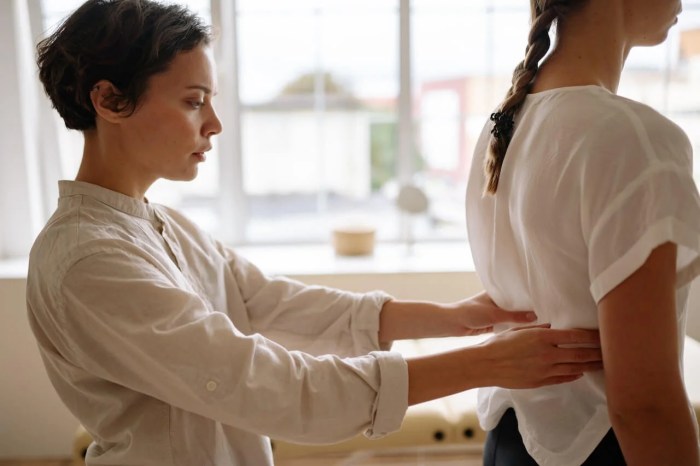
Lower back pain can stem from a variety of sources, and sometimes, the cause is linked to an underlying medical condition. These conditions can range from common ailments like arthritis to more serious issues like spinal tumors. Understanding these connections is crucial for proper diagnosis and treatment.
Lower back pain can stem from various issues, like poor posture or muscle strain. But, if you’re preparing for a significant life change like top surgery, top surgery how to prepare might also involve considering potential physical adjustments and their impact on your back. Ultimately, understanding these potential issues is key to proactively addressing any pain that may arise, whether pre or post-surgery.
Arthritis and Lower Back Pain
Arthritis, encompassing various forms like osteoarthritis and rheumatoid arthritis, can significantly impact the lower back. Osteoarthritis, the most common type, involves the breakdown of cartilage cushioning the joints, leading to pain, stiffness, and inflammation. In the lower back, this breakdown can affect the facet joints, which connect the vertebrae, causing discomfort and restricted movement. Rheumatoid arthritis, an autoimmune disease, can also cause inflammation in the spine, leading to pain, stiffness, and potentially spinal deformities.
Osteoporosis and Lower Back Pain
Osteoporosis weakens bones, making them more prone to fractures. In the lower back, weakened vertebrae are susceptible to compression fractures, resulting in pain, loss of height, and a hunched posture. These fractures often occur with minimal trauma, even everyday activities, highlighting the importance of bone density monitoring, especially in individuals at risk.
Spinal Tumors and Lower Back Pain
Spinal tumors, benign or malignant, can press on nerves and surrounding tissues, causing lower back pain. The pain can vary in intensity and location, depending on the tumor’s size, location, and growth rate. Symptoms often include numbness, tingling, weakness, and changes in bowel or bladder function. Early detection is crucial for effective treatment.
Inflammatory Conditions (e.g., Spondylitis) and Lower Back Pain
Inflammatory conditions, such as ankylosing spondylitis, can lead to chronic lower back pain. These conditions cause inflammation in the spine, resulting in stiffness, pain, and potentially fusing of the vertebrae. The pain often worsens at night or in the morning and is frequently accompanied by morning stiffness. Early diagnosis is essential to manage the condition effectively and prevent long-term complications.
Kidney Stones and Lower Back Pain
Kidney stones, small hard deposits that form in the kidneys, can cause severe lower back pain. As the stones move through the urinary tract, they can irritate and inflame the surrounding tissues, producing sharp, intermittent pain that often radiates to the groin. The pain is often accompanied by nausea, vomiting, and blood in the urine.
Infections and Lower Back Pain
Infections, such as spinal infections (osteomyelitis), can lead to significant lower back pain. These infections can cause inflammation, swelling, and pain in the affected area. Other symptoms may include fever, chills, and general malaise. Prompt medical attention is crucial to treat the infection and prevent further complications.
Table of Medical Conditions Causing Lower Back Pain
| Medical Condition | Description | Symptoms |
|---|---|---|
| Arthritis (Osteoarthritis/Rheumatoid) | Breakdown of cartilage in joints, inflammation. | Pain, stiffness, inflammation, restricted movement |
| Osteoporosis | Weakening of bones, increased risk of fractures. | Pain, loss of height, hunched posture, compression fractures |
| Spinal Tumors | Benign or malignant growths in the spine. | Pain, numbness, tingling, weakness, bowel/bladder changes |
| Spondylitis (e.g., Ankylosing Spondylitis) | Inflammation in the spine. | Stiffness, pain, potentially fusing of vertebrae, morning stiffness |
| Kidney Stones | Small hard deposits in the kidneys. | Severe lower back pain, radiating to groin, nausea, vomiting, blood in urine |
| Infections (e.g., Osteomyelitis) | Bacterial or fungal infections in the spine. | Pain, swelling, fever, chills, malaise |
Specific Activities and Injuries
Lower back pain can stem from a variety of activities and incidents, ranging from everyday movements to significant traumas. Understanding the link between specific actions and pain is crucial for prevention and effective treatment. This section delves into how different activities and injuries contribute to lower back discomfort.
Lower back pain can stem from a variety of things, like poor posture or muscle strain. Sometimes, though, underlying anxiety can contribute to the problem. If you’re struggling with anxiety, it’s important to understand the different options available, like Valium vs Xanax, which can help you manage your symptoms. For a deeper dive into this, check out this helpful resource on valium vs xanax which is better for anxiety.
Ultimately, addressing the root causes of your lower back pain, whether physical or mental, is key to finding relief.
Sports Injuries and Lower Back Pain
Participating in sports, while beneficial for overall health, can sometimes lead to lower back injuries. Repetitive movements, improper form during exercises, and sudden impacts during games or practices can strain or damage the muscles, ligaments, and discs in the lower back. Examples include improper lifting techniques during weight training, twisting motions during basketball or tennis, and sudden stops or changes in direction in running or soccer.
Such injuries can manifest as acute pain, stiffness, or persistent discomfort.
Lifting Heavy Objects Improperly
Incorrect lifting techniques are a significant contributor to lower back pain. Lifting heavy objects without proper posture, using the back muscles instead of the legs, or twisting while lifting can put excessive stress on the spine, leading to strains, sprains, or herniated discs. For instance, lifting a heavy box improperly can strain the lower back muscles and ligaments.
This is especially true if the lifter bends at the waist rather than using their legs to lift.
Effects of Falls on the Lower Back
Falls, regardless of their severity, can cause lower back pain. A fall can directly impact the lower back, resulting in sprains, strains, or fractures. The force of the impact can also damage the intervertebral discs, leading to herniation or bulging. A fall from a significant height, such as a staircase or ladder, can result in severe and potentially debilitating injuries.
Causes of Lower Back Pain Related to Car Accidents
Car accidents are a common cause of lower back pain. The sudden impact of a collision can cause whiplash injuries, which can indirectly affect the lower back. This involves the sudden and forceful jerking of the head and neck, causing strain on the surrounding muscles and ligaments, and often radiating pain to the lower back. Moreover, the direct impact on the lower back during a collision can result in fractures, dislocations, and herniated discs.
Work-Related Activities and Lower Back Pain
Certain work-related activities can contribute to lower back pain. Repetitive lifting, bending, or twisting motions, prolonged standing or sitting, and exposure to vibrations are all risk factors. For example, construction workers frequently lift heavy materials, increasing their risk of lower back pain. Similarly, factory workers who perform repetitive tasks that involve bending or twisting motions are also vulnerable.
Pregnancy and Lower Back Pain, Lower back pain causes
Pregnancy-related lower back pain is a common experience. Hormonal changes during pregnancy can relax the ligaments and muscles in the pelvis and lower back, making them more susceptible to injury or pain. The growing fetus also puts added pressure on the spine. The shift in the center of gravity during pregnancy can lead to postural changes that strain the lower back.
Table of Specific Activities or Injuries Associated with Lower Back Pain
| Activity/Injury | Description |
|---|---|
| Sports Injuries | Repetitive movements, improper form, sudden impacts |
| Lifting Heavy Objects Improperly | Lack of proper posture, using back instead of legs, twisting |
| Falls | Direct impact on the lower back, damage to intervertebral discs |
| Car Accidents | Whiplash injuries, direct impact on the lower back |
| Work-Related Activities | Repetitive lifting, bending, twisting, prolonged standing/sitting, vibrations |
| Pregnancy | Hormonal changes, growing fetus, shift in center of gravity |
Diagnostic Procedures
Understanding the cause of lower back pain is crucial for effective treatment. Diagnostic procedures help pinpoint the source of the discomfort, allowing healthcare professionals to recommend the most appropriate course of action. This process often involves a combination of physical examinations, imaging techniques, and various diagnostic tests, all tailored to the individual patient’s symptoms and medical history.
Physical Examinations
Thorough physical examinations are fundamental in evaluating lower back pain. This process involves a detailed assessment of the patient’s posture, range of motion, muscle strength, and neurological function. Palpation of the spine and surrounding tissues helps identify areas of tenderness, swelling, or asymmetry. Specific tests, like checking reflexes and assessing sensation, help determine if nerve roots are affected.
A comprehensive physical exam is essential for identifying potential underlying issues and guiding further investigations.
Imaging Techniques
Imaging techniques, including X-rays, MRIs, and CT scans, play a vital role in diagnosing lower back pain. X-rays provide images of the bones, aiding in the detection of fractures, dislocations, or other bony abnormalities. MRIs offer detailed images of soft tissues, such as muscles, ligaments, and discs, enabling the identification of herniated discs, spinal stenosis, or other soft tissue injuries.
CT scans, on the other hand, provide detailed cross-sectional views of the spine, helpful in identifying complex bony structures and fractures. The choice of imaging technique depends on the suspected cause of the pain.
Diagnostic Tests
Various diagnostic tests can further evaluate the cause of lower back pain. These tests might include:
- Blood Tests: Blood tests can help rule out systemic conditions that may be contributing to the pain, such as infections or inflammatory diseases. Elevated inflammatory markers might suggest an underlying condition requiring further investigation.
- Nerve Conduction Studies: Nerve conduction studies measure the electrical activity of nerves, assisting in the evaluation of nerve damage or compression. This is particularly important in cases of suspected nerve root involvement.
- Electromyography (EMG): Electromyography evaluates the electrical activity of muscles, providing insights into muscle dysfunction. This test can help differentiate between nerve and muscle-related issues.
Neurological Examinations
Neurological examinations assess the function of the nervous system, specifically focusing on the spinal nerves. This includes evaluating reflexes, sensation, and motor function. Any abnormalities in these areas could indicate nerve root compression or other neurological impairments. These assessments are critical for determining the extent of potential nerve damage or compression.
Example of a Diagnostic Report
“Patient presented with acute lower back pain radiating down the left leg. Physical examination revealed tenderness over the L5-S1 region, with diminished reflexes in the left lower extremity. Imaging studies (MRI) showed a herniated disc at the L5-S1 level, compressing the left sciatic nerve. Blood tests were unremarkable, ruling out systemic infections. Based on the findings, a diagnosis of lumbar disc herniation with radiculopathy was made.”
Diagnostic Procedures and Outcomes Table
| Diagnostic Procedure | Typical Outcomes |
|---|---|
| Physical Examination | Identification of pain location, range of motion limitations, and neurological deficits. |
| X-rays | Detection of fractures, dislocations, and other bony abnormalities. |
| MRI | Detailed visualization of soft tissues, identifying herniated discs, spinal stenosis, and other soft tissue injuries. |
| CT Scans | Detailed cross-sectional views of the spine, helpful in identifying complex bony structures and fractures. |
| Blood Tests | Rule out systemic conditions, such as infections or inflammatory diseases. |
| Nerve Conduction Studies | Assessment of nerve function and damage. |
| EMG | Assessment of muscle function and dysfunction. |
Illustrative Examples
Understanding the diverse causes of lower back pain requires exploring real-life scenarios. These examples highlight how different factors contribute to pain, from physical injuries to underlying medical conditions. Analyzing these cases helps in identifying patterns, understanding the severity of pain, and developing effective treatment strategies.
Case Study: Herniated Disc
A 45-year-old office worker, Sarah, experienced increasing lower back pain radiating down her left leg. The pain intensified with prolonged sitting and lifting. She reported a gradual onset of symptoms over several weeks, with no specific incident. Physical examination revealed tenderness in the lower lumbar spine and reduced sensation in the left leg. Imaging (MRI) confirmed a herniated disc at L4-L5, compressing a nerve root.
This herniation likely resulted from repetitive stress and poor posture, combined with a genetic predisposition to disc degeneration. The pain was categorized as moderate to severe, impacting Sarah’s ability to perform daily tasks.
Case Study: Poor Posture
John, a 30-year-old construction worker, complained of persistent lower back pain. He reported spending extended periods hunched over during his work, often lifting heavy objects with poor form. Physical examination showed postural abnormalities, including a forward head posture and increased lumbar lordosis. He had limited range of motion in his lower back and experienced pain with certain movements.
This case illustrates how prolonged poor posture can lead to chronic lower back pain, with the pain severity varying depending on the duration and severity of the posture.
Case Study: Accident
Maria, a 22-year-old student, experienced acute lower back pain following a car accident. She reported a sudden, sharp pain in her lower back after being rear-ended. The pain was immediately severe and debilitating, impacting her ability to move. Physical examination revealed muscle spasms and tenderness in the lumbar region. Imaging (X-ray) showed no fractures, but MRI later revealed a mild disc bulge.
This case exemplifies how sudden trauma, such as a car accident, can cause immediate and significant lower back pain, with the pain intensity correlating with the force and nature of the impact.
Case Study: Medical Condition
Emily, a 60-year-old woman with a history of osteoporosis, experienced gradual worsening lower back pain. She reported a recent increase in pain, along with noticeable height loss. Physical examination revealed reduced bone density and tenderness in the lower spine. Imaging (X-ray) confirmed the presence of compression fractures in the lumbar spine, consistent with osteoporosis. This case demonstrates how an underlying medical condition like osteoporosis can cause progressive lower back pain, with the pain being influenced by the degree of bone loss and the presence of fractures.
Visual Representation of Lower Back Anatomy
Imagine a segmented column of bones (vertebrae) stacked vertically, forming the spine. The lumbar region, located in the lower back, comprises five vertebrae. Between each vertebra are intervertebral discs, acting as shock absorbers. Nerves branch out from the spinal cord, traveling through the spinal canal and exiting between the vertebrae. Muscles, ligaments, and tendons surround and support the spine.
Pain can arise from issues with any of these structures. Pain in the lower back can be caused by problems in the vertebrae, discs, nerves, muscles, ligaments, or tendons. The pain is often felt in the lower back region, but it can also radiate down the legs.
Lower Back Pain Assessment Process
A thorough lower back pain assessment involves a combination of methods. Firstly, a detailed patient history is taken, including the onset, location, intensity, and duration of the pain, as well as any associated symptoms. A physical examination follows, focusing on posture, range of motion, muscle strength, and neurological function. Diagnostic imaging, such as X-rays, CT scans, or MRIs, may be necessary to identify underlying structural abnormalities.
Neurological tests can assess nerve function and rule out nerve compression. This process helps determine the cause of the pain and guide treatment decisions.
Common Treatment Plans
Treatment plans vary depending on the specific cause of lower back pain. Conservative approaches often include pain medication, physical therapy, and lifestyle modifications. In cases of herniated discs or other structural problems, surgical intervention might be necessary. For injuries, rest and rehabilitation are essential. Management of underlying medical conditions focuses on treating the underlying cause and mitigating pain symptoms.
Treatment plans should be tailored to the individual, taking into account the severity of the pain, the underlying cause, and the patient’s overall health.
Final Review: Lower Back Pain Causes
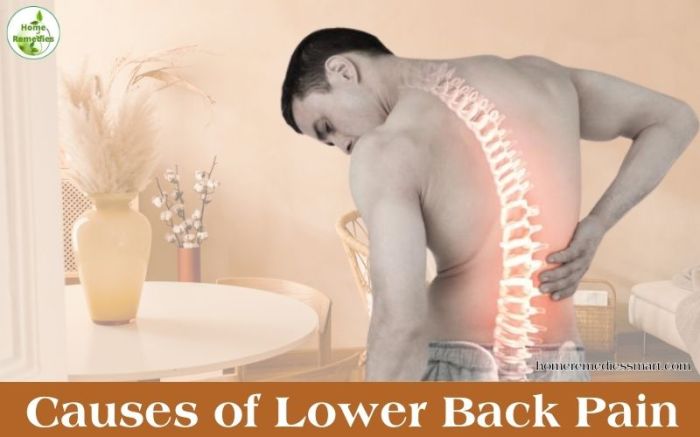
In conclusion, lower back pain is a complex issue with a multitude of potential causes. From the mechanics of the spine to lifestyle choices and underlying health conditions, a variety of factors contribute to discomfort. Understanding these causes is crucial for effective diagnosis and treatment. This exploration provides a foundation for further research and empowers individuals to take proactive steps toward better back health.