


Itchy scalp and hair loss: a frustrating duo that can affect anyone. This comprehensive guide delves into the various causes, symptoms, and treatment options for this common condition. From understanding the role of scalp infections to exploring potential nutritional deficiencies, we’ll cover it all. We’ll also discuss effective management strategies, from over-the-counter remedies to prescription medications, plus home remedies and lifestyle changes.
We’ll explore the different types of scalp itch, from mild to severe, and examine the accompanying symptoms like pain and redness. A proper diagnosis is crucial, so we’ll detail the diagnostic tools used to identify the underlying cause. We’ll also present real-life case studies and examples to illustrate the diverse nature of this condition, including its connection to stress and nutritional deficiencies.
Causes of Itchy Scalp and Hair Loss
Itchy scalp and hair loss are common complaints, often linked to various underlying factors. Understanding these causes is crucial for effective diagnosis and treatment. This exploration delves into a range of medical conditions, infections, hormonal influences, and nutritional deficiencies that can contribute to these distressing symptoms.
Medical Conditions
A multitude of medical conditions can present with both itchy scalp and hair loss. These conditions can range from common skin issues to more complex systemic diseases. Accurate diagnosis often requires a comprehensive evaluation by a healthcare professional.
Ever wondered why your scalp is itching and your hair keeps falling out? Sometimes, unexpected factors like hormonal changes can play a role. For example, understanding the role of progestin in birth control understanding the role of progestin in birth control can shed light on how these hormones might be affecting your body. This can sometimes affect hair and scalp health, potentially leading to issues like the ones you’re experiencing.
It’s always a good idea to talk to a doctor to get a proper diagnosis and personalized advice for your specific situation.
- Seborrheic dermatitis: This common inflammatory skin condition frequently affects the scalp, leading to greasy scales, redness, and itching. In some cases, it can contribute to hair loss, particularly if left untreated.
- Psoriasis: Characterized by red, scaly patches, psoriasis can manifest on the scalp, causing significant itching and potentially leading to hair loss due to inflammation and damage to hair follicles.
- Atopic dermatitis (eczema): This chronic inflammatory skin condition can also affect the scalp, resulting in itchy, dry, and inflamed areas. Persistent scratching can weaken hair follicles and contribute to hair loss.
- Alopecia areata: This autoimmune disorder causes patchy hair loss, often accompanied by itching and scalp sensitivity in affected areas.
- Lupus: This chronic autoimmune disease can manifest with a variety of symptoms, including hair loss and an itchy scalp, as part of a broader inflammatory response.
- Thyroid disorders: Both hypothyroidism (underactive thyroid) and hyperthyroidism (overactive thyroid) can disrupt hormone balance, leading to hair loss and an itchy scalp as secondary symptoms.
- Iron deficiency anemia: Iron deficiency can lead to hair loss and a variety of other health problems, including an itchy scalp, as the body struggles to produce sufficient red blood cells.
- Skin infections (like tinea capitis): Fungal infections of the scalp, such as ringworm, frequently cause itching and hair loss due to inflammation and follicle damage. The resulting inflammation can also lead to temporary or permanent hair loss.
Scalp Infections
Scalp infections, particularly fungal infections like ringworm (tinea capitis), are a significant cause of both itchy scalp and hair loss. These infections can lead to inflammation, damage to hair follicles, and the formation of characteristic scaly patches. Treatment typically involves antifungal medications.
Hormonal Imbalances
Hormonal fluctuations can profoundly affect both men and women, leading to hair loss and an itchy scalp. These imbalances can arise from various sources, including stress, pregnancy, menopause, and certain medical conditions.
- Women: Fluctuations in estrogen and progesterone levels during menstruation, pregnancy, and menopause can contribute to hair thinning and scalp irritation. Stress-related hormonal changes can also play a role.
- Men: Androgenetic alopecia (male pattern baldness) is a common hormonal condition characterized by hair loss, often associated with increased levels of dihydrotestosterone (DHT). This condition can also be accompanied by an itchy scalp.
Nutritional Deficiencies, Itchy scalp and hair loss
Certain nutritional deficiencies can impact hair health and contribute to an itchy scalp and hair loss. A balanced diet rich in essential nutrients is crucial for maintaining healthy hair.
- Protein deficiency: Protein is essential for hair growth and structure. Insufficient protein intake can lead to hair loss and scalp problems.
- Iron deficiency: As mentioned earlier, insufficient iron can lead to hair loss and an itchy scalp.
- Zinc deficiency: Zinc is crucial for hair follicle health. A deficiency can result in hair thinning and an itchy scalp.
- Biotin deficiency: Biotin, a B vitamin, plays a role in hair growth and health. A deficiency can manifest as hair loss and scalp irritation.
Comparison of Scalp Conditions
| Condition | Symptoms | Potential Causes |
|---|---|---|
| Seborrheic Dermatitis | Greasy scales, redness, itching, flaking | Yeast overgrowth, hormonal imbalances, stress |
| Psoriasis | Red, scaly patches, itching, inflammation | Autoimmune response, genetic predisposition, environmental factors |
| Ringworm (Tinea Capitis) | Scaly patches, itching, hair loss, broken hairs | Fungal infection |
| Alopecia Areata | Patchy hair loss, itching, scalp sensitivity | Autoimmune response |
Symptoms and Diagnosis: Itchy Scalp And Hair Loss
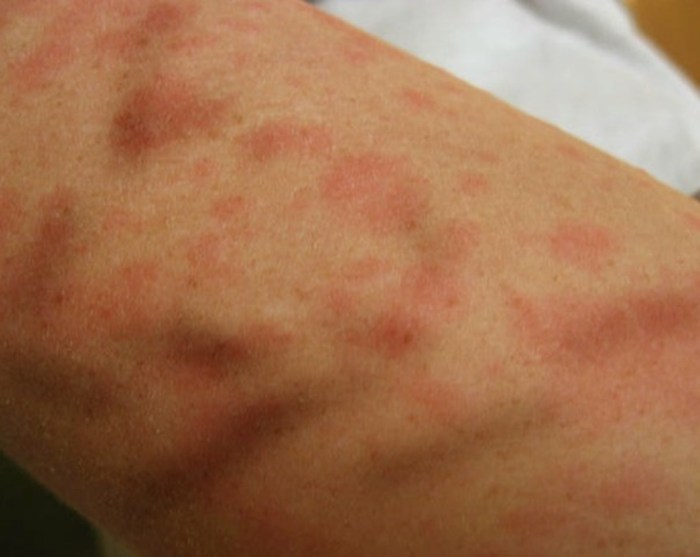
Understanding the different types of itchiness and accompanying symptoms is crucial for accurate diagnosis and effective treatment of itchy scalp and hair loss. This section delves into the various symptoms, from mild discomfort to severe irritation, and highlights the importance of a proper medical evaluation.Accurate diagnosis is essential to pinpoint the underlying cause of itchy scalp and hair loss.
A thorough examination by a dermatologist or healthcare professional allows for a tailored approach to treatment, addressing the specific cause rather than just the symptoms.
Types of Scalp Itch
Different types of scalp itchiness can vary in intensity and presentation. Mild itchiness might be a subtle, persistent discomfort, while severe itchiness can be intense and disrupt daily life. Understanding the characteristics of the itch can help in determining the potential cause.
Other Accompanying Symptoms
A comprehensive evaluation considers additional symptoms beyond the itch itself. These symptoms can offer valuable clues about the underlying condition.
Ever wondered why your scalp is itching like crazy and your hair keeps falling out? It’s a frustrating cycle, right? Sometimes, unexpected things can impact our sleep patterns, like stress, anxiety, or even underlying health issues. For example, understanding why you wake up at the same time every night might offer some clues. This article delves into potential reasons, and while it’s not a direct solution to itchy scalp and hair loss, connecting these sleep patterns with other potential health concerns can be valuable.
Ultimately, addressing the underlying cause of your itchy scalp and hair loss is key to finding relief.
- Redness: The scalp may appear inflamed and reddened, particularly in areas of intense itching.
- Dryness: A dry scalp can contribute to itchiness and can be accompanied by flaking or scaling.
- Scalp Flaking or Scaling: The presence of dandruff or other scalp flakes can accompany the itch and sometimes indicate an underlying condition.
- Swelling: Localized swelling or puffiness on the scalp may accompany certain skin conditions or infections.
- Pain: In some cases, the itching may be accompanied by pain, which can range from mild discomfort to sharp, throbbing sensations.
- Hair breakage: In severe cases, the itch and inflammation can lead to increased hair breakage, resulting in hair loss.
Importance of Medical Diagnosis
A proper medical diagnosis is critical for effective treatment. Simply treating the symptoms without identifying the root cause can lead to ineffective or even worsening conditions. A healthcare professional can differentiate between various causes, from common skin conditions to more serious underlying medical issues.
Diagnostic Tools
Several diagnostic tools aid in determining the underlying cause of itchy scalp and hair loss.
- Physical Examination: A visual inspection of the scalp is crucial. The dermatologist assesses the appearance, texture, and distribution of the lesions.
- Patch Tests: If an allergic reaction is suspected, patch tests can help identify the specific allergen causing the irritation.
- Scraping and Microscopy: A small sample of skin or scalp can be examined under a microscope to identify microorganisms, such as fungi or bacteria, which might be responsible for the condition.
- Blood Tests: In some cases, blood tests can help identify underlying medical conditions that might contribute to itchy scalp and hair loss.
Scalp Examination Procedure
A systematic approach to scalp examination is vital for accurate diagnosis.
| Step | Procedure | Expected Outcome |
|---|---|---|
| 1 | Visual Inspection: Examine the scalp for redness, scaling, lesions, or other abnormalities. | Identification of any visible signs of inflammation, infection, or other conditions. |
| 2 | Hair Analysis: Evaluate the hair for breakage, thinning, or other signs of damage. | Determination of the presence or absence of hair loss patterns, which could indicate a particular cause. |
| 3 | Scalp Scraping: Obtain a sample of scalp tissue for microscopic analysis. | Identification of microorganisms or other abnormalities under a microscope. |
| 4 | Medical History: Gather details about the patient’s medical history, medications, and recent exposures. | Identification of any relevant medical conditions, medications, or exposures that could be contributing factors. |
| 5 | Allergen Testing (if necessary): Conduct patch tests to identify potential allergens. | Identification of specific allergens that trigger an allergic reaction. |
Treatment Options and Management
Dealing with an itchy scalp and hair loss can be frustrating, but effective treatment is available. Understanding the various options, from over-the-counter remedies to prescription medications, is key to finding relief and promoting healthy hair growth. This section delves into the different approaches to managing these conditions.Effective management of itchy scalp and hair loss requires a personalized approach, considering the underlying cause and severity of symptoms.
Some remedies might be suitable for mild cases, while more severe situations may necessitate professional medical intervention. The goal is to identify the most appropriate strategy to alleviate discomfort and encourage hair regrowth.
Ever get an itchy scalp that just won’t quit? Combined with hair loss, it can be seriously frustrating. One potential home remedy involves using baking soda, a common household ingredient. Learning about what baking soda is and its properties might help you understand how it could potentially ease your itchy scalp and hair loss. What is baking soda ?
It’s a mild alkali that can help neutralize the scalp’s pH. Ultimately, incorporating baking soda into your hair care routine could be a simple way to tackle those pesky scalp issues.
Over-the-Counter Remedies for Itchy Scalp
Many over-the-counter products can provide relief from an itchy scalp. These remedies often contain ingredients like anti-dandruff shampoos, which help control the fungus that can cause the issue, and soothing ingredients like aloe vera or oatmeal. These products are typically safe and affordable, making them a good starting point for treatment.
- Anti-dandruff shampoos: These shampoos contain ingredients like selenium sulfide, zinc pyrithione, or ketoconazole, which target the fungi that contribute to dandruff and often associated itchy scalp. Their effectiveness varies depending on the individual and the severity of the condition. Look for shampoos with these active ingredients for potential relief.
- Moisturizing shampoos and conditioners: Dryness can be a significant factor in itchy scalp. These products help to hydrate the scalp and hair, which can lessen the irritation and itchiness.
- Cooling agents: Products containing menthol or camphor can provide temporary relief from itching by creating a cooling sensation on the scalp.
- Medicated creams or lotions: Some over-the-counter creams or lotions containing hydrocortisone can help to reduce inflammation and itching.
Prescription Medications for Itchy Scalp and Hair Loss
In cases where over-the-counter remedies prove insufficient, prescription medications may be necessary. These medications are typically more potent and address underlying causes of the problem.
- Topical corticosteroids: These potent anti-inflammatory medications can effectively reduce itching and inflammation. They are often used for short-term relief of severe cases. However, prolonged use may lead to side effects. Always consult with a dermatologist for appropriate usage and duration.
- Oral antifungals: For cases where a fungal infection is suspected as the root cause of the itchy scalp, oral antifungals may be prescribed to address the infection directly.
- Oral medications for hair loss: Various prescription medications can help stimulate hair growth, like finasteride or minoxidil. These are often prescribed for androgenetic alopecia (male pattern baldness) and other hair loss conditions.
Home Remedies and Lifestyle Changes
Lifestyle modifications and home remedies can often complement medical treatments for an itchy scalp.
- Stress management techniques: Stress can exacerbate various health issues, including itchy scalp. Practices like meditation, yoga, or deep breathing exercises can help reduce stress levels and alleviate symptoms.
- Dietary adjustments: A balanced diet rich in vitamins and nutrients may contribute to healthier hair and scalp. However, a diet alone might not solve the issue if it’s a medical condition. Consult with a nutritionist for dietary recommendations.
- Avoiding harsh chemicals: Hair dyes, perms, and other harsh chemicals can irritate the scalp. Consider reducing exposure to these products or using gentler alternatives.
- Proper hair care routine: Washing hair too frequently or using harsh shampoos can dry out the scalp, leading to itching. A balanced routine with appropriate frequency and products is crucial.
Comparison of Treatment Approaches
| Treatment | Pros | Cons |
|---|---|---|
| Over-the-counter shampoos | Affordable, readily available, generally safe | May not be effective for severe cases, potential for allergic reactions |
| Prescription topical corticosteroids | Effective for reducing inflammation and itching | Potential for side effects with prolonged use, may not address underlying causes |
| Oral antifungals | Directly targets fungal infections | Can have side effects, requires a doctor’s prescription |
| Hair growth medications | Can stimulate hair growth in certain conditions | May take several months to see results, potential side effects, requires a doctor’s prescription |
Prevention and Self-Care
Taking proactive steps to maintain a healthy scalp and prevent itchy scalp and hair loss is crucial. Addressing potential triggers and adopting healthy habits can significantly reduce the risk of these conditions. A combination of lifestyle changes and proper hair care routines are key to long-term scalp health.Preventing itchy scalp and hair loss involves understanding the factors that contribute to these issues.
This proactive approach includes a multifaceted strategy encompassing dietary choices, stress management techniques, and appropriate hair care practices. By implementing these preventative measures, individuals can significantly improve their scalp health and reduce the likelihood of experiencing these bothersome problems.
Preventative Measures
Understanding the potential causes of itchy scalp and hair loss allows for the implementation of preventive strategies. A crucial element in prevention is identifying and mitigating factors that contribute to these conditions. This proactive approach encompasses dietary adjustments, stress reduction techniques, and appropriate hair care practices.
- Avoid Irritants: Identifying and avoiding irritants such as harsh shampoos, dyes, and styling products can prevent scalp inflammation. Choosing gentler, hypoallergenic products specifically formulated for sensitive scalps is a good strategy. For example, a person with a known sensitivity to sulfates might switch to a sulfate-free shampoo to minimize irritation.
- Maintain a Healthy Diet: A balanced diet rich in vitamins and minerals is essential for overall health, including scalp health. A diet lacking in essential nutrients can contribute to various health issues, including scalp problems. For example, a diet rich in fruits and vegetables provides vital vitamins and antioxidants, supporting a healthy immune system that can better resist scalp infections.
- Manage Stress Levels: Chronic stress can negatively impact various bodily functions, including scalp health. Stress management techniques like exercise, meditation, and yoga can help reduce the impact of stress on the scalp and overall well-being. For instance, incorporating daily meditation for 15 minutes can help manage stress and promote relaxation.
- Implement a Gentle Hair Care Routine: Using gentle shampoos and conditioners, avoiding harsh brushing, and minimizing heat styling can significantly improve scalp health. Regular scalp massages can also improve blood circulation, promoting healthy hair growth and preventing scalp issues. For example, choosing a shampoo with natural ingredients can prevent unnecessary irritation, and minimizing the use of heat styling tools will prevent heat damage to the hair.
- Consider Underlying Medical Conditions: Some medical conditions can contribute to itchy scalp and hair loss. Consulting a dermatologist is essential to rule out underlying medical issues and receive personalized guidance on prevention and treatment. For example, a person experiencing significant hair loss along with other symptoms like fatigue and unexplained weight changes should seek a doctor’s evaluation.
Proper Hair Care Routines
Consistent and appropriate hair care routines are essential for maintaining a healthy scalp and preventing hair loss. Implementing a tailored hair care routine can prevent damage and promote a healthy scalp.
- Choosing the Right Products: Using shampoos and conditioners formulated for your hair type and scalp condition can prevent irritation and promote healthy hair growth. Avoiding harsh chemicals and sulfates can significantly improve scalp health. For example, those with oily scalps should use shampoos designed to balance sebum production, while those with dry scalps may benefit from moisturizing shampoos.
- Gentle Washing Techniques: Avoid harsh scrubbing or vigorous washing, as this can irritate the scalp and potentially damage hair follicles. Using gentle circular motions and avoiding excessive pressure will improve the health of the scalp.
- Avoiding Frequent Heat Styling: Overuse of heat styling tools like hair dryers, curling irons, and flat irons can damage hair and potentially lead to scalp irritation. Using heat protection sprays and minimizing the use of heat styling tools is important.
Balanced Diet for Scalp Health
A balanced diet plays a crucial role in maintaining overall health, including scalp health. Essential nutrients are vital for promoting healthy hair growth and preventing various scalp issues.
- Protein Intake: Protein is essential for hair structure and growth. Consuming adequate amounts of protein through various sources like lean meats, poultry, fish, beans, and lentils is vital. For example, including a serving of fish in the diet twice a week can provide essential proteins and healthy fats for overall health.
- Vitamin and Mineral Intake: Vitamins and minerals like biotin, iron, zinc, and vitamin D are crucial for healthy hair and scalp. Consuming a diet rich in fruits, vegetables, and whole grains can provide these vital nutrients. For example, spinach, a rich source of iron, contributes to healthy hair and scalp.
- Hydration: Adequate hydration is essential for overall health, including scalp health. Drinking plenty of water throughout the day helps maintain scalp moisture and supports healthy hair growth. For example, carrying a reusable water bottle and aiming to consume 8 glasses of water daily can significantly improve hydration levels.
Illustrative Cases and Examples
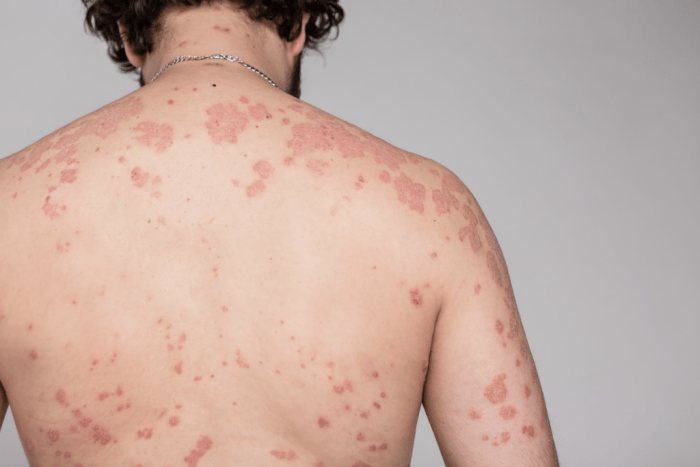
Understanding the diverse causes of itchy scalp and hair loss requires examining real-life scenarios. These examples highlight the variety of presentations, from stress-related hair thinning to nutritional deficiencies, demonstrating the importance of personalized care and professional diagnosis. Each case underscores the need for a thorough evaluation to identify the underlying issue and tailor an effective treatment plan.
Case Study: Itchy Scalp and Hair Loss Linked to Seborrheic Dermatitis
A 32-year-old woman presented with an itchy scalp, flaky skin, and noticeable hair loss, particularly on the crown of her head. She reported the symptoms had worsened over the past few months, coinciding with increased stress at work. A physical examination revealed erythematous patches with scaling on the scalp. The symptoms were consistent with seborrheic dermatitis, a common inflammatory skin condition that can affect the scalp and cause hair loss.
The diagnosis was confirmed by a dermatologist, who prescribed a combination of topical antifungal medications and anti-inflammatory shampoos. Following the treatment plan, the patient experienced a significant reduction in itching and scaling, and hair loss subsided. This case illustrates how a seemingly straightforward scalp issue can be a symptom of a more complex condition requiring specific treatment.
Case Example: Stress-Induced Telogen Effluvium
A 25-year-old male, experiencing a high-pressure job with long hours and constant deadlines, reported noticeable hair thinning over the past three months. He described feeling overwhelmed, anxious, and sleep-deprived. While his diet and lifestyle were generally healthy, the stress levels were significantly elevated. Medical tests revealed no underlying medical conditions. A dermatologist diagnosed the hair loss as telogen effluvium, a stress-related condition where stress triggers the hair follicles to enter a resting phase, leading to increased shedding.
The treatment plan focused on stress management techniques, such as meditation, exercise, and prioritizing sleep. This case exemplifies how stress, even without physical signs, can trigger significant hair loss. The importance of addressing stress and maintaining a healthy lifestyle is crucial in this scenario.
Case Illustrating Nutritional Deficiency as a Root Cause
A 40-year-old woman experienced progressive hair thinning and an itchy scalp. She reported feeling fatigued, weak, and experiencing brittle nails. Detailed dietary analysis revealed a severe deficiency in iron and vitamin D. The dermatologist confirmed this, recommending dietary modifications and supplements to address the deficiencies. The patient’s symptoms significantly improved with the nutritional adjustments, demonstrating how a seemingly unrelated dietary issue can manifest as hair loss and scalp irritation.
This case shows the impact of micronutrient deficiencies on hair health.
Importance of Consulting a Dermatologist for Proper Diagnosis and Treatment
A dermatologist possesses specialized knowledge and experience in diagnosing and managing various scalp and hair conditions. They can differentiate between different causes of hair loss and recommend the most appropriate treatment plan. A dermatologist can perform a thorough examination, including scalp biopsies if needed, to pinpoint the underlying cause. This specialized expertise is crucial for effective treatment, potentially preventing further damage or complications.
Steps in a Hair Loss Treatment Plan
A comprehensive hair loss treatment plan requires a multifaceted approach. A dermatologist will typically Artikel the following steps:
- Initial Evaluation and Diagnosis: This includes a detailed medical history, physical examination, and potentially blood tests to rule out underlying medical conditions.
- Identifying the Root Cause: The dermatologist will analyze the patient’s medical history, lifestyle, and symptoms to determine the cause of hair loss, which may be stress, a medical condition, or nutritional deficiencies.
- Personalized Treatment Plan: This plan will be tailored to the individual’s specific needs and may include topical medications, oral medications, dietary changes, or lifestyle modifications. Examples of medications could include minoxidil or finasteride for androgenic alopecia, while topical corticosteroids might be prescribed for inflammatory scalp conditions.
- Ongoing Monitoring and Adjustments: Regular follow-up appointments are essential to monitor the effectiveness of the treatment and make necessary adjustments to the plan. This may involve revisiting the dietary plan, adjusting medication dosage, or adding additional therapies.
These steps demonstrate the importance of a systematic approach to managing hair loss and emphasize the need for a personalized treatment plan developed by a dermatologist.
Concluding Remarks
In conclusion, itchy scalp and hair loss can stem from a variety of factors, highlighting the importance of seeking professional medical advice. This exploration of causes, symptoms, diagnosis, treatment, and prevention empowers readers to better understand and manage this condition. By understanding the potential triggers and implementing preventative measures, you can take proactive steps towards maintaining a healthy scalp and preventing hair loss.
Remember, a healthy lifestyle plays a vital role in overall scalp health, encompassing proper nutrition, stress management, and appropriate hair care routines. Consulting a dermatologist is always recommended for personalized advice and effective treatment.