The Evolution of Yoga Pedagogy and the Role of Theming
The release of this second volume comes at a time when the yoga industry is witnessing a professionalization of its teaching standards. According to data from the Yoga Alliance and various market research firms, the global yoga market is projected to reach over $66 billion by 2027. However, with this growth comes increased competition among instructors. Industry analysts note that "asana-only" instruction—focusing strictly on physical postures—is increasingly viewed as a commodity. In contrast, teachers who successfully incorporate "theming"—the practice of weaving philosophical or emotional narratives throughout a physical session—report higher student retention rates and stronger community engagement.
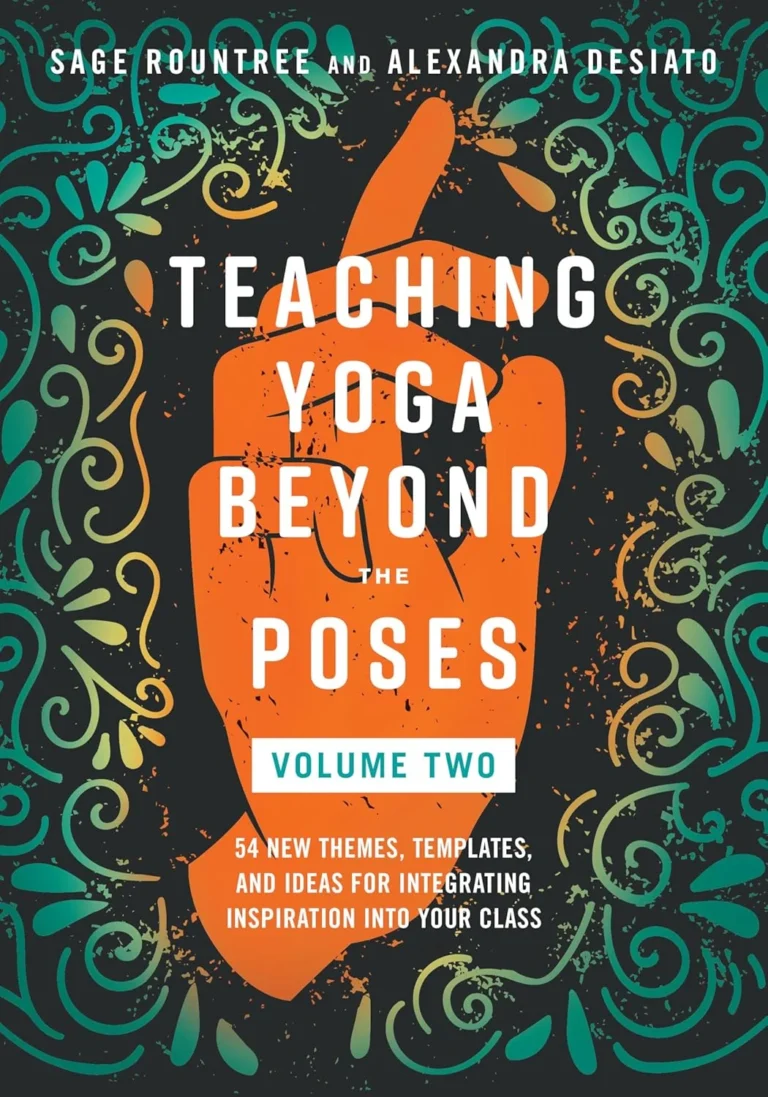
Rountree and Desiato, both seasoned educators with decades of experience, argue that the core of yoga is connection: connecting students to ancient wisdom, to their own internal experiences, and to the broader human condition. Volume 2 of their series focuses heavily on the "how-to" of this connection, providing a roadmap for teachers who may feel confident in their knowledge of anatomy but struggle to articulate the deeper aspects of the practice without sounding contrived or repetitive.
Strategic Student Retention Through Authentic Messaging
A central thesis of the new volume, particularly emphasized in its third chapter, is the correlation between thoughtful theming and the business of yoga teaching. While many instructors enter the field out of a passion for the practice, the reality of the profession requires maintaining a consistent student base. The authors posit that while external factors like scheduling and location influence attendance, the primary driver for returning students is the emotional resonance of the class.
"Students come back when they relate to your messages," the authors observe, citing the psychological principle that individuals may forget specific actions or words but will invariably remember how an experience made them feel. This focus on "feeling" over "creative choreography" marks a shift in teaching priorities. The book suggests that elaborate sequencing and curated playlists, while valuable, are secondary to the teacher’s ability to make students feel less alone in their human experience.
The Methodology of Storytelling in the Yoga Room
One of the more pragmatic contributions of Teaching Yoga Beyond the Poses, Volume 2 is its breakdown of storytelling as a teaching tool. The authors provide a structural framework for sharing personal narratives that can be adapted to various class formats. This framework includes:
- Relatable Characters: Using oneself or others as protagonists to create immediate empathy.
- The Element of Surprise: Subverting student expectations to maintain engagement during physically demanding sequences.
- Clear Resolution: Ensuring every story ties back to a universal philosophical truth or a "takeaway" that students can apply off the mat.
The authors also address the common fear among new teachers regarding repetition. They note that students typically only absorb a fraction of what is said during a session due to the physical and mental demands of the practice. Consequently, repeating themes and messages is not only acceptable but necessary for the lessons to take root.
Chronology of the Series and Author Background
The journey to Volume 2 began with the success of the first volume, which established Rountree and Desiato as leaders in the field of yoga teacher continuing education.

- 2019-2020: Volume 1 of Teaching Yoga Beyond the Poses is released, receiving acclaim for its "plug-and-play" themes that helped teachers move beyond basic cueing.
- 2021-2023: During the global shift to digital and hybrid yoga models, the authors identified a need for more diverse themes that addressed resilience, grief, and the complexities of modern life.
- 2024: The authors finalized the manuscript for Volume 2, incorporating feedback from their international workshops and teacher training programs.
- Early 2025: The official release of Volume 2, offering all-new material and refined templates.
Sage Rountree is widely recognized for her expertise in yoga for athletes, having authored several books including The Athlete’s Guide to Yoga. Her approach is characterized by clarity, pragmatism, and a focus on functional movement. Alexandra Desiato specializes in yoga for healthy aging and storytelling, bringing a narrative-driven, empathetic lens to the collaboration. Together, their voices provide a balanced perspective that appeals to both the logical and the emotional aspects of teaching.
Industry Implications and Professional Standards
The publication of this volume has broader implications for the standards of Yoga Teacher Training (YTT) programs worldwide. As the Yoga Alliance updates its Elevated Standards to include more rigorous requirements for philosophy and teaching methodology, resources like Teaching Yoga Beyond the Poses become essential textbooks.
Educational experts in the wellness space suggest that the ability to "theme" is a sophisticated cognitive skill. It requires the instructor to simultaneously track the physical safety of 20+ students, provide anatomical cues, manage the timing of the class, and deliver a coherent philosophical lecture. By providing "ready-made ideas," Rountree and Desiato are effectively lowering the barrier to entry for high-level teaching, allowing instructors to focus on their delivery and presence rather than being overwhelmed by the creative process of content generation.
Supporting Data: The Impact of Mindfulness-Based Instruction
Recent studies in the International Journal of Yoga and Frontiers in Psychology support the efficacy of the "beyond the poses" approach. Data suggests that yoga practices that include a strong component of "dharma talks" or thematic messaging lead to:
- A 30% increase in self-reported mindfulness among practitioners compared to physical-only classes.
- Higher levels of "state mindfulness," which contributes to better stress regulation and emotional resilience.
- Increased "social connectedness" within the studio environment, which is a key factor in the long-term sustainability of yoga businesses.
Broader Impact and the Future of Yoga Instruction
As Teaching Yoga Beyond the Poses, Volume 2 enters the market, it serves as a reminder that the role of the yoga teacher is evolving into that of a "wellness facilitator." The modern student is often looking for more than a workout; they are seeking a reprieve from the "attention economy" and a space for self-reflection.
The authors emphasize that the time surrounding the practice—the minutes before and after class—is just as important as the practice itself. They advocate for a model where the teacher listens more than they speak outside of the formal instruction, using those insights to fuel future themes. This "listening-led" teaching model is expected to become the gold standard in the coming years.
In conclusion, Sage Rountree and Alexandra Desiato have provided a comprehensive toolkit that addresses the professional, spiritual, and business needs of the modern yoga instructor. By demystifying the art of storytelling and providing a structured approach to philosophy, they are helping to ensure that the ancient tradition of yoga remains relevant and impactful in a fast-paced, digital world. Volume 2 is not just a book of ideas; it is a manifesto for a more connected and authentic way of teaching that prioritizes the human experience over the perfection of the physical form.