The pervasive mid-afternoon energy dip, often colloquially known as the "afternoon slump," is a common challenge for professionals, students, and anyone navigating a busy schedule. Characterized by decreased focus, fatigue, and an almost irresistible urge to seek out sugary snacks, this phenomenon can significantly impact productivity and overall well-being. While many factors contribute to this post-lunch lethargy, including circadian rhythms and sleep quality, a primary culprit is often an imbalanced lunch that lacks adequate "staying power." Recognizing this widespread issue, leading nutritionist Joy Bauer has unveiled a curated collection of high-protein lunch recipes designed to combat the afternoon slump, providing sustained energy and satiety through scientifically-backed nutritional strategies. These recipes promise at least 30 grams of protein per serving, a critical threshold identified by nutritional science for optimizing post-meal satisfaction and metabolic stability.
The Science of Satiety: Why Protein Works

The effectiveness of protein in promoting satiety and sustained energy is well-documented in nutritional science. Unlike carbohydrates, which can lead to rapid blood sugar spikes followed by crashes, or fats, which are calorie-dense but may not trigger the same immediate fullness signals, protein offers a unique combination of physiological benefits.
Firstly, protein has a higher thermic effect of food (TEF) compared to carbohydrates and fats. This means the body expends more energy (calories) to digest, absorb, and metabolize protein. While the difference is not drastic enough for weight loss on its own, it contributes to a feeling of metabolic activity and can help maintain a steady internal energy state.
Secondly, protein significantly influences the release of various satiety hormones. Peptides like cholecystokinin (CCK), glucagon-like peptide-1 (GLP-1), and peptide YY (PYY) are secreted in response to protein intake. These hormones send signals to the brain, indicating fullness and reducing appetite. For instance, PYY acts on brain receptors to decrease food intake, while GLP-1 slows gastric emptying, prolonging the feeling of fullness. This hormonal response is a key reason why a high-protein lunch can prevent the immediate urge to snack that often follows a carb-heavy meal.

Thirdly, protein plays a crucial role in blood sugar regulation. When consumed, protein helps stabilize blood glucose levels by slowing the absorption of carbohydrates, preventing the sharp peaks and valleys that can lead to energy crashes. This steady supply of glucose to the brain and muscles ensures consistent energy and mental clarity, directly addressing the core mechanisms of the afternoon slump. Furthermore, maintaining stable blood sugar is vital for preventing cravings for quick-fix sugary snacks, which often exacerbate the cycle of energy spikes and crashes.
Combatting Cravings: The Role of Protein in Appetite Regulation
The desire to "rummage for snacks an hour later" is a common symptom of a nutritionally inadequate lunch. Scientific research consistently demonstrates that boosting protein intake at lunch can be a highly effective strategy for curbing afternoon cravings. A study published in the American Journal of Clinical Nutrition, for example, highlighted that meals higher in protein lead to greater satiety and reduced subsequent energy intake compared to lower-protein meals. This is not merely anecdotal; it’s a direct consequence of protein’s impact on gut hormones and neural pathways that control appetite. By providing a sustained release of amino acids and triggering satiety signals, protein helps individuals feel genuinely full and satisfied for longer, diminishing the psychological and physiological need to seek out additional food.
This approach aligns with broader nutritional recommendations that advocate for a balanced distribution of macronutrients throughout the day. Dietitians and health experts frequently advise incorporating a substantial protein source into every meal, particularly lunch, to optimize energy levels and manage weight effectively. The 30-gram protein target highlighted by Bauer is often cited as an ideal minimum for activating these satiety mechanisms in adults, providing a tangible benchmark for those looking to upgrade their midday meal.
Joy Bauer’s Top 10 High-Protein Lunch Innovations
Joy Bauer’s selection of ten high-protein lunch recipes offers practical, delicious, and diverse solutions for overcoming the afternoon slump. Each recipe is designed not only to meet the crucial 30-gram protein threshold but also to be accessible and enjoyable, transforming lunch from a potential energy drain into an energizing highlight of the day.
Category 1: Innovative Bread Alternatives – Veggie-Forward and Low-Carb Solutions
Traditional sandwiches and wraps, while convenient, can sometimes be overly reliant on refined carbohydrates, contributing to a quicker energy dip. Bauer’s innovative recipes cleverly replace or augment conventional bread with nutrient-dense, protein-boosting alternatives.
-
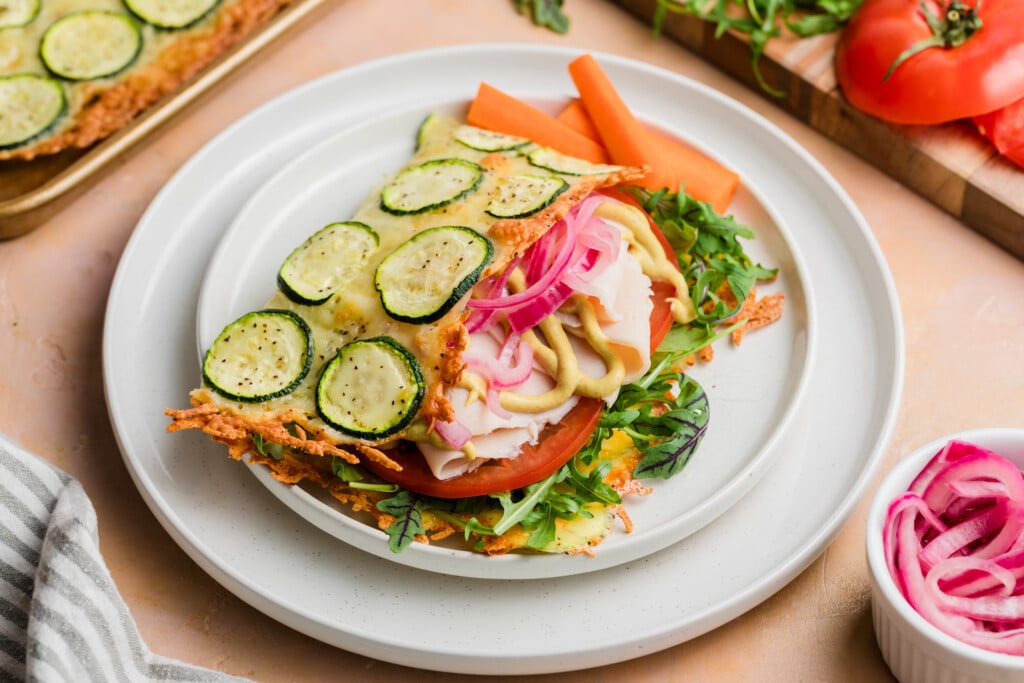
Zucchini Flatbread Turkey Sandwich (53g Protein): This recipe exemplifies a creative approach to low-carb eating. The flourless zucchini flatbread serves as a crispy, cheesy, and robust base, providing both structure and a significant vegetable boost. Loaded with turkey and favorite fixings, it delivers an impressive 53 grams of protein. The use of zucchini adds fiber and micronutrients, while eliminating refined grains can contribute to more stable blood sugar levels. This is particularly appealing for those seeking gluten-free options or looking to reduce their carbohydrate intake without sacrificing the satisfying experience of a sandwich.
-
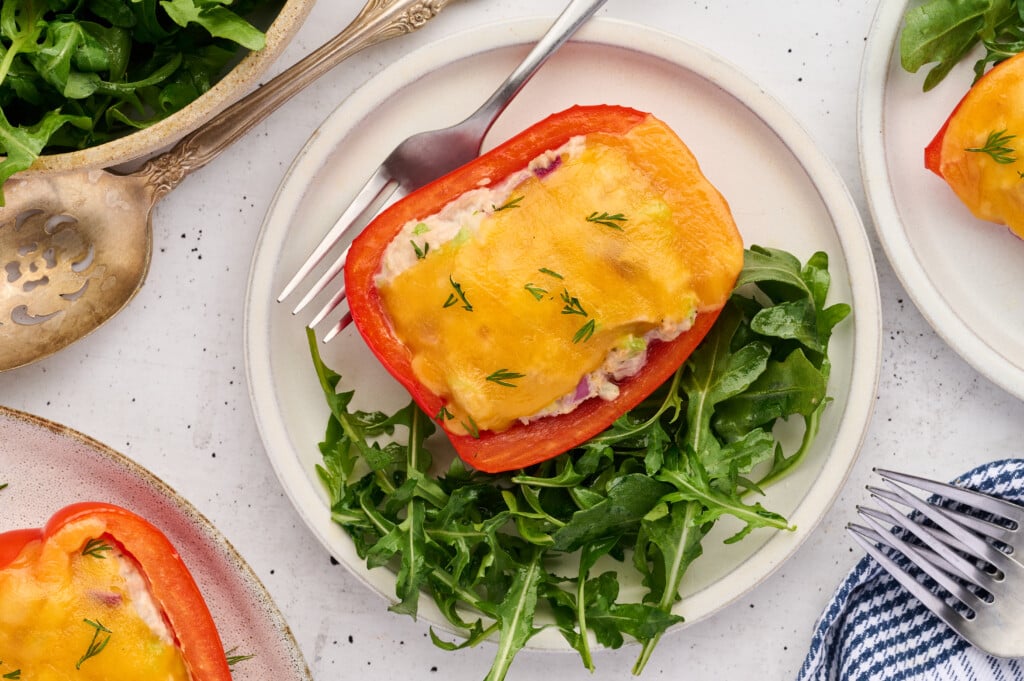
Bell Pepper Tuna Melts (40g Protein): A classic comfort food reinvented, this dish replaces bread with sweet, tender bell pepper halves. The bell peppers act as natural, edible cups for creamy tuna salad and melted cheese, creating a lighter, yet equally indulgent, experience. With 40 grams of protein, it leverages the lean protein of tuna along with the vitamins and antioxidants from bell peppers. This recipe highlights how simple substitutions can significantly elevate the nutritional profile of a meal, making it both flavorful and functional.
-
Low-Carb Omelet Wrap with Turkey, Swiss, and Sriracha Mayo (31g Protein): This ingenious recipe utilizes an egg-based omelet as a low-carb wrap, providing a versatile and protein-rich foundation. Layered with lean turkey, Swiss cheese, and a zesty sriracha mayo, it offers a handheld meal that is both satisfying and packed with flavor. The egg wrap contributes high-quality protein, while the turkey and Swiss cheese further boost the protein content to 31 grams. It’s a testament to how breakfast staples can be cleverly adapted for a lunch that truly "sticks with you," offering a creamy kick without the carb load of traditional bread.
Category 2: Effortless One-Pan Wonders & Quick Preps – Maximizing Flavor, Minimizing Effort
For individuals with limited time for meal preparation, convenience is paramount. These recipes emphasize ease of preparation and minimal cleanup, often leveraging readily available ingredients or efficient cooking methods.
-
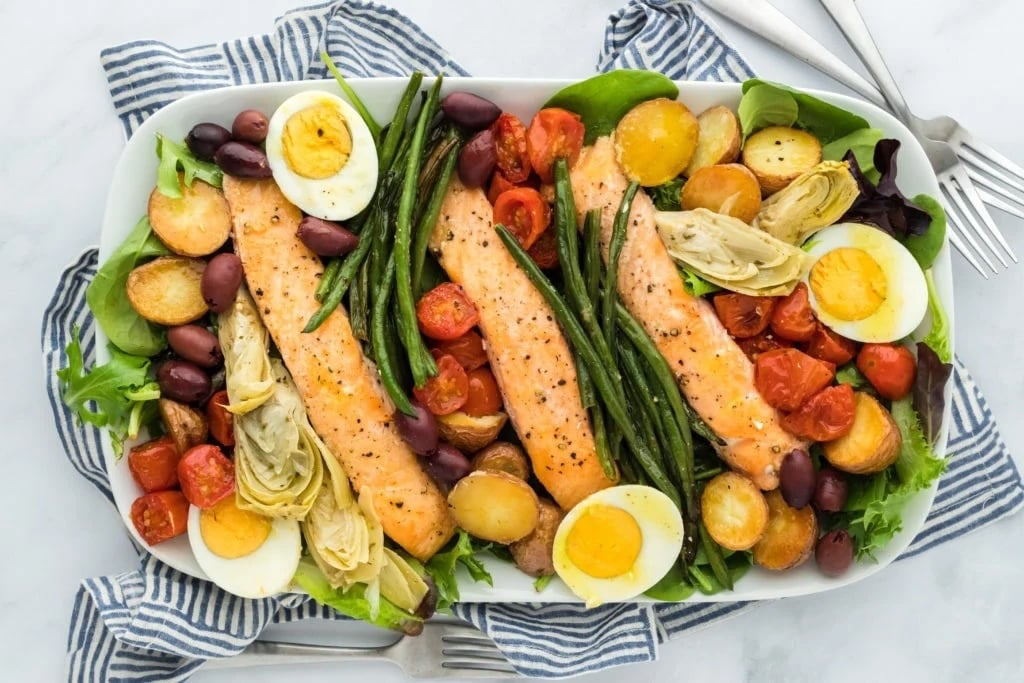
Sheet Pan Salmon Nicoise (38g Protein): A streamlined version of the French classic, this recipe brings elegance and efficiency to the lunch table. Tender roasted salmon, crisp green beans, hearty potatoes, and briny olives are all cooked on a single sheet pan, simplifying both prep and cleanup. Salmon provides excellent lean protein and omega-3 fatty acids, crucial for brain health and reducing inflammation. The combination of protein, healthy fats, and complex carbohydrates from potatoes ensures a well-rounded meal with 38 grams of protein, making it ideal for a nutritious and hassle-free lunch.
-
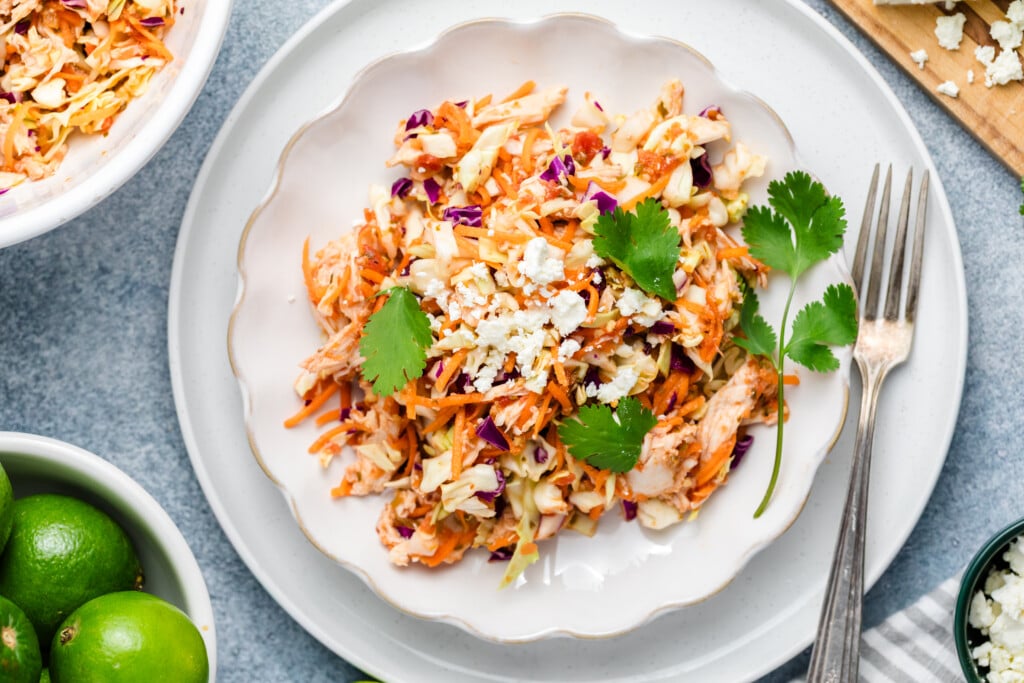
Salsa Chicken Slaw (36g Protein): This no-fuss meal is a masterclass in flavor and efficiency. Shredded chicken is tossed with crunchy slaw mix and vibrant salsa, creating a refreshing and protein-rich dish. Offering 36 grams of protein, it’s highly customizable with additions like crumbled feta, chopped almonds, or toasted pepitas, allowing for diverse flavor profiles and textural contrasts. This recipe is perfect for meal prepping, as the components can be prepared in advance and assembled quickly, providing a fresh and satisfying option throughout the week.
-
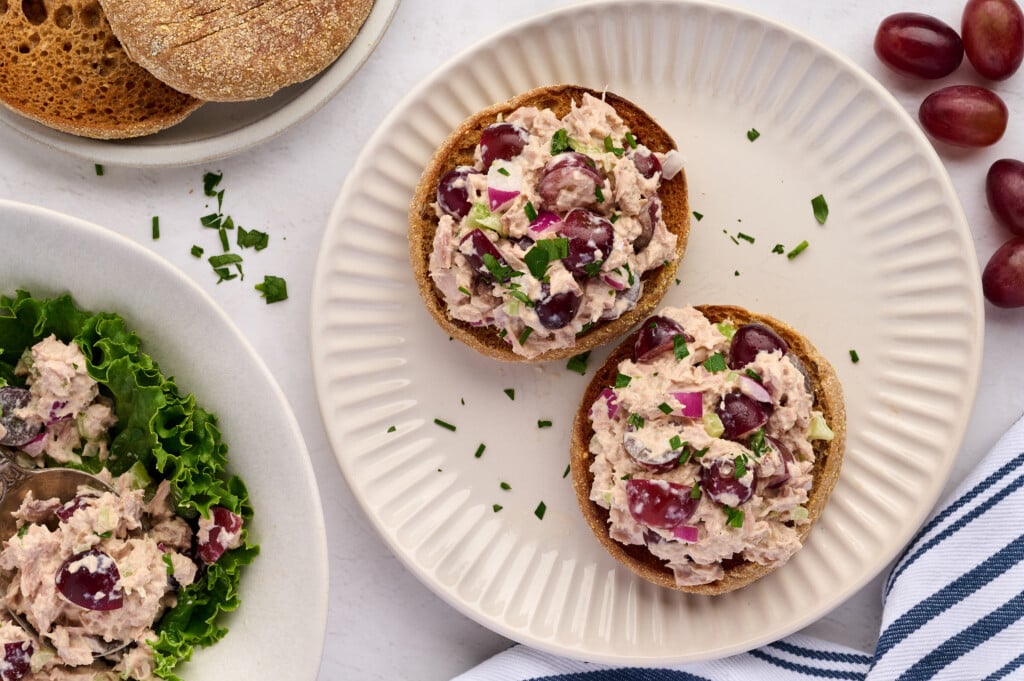
Creamy Tuna Salad with Grapes (1 cup = 30g Protein): A delightful sweet-and-savory twist on a classic, this tuna salad incorporates juicy grapes for a burst of freshness and sweetness. It’s an excellent choice for a quick, no-cook lunch, perfect for busy days or when kitchen access is limited. Tuna is a lean protein powerhouse, and with 30 grams per cup, this salad offers substantial satiety. It’s also highly versatile; it can be enjoyed on its own, with crackers, or as part of a lettuce wrap, making it a flexible and delicious meal prep staple.
-
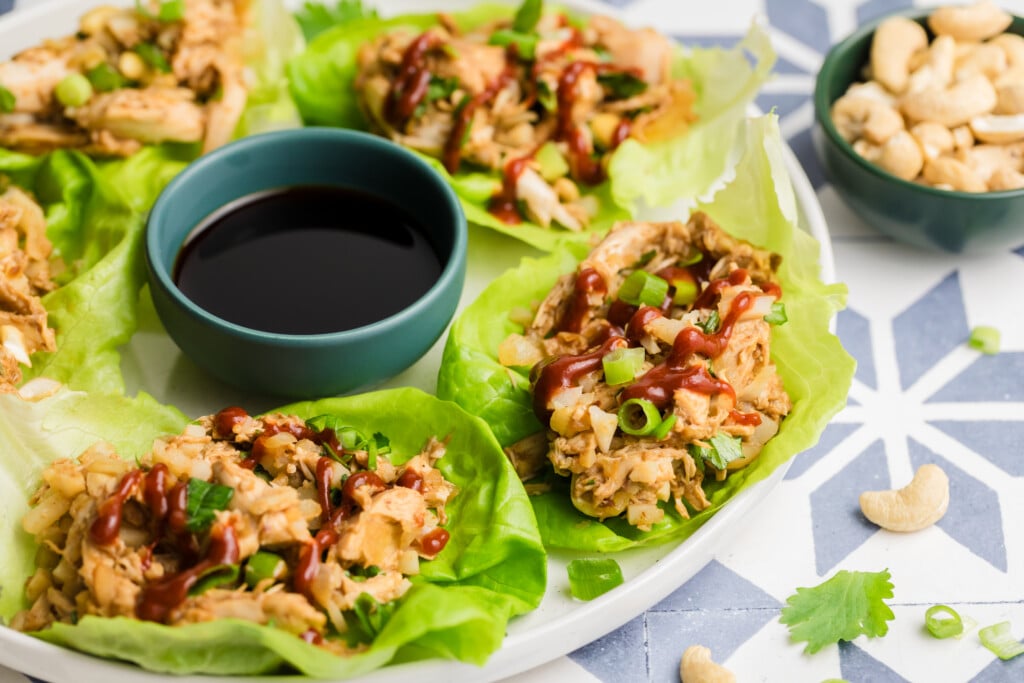
Rotisserie Chicken Lettuce Wraps (4 wraps = 36g Protein): Leveraging the convenience of pre-cooked rotisserie chicken, these wraps offer a simple yet incredibly flavorful lunch solution in minutes. The shredded chicken, often seasoned and tender, is combined with fresh ingredients and a savory sauce, then wrapped in crisp lettuce leaves. This approach delivers 36 grams of protein across four wraps, making it a light yet satisfying option. The freshness of the lettuce and the ease of preparation make this a fun and appealing choice for a quick, wholesome meal.
Category 3: Reinvented Comfort Food Bowls – Wholesome Takes on Beloved Classics
These recipes transform familiar comfort food profiles into nutrient-dense bowls, offering all the beloved flavors without the typical heavy ingredients that can lead to an energy crash.
-
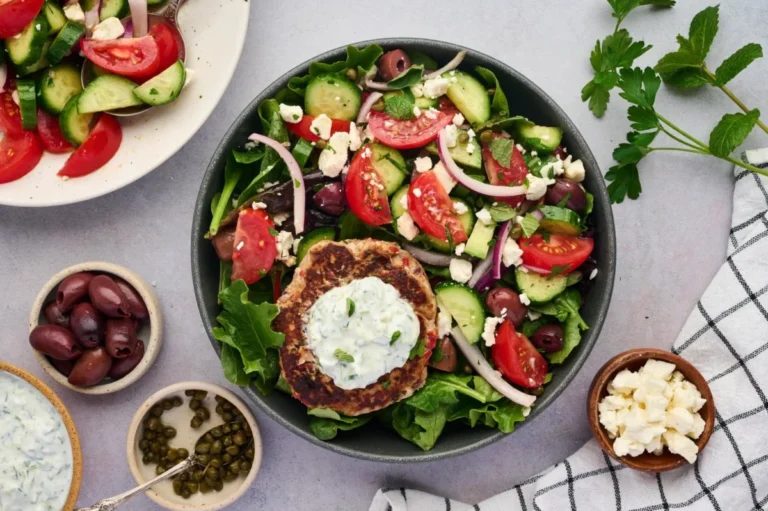
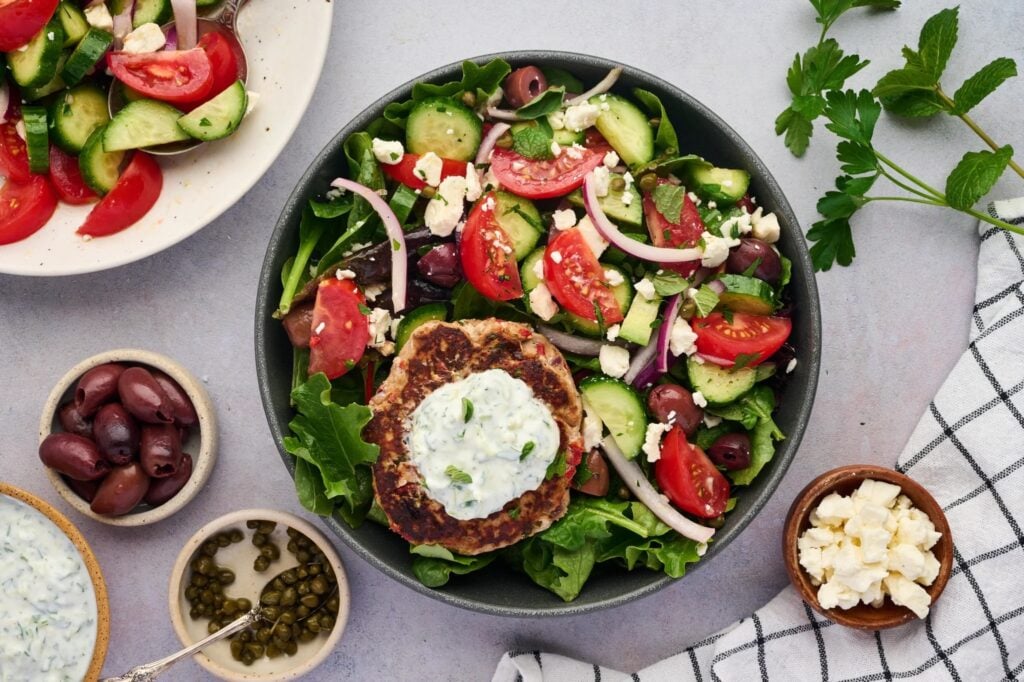
Greek Burger Salad Bowl (33g Protein): This inventive dish reimagines the classic burger as a vibrant Mediterranean-inspired bowl. Juicy turkey patties are served atop a bed of crunchy vegetables, briny olives, and creamy tzatziki sauce. With 33 grams of protein, it’s a bold and balanced meal that combines the satisfying elements of a burger with the fresh, healthful components of a Greek salad. The lean turkey provides high-quality protein, while the Greek salad elements contribute fiber, healthy fats, and a spectrum of vitamins and minerals, ensuring a truly nourishing and "anything but boring" lunch.
-
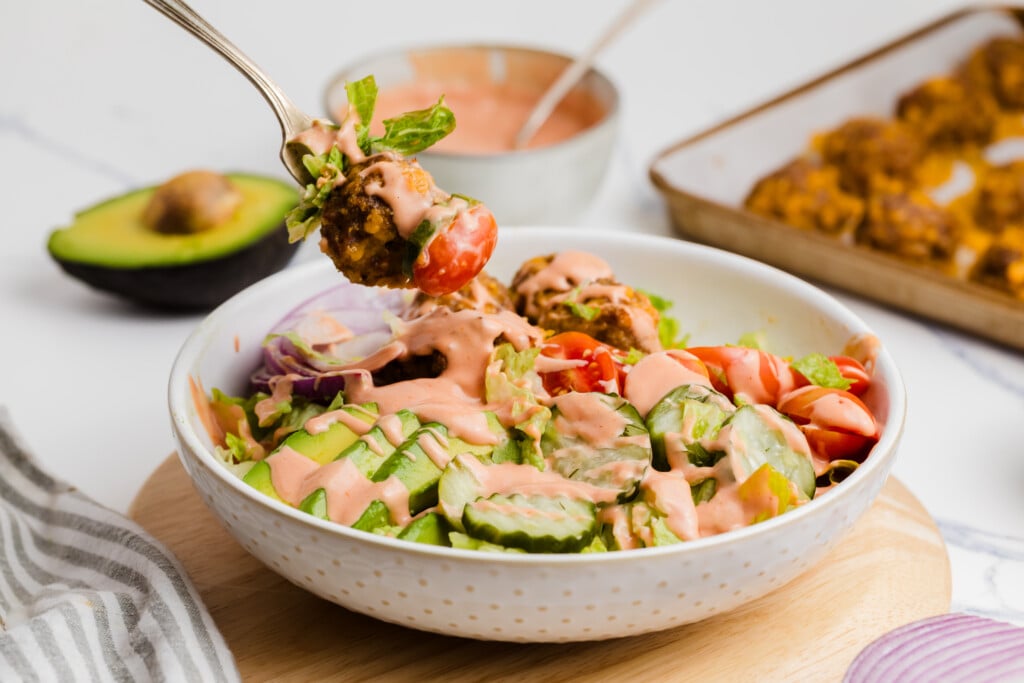
Cheeseburger Meatball Salad Bowl (32g Protein): All the quintessential flavors of a classic cheeseburger are cleverly repackaged into a nourishing salad bowl. Juicy meatballs, typically made from lean ground beef or turkey, are paired with crisp lettuce, fresh tomatoes, pickles, onions, and a creamy, tangy dressing. This deconstructed approach offers 32 grams of protein and allows for a customizable experience, enabling individuals to load up on their favorite burger fixings without the bun. It’s a satisfying and protein-packed option that delivers comfort food appeal in a health-conscious format.
-
Mediterranean White Bean Salad (1 cup) with 4 oz. Grilled Chicken (38g Protein): This recipe combines the plant-based protein and fiber of a hearty white bean salad with the lean protein of grilled chicken, creating a perfectly balanced and flavorful meal. The white bean salad, brimming with fresh veggies and bright Mediterranean flavors, is a nutrient powerhouse on its own. Adding 4 ounces of grilled chicken elevates the protein content to a substantial 38 grams, ensuring prolonged satiety and sustained energy. This dish is an excellent example of how combining different protein sources can create a complete and satisfying meal that is both delicious and highly nutritious.
Beyond the Plate: Practical Benefits for Modern Lifestyles
These high-protein lunch strategies offer more than just nutritional benefits; they provide practical solutions for the challenges of modern living.
- Time Efficiency: Many of these recipes are designed for quick preparation or are suitable for meal prepping, allowing individuals to save time during busy workweeks. Preparing lunches in advance eliminates last-minute stress and reduces the likelihood of resorting to less healthy, convenient options.
- Portability: The bowl and wrap formats make these meals ideal for packing and transporting to the office, school, or on the go. This encourages home-cooked meals, which are generally healthier and more cost-effective than frequently dining out.
- Flavor Variety: The diverse range of recipes—from Mediterranean to Tex-Mex inspired, from classic comfort food twists to innovative low-carb options—helps prevent "flavor fatigue." This variety is crucial for maintaining long-term adherence to healthy eating habits.
- Cost-Effectiveness: Cooking at home, even with premium ingredients like salmon, often proves more economical than purchasing daily lunches. This financial benefit, combined with improved health outcomes, presents a compelling argument for adopting these meal strategies.
- Environmental Impact: Opting for home-prepared meals can also contribute to reducing waste from single-use packaging associated with takeout and convenience foods, aligning with broader sustainability goals.
Expert Consensus and Future of Healthy Eating
The emphasis on high-protein lunches by nutrition experts like Joy Bauer reflects a broader consensus within the health community regarding the importance of macronutrient balance for optimal health. Dietitians and public health organizations increasingly advocate for dietary patterns that prioritize whole foods, adequate protein, and fiber to manage weight, prevent chronic diseases, and enhance overall vitality.
The trend towards "functional foods" and meals that serve specific health purposes, such as combating fatigue or promoting satiety, is growing. These recipes by Bauer are at the forefront of this movement, offering tangible tools for individuals to take control of their daily energy levels and nutritional intake. The accessibility of these recipes, combined with the clear articulation of their benefits, empowers individuals to make informed choices that contribute to a healthier, more productive lifestyle.
Conclusion: Sustained Energy, Sustainable Habits
The afternoon slump is not an inevitable part of the workday; it is a challenge that can be effectively managed with strategic dietary choices. By prioritizing high-protein lunches, as exemplified by Joy Bauer’s innovative recipes, individuals can unlock sustained energy, maintain mental clarity, and curb disruptive cravings. The scientific basis for protein’s role in satiety and blood sugar regulation provides a robust foundation for these recommendations. Beyond the immediate benefits of increased energy and reduced hunger, adopting these habits fosters a more mindful approach to eating, promoting long-term health, productivity, and overall well-being. Embracing these "easy, energizing lunches with staying power" is not just about avoiding an afternoon slump; it’s about building sustainable, health-promoting dietary practices for a more vibrant life. For those seeking further inspiration and variety, resources like Joy Bauer’s high-protein recipe hub offer a wealth of additional options to keep meals exciting and impactful.