The Nutritional Imperative of After-School Snacking
The after-school period is a dynamic time in a child’s day, often filled with homework, extracurricular activities, and social interaction. This increased activity level, coupled with several hours since their last meal, invariably leads to significant hunger. Parents frequently report children returning from school with an immediate demand for food, often referred to as "after-school hunger." This hunger, if not adequately addressed with nutrient-dense options, can lead to a cycle of consuming "empty calorie" snacks – those high in sugar, unhealthy fats, and refined carbohydrates but low in essential nutrients. While these snacks may offer a temporary energy boost, they often result in rapid blood sugar spikes followed by crashes, leading to irritability, decreased concentration, and a quick return of hunger.
Conversely, a well-chosen after-school snack, particularly one rich in protein, serves multiple vital functions. It acts as a bridge, providing the necessary fuel to maintain energy levels until dinner without spoiling appetite for the main meal. It supports ongoing growth and development, replenishes glycogen stores for active children, and aids in concentration for homework or other cognitive tasks. The deliberate choice to include protein in these snacks is not merely about preventing hunger; it is a foundational element of pediatric nutrition that underpins overall well-being.
Understanding Protein’s Role in Pediatric Nutrition
Protein is a fundamental macronutrient, often referred to as the "building block" of the body. For growing children, its importance is magnified, contributing to a vast array of physiological processes.
Physiological Benefits:
- Growth and Repair: Protein is crucial for the growth and repair of all body tissues, including muscles, organs, skin, hair, and nails. During periods of rapid growth, such as childhood and adolescence, a consistent supply of protein is non-negotiable.
- Enzyme and Hormone Production: Enzymes, which facilitate biochemical reactions, and hormones, which regulate various bodily functions, are largely protein-based. Adequate protein intake ensures these critical molecules can be synthesized efficiently.
- Immune Function: Antibodies, which are vital components of the immune system responsible for fighting off infections, are proteins. Sufficient protein intake strengthens a child’s immune response, making them more resilient to illness.
- Sustained Energy: While carbohydrates are the primary source of immediate energy, protein contributes to sustained energy release. When combined with complex carbohydrates and healthy fats, protein slows down digestion, preventing rapid fluctuations in blood sugar and providing a steady fuel supply.
- Satiety and Weight Management: Protein is the most satiating macronutrient. It triggers the release of hormones that signal fullness to the brain, helping children feel satisfied for longer periods. This satiety is instrumental in preventing overeating and reducing the likelihood of consuming additional, less healthy snacks, thereby supporting healthy weight management.
Cognitive Benefits:
- Improved Focus and Concentration: By stabilizing blood sugar levels, protein helps prevent the "sugar crash" that can impair a child’s ability to focus on schoolwork or other mentally demanding tasks. Steady energy supply translates directly to improved cognitive function.
- Behavioral Regulation: Fluctuating blood sugar levels can often manifest as mood swings, irritability, or hyperactivity in children. Protein-rich snacks help to mitigate these behavioral challenges by maintaining a more balanced internal state.
Protein Requirements for Children: A Data-Driven Approach
The amount of protein a child needs varies significantly based on age, weight, activity level, and individual growth patterns. General guidelines are provided by health organizations, emphasizing that most children in developed countries typically meet or exceed their protein requirements. However, the quality and timing of protein intake, especially around peak hunger times like after school, remain important considerations.
- Infants (0-6 months): Primarily through breast milk or formula.
- Infants (7-12 months): Approximately 1.2 grams per kilogram of body weight per day (around 11 grams total).
- Toddlers (1-3 years): Roughly 1.05 grams per kilogram of body weight per day (around 13 grams total).
- Preschoolers (4-8 years): Approximately 0.95 grams per kilogram of body weight per day (around 19 grams total).
- School-Aged Children (9-13 years): Around 0.95 grams per kilogram of body weight per day (around 34 grams total).
- Adolescents (14-18 years): Needs vary more significantly, with boys generally requiring more than girls due to greater muscle mass and growth spurts. Roughly 0.85 grams per kilogram of body weight per day (46 grams for girls, 52 grams for boys).
These figures are general guidelines. Active children, especially those involved in competitive sports, may have slightly elevated protein needs to support muscle repair and recovery. It is crucial to remember that these are daily totals, and protein should be distributed throughout meals and snacks rather than consumed in one large sitting for optimal utilization. For an after-school snack, aiming for 5-15 grams of protein, depending on the child’s age and overall daily intake, is a reasonable target to achieve satiety and nutritional benefit without overconsumption.
The Science of Satiety: Protein, Fiber, and Complex Carbohydrates
The effectiveness of an after-school snack in keeping children full and satisfied until dinner hinges on the synergistic combination of protein, fiber, and complex carbohydrates. This trifecta works together to regulate digestion and blood sugar, leading to sustained energy and prolonged satiety.

- Protein’s Role: As previously discussed, protein is highly satiating. It takes longer to digest than carbohydrates and fats, contributing to a feeling of fullness. Protein also influences gut hormones that signal satiety to the brain.
- Fiber’s Contribution: Dietary fiber, found in fruits, vegetables, whole grains, nuts, and seeds, adds bulk to food and slows down the digestive process. This extended digestion helps to stabilize blood sugar levels, preventing the rapid spikes and subsequent crashes that leave children feeling hungry again shortly after eating. Fiber also promotes gut health.
- Complex Carbohydrates: Unlike simple carbohydrates (sugars) that are quickly absorbed, complex carbohydrates (found in whole grains, starchy vegetables) are digested more slowly. They provide a steady release of glucose into the bloodstream, offering a consistent energy source without the dramatic fluctuations.
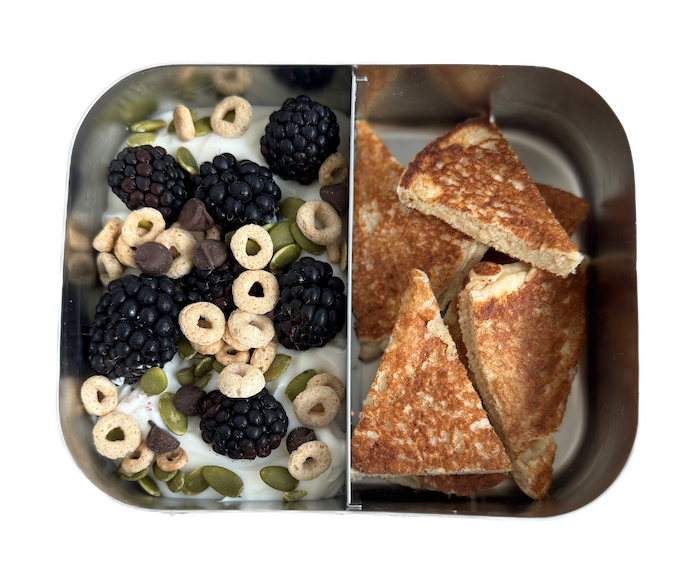
When these three components are combined, they create a snack that is not only nutritious but also functionally superior in managing hunger. For example, pairing an apple (fiber) with peanut butter (protein, healthy fats) or Greek yogurt (protein) with berries (fiber, complex carbs) exemplifies this balanced approach.
Categories of High-Protein After-School Snacks: A Comprehensive Overview
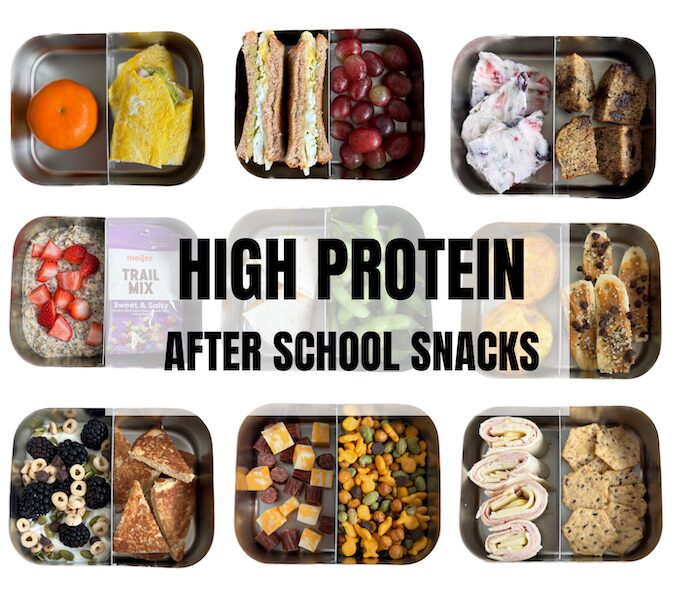
Developing a repertoire of high-protein after-school snacks can be simplified by focusing on key food groups that naturally offer significant protein content. The goal is variety, ease of preparation, and appeal to children’s palates.
Dairy-Based Options
Dairy products are excellent sources of high-quality protein, calcium, and vitamin D, crucial for bone health.
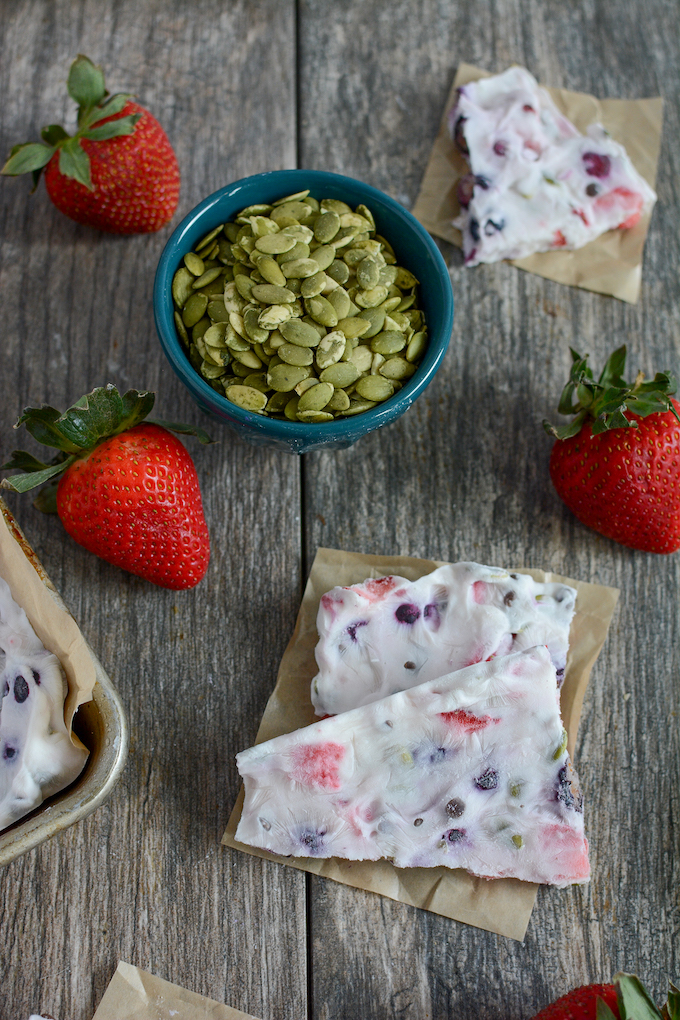
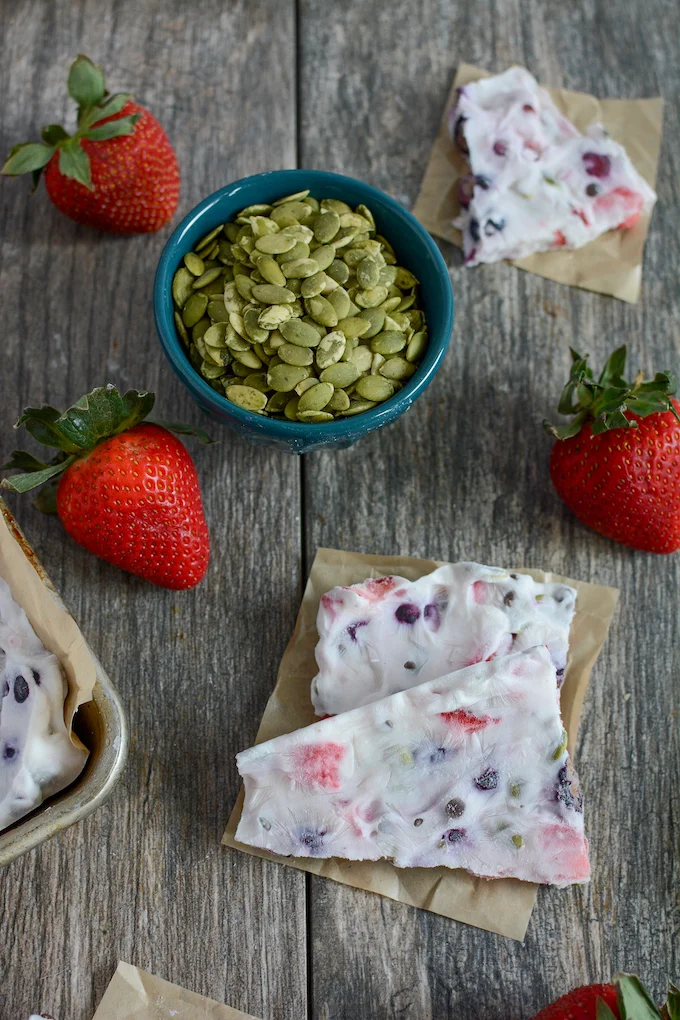
- Greek Yogurt: This is a powerhouse, offering significantly more protein than regular yogurt. A 6-ounce serving can provide 15-20 grams of protein. It can be served plain with fruit and a drizzle of honey, or blended into smoothies.
- Cottage Cheese: Often overlooked, cottage cheese is another protein-rich dairy option. A half-cup serving typically contains 12-14 grams of protein. It pairs well with fruit, whole-grain crackers, or even savory seasonings.
- Cheese Sticks/Cubes: Convenient and portable, a single cheese stick (e.g., mozzarella) provides about 7 grams of protein, alongside calcium.
- Milk: A glass of milk (dairy or fortified soy milk) offers around 8 grams of protein and is a quick, hydrating option.
- Kefir: A fermented dairy drink, kefir provides probiotics along with 10-12 grams of protein per cup, and can be enjoyed plain or in smoothies.
For children with lactose intolerance, fortified plant-based yogurts and milks (soy or pea protein-based) can be viable alternatives, though protein content should be checked as it varies widely.
Egg-Based Solutions
Eggs are a complete protein source, meaning they contain all nine essential amino acids. They are also rich in choline, important for brain development.
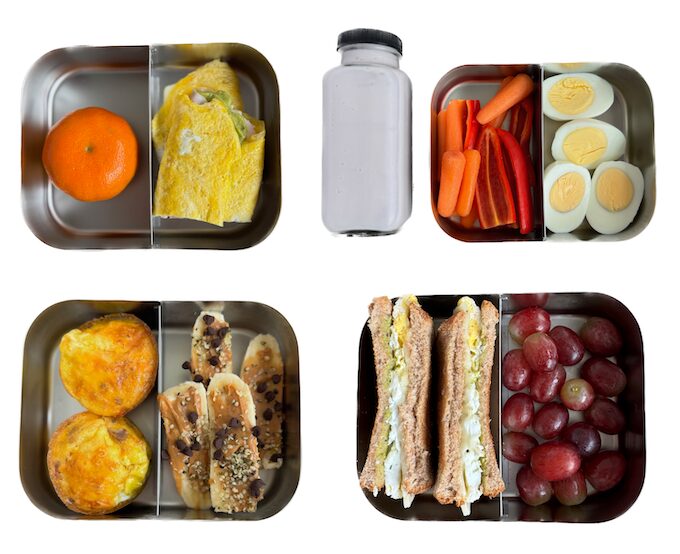
- Hard-Boiled Eggs: One large hard-boiled egg provides about 6 grams of protein and is incredibly convenient as it can be prepped in advance.
- Mini Frittatas or Egg Muffins: These can be made ahead of time with vegetables, cheese, and sometimes a lean meat, offering 5-10 grams of protein per serving depending on ingredients. They are versatile and can be eaten cold or warmed.
- Egg Salad (on whole-grain crackers): A quick and flavorful option, providing protein from eggs and fiber from crackers.
- Scrambled Eggs or Omelets: While requiring immediate preparation, a small serving of scrambled eggs (e.g., 2 eggs) offers 12 grams of protein and can be a warm, comforting snack.
Nut and Seed Powerhouses
Nuts and seeds are concentrated sources of plant-based protein, healthy fats, fiber, and micronutrients.

- Nut Butters (Peanut, Almond, Cashew): A two-tablespoon serving typically offers 7-8 grams of protein. Spread on apple slices, celery sticks, or whole-grain toast, they make a satisfying snack.
- Sunflower Seed Butter: An excellent alternative for children with nut allergies, providing similar protein and fat content.
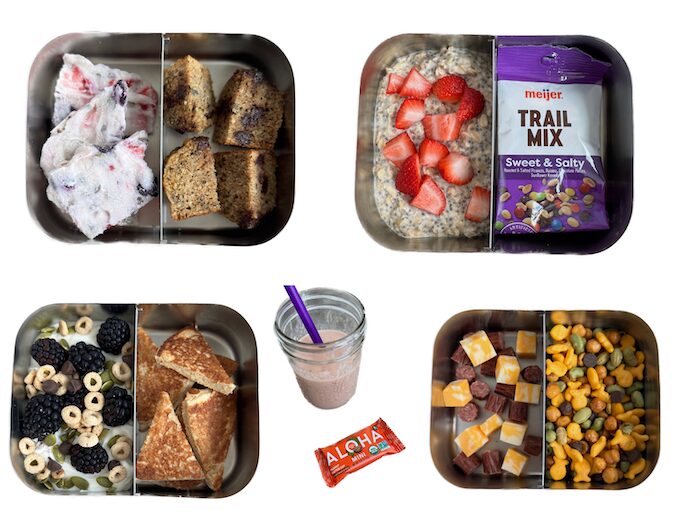
- Trail Mix: A homemade mix of nuts, seeds, dried fruit, and a few whole-grain cereal pieces can provide 5-10 grams of protein per quarter-cup serving, depending on the ratio of ingredients.
- Energy Balls/Bites: Often made with oats, nut butter, seeds (chia, flax), and a binder like honey or dates, these can be prepped in batches and offer 3-5 grams of protein per bite.
- Edamame: Steamed edamame, either in the pod or shelled, is a fantastic source of plant protein. A half-cup serving provides about 8 grams of protein and is fun for kids to eat.
- Roasted Chickpeas: Crunchy and savory, roasted chickpeas offer about 7 grams of protein per half-cup serving and can be seasoned in various ways.
When incorporating nuts and seeds, it is crucial to be mindful of allergies and ensure appropriate portion sizes due to their caloric density.
Lean Meat and Legume Incorporations
Lean meats and legumes provide substantial protein and often important micronutrients like iron and zinc.
- Turkey or Ham Roll-ups: Slices of lean deli meat rolled around cheese sticks, vegetable sticks, or even a pickle, offer 5-10 grams of protein per roll-up.
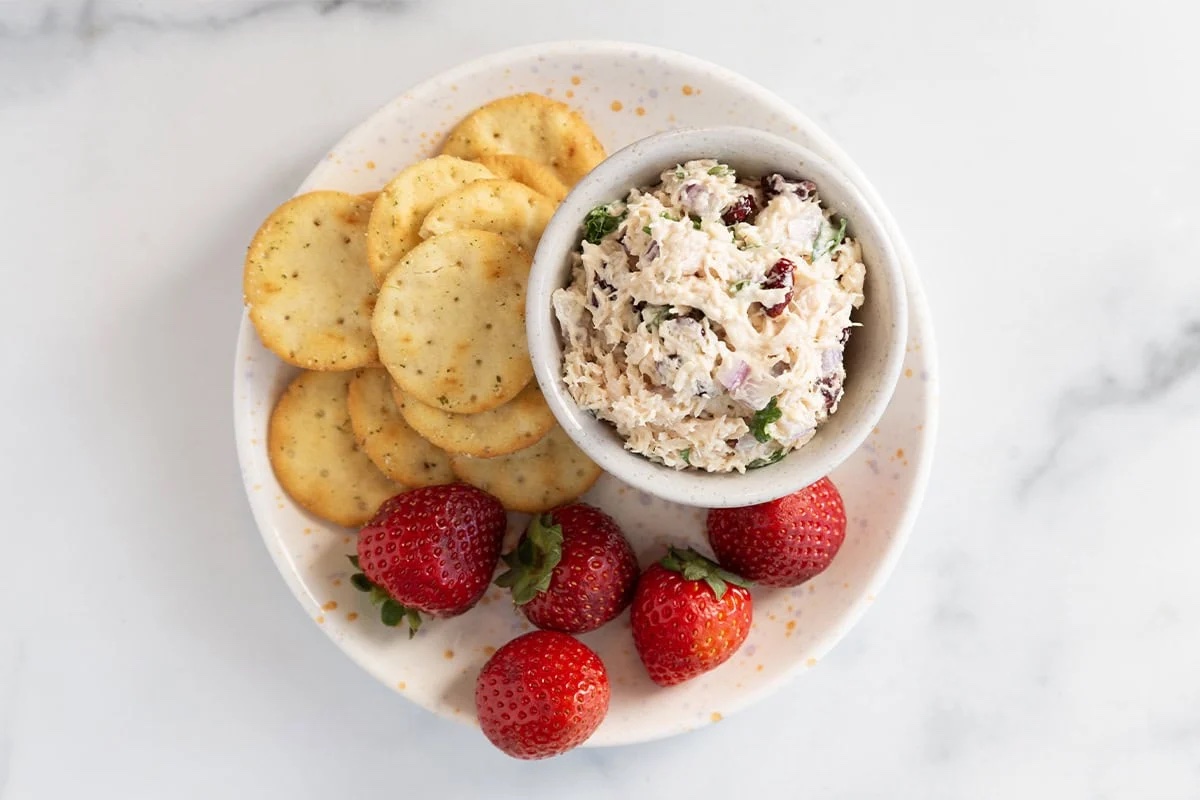
- Canned Tuna or Chicken Salad: Prepared with Greek yogurt or a light mayonnaise and served on whole-grain crackers or cucumber slices, this can provide 15-20 grams of protein per serving.
- Hummus: Made from chickpeas, hummus offers plant-based protein (around 4-5 grams per half-cup) and fiber. It’s excellent with vegetable sticks (carrots, bell peppers), whole-wheat pita bread, or pretzels.
- Beef Jerky/Meat Sticks: While higher in sodium, quality, low-sugar jerky or meat sticks can be a convenient source of protein (7-10 grams per serving) for active children.
- Lentil-Based Snacks: Lentil "pasta" with a light sauce, or small lentil patties can be creative ways to incorporate legumes.
Innovative Combinations and Prepared Snacks
For busy schedules, some innovative combinations or carefully selected prepared snacks can also serve as high-protein options.

- Smoothies with Protein Boost: Blending fruit, milk/yogurt, and a scoop of age-appropriate protein powder (e.g., whey, pea protein) can create a quick and customizable protein-rich drink.
- Protein Bars: When selecting protein bars, prioritize those with minimal added sugars, whole food ingredients, and a good protein-to-carbohydrate ratio. These should be chosen judiciously as a convenience item, not a daily staple.
- Fortified Cereals with Milk: Some whole-grain cereals are fortified with protein and can be paired with milk for a quick, albeit often higher-carb, protein boost.
The emphasis should always be on whole, minimally processed foods where possible, ensuring that the protein comes with a full spectrum of other beneficial nutrients.
Expert Perspectives on Children’s Snacking Habits
Pediatric dietitians consistently advocate for a balanced approach to children’s snacking, highlighting the importance of not just what is eaten, but how and when. The consensus among nutrition professionals is that snacks should complement meals, filling nutritional gaps rather than replacing them or becoming an endless grazing opportunity.
"After-school snacks are a golden opportunity to provide children with essential nutrients they might have missed during the school day," states Dr. Eleanor Vance, a leading pediatric nutritionist. "Parents often struggle with the ‘bottomless pit’ phenomenon, but incorporating protein and fiber is the simplest way to manage that hunger effectively. It’s not about restriction, but about smarter choices."
Experts also emphasize the role of parental modeling. Children are more likely to adopt healthy eating habits if they see their parents making similar choices. Involving children in snack preparation, such as washing fruits or assembling ingredients, can foster a sense of ownership and increase their willingness to try new, healthy foods.
Addressing picky eating remains a challenge for many parents. Dietitians suggest a strategy of consistent exposure without pressure, offering a variety of foods repeatedly. "It can take 10 to 15 exposures for a child to accept a new food," notes Sarah Jenkins, a registered dietitian specializing in family nutrition. "Pairing a new protein source with a familiar favorite, or presenting it in a fun, deconstructed way, can be very effective." For instance, offering components of a snack (e.g., separate cheese, crackers, and turkey slices) rather than a pre-made sandwich might appeal more to some children.
Beyond the Plate: Broader Implications of Strategic Snacking
The impact of strategic after-school snacking extends far beyond immediate hunger satisfaction, influencing a child’s academic performance, behavior, athletic capabilities, and long-term health.
Academic Performance: Stable blood sugar levels, maintained by protein and complex carbohydrates, are crucial for optimal brain function. Children who consume balanced snacks are less likely to experience energy slumps or difficulty concentrating, leading to improved focus during homework and better retention of learned material. Conversely, reliance on sugary snacks can lead to cognitive fog and decreased academic productivity.
Behavioral Regulation: The link between nutrition and behavior is well-documented. Rapid fluctuations in blood glucose, often caused by high-sugar, low-protein snacks, can trigger irritability, restlessness, and even aggression in some children. Providing a steady supply of nutrients helps to stabilize mood and energy, fostering calmer and more cooperative behavior.
Athletic Performance and Recovery: For the increasing number of children engaged in sports and physical activities, after-school nutrition is paramount. Protein is vital for muscle repair and rebuilding after exercise. A protein-rich snack post-activity can accelerate recovery, reduce muscle soreness, and prepare the body for the next training session, ultimately enhancing athletic performance and preventing injuries.
Long-Term Health Outcomes: Establishing healthy eating patterns during childhood lays the groundwork for lifelong well-being. Consistently choosing nutrient-dense, high-protein snacks over processed alternatives can contribute to a healthier body composition, reduce the risk of childhood obesity, and decrease the likelihood of developing chronic diseases such as type 2 diabetes and cardiovascular disease later in life. It also instills an understanding of balanced nutrition, empowering children to make informed food choices as they grow older.
Practical Strategies for Parents: Making High-Protein Snacking Achievable
Implementing high-protein after-school snacking into a busy family routine requires foresight and practical strategies.
- Meal Prepping/Batch Cooking: Many protein-rich snacks can be prepared in advance. Hard-boiled eggs, egg muffins, pre-portioned Greek yogurt, homemade energy balls, or cut-up cheese can be stored in the refrigerator for quick access. This reduces decision fatigue and the temptation to reach for less healthy options when hunger strikes.
- Involving Children in Preparation: Empowering children to participate in snack preparation, even simple tasks like washing fruit or stirring ingredients for a smoothie, can increase their enthusiasm for healthy eating. This also provides an opportunity to educate them about nutrition.
- Budget-Friendly Options: Healthy eating does not have to be expensive. Eggs, beans (for hummus or roasted chickpeas), cottage cheese, and store-brand Greek yogurt are often cost-effective protein sources. Buying nuts and seeds in bulk can also reduce costs.
- Portion Control Guidelines: While protein is beneficial, portion sizes should be appropriate for a child’s age and activity level to avoid overconsumption of calories. Using smaller plates or pre-portioning snacks into reusable containers can help manage this.
- Accessibility: Keep healthy, prepped snacks visible and easily accessible in the refrigerator or pantry. This makes it easier for children to choose them independently.
Conclusion
The intentional provision of 20+ high-protein after-school snacks for kids represents a powerful strategy for supporting children’s immediate energy needs, sustained growth, and long-term health. By understanding the physiological and cognitive benefits of protein, adhering to age-appropriate nutritional guidelines, and creatively incorporating diverse protein sources, parents can transform the often-challenging after-school period into an opportunity for vital nutrient intake. This deliberate approach to snacking not only combats hunger but also fosters improved academic performance, balanced behavior, enhanced athletic recovery, and the development of healthy eating habits that will benefit children throughout their lives. Prioritizing protein in after-school choices is a fundamental investment in a child’s holistic well-being.