



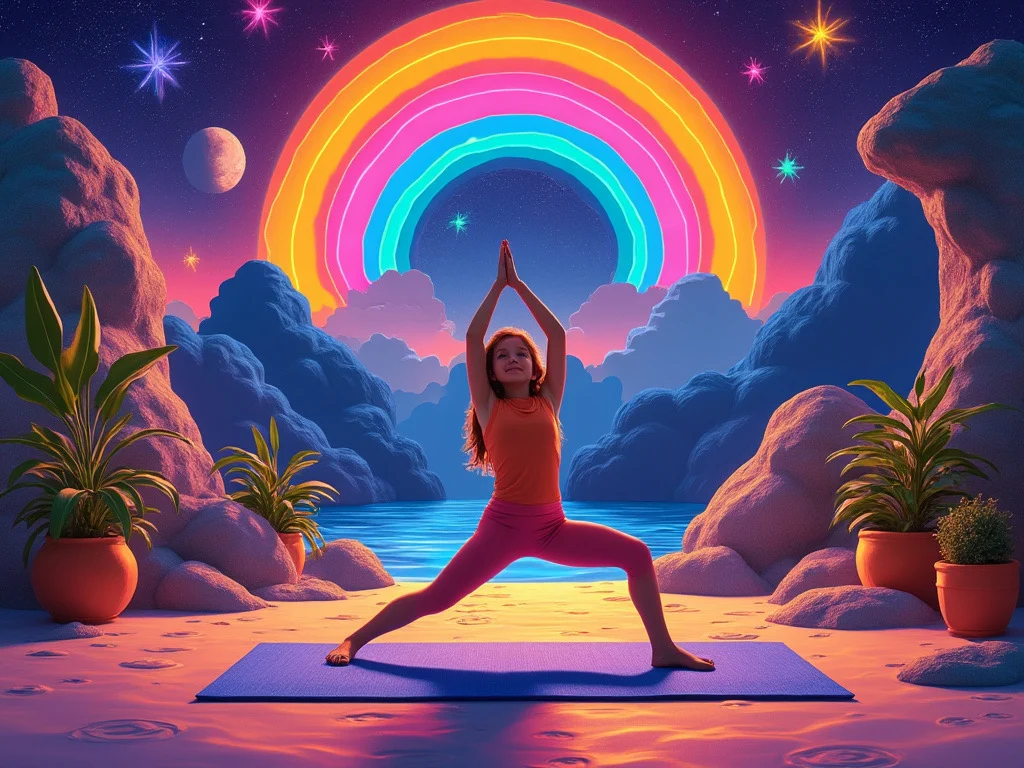
The integration of yoga into early childhood development and primary education has transitioned from a niche wellness trend to a foundational pillar of pediatric health and socio-emotional learning. While historically perceived as a discipline reserved for adults seeking stress relief or physical fitness, yoga is increasingly recognized by educators, pediatricians, and psychologists as a transformative tool for children. By combining physical postures with mindfulness and breathwork, the practice offers a holistic approach to navigating the developmental challenges of the 21st century, including rising rates of sedentary behavior and childhood anxiety.
The Evolution of Pediatric Yoga: From Studio to Classroom
The journey of yoga for children has followed a significant chronological trajectory over the past three decades. In the late 1990s and early 2000s, "Kids Yoga" emerged as a specialized offering in metropolitan yoga studios, often marketed as a creative movement class. However, the mid-2010s marked a pivotal shift as academic researchers began documenting the measurable impacts of mindfulness on the developing brain.
By 2020, the global pandemic accelerated this adoption, as parents and educators sought home-based solutions to manage the psychological toll of isolation and disrupted routines. Today, yoga is frequently embedded into the Physical Education (PE) curricula of public and private schools worldwide. This institutionalization reflects a broader understanding that physical health is inextricably linked to emotional regulation and cognitive focus.

Physical Foundations: Flexibility, Strength, and Injury Prevention
From a physiological perspective, yoga serves as a critical intervention for maintaining the natural mobility inherent in early childhood. As children transition into formal schooling, the increase in seated time—often referred to as "sedentary behavior"—can lead to the tightening of hamstrings and the weakening of postural muscles.
Yoga addresses these issues through dynamic stretching, often framed through imaginative themes such as "stretching like Spiderman" or "reaching for the stars." This practice promotes long-term flexibility, which is essential for reducing the risk of musculoskeletal injuries during organized sports and playground activities. Furthermore, yoga builds functional strength. Unlike traditional weightlifting, which is generally discouraged for prepubescent children due to the risk of growth plate injuries, yoga utilizes isometric contractions and bodyweight resistance.
Holding a "Warrior Pose" or a "Plank" engages the core, back, and limb muscles simultaneously. This systemic strengthening improves balance and proprioception—the body’s ability to sense its location and movements. For children, improved proprioception translates to better coordination in daily tasks and athletic pursuits.
Cognitive Enhancement and the "Secret of the Wise Owl"
One of the most significant benefits of pediatric yoga is its impact on executive function and concentration. In an era characterized by digital distractions and rapid-fire media consumption, the ability to sustain attention is a diminishing skill. Yoga poses that require balance, such as the "Tree Pose," necessitate a high level of "one-pointed focus." If a child’s mind wanders, their physical balance often falters, providing immediate, non-judgmental feedback on their state of concentration.

Supporting data from various educational studies suggest that even brief sessions of mindful breathing can lower cortisol levels in students, creating an internal environment conducive to learning. This "Wise Owl" focus—a common metaphor used in kids’ yoga to describe calm, observant awareness—allows children to approach schoolwork and complex problem-solving with a steadier temperament. The breathing exercises, or pranayama, taught in yoga serve as a physiological "reset button," moving the child from a sympathetic nervous system state (fight or flight) to a parasympathetic state (rest and digest).
Socio-Emotional Learning and the "Lion’s Breath"
The psychological implications of yoga for children extend into the realm of self-esteem and emotional regulation. Unlike competitive sports, where performance is measured against others, yoga is inherently non-competitive. This environment fosters self-acceptance, as children are encouraged to listen to their own bodies rather than strive for a standardized "perfection."
The "Lion’s Breath" pose, where children exhale forcefully with an audible roar, is frequently cited by child psychologists as an effective tool for emotional release. It provides a safe, structured outlet for frustration or pent-up energy. By practicing such techniques, children develop a "toolkit" for emotional regulation that they can carry into stressful situations outside the yoga class, such as exams or social conflicts.
Body Awareness: The Detective’s Approach to Health
Yoga cultivates an acute sense of body awareness, often described as becoming a "little detective" of one’s own physical sensations. This interoceptive awareness—the ability to feel and interpret internal bodily signals—is a precursor to healthy decision-making. A child who is attuned to their body is more likely to recognize the early signs of fatigue, hunger, or stress.

Data from the American Academy of Pediatrics (AAP) indicates that mindfulness-based practices like yoga can be particularly beneficial for children with Attention Deficit Hyperactivity Disorder (ADHD) or sensory processing sensitivities. By focusing on the alignment of the "Downward Dog" or the sensation of the breath in the "Cobra" pose, children learn to anchor themselves in the present moment, reducing impulsivity and improving self-regulation.
Fostering Connection and Team Spirit
While yoga is often viewed as an individual pursuit, pediatric programs frequently incorporate "Partner Yoga" and group activities. Poses like the "Double Boat," where two children balance while touching feet, require communication, trust, and physical cooperation. These exercises mirror the collaborative demands of the modern workplace and social environments.
In a group setting, children witness the diversity of human capability. They observe that some peers excel at balance while others excel at flexibility, fostering an environment of mutual respect and empathy. This "team spirit" is built not through defeating an opponent, but through supporting a partner’s stability, reinforcing the idea that collective success is as valuable as individual achievement.
Sleep Hygiene and the Science of Relaxation
The impact of yoga on sleep quality is a growing area of interest for pediatric researchers. The final relaxation pose, Savasana, where children lie still and "float on a cloud," teaches the body how to enter a state of deep rest. For many children, this is the only time in their day when they are not expected to be "doing" or "consuming."

Regular evening yoga practices have been shown to shorten the time it takes for children to fall asleep and improve the overall duration of restorative sleep. By lowering the heart rate and quieting the mind, yoga counteracts the stimulating effects of "blue light" from screens, providing a natural transition to the sleep cycle.
Broader Implications and Long-Term Public Health
The long-term implications of introducing yoga to children are profound. Public health experts suggest that establishing a positive relationship with physical activity in early childhood is the single best predictor of health in adulthood. Yoga provides a low-barrier entry point to fitness that does not require expensive equipment or high-impact athleticism.
Furthermore, the mental health crisis currently facing youth globally—characterized by rising rates of depression and anxiety—requires preventative measures that are scalable and accessible. Yoga offers a cost-effective, evidence-based intervention that can be implemented in diverse settings, from urban community centers to rural schools.
Analysis of Global Adoption and Expert Reactions
Educational authorities in various regions have begun to endorse yoga as a "brain break" tool. For instance, several school districts in the United States and the United Kingdom have replaced traditional detention with "Reflection Rooms" where students practice yoga and meditation. Preliminary data from these initiatives show a marked decrease in behavioral referrals and an increase in student-reported feelings of safety and belonging.

Medical professionals, while cautious about replacing traditional therapies, generally view yoga as a vital complementary practice. Dr. Marlynn Wei, a psychiatrist and author, notes that yoga can help children develop "resilience," which is the ability to bounce back from adversity. This resilience is perhaps the most critical superhero power a child can develop in an unpredictable world.
Conclusion: A Foundation for the Future
Yoga for kids is far more than a series of playful poses; it is a comprehensive developmental framework. By addressing the physical, cognitive, and emotional needs of children through a single practice, yoga prepares the next generation to be stronger, more focused, and more compassionate.
Whether a child is "stretching like Spiderman" or "roaring like a lion," they are engaging in a centuries-old tradition that has been modernized to meet the demands of contemporary childhood. As the body of evidence supporting pediatric yoga continues to grow, it is likely that this "amazing world" of stretching and breathing will become a standard feature of every child’s upbringing, ensuring they grow not just like superheroes, but as healthy, balanced human beings.